




1. Overview of Sapa’s culture in Vietnam
1.1. The distinct cultural space of the northwest mountainous region
Located at an altitude of approximately 1,500 meters, Sapa is attractive not only for its cool climate but also for being home to many long-standing ethnic communities such as the H'mong, Red Dao, Giay, Tay, and Xa Pho. This diversity has created a unique Sapa’s culture in Vietnam that attracts foreign tourists to explore.
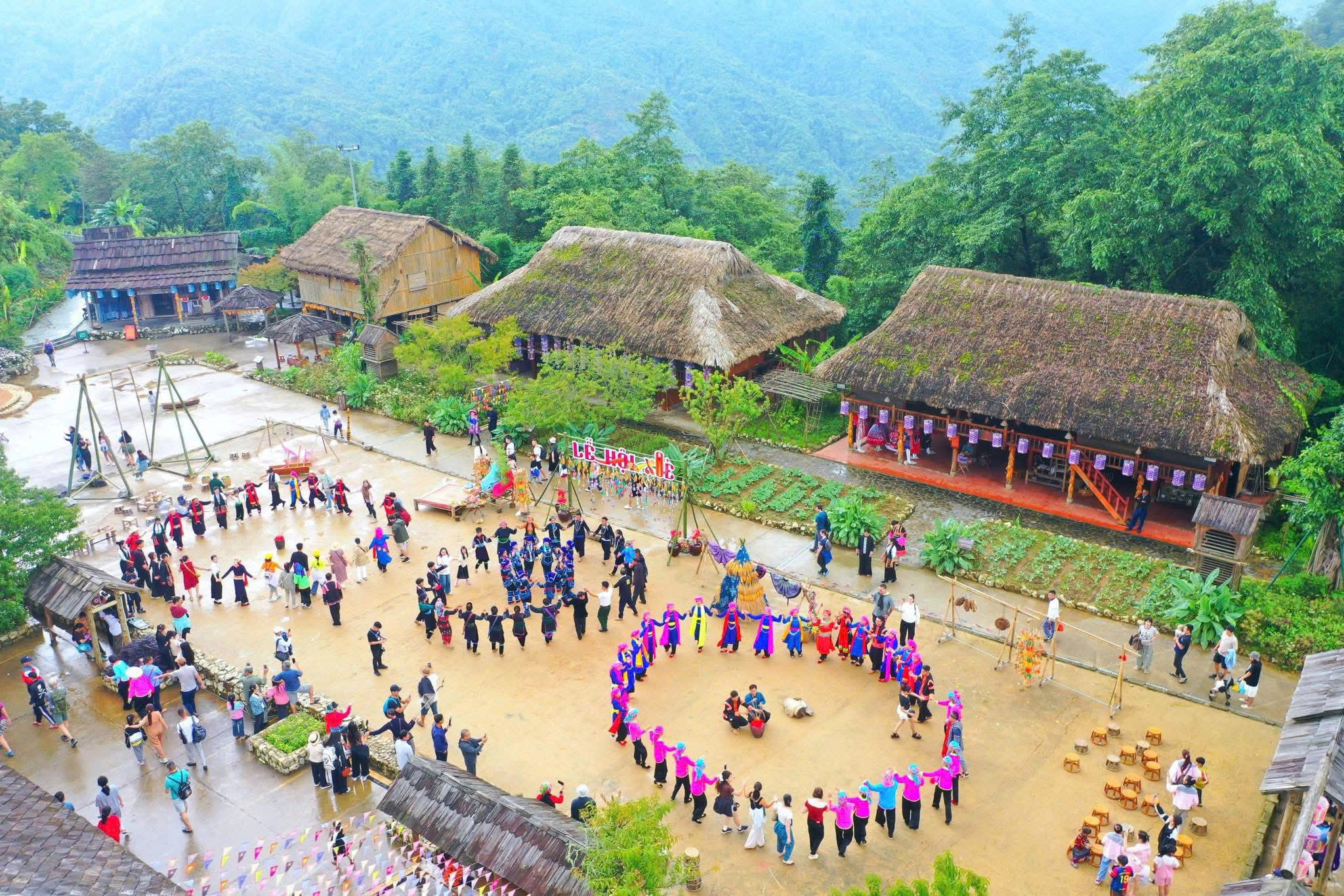
Sapa boasts a unique culture of the ethnic minorities in the northwest mountainous region. (Source: Collected)
Each ethnic community in Sapa has its own language, clothing, handicrafts, and customs. The villages are often nestled amidst terraced rice fields, beside small streams, or at the foot of the Hoang Lien Son mountain range. In summer, the green of young rice plants covers the mountain slopes, creating a peaceful scene. In autumn, the entire region transforms into a vibrant golden hue of ripening rice, offering a unique beauty found only in the northern mountainous region of Vietnam.
1.2. Experience life close to the local community
One of the reasons many Indian tourists love the culture of Sapa in Vietnam is the opportunity to get close to the local way of life. Besides sightseeing, you also have the chance to directly observe the daily lives of the people in the region.
Besides sightseeing, many tourists also choose to stay in local homestays to better understand the customs and culture of the local ethnic groups. Sharing meals around the fireplace or watching performances of traditional musical instruments makes the journey of exploring Sapa more authentic and memorable.
👉 Book Fansipan cable car ticket now!
2. Top famous villages in Sapa that Indian tourists shouldn't miss
2.1. May Village
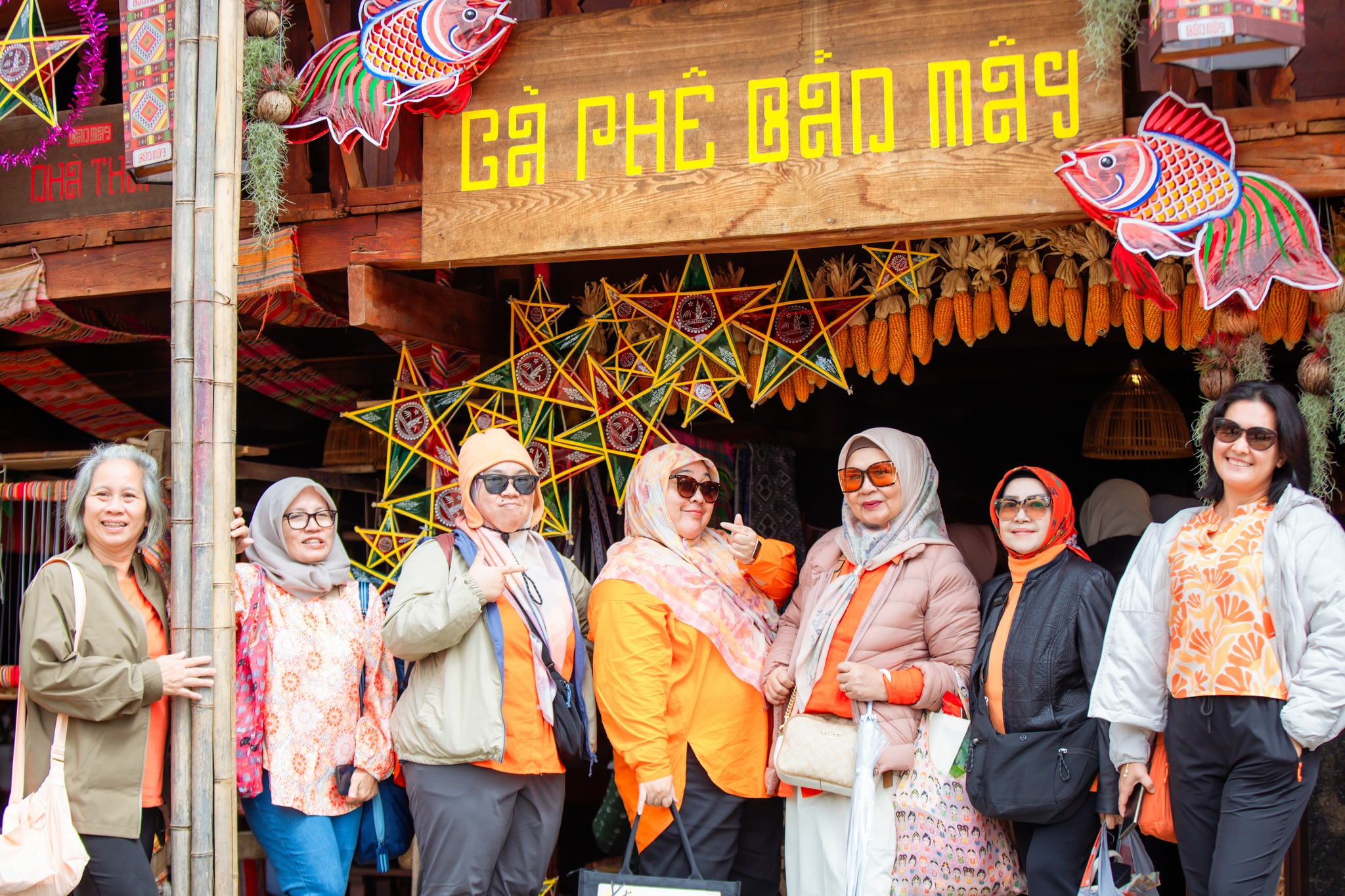
May Village is an ideal location for Indian tourists to explore the traditional culture of the ethnic minorities in the mountainous region of Sapa. (Source: Collected)
May Village is part of the Sun World Fansipan Legend tourist area and is located at an altitude of over 2,000 meters amidst the Hoang Lien Son mountain range. It is one of the highlights when exploring the culture of Sapa in Vietnam while the space is recreated like a miniature ethnic village amidst a sea of clouds.
The unique charm of May Village lies not only in its scenery but also in its cultural experiences. You can try your hand at weaving brocade, making traditional sticky rice cakes, or enjoying bamboo-grilled sticky rice right in the mountain forest setting. Performances of H’mong flute music, folk dances, and local musical instruments are also regularly organized, creating a vibrant atmosphere.
You can combine a visit to May Village with a trip on the Fansipan cable car to fully explore the cultural and natural beauty of Sapa. The modern three-wire cable car takes you across the Muong Hoa valley and the Hoang Lien Son mountain range within 15 minutes. Throughout the journey, the scenery of terraced rice fields, mountainous villages, and the sea of clouds stretching below the mountains is incredibly impressive, especially in the early morning or after light rain.
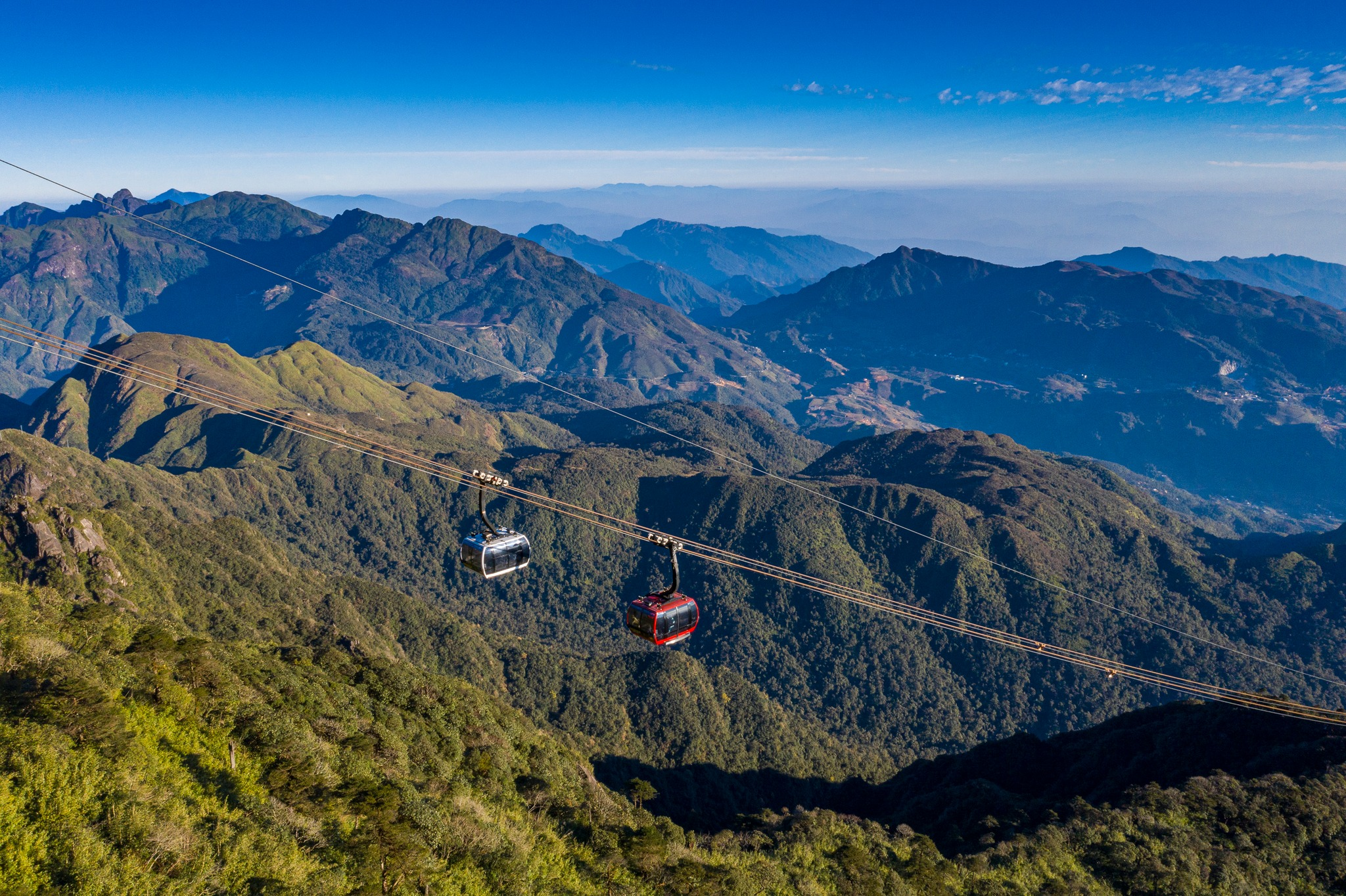
Visitors can admire the majestic Hoang Lien Son mountain range from the cable car cabin. (Source: Collected)
After reaching the mountaintop, you can explore the famous spiritual complex featuring a 21.5-meter-tall bronze Great Buddha Statue amidst a sea of clouds, Bich Van Zen Monastery with its ancient Vietnamese temple architecture, and the Alahat Path lined with majestic bronze statues in the Hoang Lien Son mountain range.
2.2. Cat Cat Village
Cat Cat Village is located about 2 km from the center of Sapa and is one of the most famous villages in the area. A highlight of Cat Cat is its well-preserved traditional H'mong wooden houses. Inside the village, you can observe handicraft activities such as linen weaving, indigo dyeing, and handcrafted silverware making. These traditional crafts have existed for generations and are an important part of Sapa's culture in Vietnam.
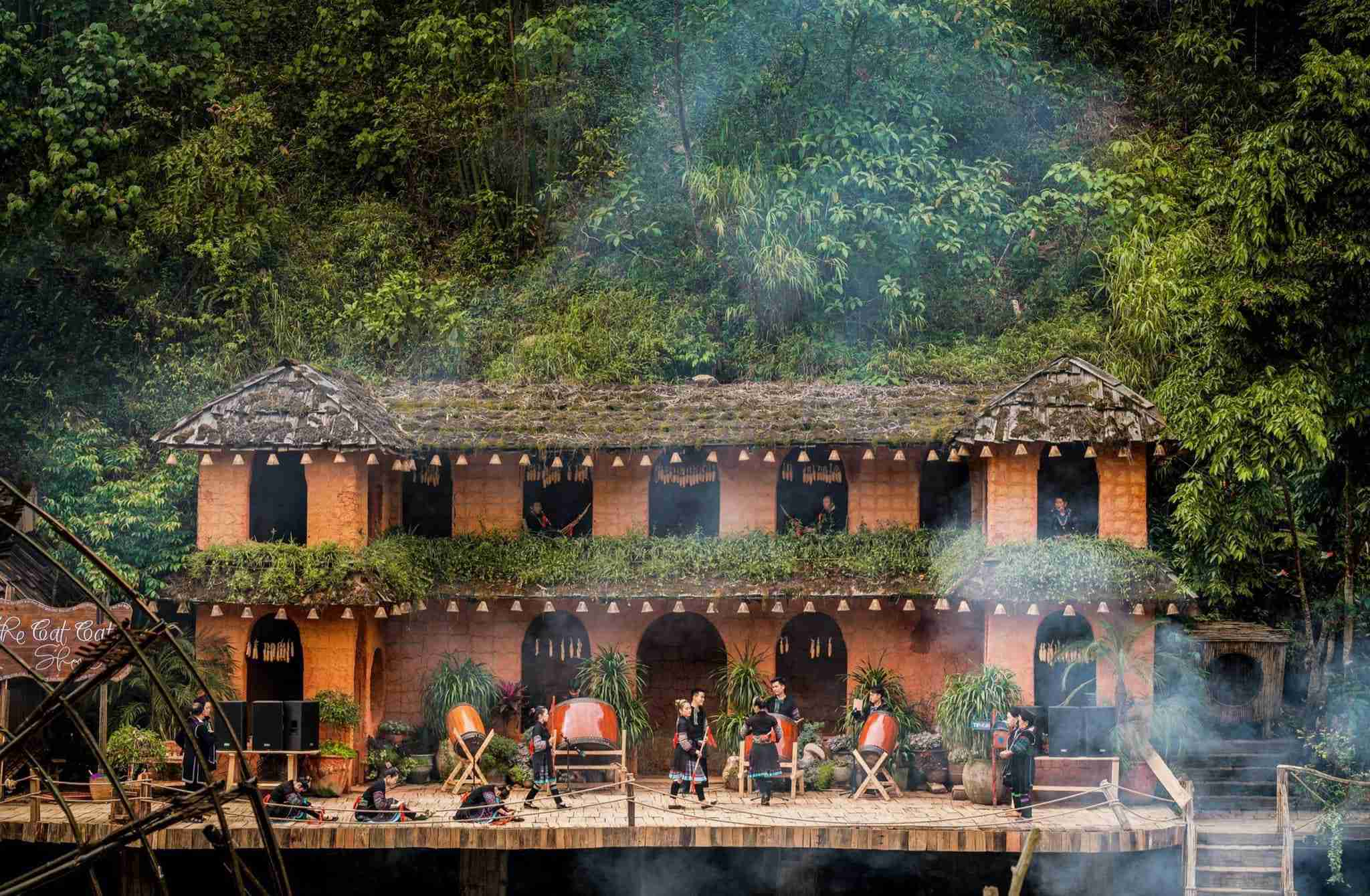
Cat Cat Village is one of the most famous tourist villages in Sapa. (Source: Collected)
2.3. Ta Phin Village
Ta Phin is famous for its long-standing Red Dao community and its well-preserved traditional cultural values. Here, you can easily spot Red Dao women wearing hand-embroidered costumes with striking red hues on indigo-dyed fabric. One of the experiences many international tourists enjoy in Ta Phin is bathing in the traditional herbal bath of the Red Dao people.
2.4. Ta Van Village
Nestled deep in Muong Hoa valley, Ta Van is a prominent destination with its rice paddies stretching along the mountain slopes. It is primarily inhabited by the Giay and Red Dao ethnic groups, whose lives are closely intertwined with terraced rice paddies and small streams. Many homestays in Ta Van are built of wood in a style that blends seamlessly with nature. From the balconies of their rooms, you can admire the thin layers of mist enveloping the valley in the early morning.
3. Experience the mountainous market in the culture of Sapa in Vietnam
3.1. The lively atmosphere at Sapa night market
Sapa night market is a popular gathering place for tourists and locals every evening. Along the streets around the town center are numerous stalls selling brocade fabrics, handmade bags, woolen scarves, and souvenirs reflecting the unique style of the region. For many Indian tourists, the night market is not only a place to shop but also an opportunity to observe the daily life of the people of Sapa in the cool, characteristic mountain weather.
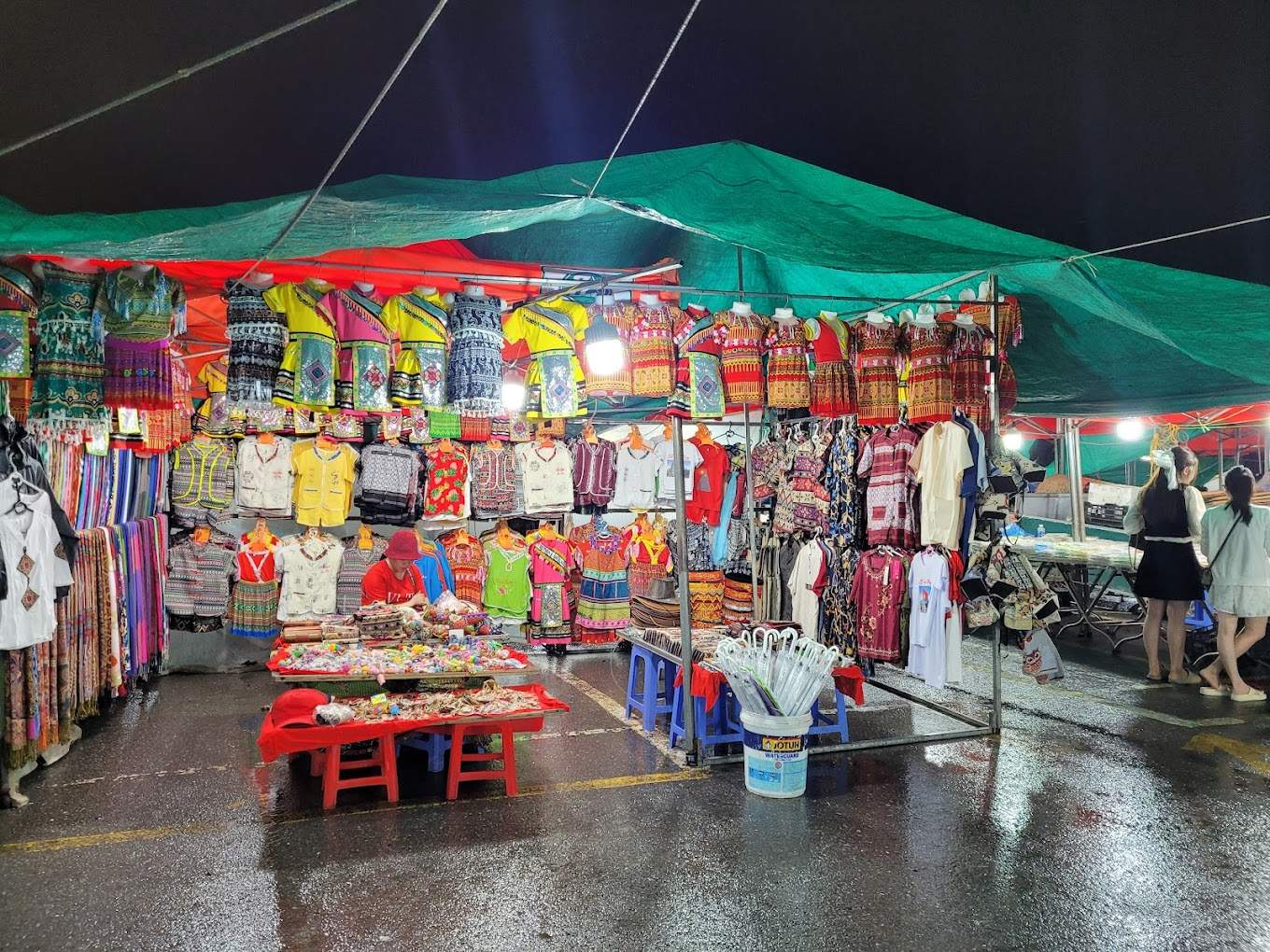
The Sapa night market sells traditional brocade clothing. (Source: Collected)
3.2. Mountainous fairs near Sapa
Besides the central night market, the area around Sapa also has many famous weekly fairs such as Bac Ha and Coc Ly. These are places where people of the local ethnic groups gather to exchange goods and socialize on weekends. In addition to buying and selling agricultural products and handicrafts, these markets are also spaces for cultural exchange with the sounds of traditional flutes and many community activities.
4. Traditional clothing and cuisine in Sapa culture, Vietnam
4.1. The art of brocade weaving of the H'mong and Red Dao people
Brocade is an important part of Sapa's culture in Vietnam. The H'mong and Red Dao people often weave their own fabrics, dye them with natural colors, and embroider patterns by hand to create traditional clothing. Besides clothing, brocade is also used to make handbags, scarves, and decorative items. These are popular souvenirs for many international tourists visiting Sapa.
4.2. Unique cuisine of the ethnic groups in northwest Vietnam
Northern mountainous cuisine is an important part of what makes Sapa attractive to international tourists. During your journey exploring Sapa’s culture in Vietnam, you should try the traditional dishes of the ethnic minorities in the northwest region, appreciating their natural flavors and cooking methods that bear the distinct mark of the local area.
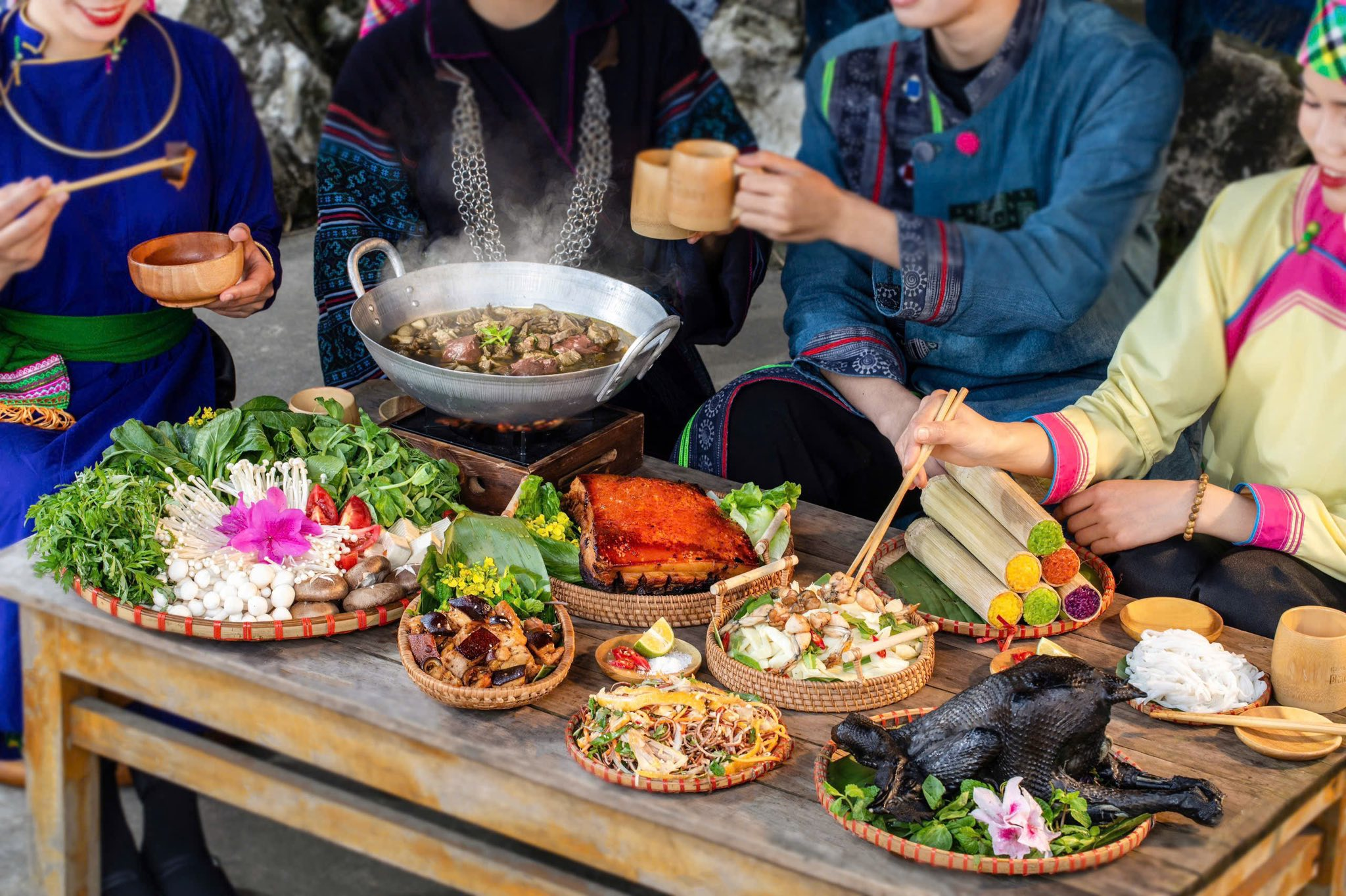
Cuisine is one of the elements contributing to the attractiveness of Sapa culture in Vietnam. (Source: Collected)
The H’mong, Red Dao, and Giay people often use fresh ingredients such as mustard greens, wild mushrooms, and native herbs. One of their most famous dishes is sticky rice cooked in bamboo tubes, which helps the rice grains retain their chewiness and the distinctive aroma of the mountains. Besides that, thang co (a traditional stew) and Sapa salmon hot pot are also familiar dishes at mountainous markets and local restaurants.
For Indian tourists who prefer vegetarian food, Sapa now offers many suitable options such as grilled vegetables, stir-fried mushrooms, tofu, vegetable fried rice, or dishes made from organic ingredients from the mountainous region. Many restaurants in the center of Sapa and the Fansipan area also serve Halal menus and international dishes to meet the needs of foreign visitors.
5. Experiencing Sapa’s culture in Vietnam for Indian tourists
5.1. Notes when visiting villages and local markets
When exploring the villages and mountainous markets, you should respect local customs and avoid disrupting the daily lives of the people. Comfortable shoes are also essential, as many paths in Sapa are steep and have many stone steps. Additionally, you should carry cash when buying handicrafts or eating at local markets, as not all places support electronic payments.
5.2. Tips for entering and traveling to Sapa
Indian tourists can now apply for a Vietnamese e-visa quite easily online. Tourist visas typically have a maximum validity of 90 days, and the processing time is approximately 3 to 7 business days. To avoid disrupting your travel plans, you should apply for a visa a few weeks before your departure date.
After landing at Noi Bai airport in Hanoi, you can continue your journey to Sapa by sleeper bus, train, or private car, depending on your needs. Many families and couples often choose premium buses or private transfer services for a more comfortable trip.
From villages nestled on mountain slopes and vibrant mountainous markets to traditional festivals steeped in ethnic identity, Sapa’s culture in Vietnam offers Indian tourists an emotionally rich journey of discovery. Beyond admiring the stunning scenery of northwest Vietnam, you have the opportunity to experience the local way of life, learn about traditional crafts, and immerse yourselves in the unique cultural atmosphere of the northern mountainous region.


