




1. Discover Sapa traditional crafts
Sapa traditional crafts are an important part of the cultural heritage of Northwest Vietnam, reflecting the creativity, knowledge and everyday life of the ethnic communities living across the mountainous region. From handwoven textiles and intricate embroidery to natural dyeing and bamboo or rattan weaving, these crafts have developed alongside local communities and remain closely connected with traditional clothing, household objects and cultural practices.
Traditional textile-making is particularly distinctive in Sapa. Different ethnic communities have developed their own techniques for weaving, decorating and colouring fabrics, resulting in a diverse range of patterns and visual styles. Hand embroidery can feature geometric motifs, plants, animals or symbolic designs, while natural dyes such as indigo create characteristic colours that are closely associated with traditional garments in the region. These crafts are not simply decorative forms of art. They are closely connected with everyday life and cultural identity. Traditional textiles can be used to create clothing, bags, household items and ceremonial pieces, while bamboo, rattan and other locally available materials can be transformed into practical objects. The skills required to make these products are often learned through observation and practice within families and communities.
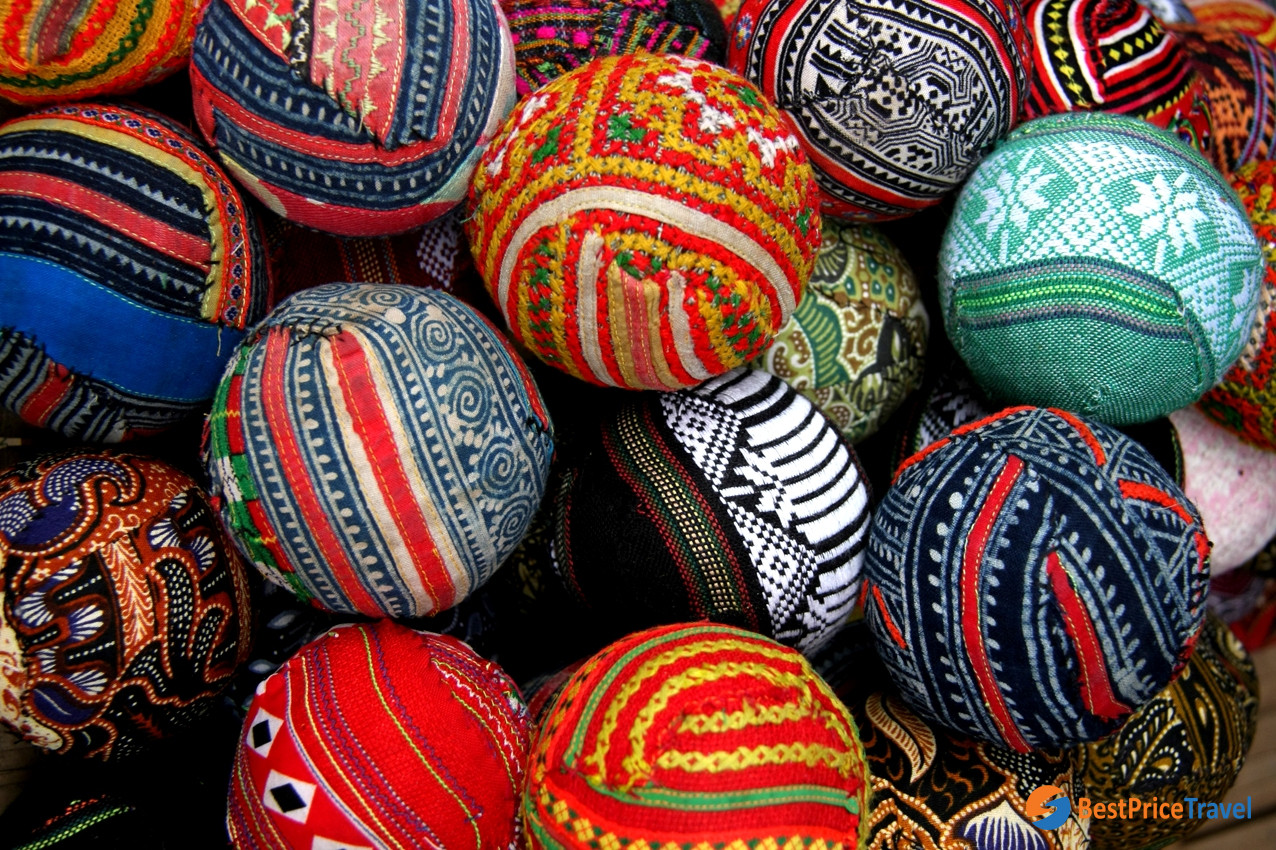
Sapa is famous for its traditional handicrafts (Source: Collected)
For international travellers, discovering Sapa traditional crafts offers an opportunity to look beyond the region's famous mountain scenery and learn about the people who have shaped its cultural landscape. Visiting traditional villages, meeting local artisans and observing handicraft-making processes can reveal how materials from the surrounding environment are incorporated into daily life and cultural expression. Traditional crafts can be encountered in several cultural settings around Sapa. Villages such as Lao Chai and Ta Van provide opportunities to observe local communities in their own surroundings, while May Village presents traditional architecture, costumes and handicraft traditions in an accessible cultural setting near Fansipan. Local markets can also offer handmade textiles and crafts, allowing visitors to see how traditional skills continue to connect with contemporary tourism.
Exploring Sapa traditional crafts therefore provides more than a chance to purchase a handmade souvenir. It is a way to understand the patience, creativity and cultural knowledge behind the region's distinctive textiles and handmade products. For travellers interested in culture, heritage and authentic local experiences, handicrafts can become an essential part of discovering the spirit of Sapa and Northwest Vietnam.
2. Traditional crafts to discover in Sapa
2.1 Explore Hmong embroidery and textile-making
Hmong embroidery is one of the most recognisable forms of Sapa traditional crafts, reflecting the creativity and patience of local artisans. Traditional textiles are often decorated with carefully embroidered motifs, geometric patterns and colourful details, creating distinctive visual identities for different communities. The process requires considerable time and attention, with skills traditionally passed from older generations to younger members of the family.
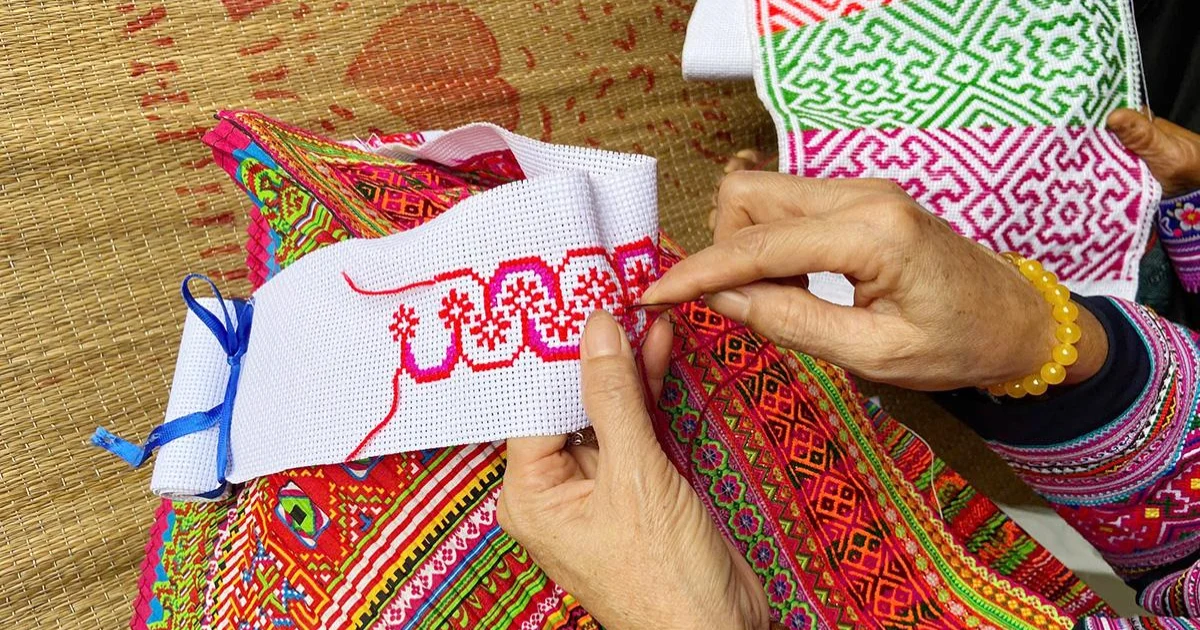
The Hmong people are renowned for their embroidery art (Source: Collected)
Textiles also play an important role in traditional Hmong clothing. Fabrics can be woven, embroidered and decorated before being made into garments, accessories or other household items. The patterns are not simply decorative; they can express cultural identity and demonstrate the craftsmanship of the person who created them. For visitors, observing the details closely provides a better understanding of why traditional garments are such an important part of local culture.
Travellers can learn more about Hmong textile traditions by visiting communities around Sapa, particularly villages where handicraft skills remain connected with everyday life. Watching artisans work, asking about the materials and techniques, or purchasing a genuinely handmade item can create a more meaningful connection with the craft than simply viewing finished products.
2.2 Discover traditional indigo dyeing
Indigo dyeing is another fascinating aspect of Sapa traditional crafts, particularly among communities that use naturally dyed textiles for traditional clothing. The process transforms fabric through repeated dyeing and drying, gradually producing deep shades of blue. The final colour can vary depending on the materials, preparation and number of dyeing stages, giving handmade textiles their individual character.
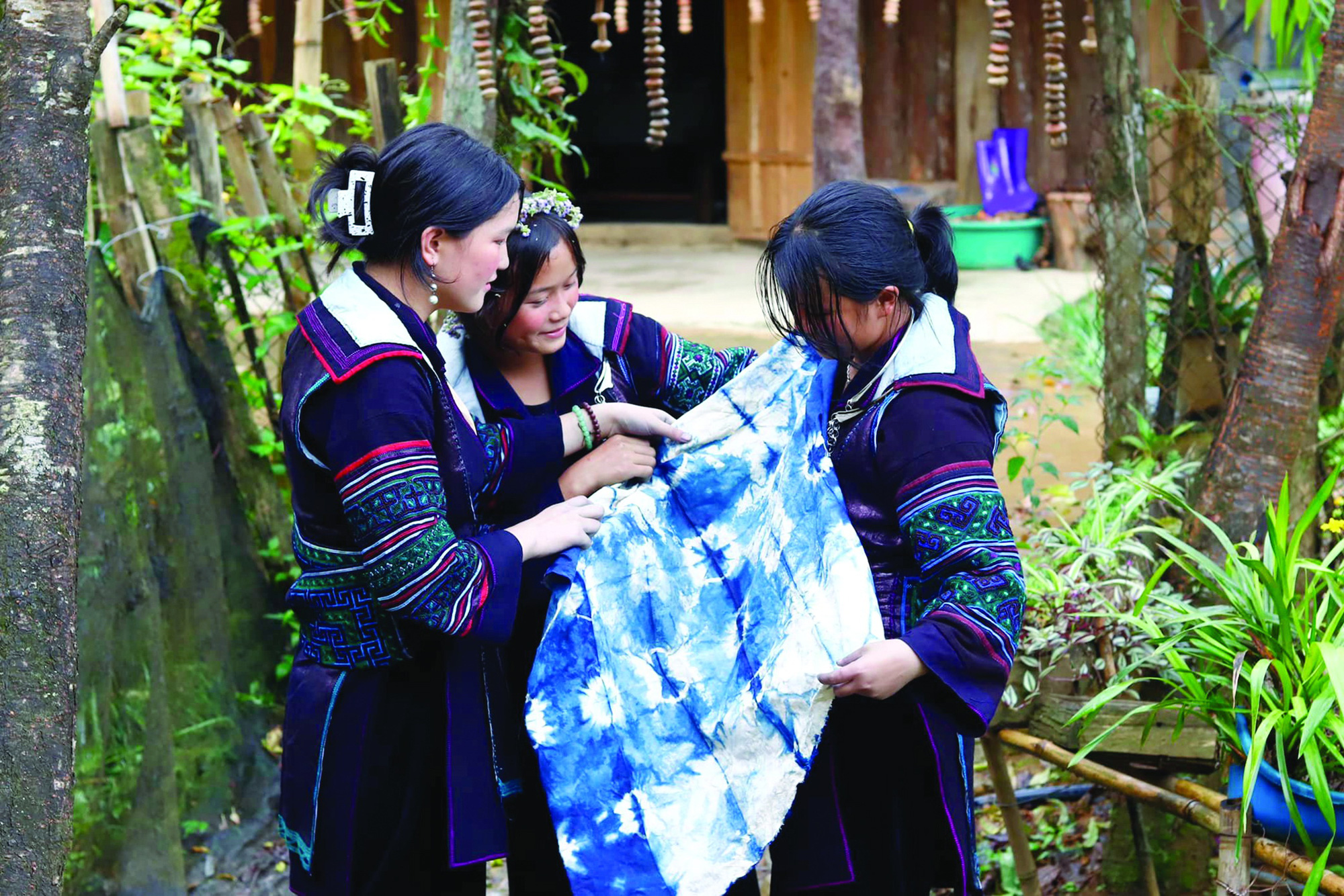
The indigo dyeing technique yields unique handcrafted products from the ethnic groups of Sapa (Source: Collected)
Natural dyeing requires knowledge of local materials and careful control of the process. Artisans need to prepare the dye, immerse the fabric and allow it to dry before repeating the process when a deeper colour is desired. This makes indigo textiles a good example of how traditional craftsmanship is closely connected with knowledge of the natural environment.
For international travellers, seeing the dyeing process can make traditional clothing more understandable. Instead of viewing indigo-coloured garments simply as part of the region's visual identity, visitors can appreciate the work and knowledge behind them. In cultural villages and craft spaces, travellers may also have opportunities to see naturally dyed fabrics alongside finished clothing and handmade accessories.
2.3 Learn about traditional weaving techniques
Hand weaving is fundamental to many Sapa traditional crafts, particularly in the production of textiles used for clothing and household items. Using traditional looms, artisans transform threads into fabrics through repeated and precise movements. The process requires concentration and technical knowledge, especially when creating patterned or decorative textiles.
Different communities may use different weaving techniques, materials and patterns, resulting in considerable variety across Sapa. Visitors may notice differences in colour combinations, textile textures and decorative motifs when comparing traditional products from different ethnic groups. These variations provide a visual way to understand the cultural diversity of the region.
Watching a local artisan weave can be one of the most rewarding craft experiences for travellers. The repetitive movement of the loom, the gradual formation of the fabric and the skill required to maintain a consistent pattern reveal the handmade nature of the finished product. It also helps visitors understand why traditionally woven textiles can carry significant cultural and personal value.
2.4 Discover bamboo and rattan handicrafts
Beyond textiles, bamboo and rattan are important materials in the traditional craft culture of Northwest Vietnam. Their availability in the mountainous environment has allowed local communities to transform these natural materials into baskets, containers, household objects and decorative items. The resulting products combine practical functions with traditional craftsmanship.
Creating bamboo or rattan products requires careful preparation of the material before weaving or shaping it. Artisans must select suitable pieces, cut them into appropriate sizes and arrange them into stable structures. Simple-looking objects can therefore involve considerable manual skill and knowledge of traditional techniques.
For visitors, bamboo and rattan crafts offer another perspective on the relationship between local communities and their environment. Travellers can look for handmade products in traditional villages and local markets, while cultural spaces such as May Village can provide a more structured introduction to handicrafts associated with Northwest communities. These items can also serve as practical souvenirs with a direct connection to local craftsmanship.
2.5 Explore traditional costume-making
Traditional costume-making brings together several different Sapa traditional crafts, including weaving, embroidery, dyeing and decorative techniques. Clothing worn by ethnic communities in the region can feature distinctive colours, patterns and accessories, with variations reflecting cultural identity. Creating a complete garment can involve multiple stages of skilled manual work.
For many communities, traditional clothing is closely connected with cultural occasions and everyday identity. The fabrics, embroidery and decorative details can distinguish one community from another, while handmade elements demonstrate the craftsmanship involved in producing the garments. Visitors interested in ethnic culture can therefore learn much about local heritage by looking closely at traditional dress.
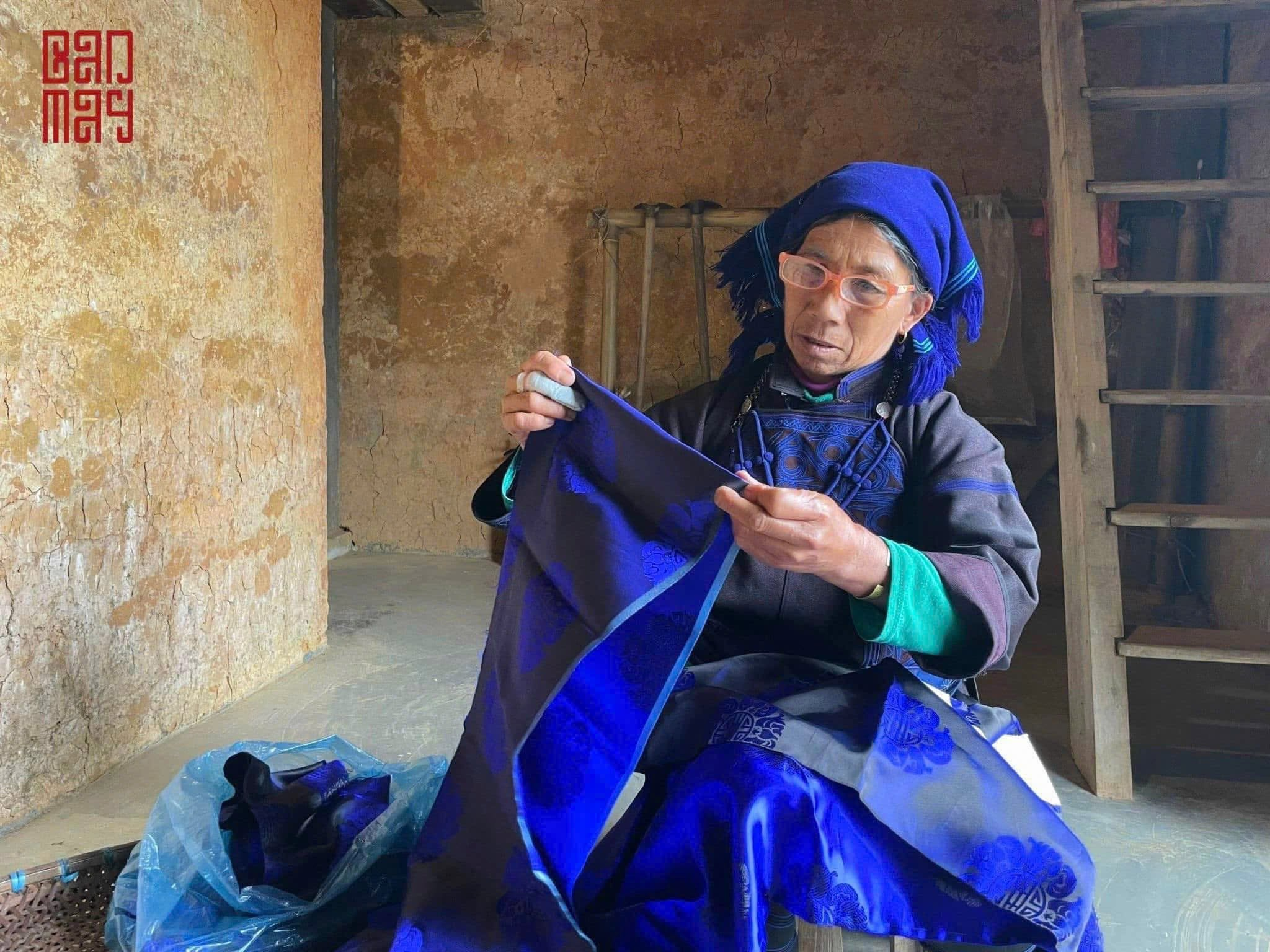
Visitors can explore the diverse traditional costumes of Sapa's ethnic groups at May Village (Source: Collected)
May Village offers an accessible setting for travellers to encounter traditional costumes alongside traditional houses, cultural performances and handicrafts. Trying on traditional garments, where available and appropriate, can make the experience more interactive. However, visitors should treat traditional clothing as cultural heritage rather than simply a costume for photography and remain respectful of its cultural significance.
2.6 Visit local markets and craft villages
Local markets provide one of the easiest ways for international travellers to discover Sapa traditional crafts in a lively community setting. Handmade textiles, embroidered products, woven baskets, accessories and other local goods may be displayed alongside food and everyday products. Markets can therefore offer a broader picture of how handicrafts relate to local commerce and community life.
Traditional villages provide a different experience because visitors can see crafts within the environment where local communities live. In areas around Sapa, travellers may encounter artisans working with textiles or other materials while exploring village paths, houses and agricultural landscapes. This context helps connect the finished products with the people and traditions behind them.
When buying handicrafts, travellers can ask about the material, production method and community associated with the item. Choosing handmade products and learning their background can make a souvenir more meaningful while also encouraging appreciation for traditional craftsmanship. A visit to a market or village can thus become both a shopping experience and an opportunity to understand the living heritage of Sapa.
3. How to experience Sapa traditional crafts
3.1 Visit traditional villages around Sapa
One of the most meaningful ways to discover Sapa traditional crafts is to visit the villages where handicraft skills remain connected with everyday community life. Villages such as Lao Chai and Ta Van offer opportunities to observe traditional houses, local lifestyles, textiles and handmade products within the surrounding mountain landscape. The experience allows travellers to see crafts in a more natural cultural context.
Walking through a village can reveal small details that are easy to miss in a conventional sightseeing itinerary. Visitors may see textiles being prepared, embroidered garments, handmade accessories or household objects made from locally available materials. The pace of village life also provides an opportunity to understand how traditional craftsmanship exists alongside farming, family life and contemporary tourism.
Travellers should approach these visits with curiosity and respect. Asking artisans about their work, learning about the materials and understanding the time involved in making a product can create a more genuine cultural exchange. Where photography is involved, visitors should ask for permission before taking close-up photographs of people or their work.
3.2 Visit May Village for an accessible craft experience
For travellers with limited time, May Village provides an accessible setting for discovering Sapa traditional crafts alongside other elements of Northwest cultural heritage. Located near the Fansipan cable car station, the cultural village brings together traditional houses, ethnic costumes, performances, handicrafts and local cuisine in one destination.
Visitors can explore traditional craft techniques such as brocade making, indigo and natural dyeing, and bamboo or rattan weaving. Seeing these crafts alongside traditional houses and clothing helps travellers understand how different forms of craftsmanship are connected with everyday life and cultural identity. The setting also makes it easier to combine handicraft discovery with a Fansipan sightseeing itinerary.

Visitors try on ethnic costumes at May Village (Source: Collected)
May Village can therefore work particularly well for first-time visitors to Sapa. Travellers can spend part of the day exploring Fansipan and the surrounding mountain landscape before continuing to May Village for cultural experiences. This combination offers a convenient introduction to Northwest craftsmanship without requiring a separate journey to several remote communities.
3.3 Look closely at patterns and handmade details
When exploring Sapa traditional crafts, it is worth taking time to examine the details rather than focusing only on the finished product. Handwoven textiles, embroidery and naturally dyed fabrics can contain subtle variations that reveal the handmade nature of each item. Patterns, colours and decorative techniques may also differ between ethnic communities.
Visitors can compare different textiles to understand how cultural identity is expressed through craftsmanship. Some pieces may feature geometric motifs, intricate embroidery or distinctive colour combinations, while others emphasise natural tones and simple woven structures. These differences reflect the variety of traditions found across the mountainous communities of Northwest Vietnam.
Paying attention to these details can also change the way travellers view souvenirs. A handmade textile is not simply a decorative object; it can represent hours of work, inherited techniques and knowledge of local materials. Asking about how a product was made can therefore add cultural meaning to the experience.
Exploring Sapa traditional crafts offers a closer connection to the cultural heritage of Northwest Vietnam. From handwoven textiles and embroidered garments to indigo-dyed fabrics and bamboo handicrafts, each technique reflects generations of knowledge and creativity. By visiting traditional villages, experiencing May Village and choosing meaningful handmade products, international travellers can discover another authentic side of Sapa beyond its spectacular mountain scenery.


