




1. Overview of Sapa Winter Tourism 2026
1.1. Characteristics of Sapa Winter Weather
Sapa, located in Sapa district, Lao Cai province, has a highland climate characterized by winter starting from around November and lasting until February of the following year. Temperatures during this period decrease significantly compared to other seasons, commonly ranging between 3 to 5 degrees Celsius in December and January. During periods of intensified cold air, temperatures in high mountain areas can drop below 0 degrees Celsius, especially in the Hoang Lien Son mountain range.
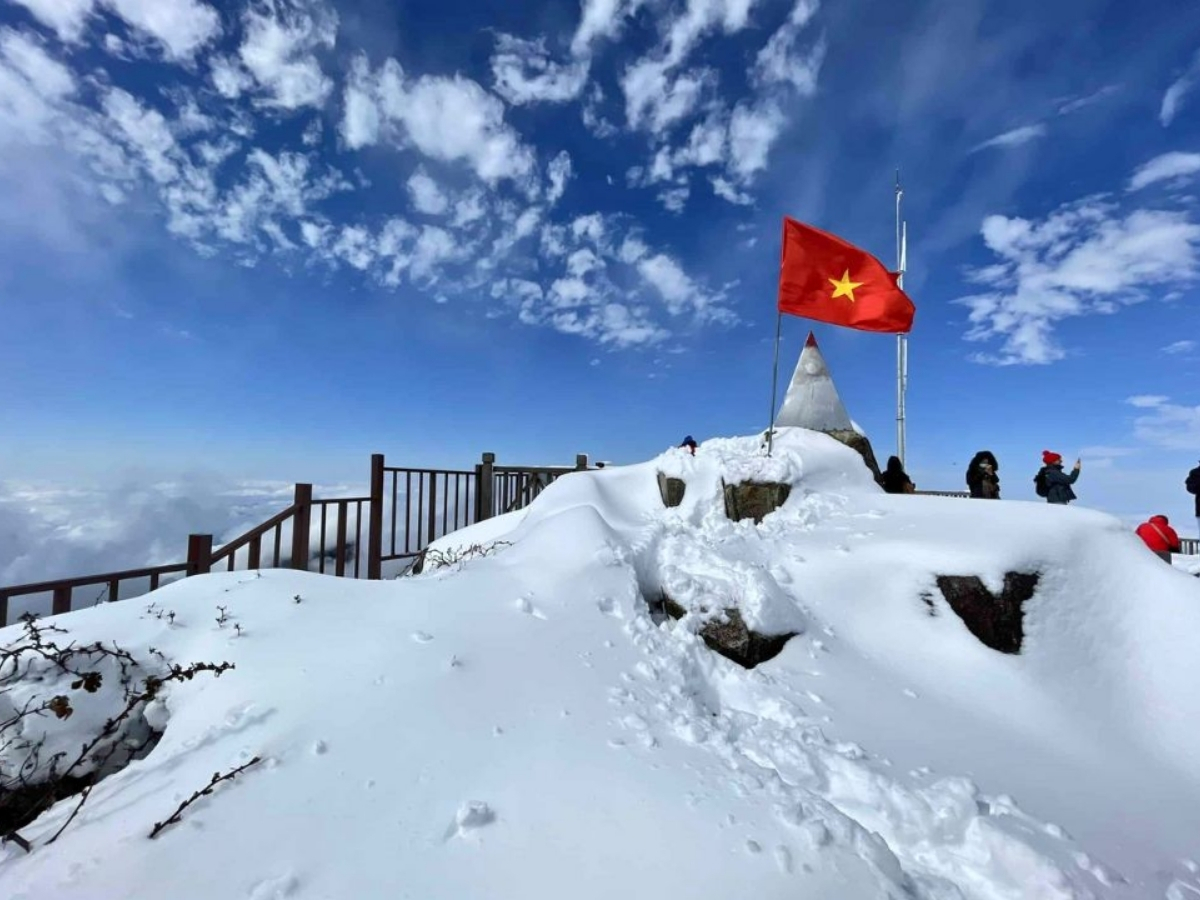
White snow covering the mountain peaks brings a rare experience in Sa Pa. (Source: Collected)
Compared to the annual average temperature, the winter in Sa Pa town is significantly lower, creating a deep cold feeling in the early morning and at night. Fog appears frequently in the morning and evening, covering valleys and residential areas in a hazy white cloud layer. This is a common weather phenomenon, creating a characteristic feature for Sa Pa in the cold season.
In recent years, the Fansipan peak area has recorded frost and light snowfall in late December. The measured temperature has sometimes dropped below zero degrees Celsius, showing a clear differentiation in weather by altitude. This contributes to the unique attraction of Sa Pa tourism in winter.
1.2. Characteristic beauty of Sa Pa in winter
Sa Pa in winter impresses with its misty mountain scenery, making the town and mountain ranges seem to appear and disappear amidst the clouds. When the fog is thick, high points like Ham Rong or Muong Hoa valley feature layers of gently drifting clouds, creating a sense of open and tranquil space. This scene is often likened by tourists to the experience of walking among the high mountains and clouds.
After the harvest season, the terraced fields turn to muted colors, stretching along hillsides and valleys. The softer colors make the overall landscape more harmonious, suitable for tourists seeking a peaceful space. Winter thus offers a different perspective on Sa Pa's natural beauty.
As temperatures drop sharply, frost appears on the mountain peaks and high-altitude vegetation. This phenomenon creates a special scenery, different from other seasons of the year. For those who love photography and exploring mountain weather, Sa Pa in winter offers many interesting perspectives.
1.3. Who should travel to Sa Pa in winter
Tourists who love cold climates and winter nature experiences will clearly feel the difference when visiting Sa Pa from December to February. The low temperatures and thick fog create a quiet atmosphere, unlike the bustling pace of the summer peak season. This is a suitable time to fully appreciate the nuances of the highlands in the cold season.
Landscape photography enthusiasts often choose Sa Pa in winter to hunt for clouds and capture moments of morning fog. Soft light combined with drifting clouds creates favorable conditions for photography. High points and valleys become ideal spaces for this activity.
Couples, groups of young friends, or tourists seeking new experiences also often choose Sa Pa in the cold season. During the end of the year and the beginning of the new year, the town hosts additional cultural activities with highland characteristics. This makes the trip more diverse and experientially deep.
2. Ideal time to travel to Sa Pa in winter
2.1. The most beautiful months in Sa Pa's winter
Sa Pa's winter usually begins in November, when temperatures gradually decrease and fog appears more frequently. This period lasts until February, creating a distinct cold season compared to lower regions. Each month of winter has different weather characteristics.
December and January are considered the coldest months of the year in Sa Pa. The temperature commonly ranges from 3 to 5 degrees Celsius, sometimes dropping sharply with strong cold air masses. This is also the period when frost is likely to form in high mountain areas.
By February, the weather is still cold but tends to be more stable. Fog still appears in the early morning, but the daytime can be clearer and brighter. These conditions are favorable for observing the landscape and moving around for sightseeing.
2.2. Time to easily observe frost and fog
Late December to early January is the period with the highest probability of frost during winter. This phenomenon is often clearly seen in high-altitude areas like Fansipan peak. The sight of frost-covered trees and rock surfaces creates a very characteristic space.
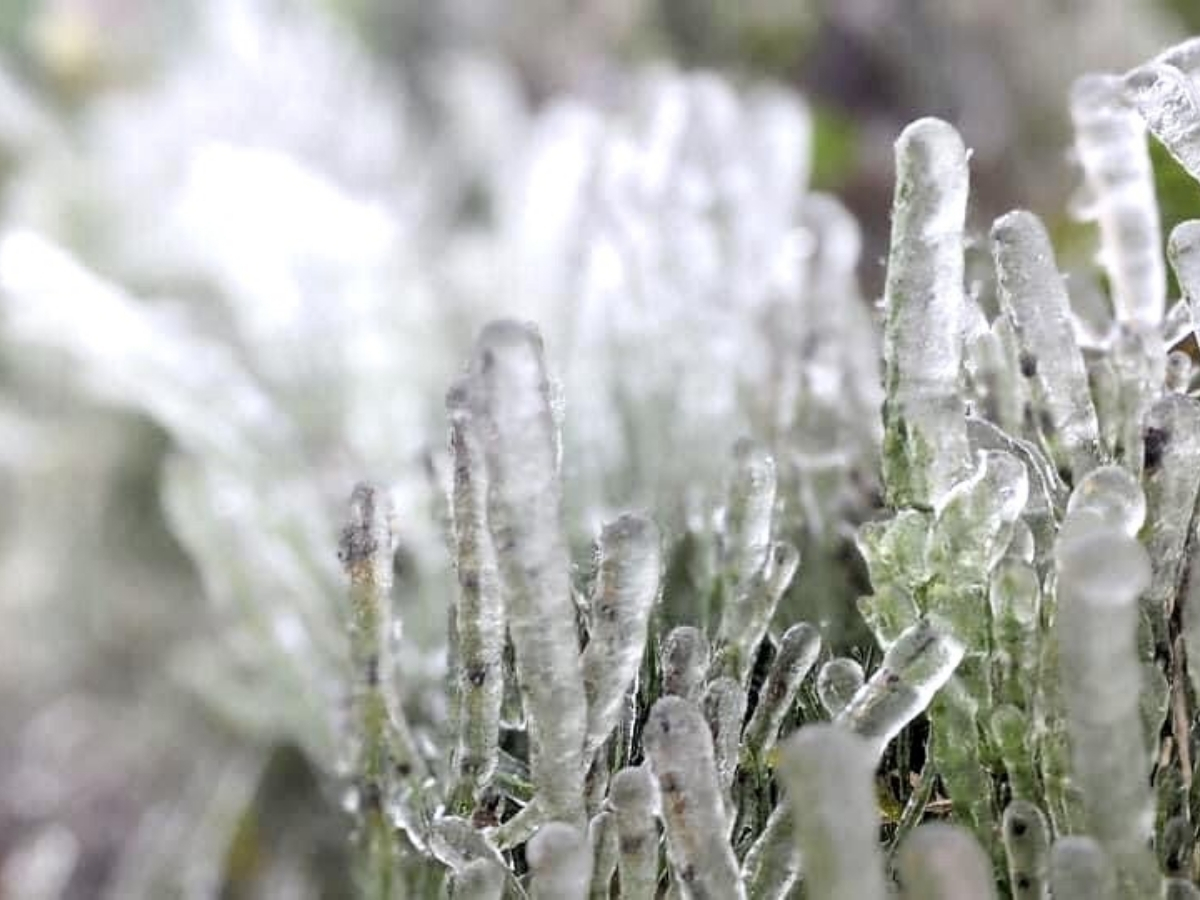
Frost covers the grass and trees in Sa Pa during the last days of December every year. (Source: Collected)
Fog appears thickly in the early morning and late afternoon throughout winter. This is a suitable time for tourists who want to experience cloud hunting and landscape photography. The hazy cloud layer helps the scenery become soft and deep.
Snowfall is not consistent every year, depending heavily on weather developments. Therefore, tourists interested in this phenomenon need to closely follow forecasts during strong cold air outbreaks. Proactively updating information increases the chance of encountering the desired moment.
2.3. Notes when monitoring weather forecasts before the trip
Monitoring weather forecasts from official sources helps tourists grasp temperature changes and fog conditions. This information aids in planning a schedule that suits actual conditions. Especially, the highland winter can change rapidly in a short period.
Updating forecasts early allows for more flexible adjustments to sightseeing plans. Tourists can avoid days with thick fog that limits visibility or deep temperature drops. This contributes to ensuring a safe and comfortable experience.
Preparing outfits based on weather information makes the journey more pleasant. Warm clothes, thermal accessories, and suitable shoes are essential when exploring Sa Pa in winter. Thorough preparation ensures a smooth trip.
3. Unmissable experiences when traveling to Sa Pa in winter
3.1. Visiting Sa Pa town in the cold mist
Sa Pa town, located in Sa Pa district, Lao Cai province, is notable for its cold air and distinct fog in winter. Tourists can stroll around the square, stone-paved streets, and the night market to feel the slow pace of life. The mist-shrouded atmosphere creates a very characteristic image of the town.
The town center also features familiar attractions such as the ancient stone church and a small lake. These places are associated with the daily life of local people during the cold season. The simple scenery offers a sense of closeness and accessibility.
The fresh air combined with the cold mist creates a different experience compared to other seasons. When moving through small streets, tourists can easily find cafes and bakeries serving hot drinks. This is a suitable way to relax amidst the cold weather.
3.2. Conquering Fansipan Peak
Fansipan Peak, at 3,143 m, is often known as the “Roof of Indochina.” In winter, this area attracts tourists with its mountainous scenery and cold air according to altitude. It is a familiar stop on the journey to explore Sa Pa.
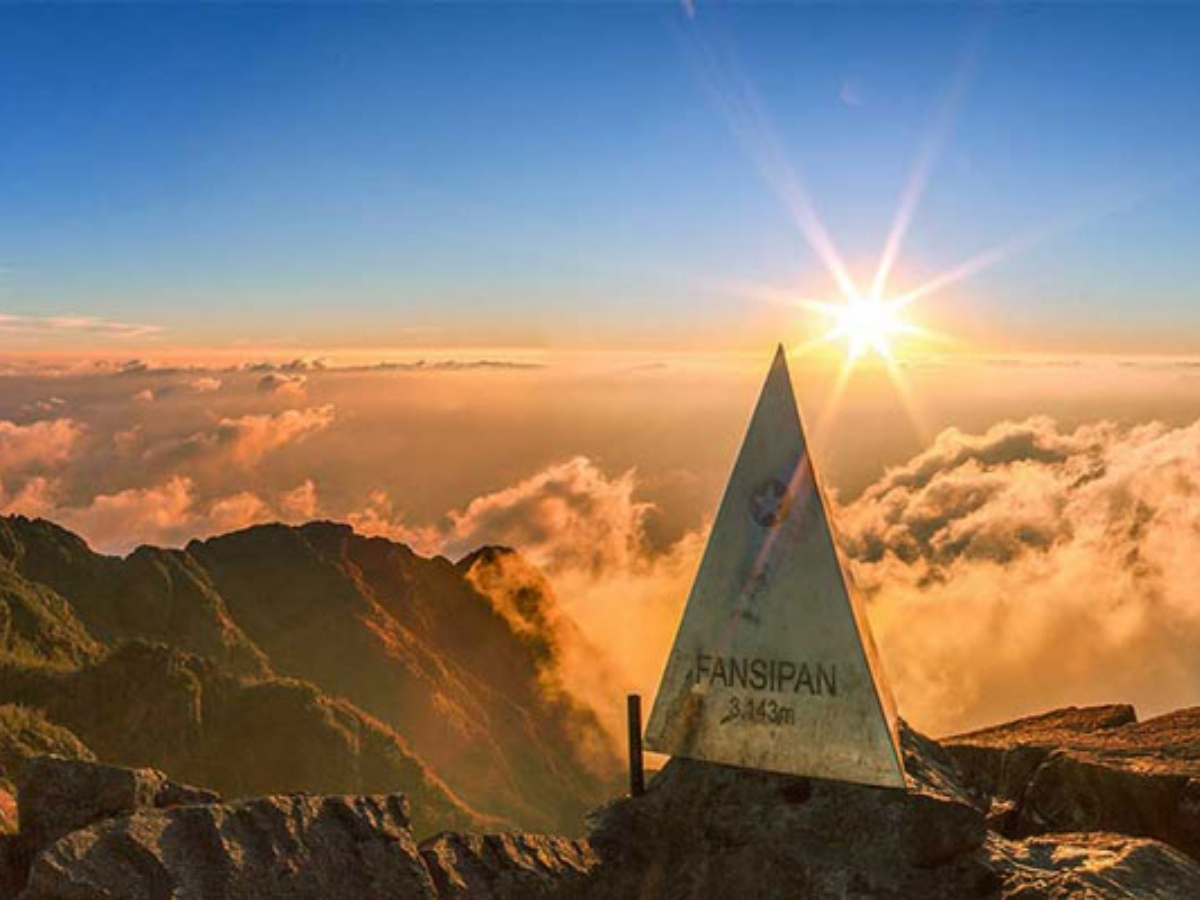
Conquer Fansipan peak with its mountainous scenery and floating sea of clouds. (Source: Collected)
One of the popular choices is to visit the Sun World Fansipan Legend complex. The modern cable car system makes it more convenient for visitors to reach the mountain peak area. From above, the panoramic view of the Hoang Lien Son mountain range appears amidst clouds and mist.
Besides sightseeing, visitors can also explore cultural areas and spiritual spaces on the summit. These structures blend with the winter highland nature. The experience here offers a multi-dimensional perspective on the local scenery and culture.
3.3. Experiencing highland villages in winter
Villages around Sa Pa like Cat Cat, Ta Van, or Lao Chai are where the cultural life of many ethnic communities is preserved. The atmosphere of the villages in winter is tranquil, different from the rice season. This allows visitors to observe the daily lives of the locals more clearly.
Terraced fields in the cold season turn to soft hues, stretching along the mountainsides. The cool air makes the landscape serene and refined. This is a suitable time to feel the slow pace of life in the highlands.
Visiting the villages is also an opportunity to learn about customs and traditional crafts. Visitors can observe the winter activities of the local people. This experience contributes to adding cultural depth to the trip.
3.4. Enjoying hot, characteristic winter cuisine
Sa Pa's winter cuisine is associated with hot dishes, suitable for the cold climate. Salmon hot pot, bamboo-tube rice, smoked buffalo meat, or grilled dishes are familiar choices for many visitors. The rich flavors help keep the body warm in the cold weather.
Restaurants and eateries often have wind-sheltered spaces, creating a warm ambiance. Their central locations around the square or near residential areas facilitate convenient movement. Meals become a time for rest after a day of sightseeing.
Additionally, night markets and small roadside stalls also offer many grilled dishes and hot drinks. The culinary atmosphere blending with the cold mist creates a characteristic Sa Pa winter experience. This is an indispensable highlight of the trip.
4. Suggested 3-day, 2-night Sa Pa Winter Travel Itinerary
On the first day, visitors can arrive in Sa Pa in the morning, check into their accommodation, and rest briefly. The remaining time is suitable for a stroll around the central square, the stone church, and the local market. These gentle activities help visitors acclimatize to the winter weather.
In the afternoon of the first day, the itinerary can include a visit to Cat Cat or Ta Van village. Visitors can learn about local culture while admiring the terraced fields in the mist. Ending the day with a hot meal is a suitable choice.
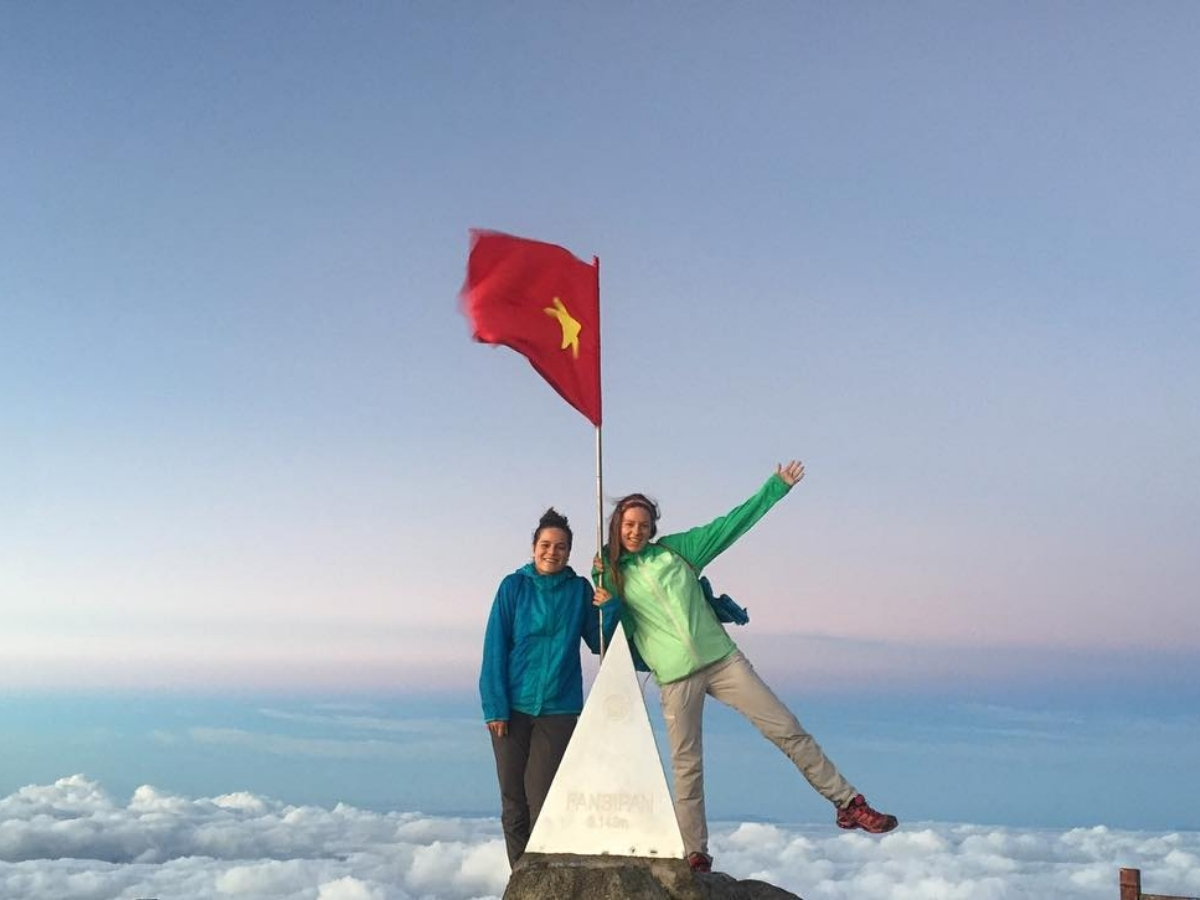
Tourists take souvenir photos by the National Flagpole when traveling to Sa Pa in winter. (Source: Collected)
The second day is usually dedicated to the journey to Sun World Fansipan Legend and visiting the summit area. In the evening, tourists can stroll through the night market, enjoy local cuisine, and feel the atmosphere of the town in the cold season. On the last day, visiting more villages before leaving Sa Pa helps make the journey more complete.
Traveling to Sa Pa in winter 2026 is a choice for those who want to clearly feel the climate and landscape of the Northwest mountainous region. By understanding the weather characteristics and preparing appropriately, the trip becomes easier and more memorable. Hopefully, the above sharing will help you easily plan and enjoy Sa Pa in your own way.
Traveling to Sa Pa in winter 2026 is a journey for those who want to explore the natural beauty of the Northwest mountainous region in the characteristic cold weather. By understanding the weather characteristics, choosing the right time, and having thorough preparation, the trip becomes smooth and brings many memorable experiences. The above experiences hopefully will help you confidently plan and feel Sa Pa in a gentle, complete way.


