




1. An overview of Sapa
Sapa is located in Lao Cai province, in the northwest mountainous region of Vietnam, about 320 km from the capital Hanoi. The area has an average altitude of over 1500 meters, creating a cool climate year-round, with temperatures ranging from 15 to 25 degrees Celsius in summer and potentially dropping below 10 degrees Celsius in winter.
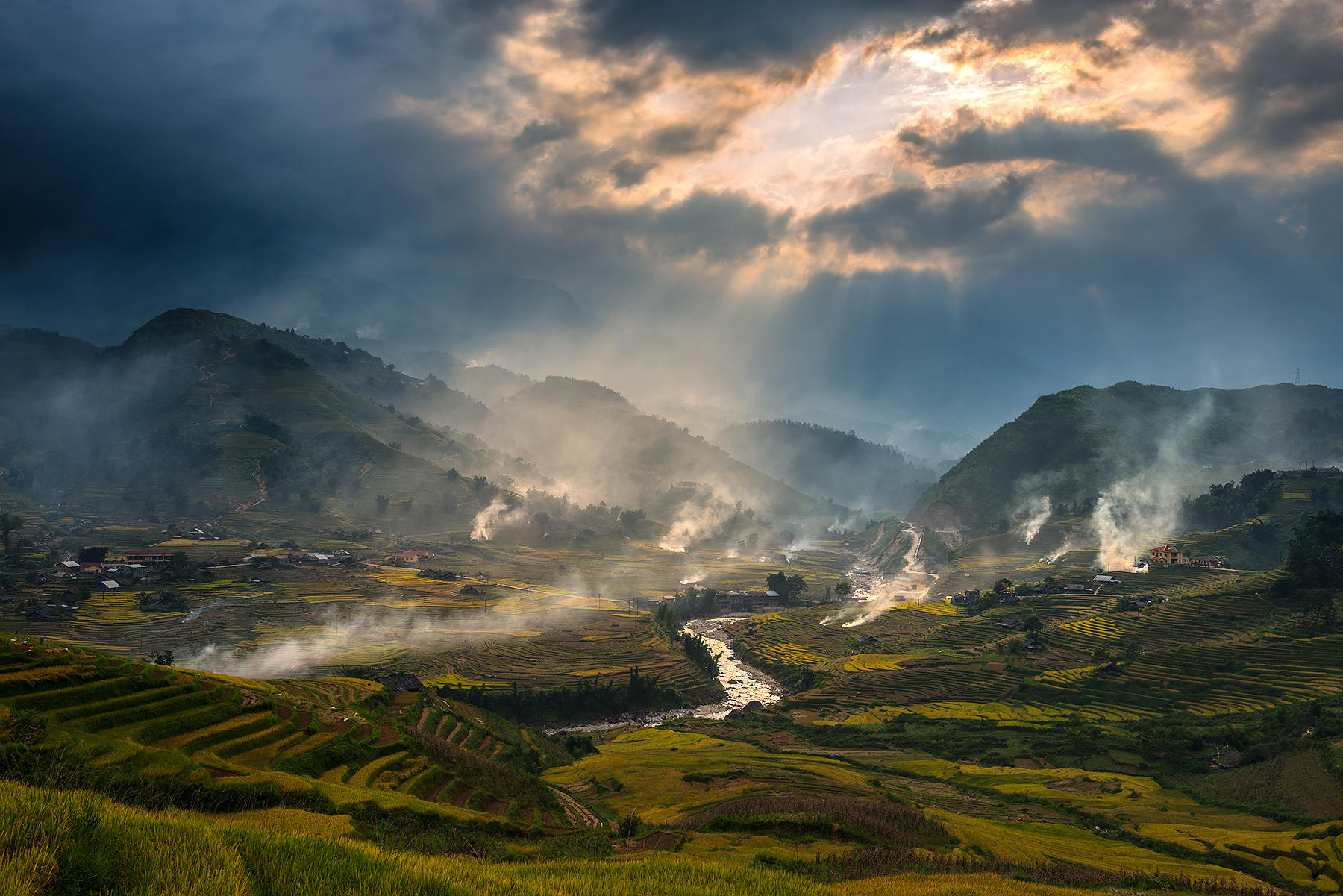
Sapa is famous for its majestic natural scenery and cool climate. (Source: Collected)
Sapa attracts Indian tourists thanks to its blend of nature and culture. The terraced rice fields in Muong Hoa valley are considered one of the most beautiful landscapes in Vietnam, while the villages of the H’mong and Red Dao people offer unique cultural experiences.
Based on travel experience in Sapa, this destination is suitable for both the elderly and children because it doesn't require complicated transportation in the town center and offers many services to support international tourists.
👉 Book Fansipan cable car ticket now!
2. Travel tips for Sapa
The journey to Sapa begins at Noi Bai International Airport in Hanoi. You can fly directly or via layovers from major cities such as Delhi, Mumbai, or Kolkata to Hanoi. Immigration procedures at Noi Bai airport are quite convenient with an e-visa system applicable to many nationalities, saving time during the process.
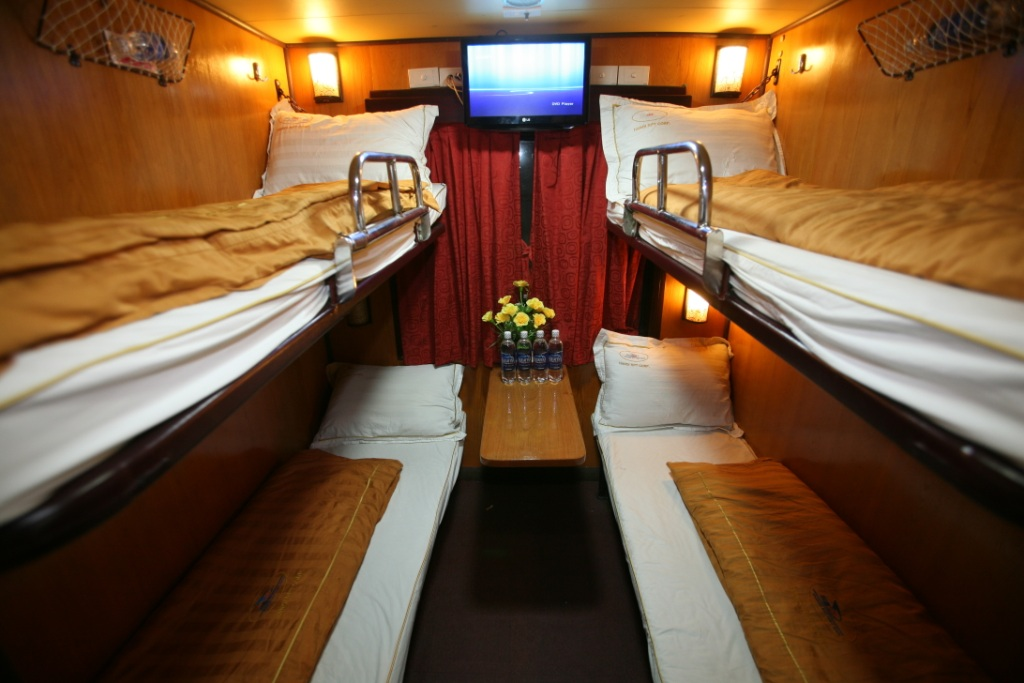
Trains to Sapa offer comfortable and convenient sleeping berths. (Source: Collected)
From Hanoi to Sapa, you have three popular options. The train is a safe and family-friendly one, usually taking 7 to 8 hours from Hanoi to Lao Cai station, followed by a 1-hour drive to the center of Sapa. Sleeper buses are a more economical choice, taking about 6 to 7 hours, and offer overnight trips to save daytime travel time.
Limousine buses are a premium option, offering spacious reclining seats, wifi, and convenient rest stops, making them suitable for families with young children. Based on Sapa travel experience, you should book tickets at least 5 to 7 days in advance during peak season to secure good seats and avoid tickets selling out.
3. The ideal time to visit Sapa
Sapa is a year-round tourist destination, but each season offers a different experience. Spring, from February to April, is when peach and plum blossoms bloom, and the festivals of the ethnic groups are vibrant. This is the ideal time for those who love local culture. Summer, from May to August, is the perfect time to escape the heat. The cool temperatures make it easy for tourists to adapt, and it's also the season when the mountains and forests are lush and green.
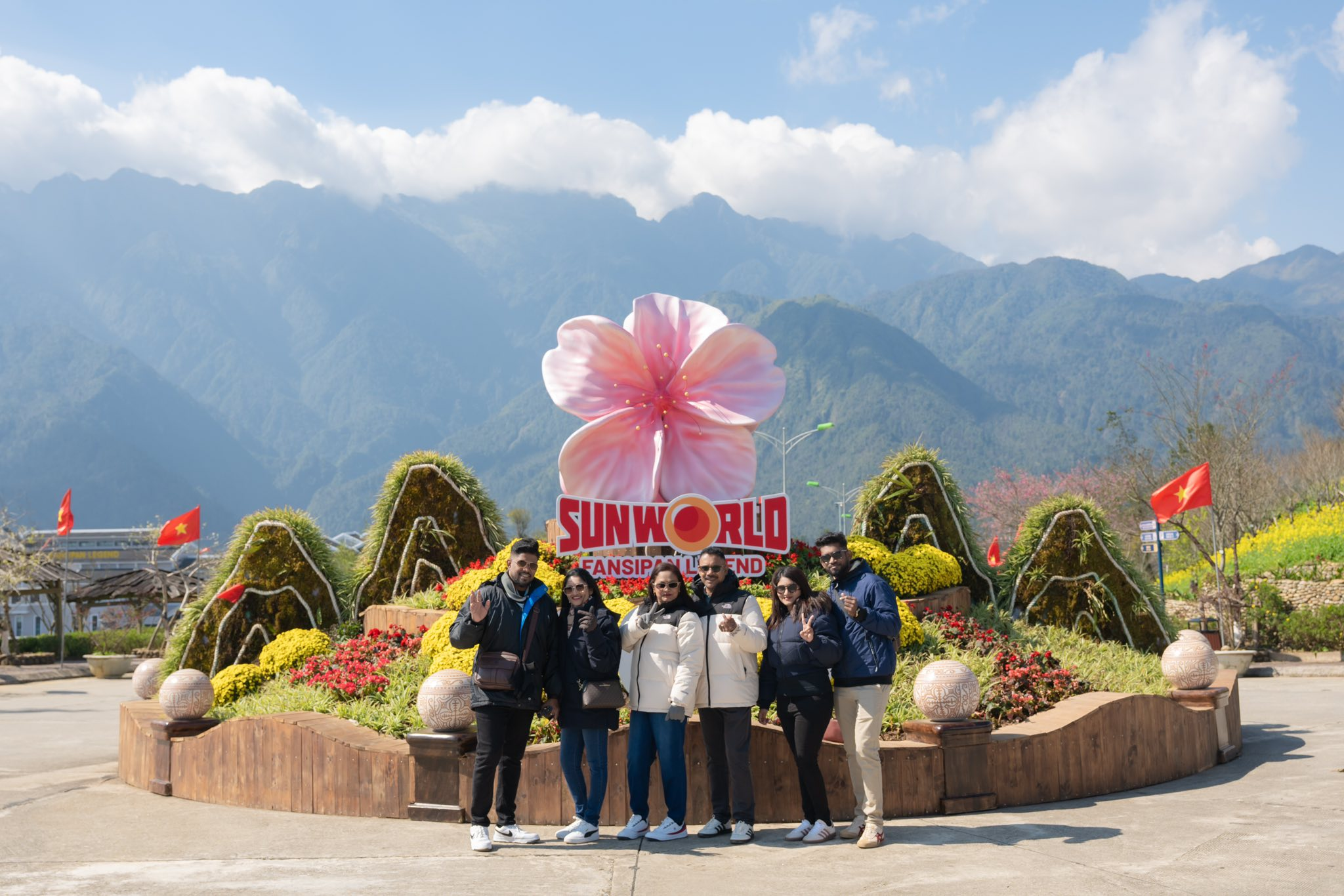
Spring is the time when Sapa is resplendent with flowers blooming all over the mountains and forests. (Source: Collected)
Autumn, from September to October, is the most beautiful time, with golden rice terraces stretching across Muong Hoa valley. This is also the time chosen by many photographers. Winter, from December to February, offers a unique experience of the cold highlands, sometimes with frost or snow, which is very special for Indian tourists.
4. Choosing a hotel and accommodation
Sapa offers a diverse range of accommodation options, suitable for various groups of tourists, especially Indian families who combine relaxation with sightseeing. The central area of Sapa town has many 3-star to 5-star hotels, conveniently located near the stone church, night market, and other nearby attractions.
Among the upscale hotels in the town center, the most prominent is Hotel de la Coupole – MGallery, the only international 5-star hotel in Sapa. Designed by architect Bill Bensley in the French Haute Couture style, this building offers a luxurious atmosphere.
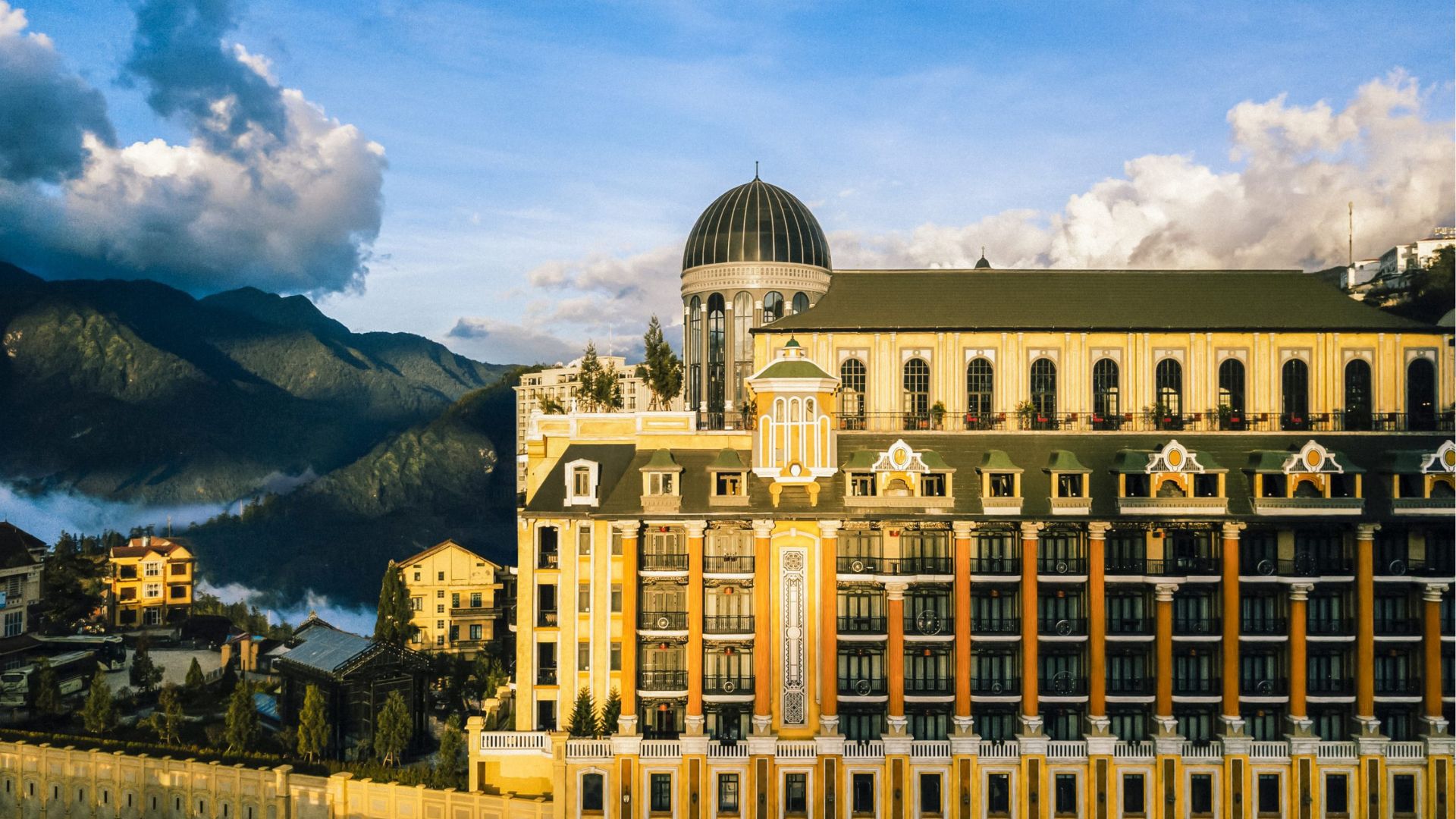
Hotel de la Coupole – MGallery is located at no. 1 Hoang Lien Street, right in the heart of Sapa. (Source: Collected)
Additionally, the central area offers many other qualified options such as: Aira Boutique Sapa Hotel & Spa at no. 30 Hoang Lien Street, Silk Path Grand Sapa Hotel at no. 1 Dong Loi Street, Bamboo Sapa Hotel located near Muong Hoa valley, and Amazing Sapa Hotel in the Muong Hoa area, all conveniently located for travel and sightseeing.
Besides the town center, Sapa also has many resorts and villas located on the outskirts or on the hills, offering a tranquil retreat with mountain and valley views. Some notable locations include Sapa Hills Resort in the Muong Hoa valley, Villa Pink House Sapa near Cau May Street, Dragon Lord Villa near Ham Rong Mountain, Paradise View Sapa on Fansipan Road, and more.
Based on travel experience in Sapa, you should prioritize hotels with flexible dining options, clean, self-contained rooms, adequate heating in winter, and the ability to support vegetarian or beef-free menus to suit your culinary culture. International and high-end hotels in Sapa often meet these criteria well, ensuring a comfortable and safe stay for the whole family.
5. Sapa cuisine for Indian tourists
Sapa cuisine bears the distinct mark of the northwest mountainous region, where the cool climate keeps ingredients fresh and cooking methods preserve their natural flavors. In Sapa's characteristic chilly weather, dishes such as wild vegetable hot pot, fresh mushrooms, or local black chicken are often chosen.
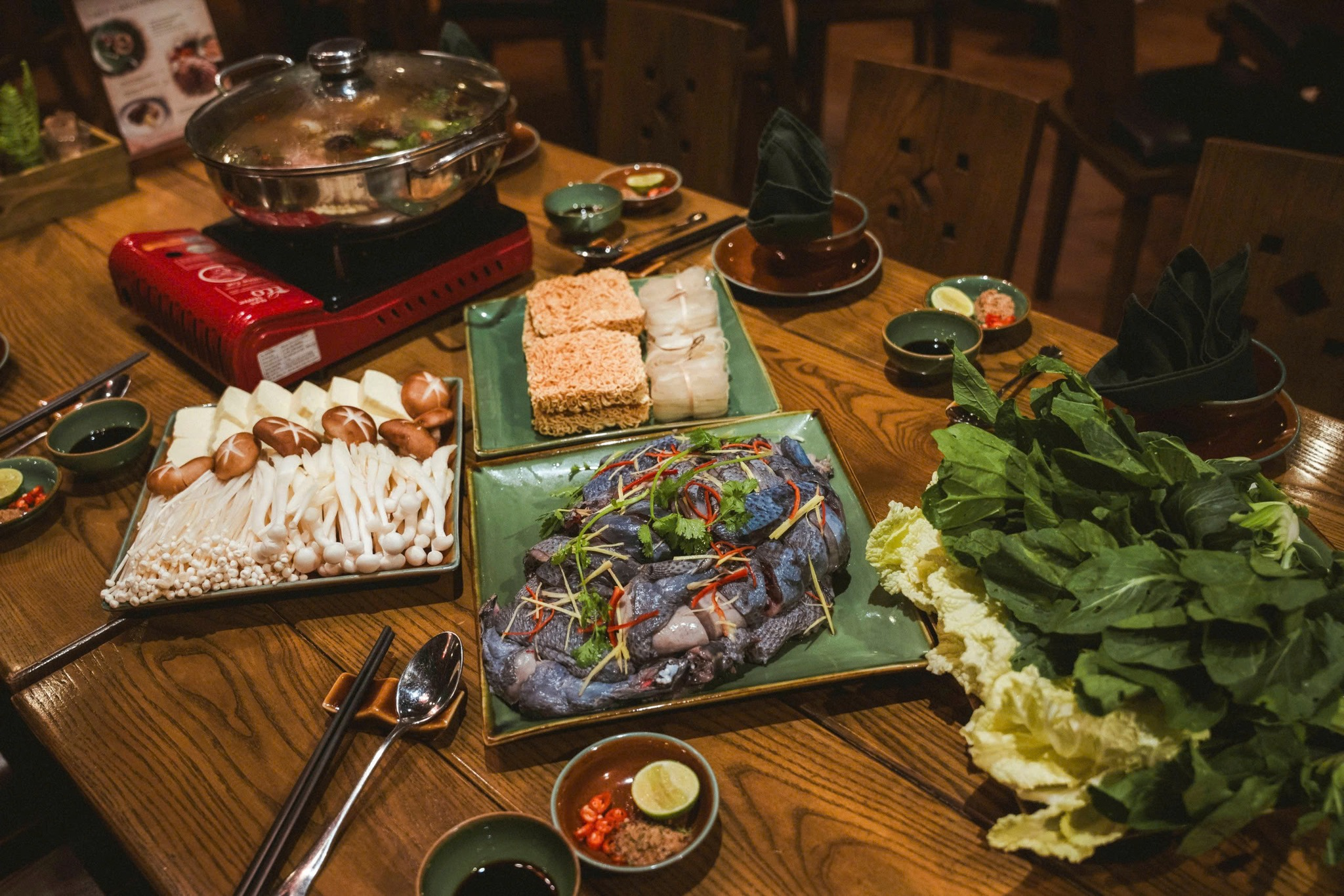
The cool weather is perfect to enjoy the specialty black chicken hot pot. (Source: Collected)
Besides local dishes, Sapa is increasingly diversifying its culinary options to cater to international tourists. Several restaurants have prepared vegetarian and Halal menus, providing Indian and Muslim tourists with greater peace of mind during their trip. A prime example is Sharia restaurant in the Fansipan area, a Halal dining space designed as a subtle blend of local culture and international culinary standards.
6. Notable attractions in Sapa
6.1. Fansipan peak

Tourists check in at the moment of conquering Fansipan peak. (Source: Collected)
Known as the "roof of Indochina" with an altitude of 3,143 meters, Fansipan is a destination that almost every visitor to Sapa hopes to conquer at least once. Thanks to the modern 3-wire cable car system of Sun World Fansipan Legend, the journey to the summit is now much easier, ensuring safety and providing a comfortable experience for the whole family, including the elderly and young children.
Upon reaching the summit of Fansipan, you can explore a complex of prominent spiritual structures such as Bao An Zen Monastery, Thanh Van Dac Lo, Bich Van Zen Monastery, or the majestic Great Buddha Statue amidst a sea of clouds. All of these create a space that is both sacred and magnificent at an altitude of over 3,000 meters.
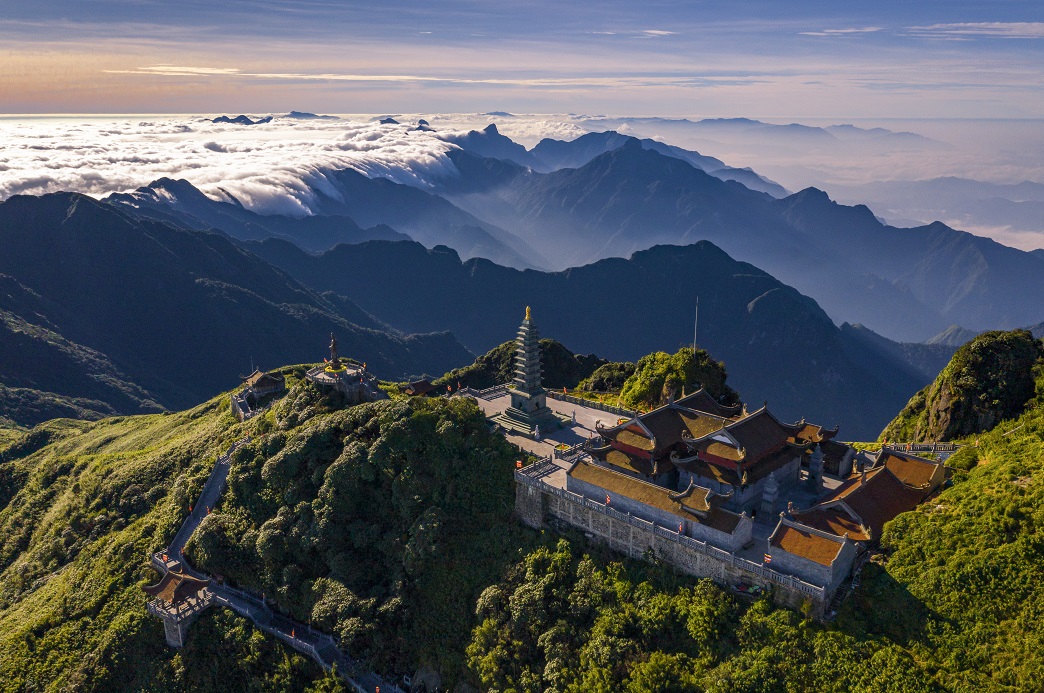
Majestic spiritual structures nestled amidst vast mountains and forests. (Source: Collected)
One of the experiences many tourists love is checking-in at the national flag pole and the landmark at the summit of Fansipan, at 3,143 meters high. Standing amidst a sea of clouds, gazing out at the vast Hoang Lien Son mountain range, will leave an unforgettable impression, allowing you to fully appreciate the majestic and sacred beauty of the Northwest mountains of Vietnam.
6.2 Cat Cat Village
Located about 2 km from the center of Sapa, Cat Cat Village is one of the most famous and oldest H'mong villages. The village retains its rustic charm with traditional wooden houses, winding stone paths, and a lush green valley below. When visiting Cat Cat, you can easily witness traditional activities and crafts such as weaving, indigo dyeing, and metalworking.
6.3 Ta Van Village
Ta Van Village, located in Muong Hoa valley and not far from the center of Sapa, is home to the Giay people and several other ethnic minorities. Compared to the central area, Ta Van offers a quieter and more relaxed atmosphere, making it ideal for tourists who want to combine relaxation with nature experiences.
The area is notable for its terraced rice fields stretching along the mountain slopes and small streams winding through the villages. During the rice harvest season, the entire valley is covered in a warm golden color, creating a scene that is both serene and impressive.
6.4. Sapa museum
The Sapa museum preserves and showcases the history of Sapa's formation as well as the cultural life of the ethnic minorities in the region. The exhibition space provides visitors with an overview of Sapa's development from a small mountainous area to its current renowned tourist destination. It's a suitable stop before exploring the villages, helping you better understand the local culture and people.
Sapa is not only a famous tourist destination in Vietnam but also a journey of experiencing culture, nature, and people full of emotion. With the Sapa travel experiences compiled in this article, Indian tourists can easily plan a safe, convenient, and enriching trip. Whether exploring the majestic Fansipan peak, strolling through peaceful villages, or enjoying the highland cuisine, Sapa always offers memorable moments for every member of your family.


