




1. Vietnamese Currency Overview
The official currency in Vietnam is the Vietnam đồng (VND), symbolized as ₫. Vietnamese money comes in paper and polymer notes ranging from 10,000 VND to 500,000 VND, with no coins in circulation. If large numbers confuse you, simply remove three zeros to simplify calculations. For a quick USD conversion, remove three zeros and divide by 23.
Tip: Be careful with similar-looking bills. The 20,000 VND and 500,000 VND notes both feature blue tones. Double-check before paying.
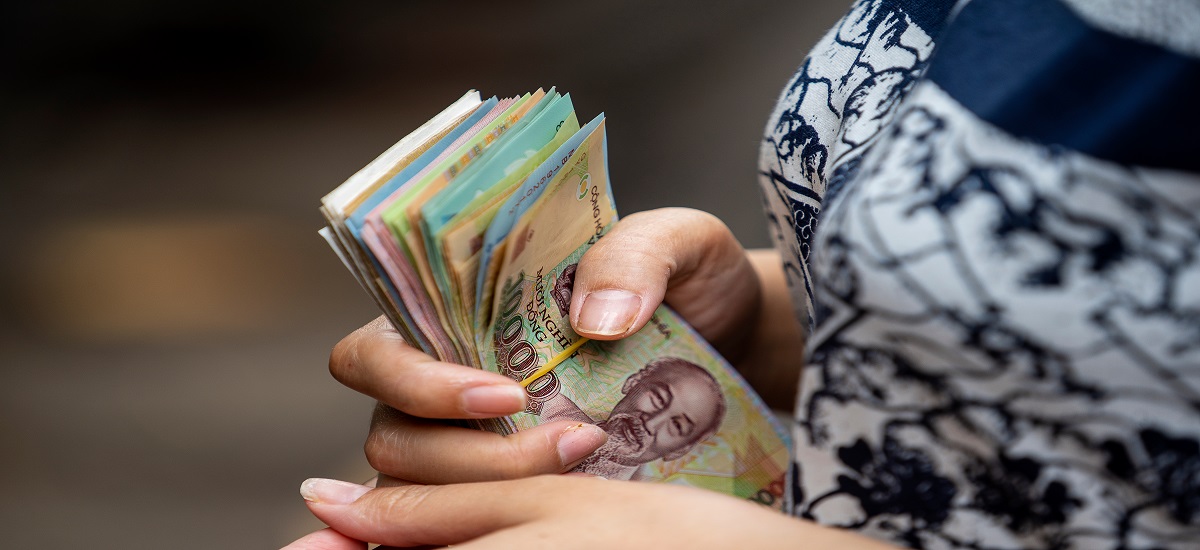
Having cash while traveling to Vietnam is a must. Photo: Collected
2. Cash Withdrawal and Currency Exchange
Upon arrival, having some local cash is essential. All major airports in Vietnam have ATMs outside the arrival areas accepting international cards. ATMs are widespread across cities, and international cards like Visa are accepted at over 20,000 machines nationwide. Typical withdrawal limits are:
- Local bank ATMs: 2–3 million VND (~100–130 USD) per transaction
- International bank ATMs: 5–10 million VND (~215–430 USD) per transaction
- Currency exchange is also available at airport kiosks, hotels, local banks, and tourist areas.
- Tip: Carry extra cash when heading to remote areas or buying crafts and textiles directly from local artisans.
3. Paying by Card in Vietnam
While cash is still common for street vendors and small purchases, most hotels, restaurants, shops, and tour operators accept international credit and debit cards such as Visa. Card payments reduce the need to carry large amounts of cash. Conversion rates and transaction fees depend on your card provider. For major expenses, you can pay directly in advance or on-site using your card.
4. Money Safety in Vietnam
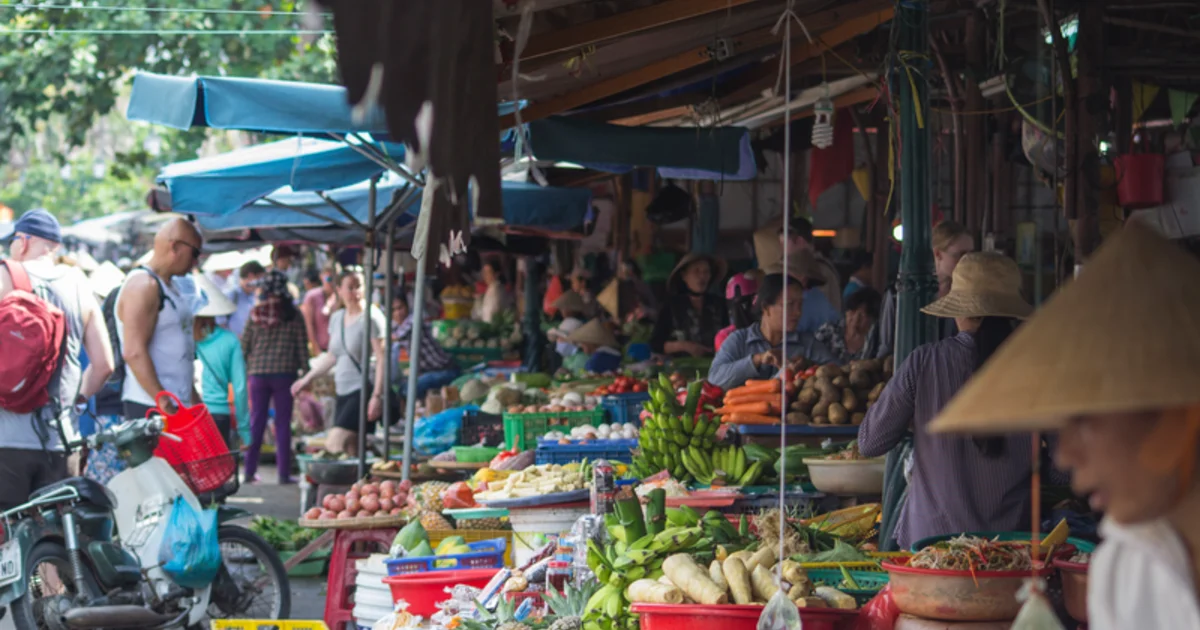
Local markets typically do not accept card payment. Photo: Collected
Vietnam is generally safe for tourists, but basic precautions are recommended. Store cash, cards, and valuables in your hotel safe. Keep wallets and purses close to you, especially in crowded areas. Cards with security features like Visa’s 3D protection help reduce fraud risks.
Tip: Contactless payments via Visa tap are widely accepted in businesses and taxis, providing both convenience and hygiene benefits.
5. Tipping and Shopping Etiquette
Tipping is not mandatory in Vietnam but is appreciated in certain situations, such as beauty salons or private tours. In restaurants and cafés, tipping is optional. Consider local meal costs (30,000–40,000 VND) when deciding on tips.
In markets and tourist shopping areas, bargaining is very common. Compare prices between vendors and negotiate politely to get the best deals.
6. Must visit destinations in Vietnam
Vietnam is a country of remarkable diversity, offering a mix of history, culture, natural beauty, and vibrant city life. From bustling urban centers to scenic coastal towns, each destination provides a unique experience. Here are six top cities you should include in your Vietnam itinerary:
6.1 Phu Quoc
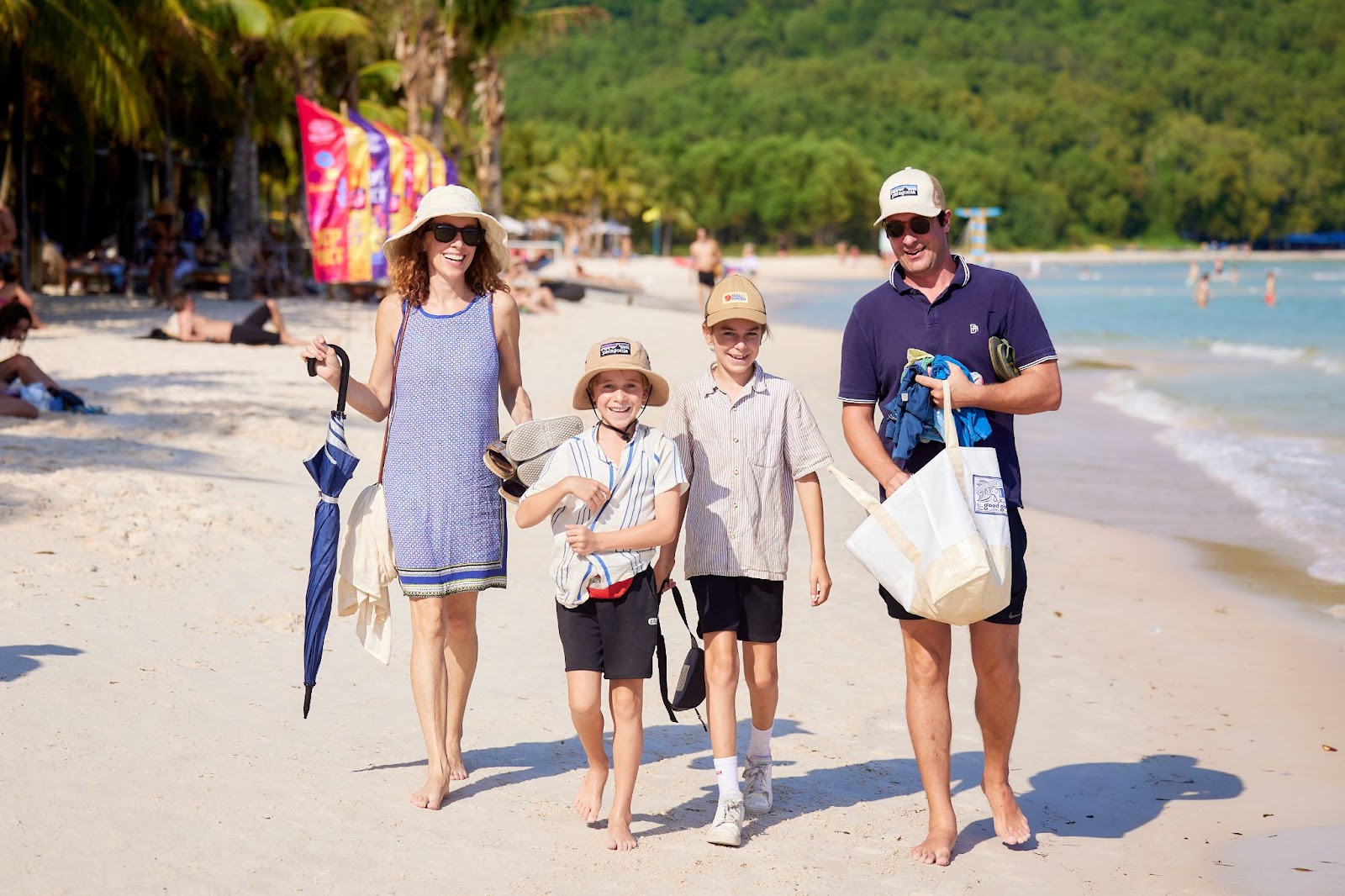
Phu Quoc, often dubbed Vietnam’s “Emerald Island,” has firmly established itself as a world‑class destination combining natural beauty, luxurious resort experiences, and growing global recognition. In 2025, the island continued to attract record numbers of domestic and international visitors, with international arrivals showing strong year‑on‑year growth and expanded flight connections from key markets such as South Korea, Singapore, Hong Kong, and broader Asia. Phu Quoc’s beaches — including Bai Kem and Bai Sao — are ranked among the region’s most beautiful, with clear water, fine sand, and relaxed coastal vibes that appeal to a wide range of travellers. Additionally, the visa‑free policy for many international visitors and expanding airport infrastructure are helping the island transition towards year-round tourism and longer stays.
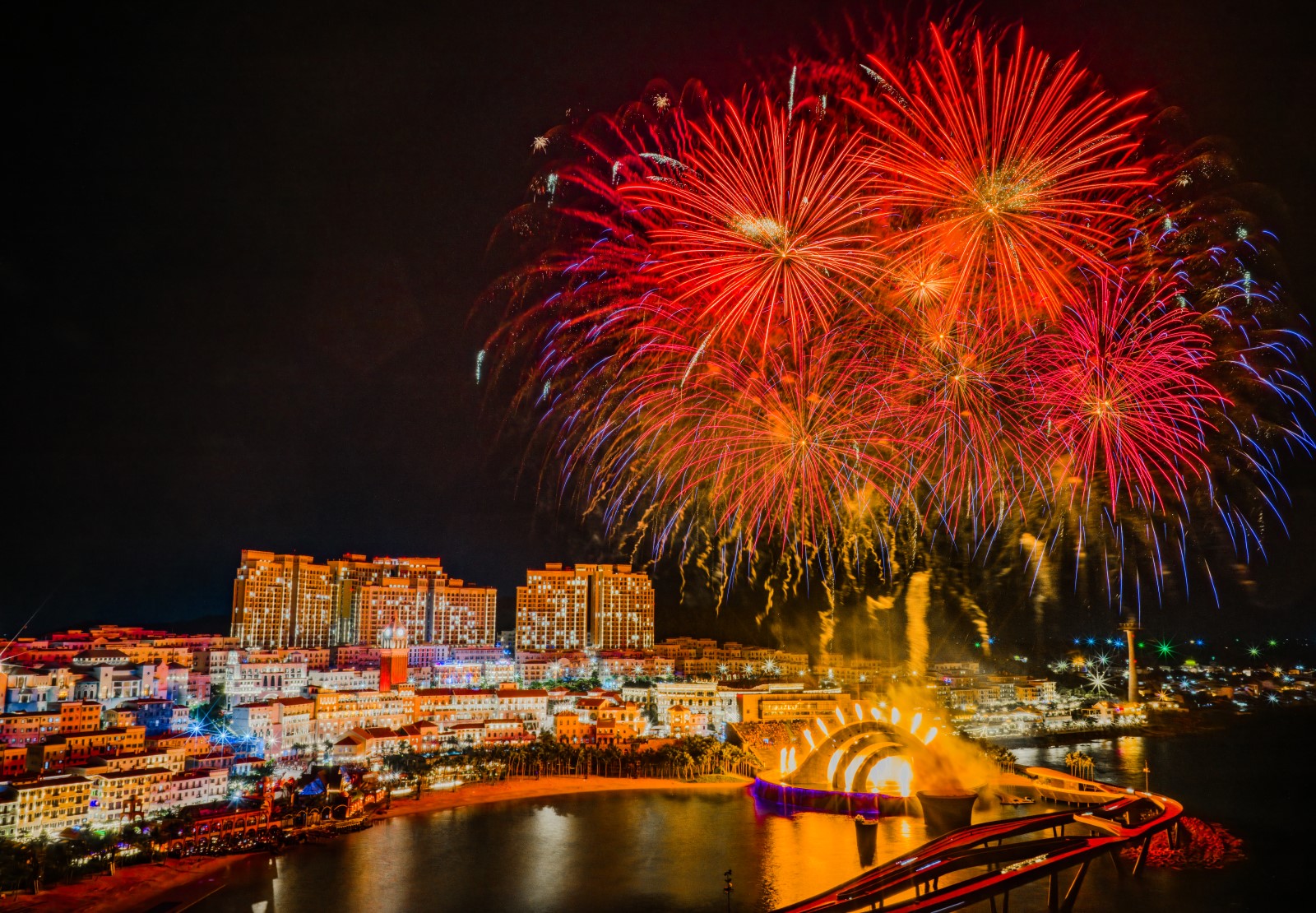
At the heart of Phu Quoc’s diversified attraction ecosystem is Sun Paradise Land PhuQuoc, a major entertainment destination that features the world’s longest three‑wire cable car to Hon Thom Island, the record‑setting multimedia show Kiss of the Sea, and the striking Kiss Bridge and Sunset Town. The Sun World Hon Thom experience blends thrilling rides, panoramic sea views, themed entertainment zones, water parks, and nightly events such as fireworks and festive shows, making it an essential part of the island itinerary. Phu Quoc also offers rich local culture, night markets, seafood dining, diving and snorkeling opportunities, and immersive nature experiences in national parks, ensuring visitors enjoy both relaxation and adventure.
6.2 Da Nang
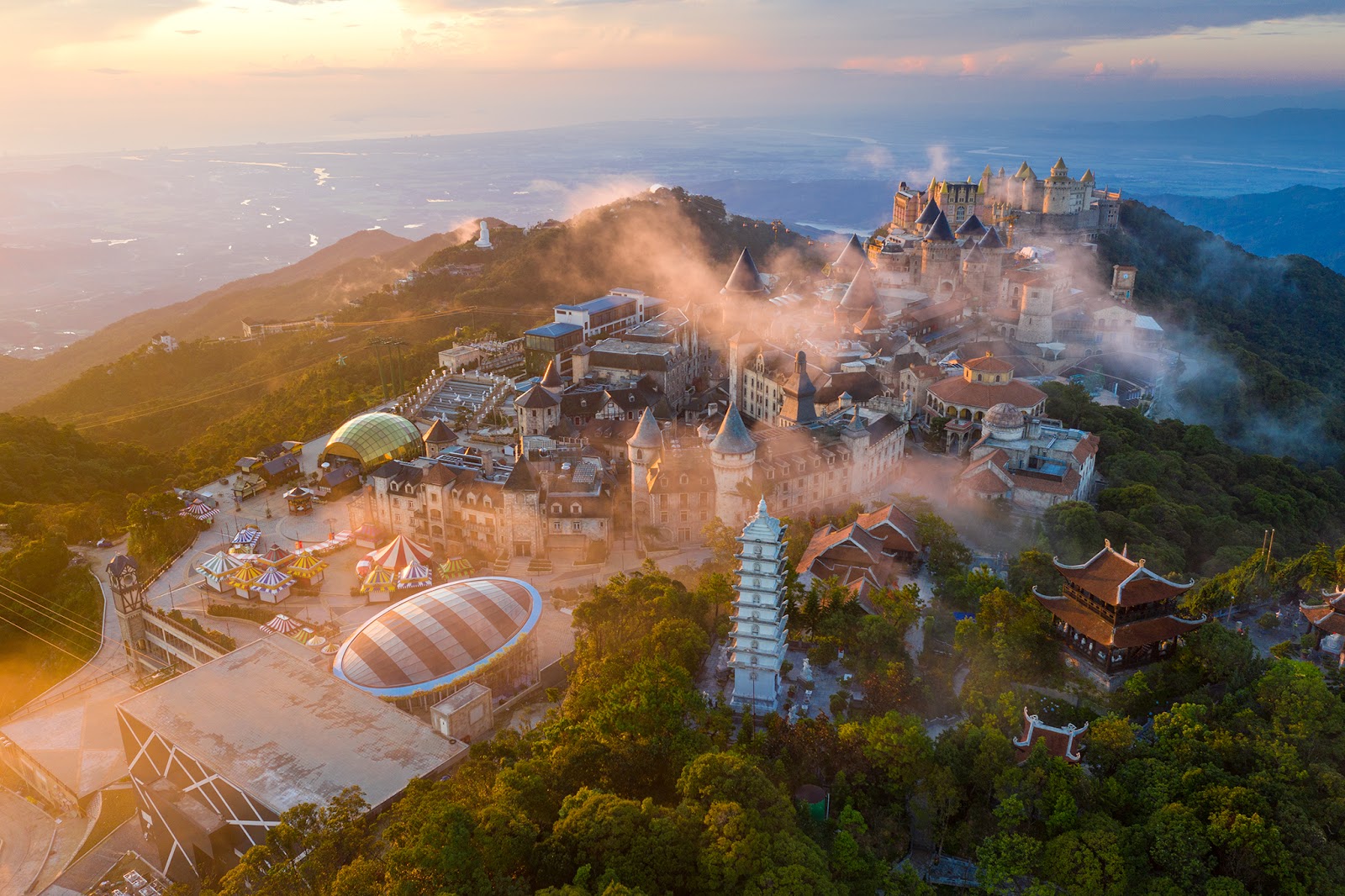
Da Nang is a dynamic coastal city in central Vietnam known for its broad sandy beaches, scenic riverfront along the Han River, and proximity to some of the region’s most iconic attractions. It draws a growing international audience, with nearly 8.7 million visitors in 2024, significantly boosting local tourism revenue and cementing its reputation as a key gateway to Central Vietnam. The city strikes a balance between urban leisure and natural scenery, with popular seaside spots such as My Khe Beach offering swimming and water sports, while nearby Marble Mountains provide opportunities for hiking, panoramic viewpoints, and Buddhist cave temples. Da Nang’s culinary scene, relaxed waterfront promenade, and growing arts and culture offerings make it a lively urban destination for travellers of all interests.
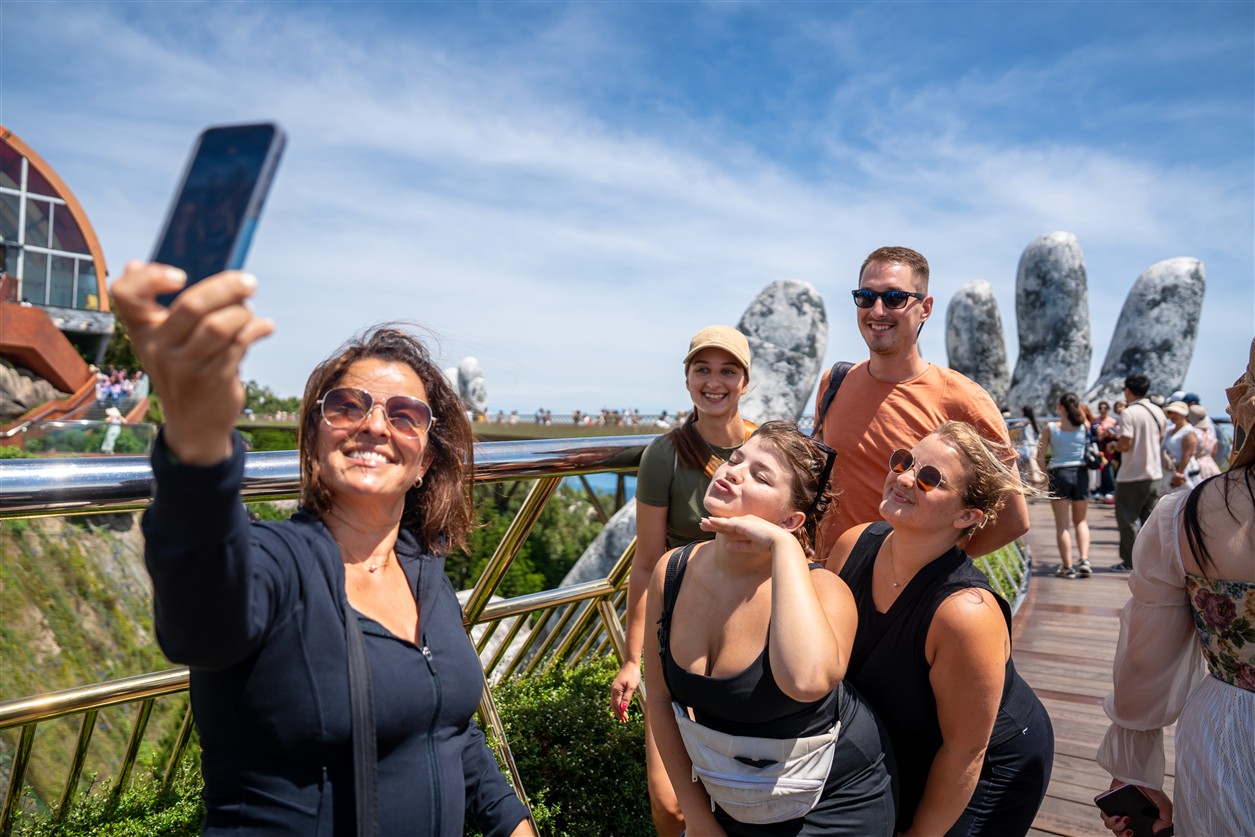
A major reason many visitors plan multi‑day stays in Da Nang is Sun World Ba Na Hills. This Sun World destination has become a flagship attraction for the city, drawing approximately 70 % of international tourists who visit Da Nang specifically to explore its cooler highland entertainment complex. Known for the Golden Bridge, a striking pedestrian bridge held up by two giant stone hands, Ba Na Hills also offers cable car rides, themed gardens, festival shows, and family‑friendly entertainment that appeal to all age groups. The altitude and cool climate provide relief from coastal heat and add a distinct “mountain resort” contrast to Da Nang’s beach vibe. Sun World Ba Na Hills has been a key driver of tourism growth, elevating Da Nang’s profile as a multi‑faceted destination.
6.3 Hanoi
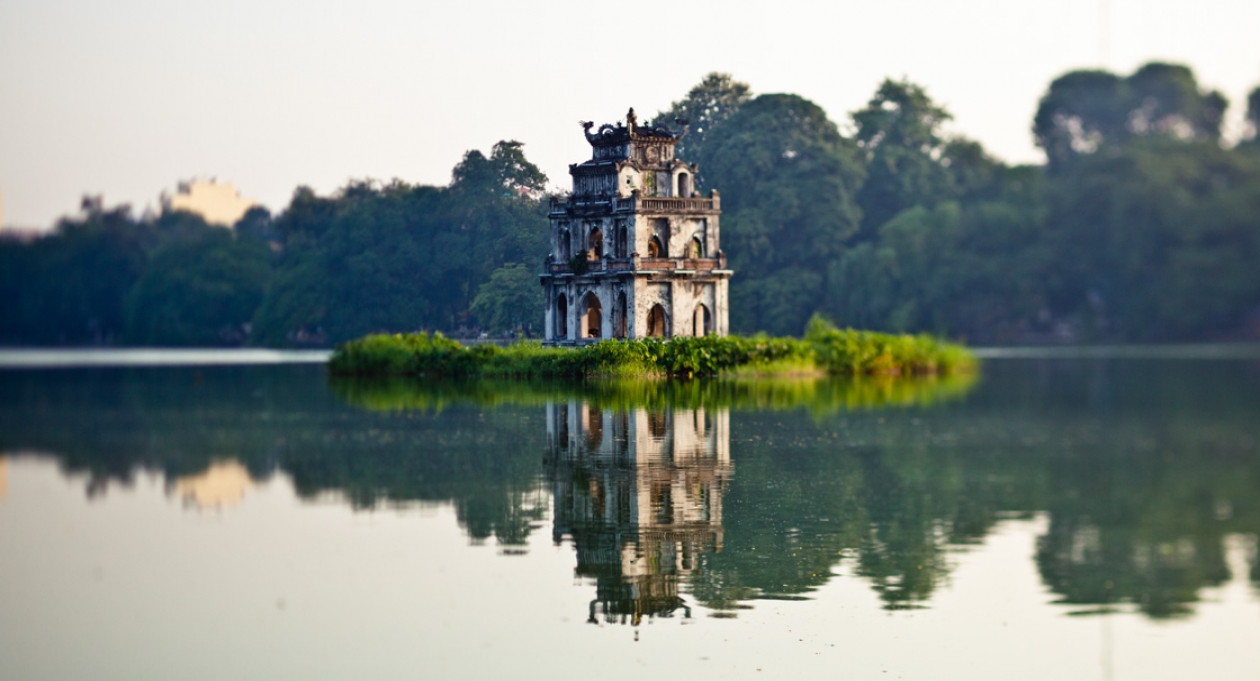
Hanoi, Vietnam’s capital, is a city where antiquity meets modern life, and its cultural depth is a central draw for international travellers. The city’s Old Quarter, with its maze of narrow streets, traditional shopfronts, and bustling markets, immerses visitors in daily Vietnamese life and street food culture. Landmarks such as Hoan Kiem Lake — with its legend‑steeped Turtle Tower and serene pathways — provide calm city retreats amid the urban buzz, while historic sites like the Ho Chi Minh Mausoleum and Temple of Literature showcase Vietnam’s long and varied past. Visitors can also explore traditional water puppet shows and sample iconic local foods such as pho and egg coffee at markets and family‑run eateries. Hanoi’s walkable heritage core and photographic locales make it ideal for deep cultural exploration.
Beyond the central attractions, Hanoi offers a broader range of experiences that reflect its historical status as a crossroads of Southeast Asian and colonial influences. The city’s blend of French-era boulevards, lakeside promenades, and contemporary art spaces creates layers of discovery for visitors on foot or by ride‑hail. Its strategic location also makes Hanoi a hub for exploring the northern highlands and cultural tours, while local festivals and weekend markets add dynamic seasonal experiences.
6.4 Ho Chi Minh City
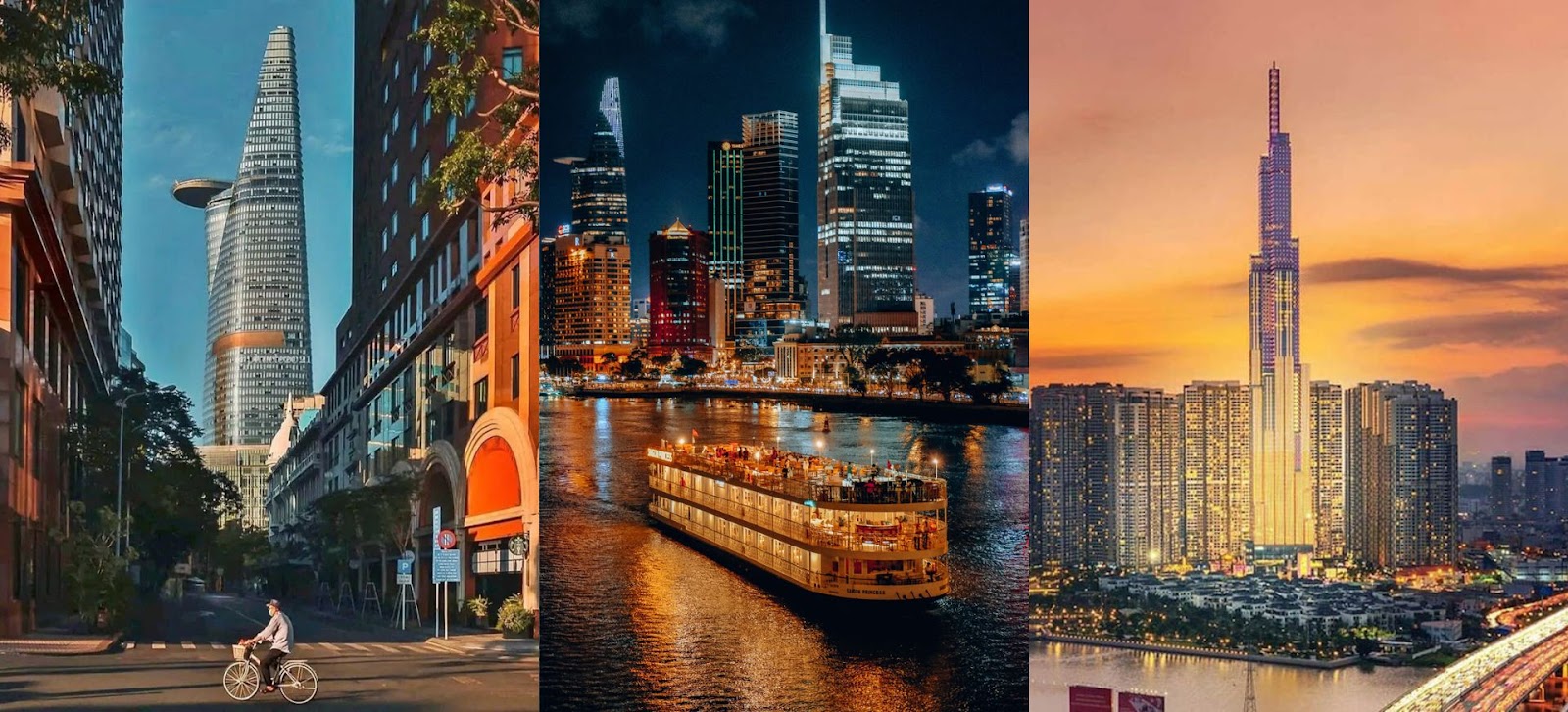
Ho Chi Minh City (HCMC), also known as Saigon, is Vietnam’s largest and most vibrant metropolis, contrasting historical depth with rapid modern growth. In 2025, HCMC continued to lead in tourism receipts, reflecting its role as a dynamic economic and cultural hub. The city’s skyline is dotted with modern skyscrapers, while its streets retain reminders of colonial heritage through sites such as Notre Dame Cathedral and Central Post Office. Cultural and historical insights can be gained at the War Remnants Museum and Reunification Palace, offering perspectives on Vietnam’s 20th-century history and transformation. Strolling through districts such as Bui Vien Street and Pham Ngu Lao Backpacker District showcases lively nightlife, affordable eateries, and international visitor services that make the city popular with a wide range of travellers.
6.5 Ha Long Bay
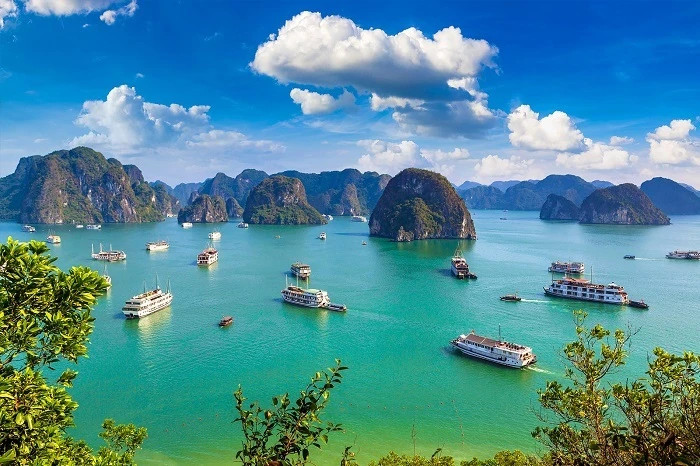
Ha Long is famed for Ha Long Bay, a UNESCO World Heritage site characterized by thousands of limestone islands and karsts emerging from emerald waters, creating one of Southeast Asia’s most iconic seascapes. Cruise experiences, kayak excursions, and cave explorations are popular ways to engage with the bay’s striking topography and tranquil marine environment. Boat tours range from day trips to multi-night journeys, allowing travellers to witness sunrise over the bay and explore hidden grottoes and floating fishing villages. Its scenic beauty is a major factor in Vietnam’s global tourism profile.
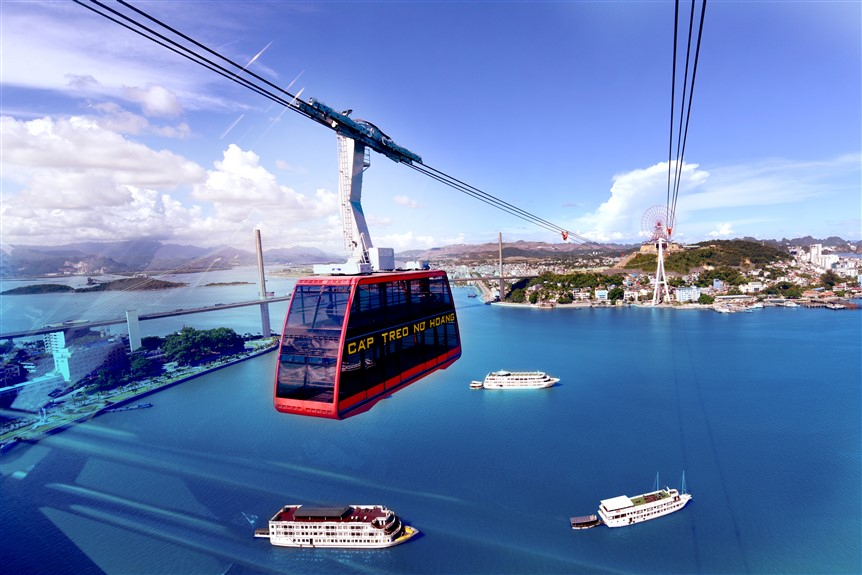
In addition to natural splendor, visitors should not miss Sun World Ha Long, a premier entertainment complex offering cable car rides with panoramic views over the bay and city, adrenaline rides in Dragon Park, water fun in Typhoon Water Park, and the towering Sun Wheel with sweeping landscapes. The park also features landscaped gardens, cultural performances, and photo-friendly spots that blend leisure and family entertainment with the region’s scenic backdrop. Sun World Ha Long has become a compelling complement to the classic bay experience, adding diversified activities for travellers of all ages.
6.6 Sa Pa
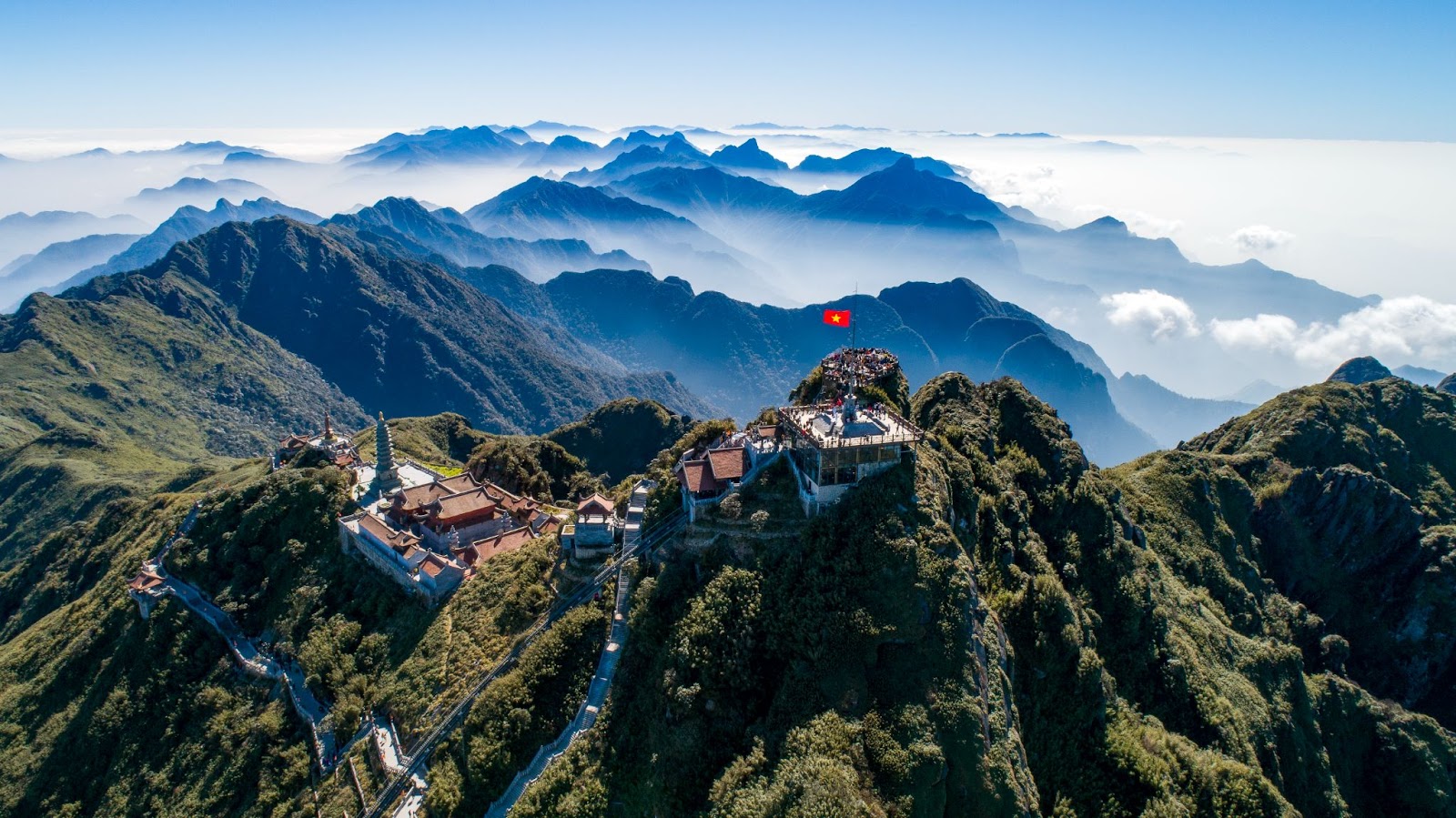
Sapa, nestled in the northern highlands of Vietnam, is celebrated for its dramatic terraced rice fields, cool mountain climate, and rich ethnic minority cultures. Trekking routes wind through villages such as Cat Cat, Lao Chai, and Ta Van, where visitors can encounter traditional lifestyles, hill-tribe markets, and panoramic vistas that shift with the seasons. The cooler temperatures and high-altitude scenery make Sapa a refreshing contrast to Vietnam’s coastal destinations, drawing nature lovers and outdoor enthusiasts throughout the year.
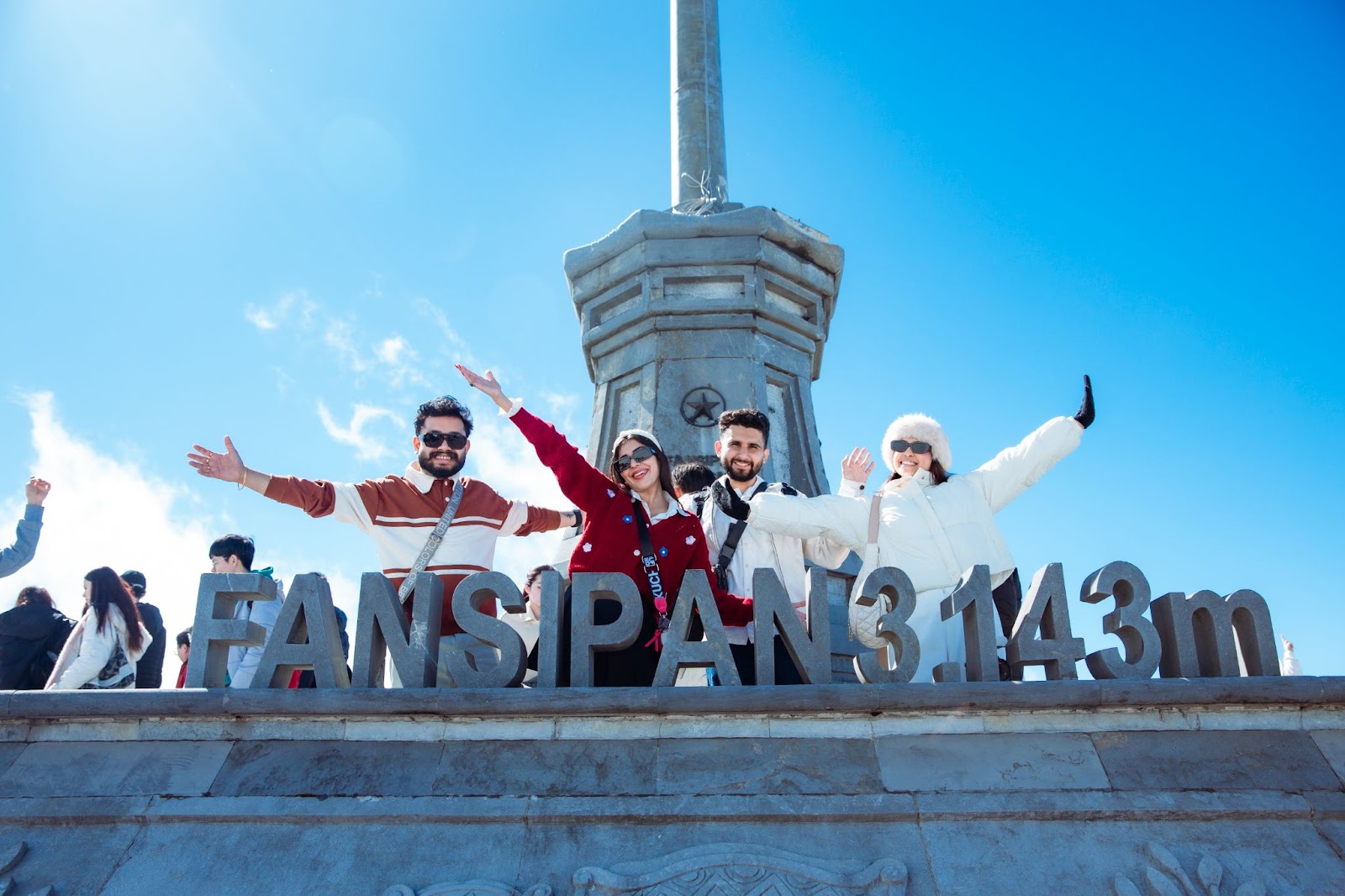
A highlight of the region is Sun World Fansipan Legend, an attraction that provides access to the “Roof of Indochina” via an extensive cable car system. The experience transports visitors high above the Hoang Lien Son range, delivering breathtaking vistas of deep valleys and rugged peaks, and includes spiritual landmarks such as pagodas and meditation sites. Fansipan’s combination of natural grandeur, cultural richness, and accessible high-mountain adventure has positioned Sapa as a must-visit destination for travellers seeking both scenery and cultural depth.
6.7 Tay Ninh
Tay Ninh stands out with Sun World Ba Den Mountain, a destination that perfectly combines majestic mountain scenery, cultural experiences, and modern entertainment. Ba Den Mountain, also known as the “Black Virgin Mountain,” is the highest peak in southern Vietnam at 986 meters, offering breathtaking panoramic views of the surrounding plains and lush forests. Visitors can take the modern cable car system to the summit, which is fast, safe, and scenic, or opt for the hiking trails to enjoy the challenge and explore ancient temples and Buddhist shrines along the way.
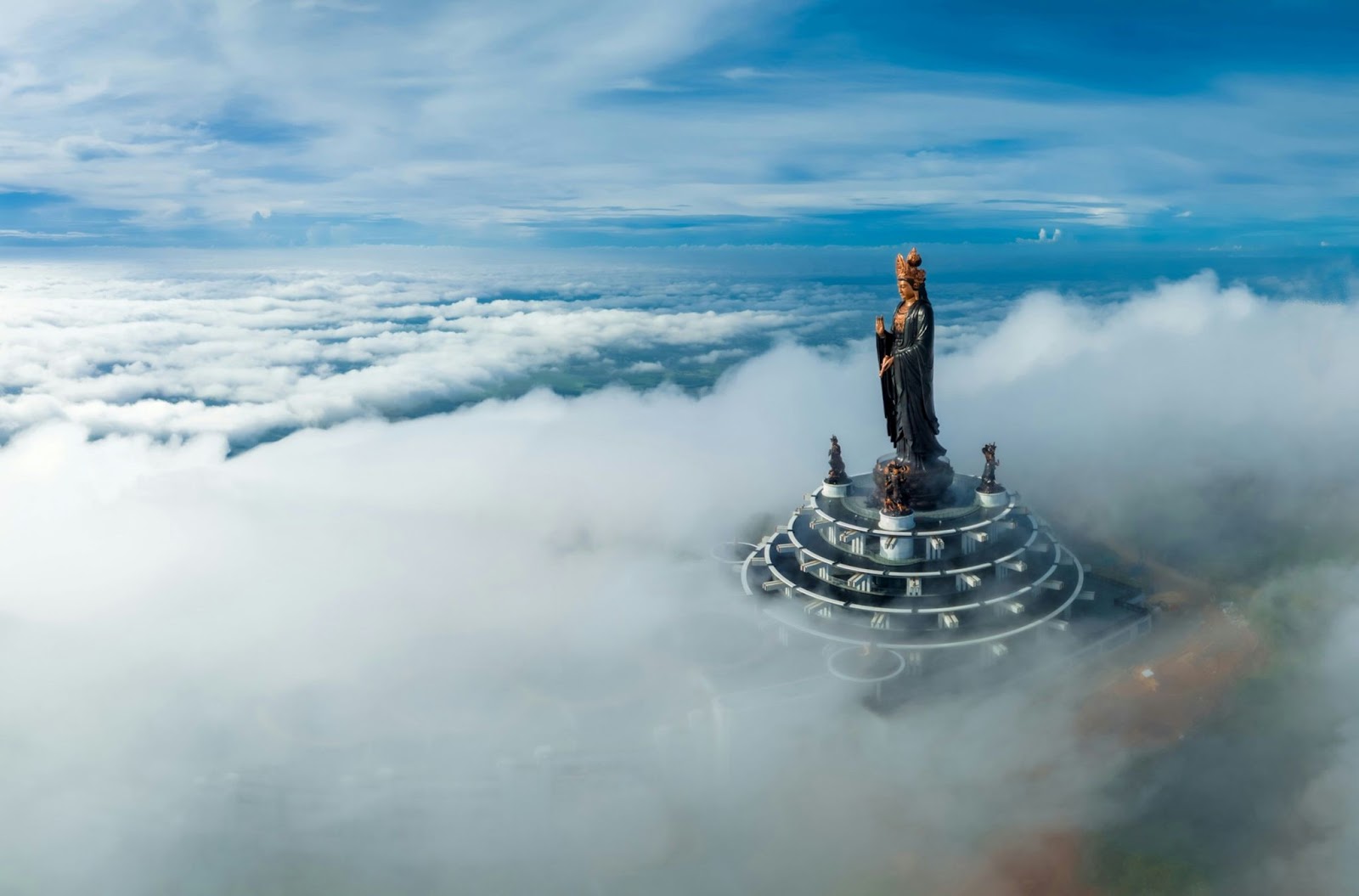
At the summit, Sun World Ba Den Mountain provides a variety of attractions, including spiritual landmarks, entertainment zones, and stunning natural landscapes. Guests can admire Buddhist architecture, join traditional festivities, or capture panoramic photos of the mountain and valleys below. Supporting facilities such as restaurants, cafés, and walking paths make the visit enjoyable for families and groups alike. Tay Ninh – with Sun World Ba Den Mountain – is a must-visit for anyone wanting to immerse themselves in nature, experience rich local culture, and challenge themselves on one of southern Vietnam’s most iconic peaks.
6.8 Nha Trang
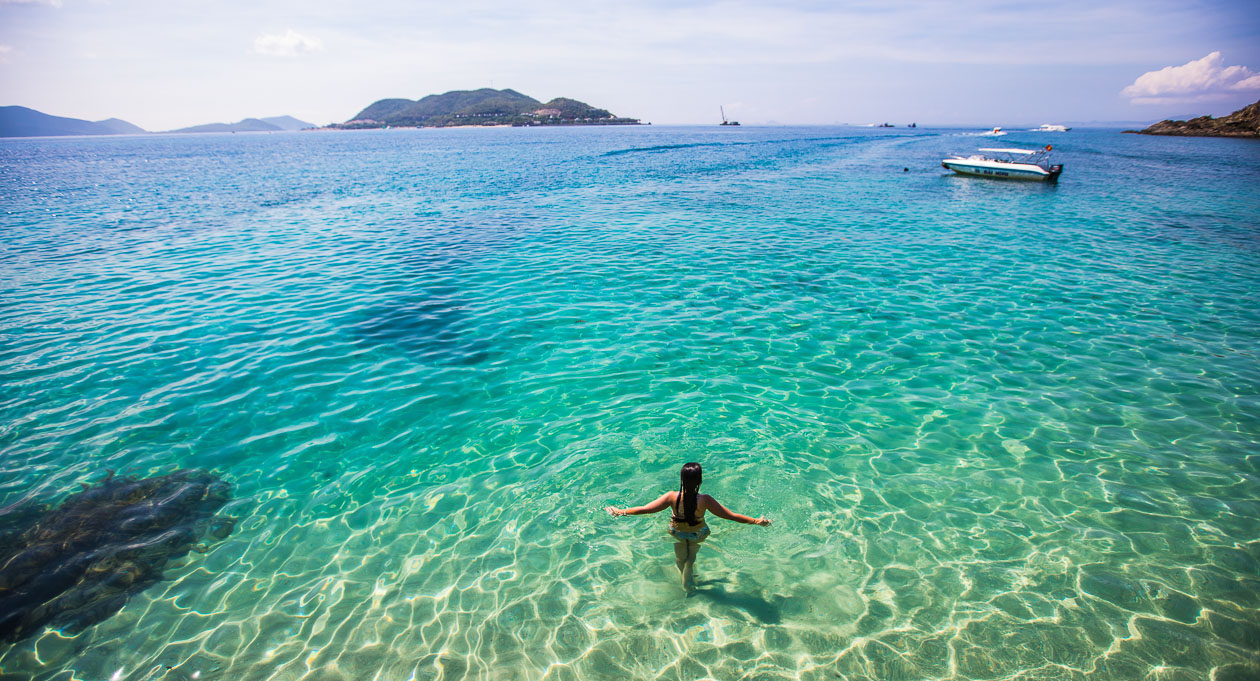
Nha Trang is a renowned coastal city crowned by an expansive bay with golden beaches and vibrant marine life. It remains one of Vietnam’s top beach destinations, attracting families, watersports enthusiasts, and international travellers seeking sun, sea, and aquatic activities. Beyond swimming and snorkeling, Nha Trang’s offshore islands and diving sites offer close-up encounters with reefs and tropical fish, while seafood restaurants and coastal boardwalks enhance the city’s welcoming seaside ambiance. In 2025, the city continued to host music festivals and cultural events that reflect its growing appeal as both a relaxation and event destination.
6.9 Hue
Hue, the former imperial capital of Vietnam, offers profound historical and cultural insights through its grand monuments and preserved relics of the Nguyen dynasty. The Imperial Citadel, a UNESCO World Heritage site, stands as a monumental complex of palaces, gates, and shrines that once served as the political and spiritual heart of the kingdom. Visitors can delve into royal tombs scattered along the Perfume River, each showcasing unique architectural elements and commemorations of past emperors. The serene river setting enhances the contemplative experience of exploring ancient temples and pagodas, making Hue an essential destination for history and culture enthusiasts.
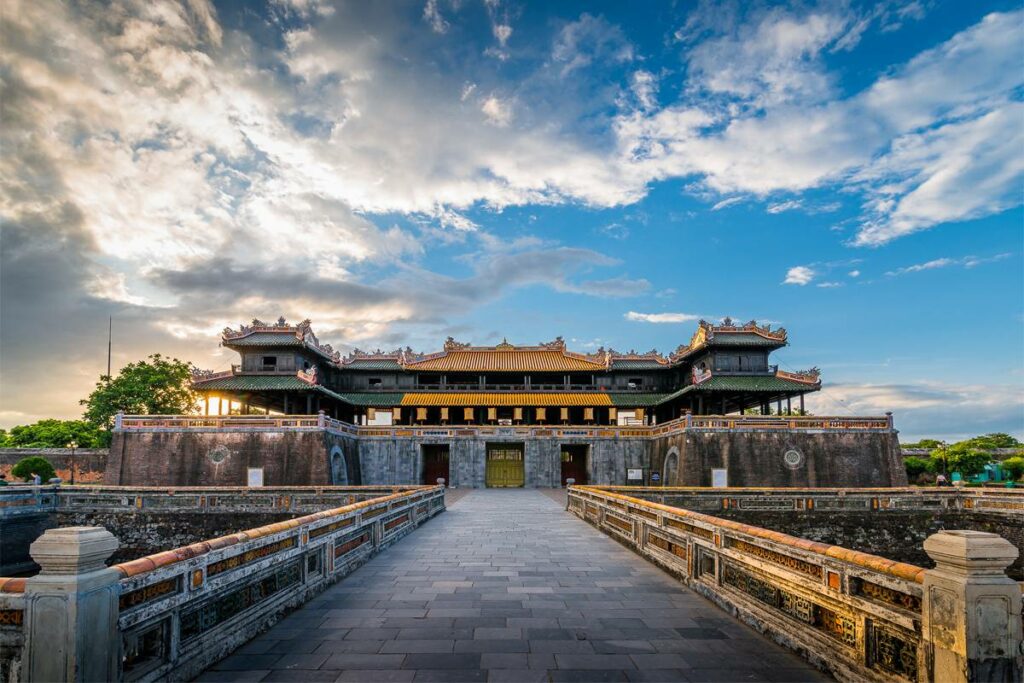
Hue’s cultural offerings extend beyond royal sites to include local markets, traditional craft villages, and regional cuisine that reflects centuries of refinement. The city’s blend of solemn heritage and riverside charm invites leisurely exploration, with opportunities to witness traditional performances or take boat cruises on the Perfume River at sunrise or sunset. Hue’s significance as a center of heritage preservation and its tranquil atmosphere provide a deeper context to Vietnam’s historical narrative, appealing to visitors seeking meaningful cultural immersion.
6.10 Hoi An
Hoi An is a UNESCO World Heritage town whose charm lies in its remarkably preserved streets and architectural richness. The ancient town features a harmonious blend of Vietnamese, Chinese, and Japanese influences, visible in its traditional houses, historic assembly halls, and the iconic Japanese Covered Bridge. The pedestrian-friendly core invites visitors to wander through narrow alleyways, artisan workshops, and quaint cafes, soaking up the atmosphere of a trading port that once connected cultures and goods across Asia. Hoi An’s daytime charm is enhanced by riverside strolls and nearby beaches, while evenings are illuminated by vibrant lantern displays that reflect off the canals.
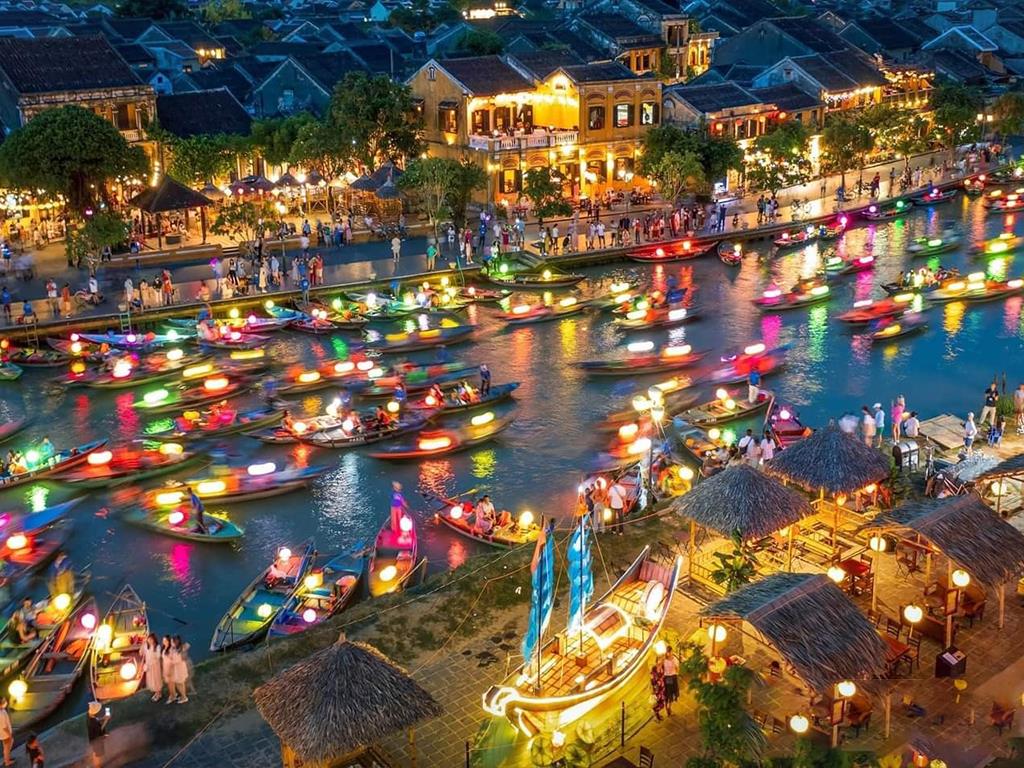
Hoi An also excels in hands-on experiences that connect visitors with local heritage. Cooking classes highlight regional ingredients and culinary techniques, while craft villages offer insights into traditional pottery and textile arts. Its accessible location near coastal areas and the ease of short excursions make it a flexible base for exploring central Vietnam’s broader culture and landscapes. Hoi An’s relaxed pace, combined with aesthetic beauty and deep tradition, appeals to travellers seeking an intimate cultural journey.
Understanding Vietnam’s currency, payment methods, and typical expenses is essential for a smooth and enjoyable trip. By familiarizing yourself with the Vietnam đồng (VND), ATM and card usage, and local pricing, you can confidently manage your budget, avoid unnecessary fees, and make the most of your travel experience.
From bustling cities to beach resorts and cultural landmarks, Vietnam offers experiences for every type of traveller. Whether you rely on cash for street food and markets or use cards for hotels and tours, being prepared ensures peace of mind and convenience throughout your journey. With this Vietnam Currency Travel Guide, you are ready to explore the country efficiently, safely, and with full enjoyment of all that Vietnam has to offer.


