




1. Overview of Phu Quoc visa exemption
The Phu Quoc visa exemption is a special immigration policy that allows foreign travelers to enter and stay on Phu Quoc Island without needing to apply for a Vietnam visa in advance. Under this scheme, eligible international visitors can enjoy a visa-free stay of up to 30 days, provided they fully comply with the entry conditions set by Vietnamese immigration authorities. This policy is one of the most convenient entry options in Vietnam, especially for short-term tourism and leisure travel.
Unlike a standard Vietnam visa that allows access to multiple cities and regions, the Phu Quoc visa exemption is strictly limited to the island itself. This means travelers can enter Phu Quoc directly from international destinations or through approved international transit routes without passing immigration in mainland Vietnam. However, once a traveler enters mainland Vietnam or exits the island through domestic routes, the exemption no longer applies and a valid visa becomes mandatory.
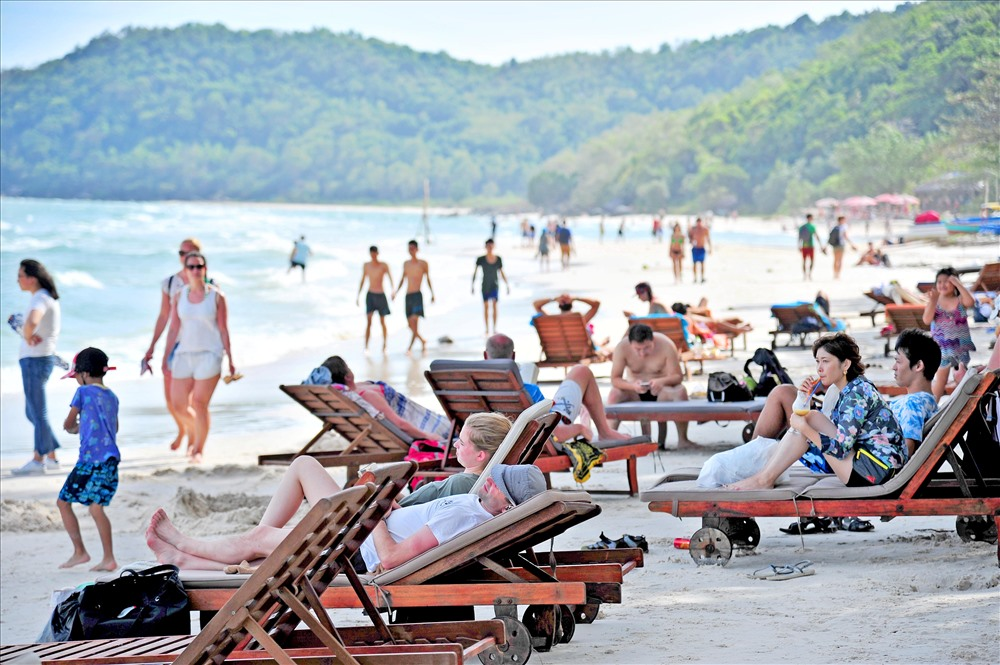
Phu Quoc's visa-free policy attracts many foreign tourists to visit the Pearl Island
The purpose of this policy is to promote tourism development and increase international arrivals to Phu Quoc by simplifying the entry process. As a result, the island has become an increasingly popular destination for travelers seeking a hassle-free tropical getaway. Despite its simplicity, the exemption still functions as a controlled immigration mechanism, meaning entry is not automatic and travelers must meet specific requirements such as valid passport conditions, onward or return travel arrangements, and compliance with immigration regulations.
In practice, immigration officers may conduct basic checks upon arrival to ensure that visitors meet all necessary conditions. This makes it important for travelers to understand the rules clearly before departure. When used correctly, the Phu Quoc visa exemption provides a smooth, efficient, and highly accessible way to experience one of Vietnam’s most attractive island destinations.
2. Phu Quoc visa exemption conditions
2.1. Entry route requirement
To be eligible for the Phu Quoc visa exemption, travelers must strictly enter through approved international routes that qualify under Vietnam’s immigration regulations. The most common and convenient option is a direct international flight landing at Phu Quoc International Airport, where passengers are processed under the visa-free entry mechanism. In addition, certain international sea routes, such as approved cruise ships or ferries, may also be eligible if they are officially recognized as direct entry points to Phu Quoc.
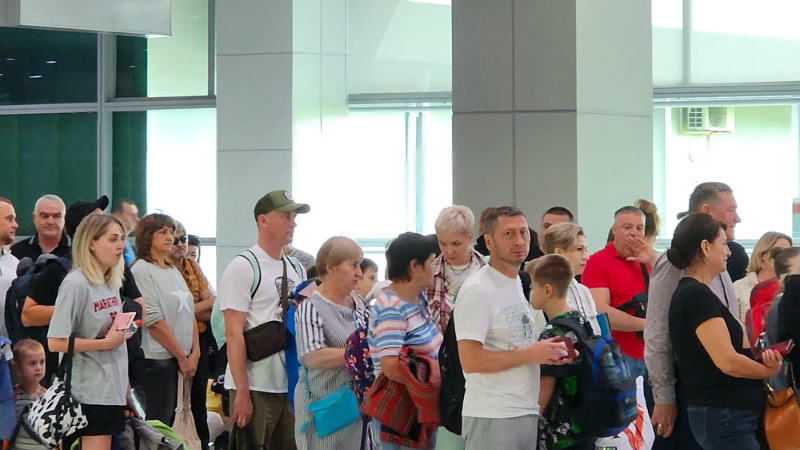
In order to qualify for visa exemption, tourists must primarily visit Phu Quoc
This condition is crucial because the policy is designed specifically for direct island entry, not for domestic transit within Vietnam. If a traveler first lands in mainland Vietnam - such as Ho Chi Minh City or Hanoi - involves immigration clearance, the exemption will no longer apply. In such cases, the traveler must hold a valid Vietnam visa before continuing onward to Phu Quoc. This rule ensures that the exemption remains a controlled and island-specific tourism facilitation policy rather than a general visa waiver for the entire country.
2.2. Passport validity and travel documents
Passport validity is one of the most essential requirements under the Phu Quoc visa exemption conditions. Travelers must hold a passport that remains valid for at least six months from the date of entry. This requirement is strictly enforced, and even minor issues such as damaged pages, insufficient blank pages, or near-expiry passports may lead to denied boarding or refusal of entry by immigration authorities.
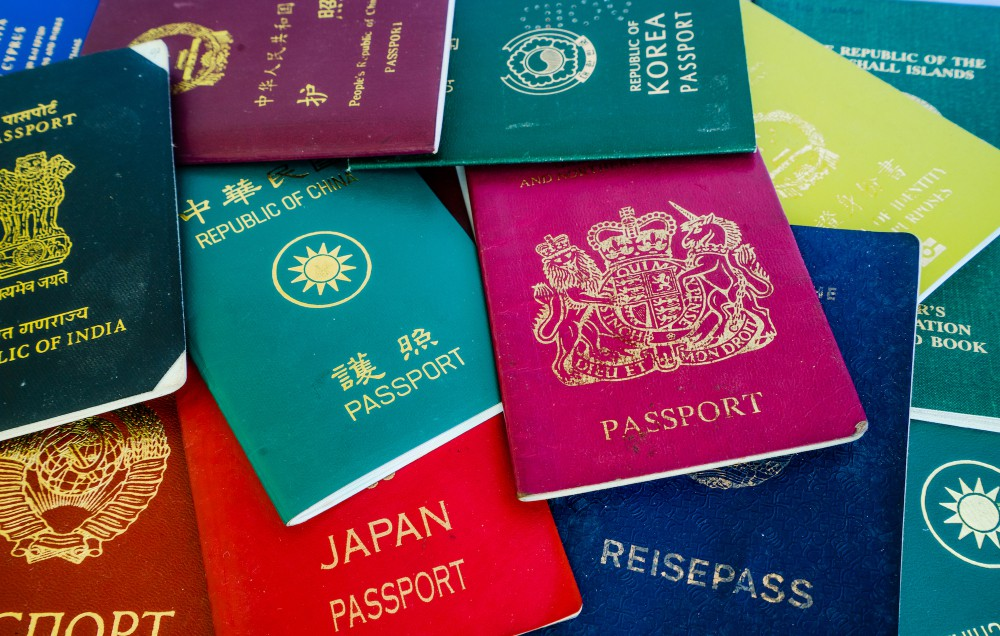
Travelers should carefully check the expiration date of their passports before their flight
In addition to passport requirements, supporting travel documents are often requested to confirm the traveler’s compliance with the 30-day stay rule. A confirmed return ticket or onward ticket to a third country is commonly required to demonstrate clear exit plans. Some airlines or immigration officers may also ask for hotel reservations, travel itineraries, or proof of accommodation on the island. These documents help ensure that the visitor’s stay is purely for short-term tourism purposes and aligns with the conditions of the exemption policy.
Because enforcement may vary depending on the airline or immigration officer, travelers are strongly advised to prepare all relevant documents in advance. Having complete paperwork not only speeds up the entry process but also reduces the risk of complications during boarding or arrival.
2.3. Compliance with immigration regulations
Another key condition of the Phu Quoc visa exemption is full compliance with Vietnam’s immigration and legal regulations. Travelers must not be listed on any immigration blacklist, entry ban list, or subject to any prior violations that could affect admissibility. Vietnamese immigration authorities reserve the right to refuse entry to any individual who is deemed ineligible, even if they meet basic documentation requirements.
Upon arrival, passengers may undergo standard immigration procedures, including identity verification, passport checks, and security screening. In some cases, officers may request additional clarification regarding travel plans, accommodation details, or the purpose of visit. While these checks are usually straightforward, they are an important part of ensuring that the visa exemption is used correctly and for legitimate tourism purposes.
It is also important to note that any attempt to misuse the exemption—such as working illegally or providing false travel information—can result in serious consequences, including deportation or future entry restrictions. Therefore, travelers should ensure that their purpose of visit aligns strictly with short-term tourism.
2.4. Stay limitation within Phu Quoc
The Phu Quoc visa exemption is strictly limited to the territory of Phu Quoc Island, and this geographical restriction is one of the most important conditions of the policy. Travelers are allowed to move freely within the island and enjoy all tourism activities, but they are not permitted to travel to mainland Vietnam under this exemption.
This means that domestic flights, trains, buses, or ferries departing from Phu Quoc to other Vietnamese provinces cannot be used unless the traveler holds a valid Vietnam visa. If visitors intend to explore destinations such as Ho Chi Minh City, Hanoi, Da Nang, or other regions, they must obtain the appropriate visa before departure or before entering Vietnam.
In addition, the exemption is limited to a maximum stay of 30 days, and this duration is strictly enforced. Overstaying even by a short period can lead to administrative penalties, fines, or difficulties in future visa applications. Travelers are strongly encouraged to monitor their stay duration carefully and plan their departure well in advance to avoid any immigration issues.
3. Travel experiences in Phu Quoc under the visa exemption
3.1. Relaxing at famous beaches
One of the most essential experiences for travelers using the Phu Quoc visa exemption is spending time at the island’s world-class beaches. Kem Beach is widely considered one of the most beautiful beaches in Vietnam, known for its fine white sand, clear shallow water, and peaceful atmosphere that is perfect for swimming, kayaking, and photography. The beach is especially popular in the morning when the sea is calm and the light creates a soft, tropical tone ideal for relaxation.
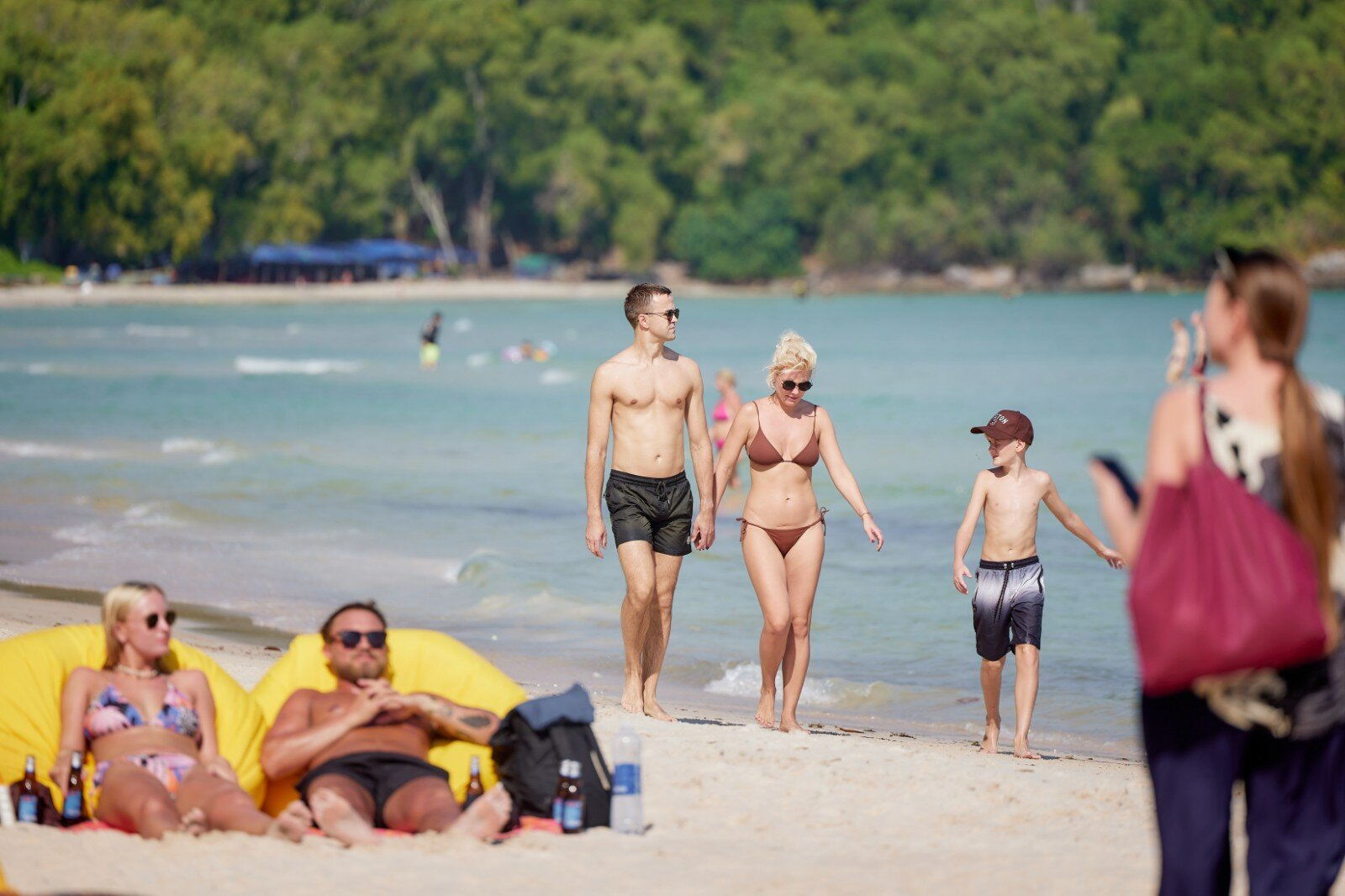
Tourists vacationing at Kem Beach
Long Beach, on the western coast of Phu Quoc Island, offers a completely different vibe with its long coastline, beachfront resorts, and vibrant sunset views. As the sun sets, the sky turns orange and pink, creating a perfect setting for beach bars, romantic dinners, and evening walks along the shore. Many travelers choose to stay in this area because it combines convenience, natural beauty, and entertainment in one place.
3.2. Exploring Sun World Hon Thom
Sun World Hon Thom is one of the most impressive modern attractions on the island, offering a full-day experience that combines transportation, sightseeing, and entertainment. The journey begins with the Hon Thom cable car, which is one of the longest sea-crossing cable car systems in the world. From above, visitors can enjoy panoramic views of turquoise waters, fishing boats, and small islands scattered across the sea.
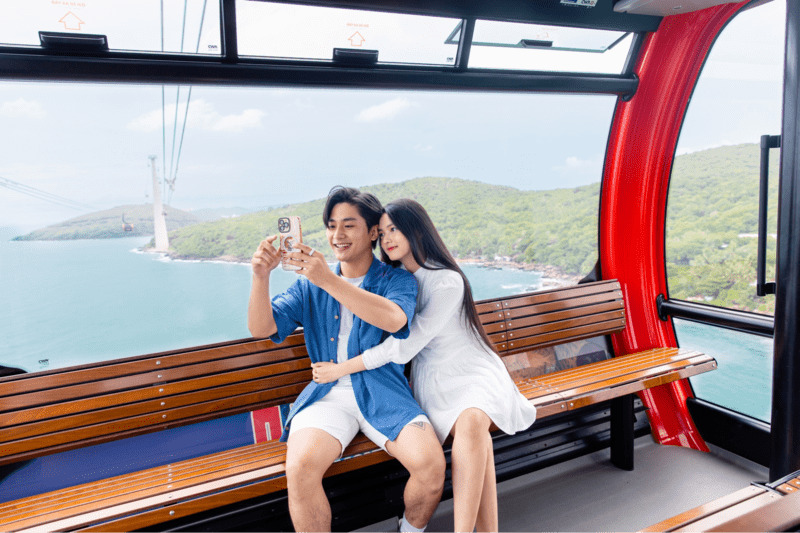
Tourists enjoy the Hon Thom cable car experience
Once arriving at Hon Thom Island, travelers can explore a variety of entertainment zones including water parks, beach areas, and recreational activities suitable for both families and adventure seekers. The combination of natural scenery and well-developed tourism facilities makes this destination a highlight for anyone visiting under the visa exemption policy.
3.3. Experiencing Sunset Town
Sunset Town is a newly developed coastal destination designed with Mediterranean-inspired architecture, colorful buildings, and a strong focus on visual experiences. The area is especially famous for its oceanfront promenade, where visitors can walk along the sea, take photos with artistic backdrops, and enjoy uninterrupted views of the horizon. The atmosphere is calm during the day but becomes highly vibrant in the late afternoon as tourists gather to watch the sunset.

Tourists were overwhelmed by the dazzling fireworks display
At night, Sunset Town transforms into an entertainment hub with light shows, street performances, restaurants, and cafes. One of the most popular highlights is the “Kiss of the Sea” show, which combines water effects, lighting technology, music, and storytelling to create a large-scale performance. This area has quickly become one of the most iconic lifestyle and entertainment destinations on Phu Quoc Island.
3.4. Discovering Phu Quoc National Park
Phu Quoc National Park is a major ecological attraction that covers a large portion of the island and protects its rich biodiversity. The park features dense tropical forests, mountain trails, and natural streams, making it an ideal destination for trekking, hiking, and eco-tourism activities. Visitors can explore designated trails that lead deep into the forest, where they may encounter unique flora and fauna.
The atmosphere inside the park is completely different from the beach and entertainment areas, offering a quiet and refreshing escape into nature. It is especially suitable for travelers who enjoy outdoor activities and want to experience the untouched side of Phu Quoc Island beyond its developed tourist zones.
3.5. Visiting local fishing villages and pepper farms
For a more authentic cultural experience, travelers can visit traditional fishing villages such as Ham Ninh, where life remains closely connected to the sea. Here, visitors can observe local fishermen bringing in fresh catches early in the morning and enjoy seafood meals served directly at floating or seaside restaurants. The experience offers a glimpse into the island’s traditional way of life before it became a major tourist destination.
In addition, Phu Quoc is well known for its pepper farms, which produce some of the finest pepper in Vietnam. Visitors can tour these farms to learn about the cultivation process, from planting to harvesting and drying. Many farms also offer tasting sessions and sell locally produced pepper products as souvenirs. Together, these cultural experiences add depth and authenticity to a trip under the visa exemption, making the journey more than just a beach holiday on Phu Quoc Island.
3.6. Enjoying island-hopping and sea activities
Another highlight of traveling under the Phu Quoc visa exemption is the opportunity to explore the surrounding islands through island-hopping tours. These excursions typically take visitors to small, untouched islets around Phu Quoc Island, where crystal-clear waters, coral reefs, and quiet beaches create a completely different atmosphere from the main island. Popular stops often include Hon Mong Tay, Hon Gam Ghi, and Hon May Rut, depending on sea conditions and tour routes.
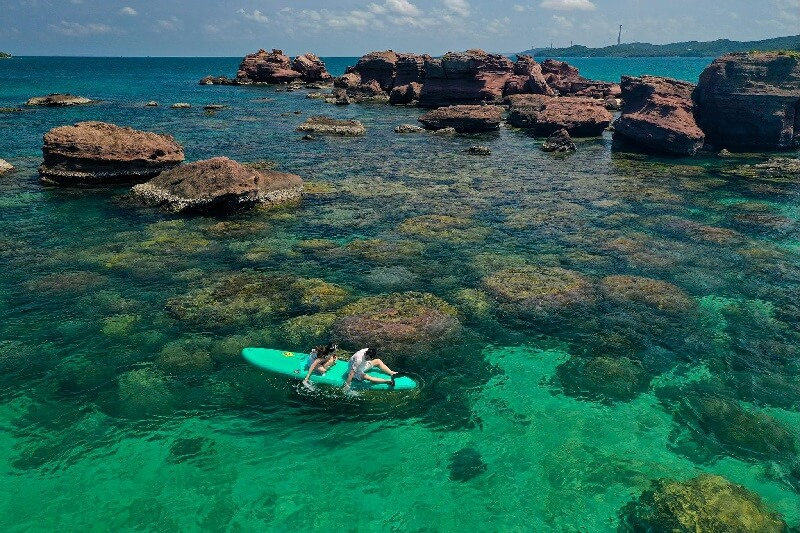
Tourists experience a 3-island tour in Phu Quoc
During these island tours, travelers can enjoy snorkeling to observe colorful coral reefs and marine life, swimming in shallow turquoise waters, or simply relaxing on secluded beaches with very few tourists. The calm and unspoiled environment makes these islands ideal for photography and peaceful leisure activities, especially for those looking to escape crowded tourist areas.
In addition to island-hopping, many tours also include sea activities such as kayaking, stand-up paddleboarding, and fishing experiences with local guides. These activities allow visitors to interact more closely with the marine environment and enjoy the tropical sea in a more active way. Combined with the main attractions on the island, these experiences make Phu Quoc a well-rounded destination for both adventure and relaxation under the visa exemption policy.
The Phu Quoc visa exemption conditions provide a convenient way for international tourists to access one of Vietnam’s most attractive island destinations without complicated visa procedures. By meeting the required entry conditions, travelers can enjoy a smooth arrival process and explore a wide range of natural, cultural, and entertainment experiences across Phu Quoc Island.
However, it is essential to understand the limitations of the policy, especially the strict 30-day stay rule and the restriction to island-only travel. Careful preparation and compliance with immigration requirements will help ensure a hassle-free journey and a fully enjoyable travel experience on the island.


