




1. Do Indian tourists need a Vietnamese visa to visit Phu Quoc?
Indian tourists do not need a visa if they only visit Phu Quoc and stay for a maximum of 30 days, provided they meet all entry requirements. This visa exemption policy applies to foreigners visiting Phu Quoc, saving tourists time and the cost of applying for a visa before their trip. Upon arrival, you must bring a valid passport and other necessary documents as required by regulations to complete procedures at the airport.
If the itinerary focuses solely on Phu Quoc, you can enjoy your vacation without paying visa fees. However, if you wish to include Hanoi, Ho Chi Minh City, Da Nang, or other locations in Vietnam, you need to check entry requirements and prepare the appropriate visa. Therefore, determining the itinerary from the outset will help you know the exact cost of a Vietnamese visa for Indian tourists to Phu Quoc and proactively prepare for your trip.
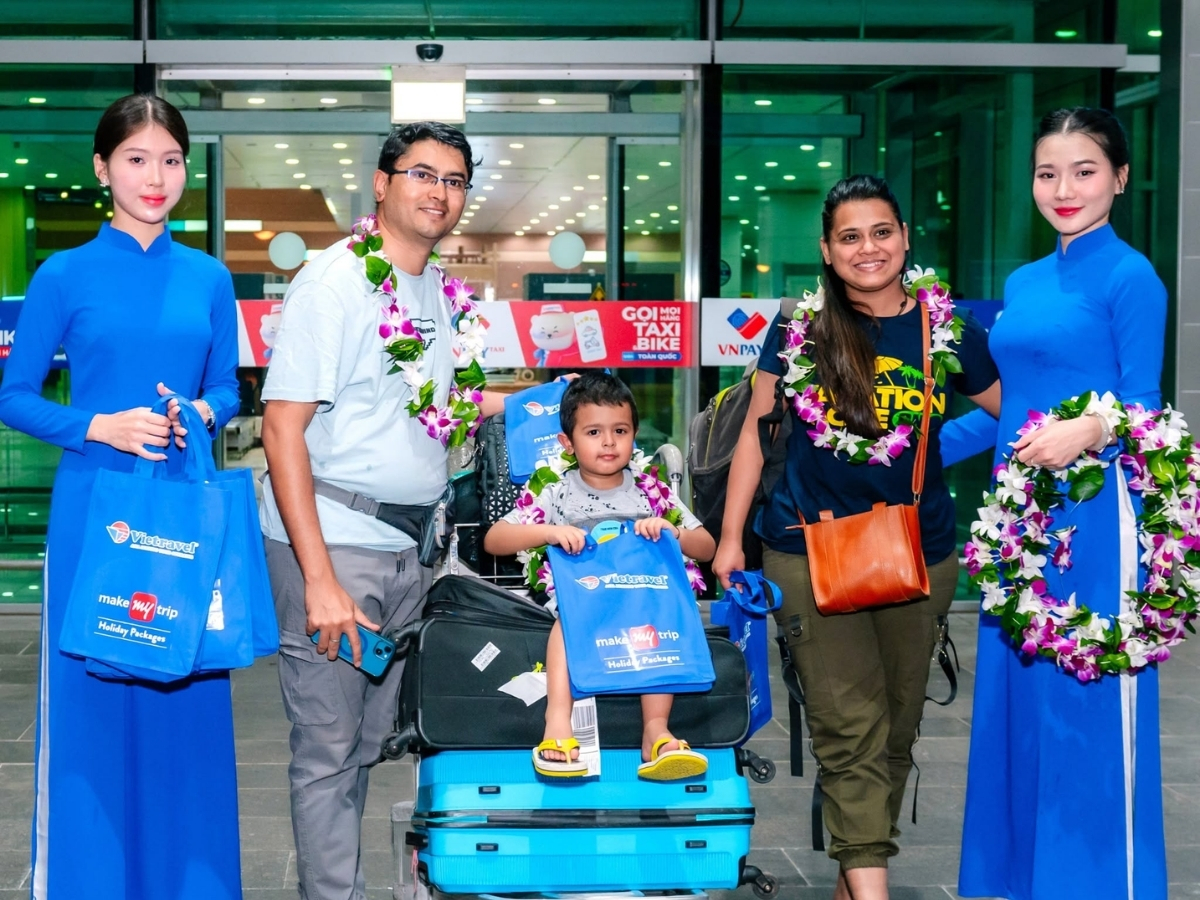
Indian tourists are exempt from visa requirements for stays in Phu Quoc of up to 30 days, making their trip more convenient and economical. (Source: Collected)
2. How much does a Vietnamese visa cost for Indian tourists traveling to Phu Quoc?
2.1. Indian visitors staying in Phu Quoc for less than 30 days are exempt from visa requirements
The cost of a Vietnamese visa for Indian tourists to Phu Quoc is 0 USD, if they enter, stay, and exit Phu Quoc for no more than 30 days. This visa exemption policy applies to foreigners arriving in Phu Quoc and also in cases of transit at the transit area of a Vietnamese international border gate before continuing on to the island. You still need to meet all entry requirements and carry a valid passport when going through the procedures.
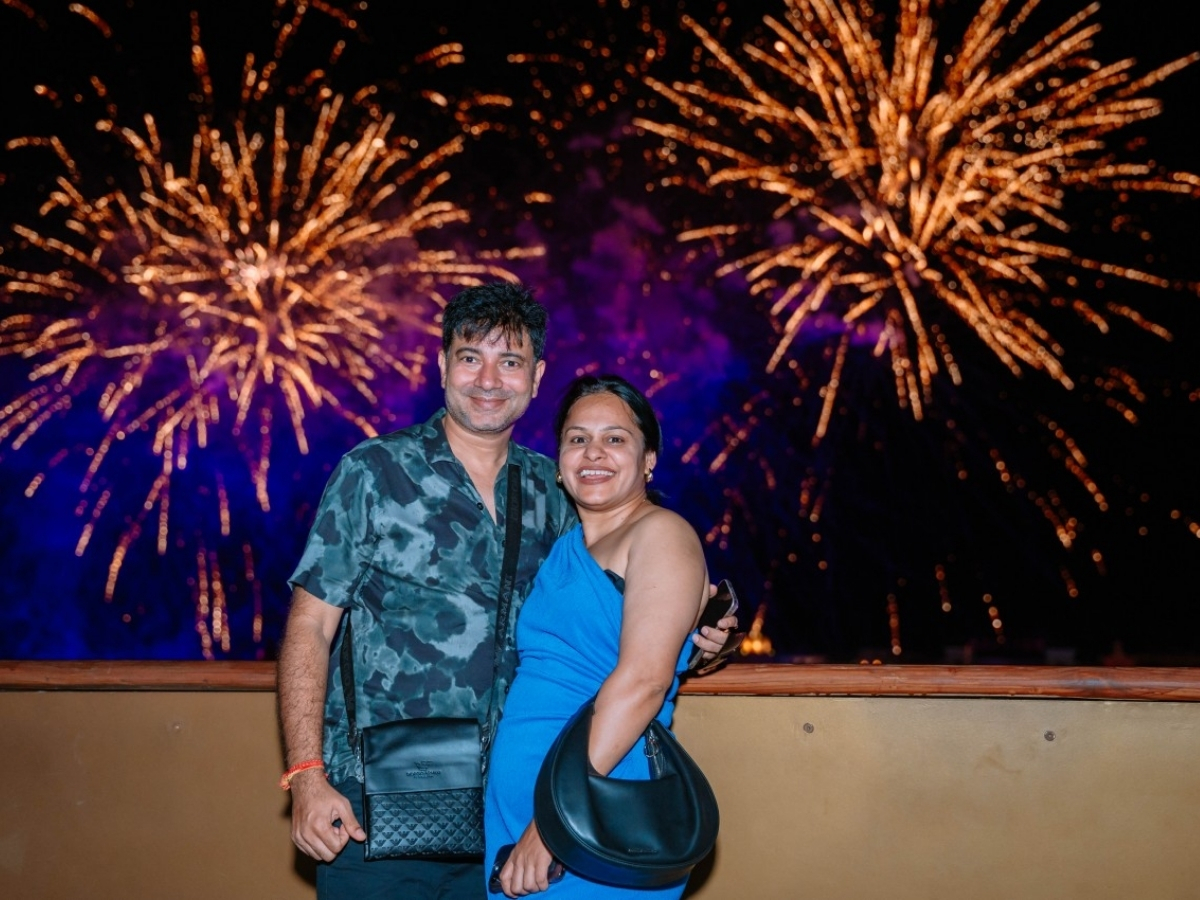
Indian tourists staying in Phu Quoc for no more than 30 days are exempt from visa requirements, with a visa fee of 0 USD. (Source: Collected)
2.2. Combining Phu Quoc with other destinations requires an e-visa
If you wish to combine Phu Quoc with Hanoi, Ho Chi Minh City, or other locations, you need to prepare the appropriate visa instead of relying solely on the visa-free scheme for Phu Quoc. A Vietnamese e-visa has a maximum validity of 90 days and may allow single or multiple entries. According to the Immigration Department, the fee for a single-entry e-visa is US$25; applications are submitted and paid online, and this fee is non-refundable if the application is not approved.
2.3. Potential fees that may arise when applying for a visa
In addition to the standard e-visa fee, the total cost may increase if you use the services of intermediary agencies. This is a separate service fee, not the visa fee charged by the immigration authorities. Therefore, you should carefully check each item before making a payment, especially when choosing a service to handle the application on your behalf. By handling the procedure yourselves through the official portal, you can proactively track your application and avoid unnecessary service fees.
3. How to apply for a Vietnamese visa for Indian visitors
3.1. Registering for a Vietnam e-visa online
Indian tourists needing a visa can proactively apply for an e-visa online through the official portal of the Vietnam Immigration Department. The application requires a passport-sized photo, a photo of the passport information page, and travel information such as the expected entry date, border crossing point, and accommodation details in Vietnam. After carefully checking the information, you can pay the fee online and save the application code to check the results. A Vietnamese e-visa can be valid for up to 90 days, allowing single or multiple entries depending on the type issued.
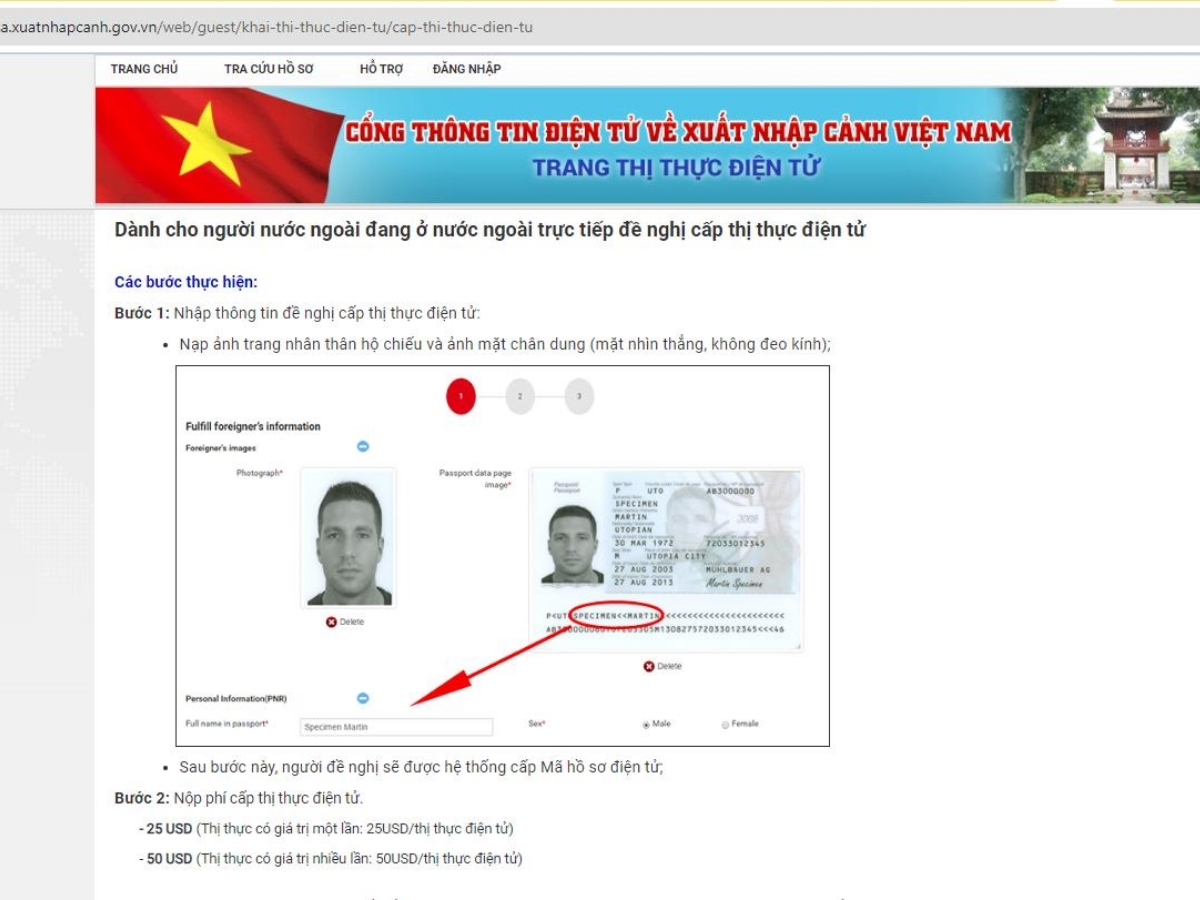
Interface of the Vietnam Immigration and Border Control Portal. (Source: Collected)
3.2. In which cases you can obtain a visa at the border crossing?
For cases requiring visa issuance at border checkpoints, the process is not as simple as applying for an e-visa online. You need a qualified agency, organization, or unit to carry out the invitation, sponsorship, and visa application procedures according to regulations. The sponsorship documents are sent to the Immigration Department for review, and then the results and visa issuance information are processed according to the registered method. Therefore, if the trip is planned in advance, an e-visa is usually a more direct and proactive option for travelers outside Vietnam.
3.3. Documents required before applying for a visa
Before submitting your application, you should prepare a passport valid for more than six months, a passport-sized photograph, and a photograph of the passport's information page as required by the system. In addition to personal information, the e-visa application also requires travel-related information such as the date of entry, the intended border crossing, the length of stay, and the temporary address in Vietnam. You should carefully check your passport number, full name, and date of birth before submitting the application, as errors in this information can affect the application process.
4. What should Indian tourists do upon arrival at Phu Quoc airport?
After landing at Phu Quoc International Airport, you should follow the signs to the immigration area. If you are visa-exempt and only staying in Phu Quoc for a maximum of 30 days, you should prepare your passports and other necessary documents to present during immigration procedures. For flights with connecting flights through Hanoi or Ho Chi Minh City, immigration procedures are completed at the first international airport the tourist arrives at in Vietnam before continuing your flight to Phu Quoc.
After completing immigration procedures, you proceed to the baggage claim area, check the electronic display to locate the correct conveyor belt, and verify your baggage tags before retrieving your suitcases. At the arrival hall, you can purchase a travel SIM card from popular network providers or use a pre-installed eSIM for internet access. If a resort with a shuttle service is booked, you can find a staff member in the lobby area to meet them; those traveling independently can choose a taxi or ride-hailing service to get to your hotel.
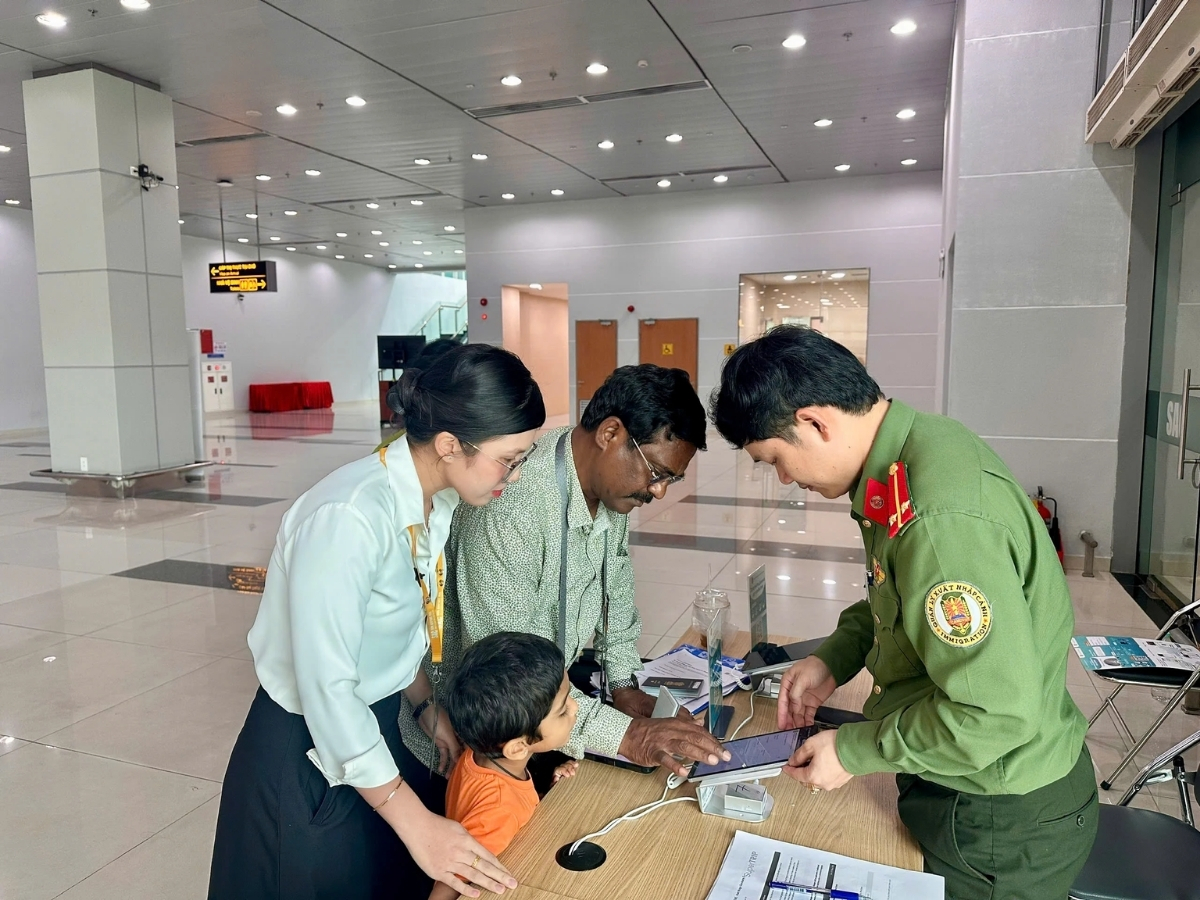
Indian tourists go through immigration procedures at Phu Quoc airport after landing. (Source: Collected)
5. Must-try experiences on a trip to Phu Quoc
5.1. Relaxing at beautiful beaches
Phu Quoc boasts many beautiful beaches with white sand, clear blue water, and spacious surroundings, perfect for relaxing holidays. You can choose Sao Beach, Truong Beach, or coastal areas near resorts to swim, stroll, take photos, and enjoy the fresh air. For Indian families, relaxing by the sea is also an opportunity for family members to unwind after days of traveling and sightseeing.
5.2. Fun activities at Sun World Hon Thom
Sun World Hon Thom offers a day of fun combining sightseeing and exploring the islands. You can begin with a cable car ride across the sea from An Thoi station, admiring the An Thoi archipelago and the vast blue sea from above. Upon arriving at Hon Thom, you can enjoy the Aquatopia water park, relax at Trao beach, or explore other areas within the complex. The variety of activities in one destination makes it easy for the whole family to choose according to their interests and age.
👉 Book your Hon Thom Cable Car ticket now!

Tourists enjoy themselves at Sun World Hon Thom, experiencing many exciting activities amidst the island scenery of Phu Quoc. (Source: Collected)
5.3. Exploring Sunset Town
Sunset Town is a prominent destination in the south of Phu Quoc Island, featuring Mediterranean-style houses, a seaside square, and many impressive architectural structures. You can come in the late afternoon to stroll, take photos at the Kiss Bridge, and watch the sunset over the sea. As night falls, the area becomes more vibrant with restaurants, entertainment venues, and spectacular art performances, creating a colorful evening for exploring Phu Quoc.
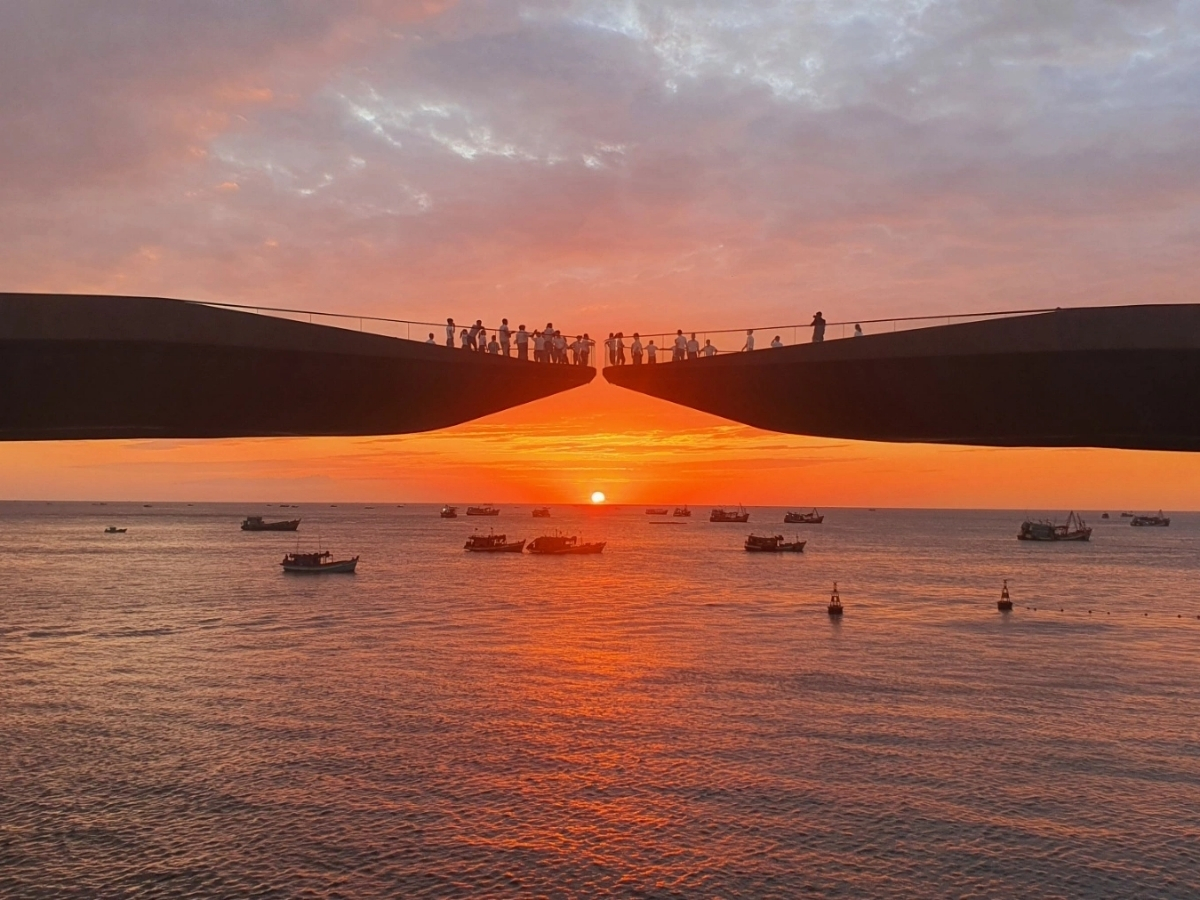
Tourists watch the sunset at the Kiss Bridge, enjoying the romantic moment when the sea and sky change color. (Source: Collected)
5.4. Enjoying vegetarian and Indian cuisine
Cuisine is also a noteworthy experience for Indian tourists visiting Phu Quoc. Besides trying local specialties, you can find restaurants serving Indian food such as curry, biryani, naan, and pancakes, along with many vegetarian options. Strict vegetarians or those following the Jain diet should discuss ingredients to avoid with the restaurant beforehand. Thanks to this diverse range of dining options, you can explore Phu Quoc's culinary scene while maintaining your usual eating habits during your trip.
With a visa-free policy allowing foreigners to stay in Phu Quoc for up to 30 days, you can significantly save time and budget on your trip. However, if you combine Phu Quoc with other provinces and cities in Vietnam, check entry requirements and prepare the appropriate e-visa. Understanding the cost of a Vietnamese visa for Indian tourists to Phu Quoc from the outset will help you be more proactive with paperwork and budget, and enjoy your vacation on Pearl Island with peace of mind.


