




1. Introduction to Phu Quoc
Located off the southwest coast of Vietnam, Phu Quoc is the country's largest island and is known as the "pearl island" thanks to its stunning beaches, diverse ecosystem, and rapidly developing tourism infrastructure. With its mild tropical climate year-round, pristine natural landscapes, and numerous world-class resorts, Phu Quoc has become one of Vietnam's top destinations for international tourists.
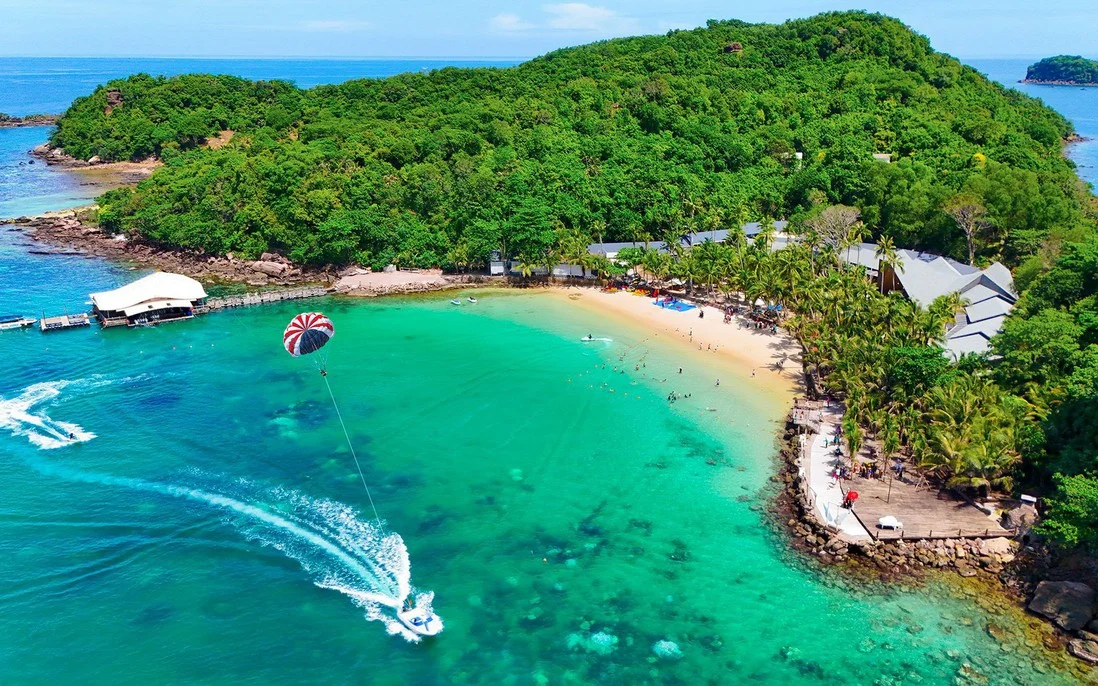
Phu Quoc is one of the most beautiful islands in Vietnam.
Not only famous for beaches like Bai Sao and Bai Kem, this island also attracts tourists with its diverse attractions such as Phu Quoc National Park, An Thoi archipelago, traditional fishing villages, and modern entertainment facilities. The combination of nature, local culture, and high-end tourism products makes Phu Quoc suitable for many types of tourists, from families and couples to those on extended vacations.
One of the factors contributing to the increase in international tourists to Phu Quoc Island is the visa exemption policy. Thanks to this special mechanism, many foreign tourists can enter and stay in Phu Quoc without needing to apply for a Vietnamese visa before their trip, making the preparation process significantly simpler and more convenient. This is also why many people are interested in whether they can continue traveling from Phu Quoc to the mainland of Vietnam while using the visa exemption.
To understand the answer clearly, you first need to grasp the scope and specific conditions of the visa exemption policy for Phu Quoc.
2. How is Phu Quoc’s visa exemption policy applied?
2.1. What is Phu Quoc’s visa exemption policy?
Phu Quoc’s visa exemption policy is a special mechanism applied by the Vietnamese government specifically to Phu Quoc Island to promote international tourism. Under this policy, foreigners entering Phu Quoc can stay for up to 30 days without needing to apply for a Vietnamese visa before their trip, provided they meet all the stipulated conditions.
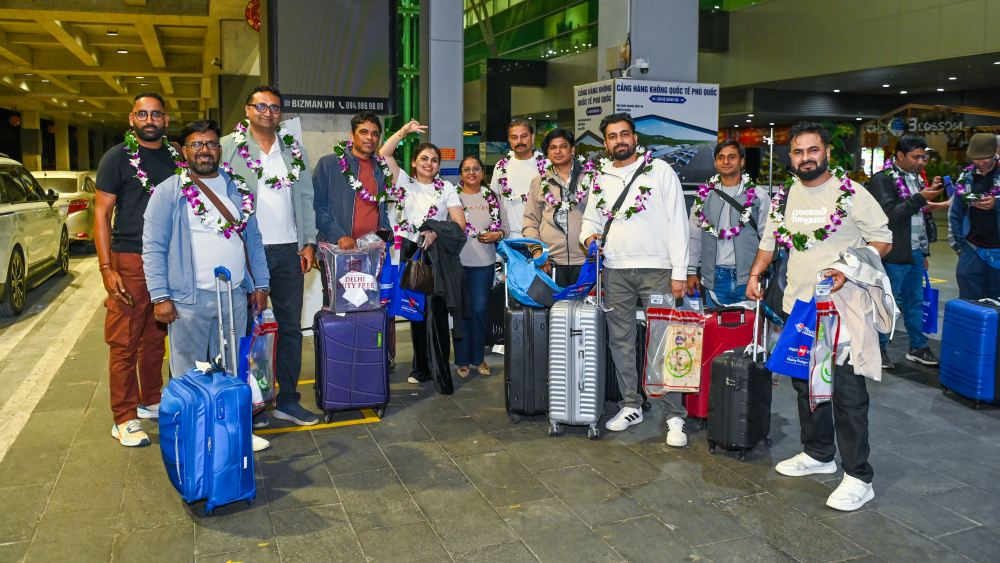
Foreign tourists are entitled to a 30-day visa-free stay in Phu Quoc.
A unique aspect of this policy is that it does not depend on the nationality of the visitor. While Vietnam only grants visa-free entry to citizens of certain countries, the Phu Quoc visa exemption program is more widely applied, making it easier for tourists from many countries around the world to visit the island for tourism, relaxation, or short trips.
Thanks to this advantage, Phu Quoc has become one of the few destinations in Vietnam that international tourists can visit without having to go through a complicated visa application process. This is especially attractive to those who want to take short getaways or combine Phu Quoc with their Southeast Asia exploration trip.
2.2. Who is eligible for the Phu Quoc visa exemption policy?
The advantage of Phu Quoc's visa exemption policy is its wide scope of application. Essentially, foreign citizens from most countries around the world can be granted visa-free entry to Phu Quoc, provided they meet the country’s entry requirements. The most important requirement is that you must enter Phu Quoc and stay within the island's boundaries. Upon arrival, you are granted a maximum stay of 30 days without needing to apply for a Vietnamese visa beforehand.
During your stay, you are free to explore famous beaches such as Bai Sao and Bai Khem, visit Sunset Town, have fun at Grand World Phu Quoc, VinWonders Phu Quoc, or explore the An Thoi archipelago without needing any additional travel permits.
2.3. Specific conditions for visa exemption when visiting Phu Quoc
To be granted visa-free entry, you must meet several important conditions. First, your passport or international travel document must be valid. You must also ensure you do not fall under any of the categories of people denied entry according to Vietnam's immigration laws.
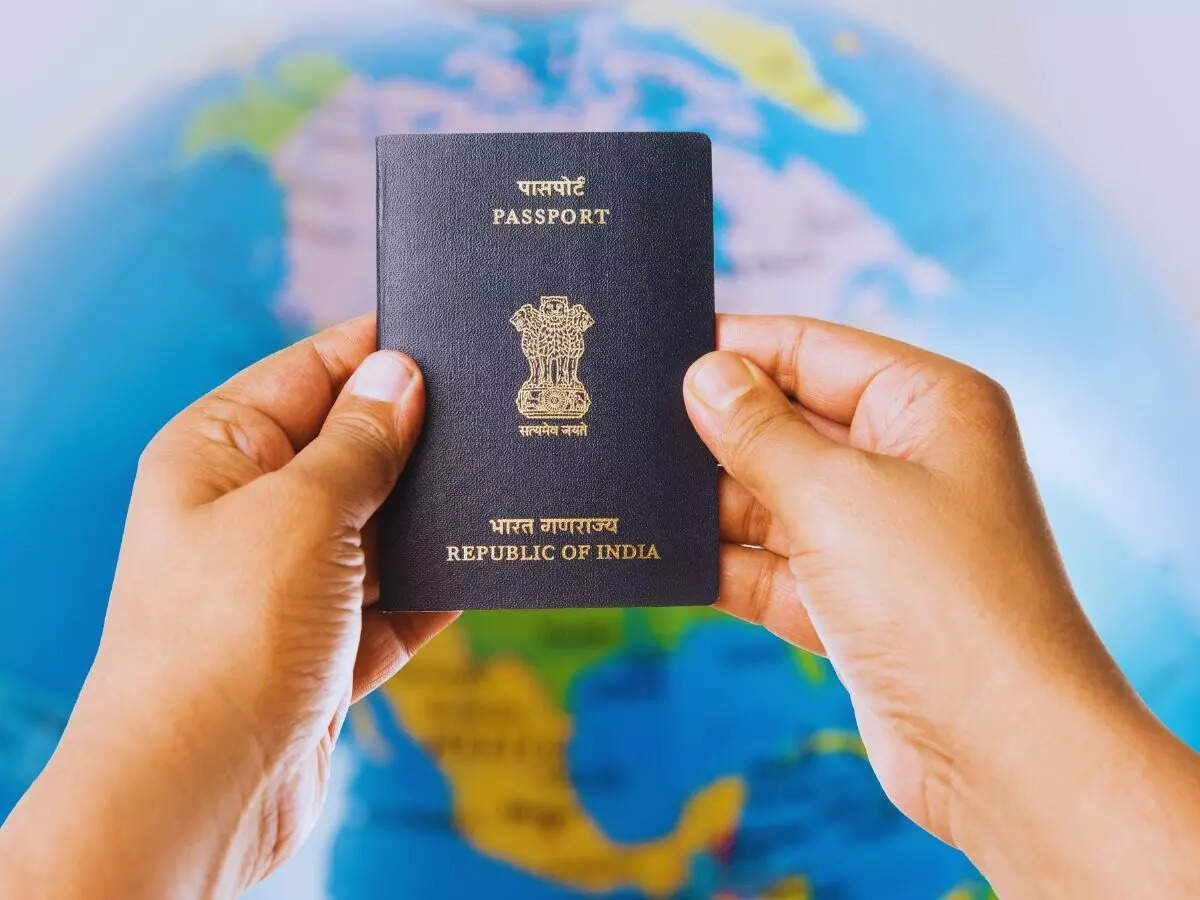
Travelers should carefully check the expiration date of their passports before their flight.
Additionally, the length of stay in Phu Quoc must not exceed 30 days. If you need to stay longer or continue your journey to other locations in Vietnam, you must complete the appropriate visa or e-visa application procedures before traveling.
Another important requirement is that you must demonstrate a plan to leave Vietnam after your trip, such as a return flight ticket or a ticket to your next country. This is a common requirement for many visa-free programs worldwide and may be checked during check-in or immigration procedures.
3. Is it possible to leave Phu Quoc for another city while on visa-free entry?
The short answer is NO, if you are only entering under Phu Quoc’s visa-free policy and do not have a valid Vietnamese visa or e-visa.
Many international tourists believe that after successfully entering Phu Quoc, they can easily book flights to Ho Chi Minh City, Hanoi, Da Nang, or other cities on the Vietnamese mainland. However, in reality, this visa exemption policy only allows you to stay within Phu Quoc and does not automatically grant entry to the rest of Vietnam.
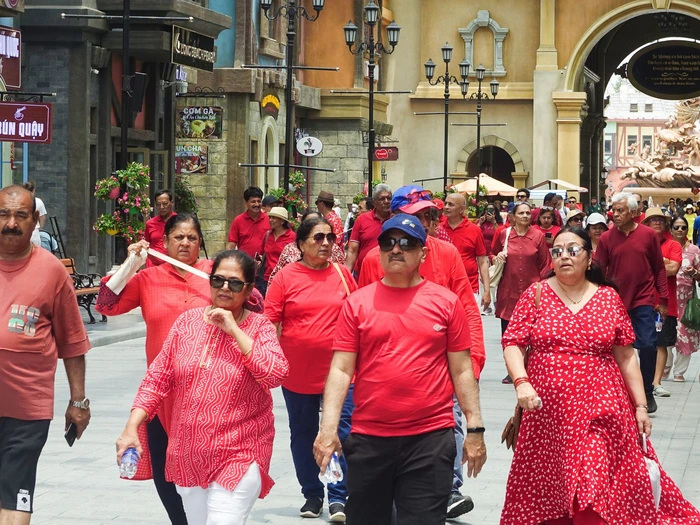
Indian tourists cannot travel to other cities in Vietnam without a Vietnamese visa.
For example, an Indian national flying directly from New Delhi to Phu Quoc is granted a 30-day visa-free stay. During his vacation, if he wish to fly on to Hanoi for sightseeing or to Da Nang for tourism, he will not be able to board a domestic flight without the appropriate Vietnamese visa.
Conversely, if you have already been granted a Vietnamese e-visa, tourist visa, or are eligible for visa exemption nationwide based on your nationality, you can absolutely combine Phu Quoc with other destinations on the Vietnamese mainland. In this case, Phu Quoc is simply a stop on the itinerary, and the island's specific visa exemption regulations are no longer a limiting factor in your travel.
Therefore, before booking flights from Phu Quoc to other cities in Vietnam, you should carefully check your visa status. If planning to explore both Phu Quoc and mainland Vietnam on the same trip, the most convenient solution is usually to apply for a Vietnamese e-visa before departure. This allows for greater flexibility, avoiding potential problems at the airport or when wanting to change the itinerary during the trip.
4. What should you do if you want to combine Phu Quoc with other destinations in Vietnam?
4.1. Indian visitors should apply for an e-visa if plan to leave Phu Quoc for other cities in Vietnam
For Indian visitors, enjoying the visa-free policy in Phu Quoc does not mean they can freely travel to other cities in Vietnam. This visa-free policy only allows tourists to enter and stay in Phu Quoc for a maximum of 30 days.
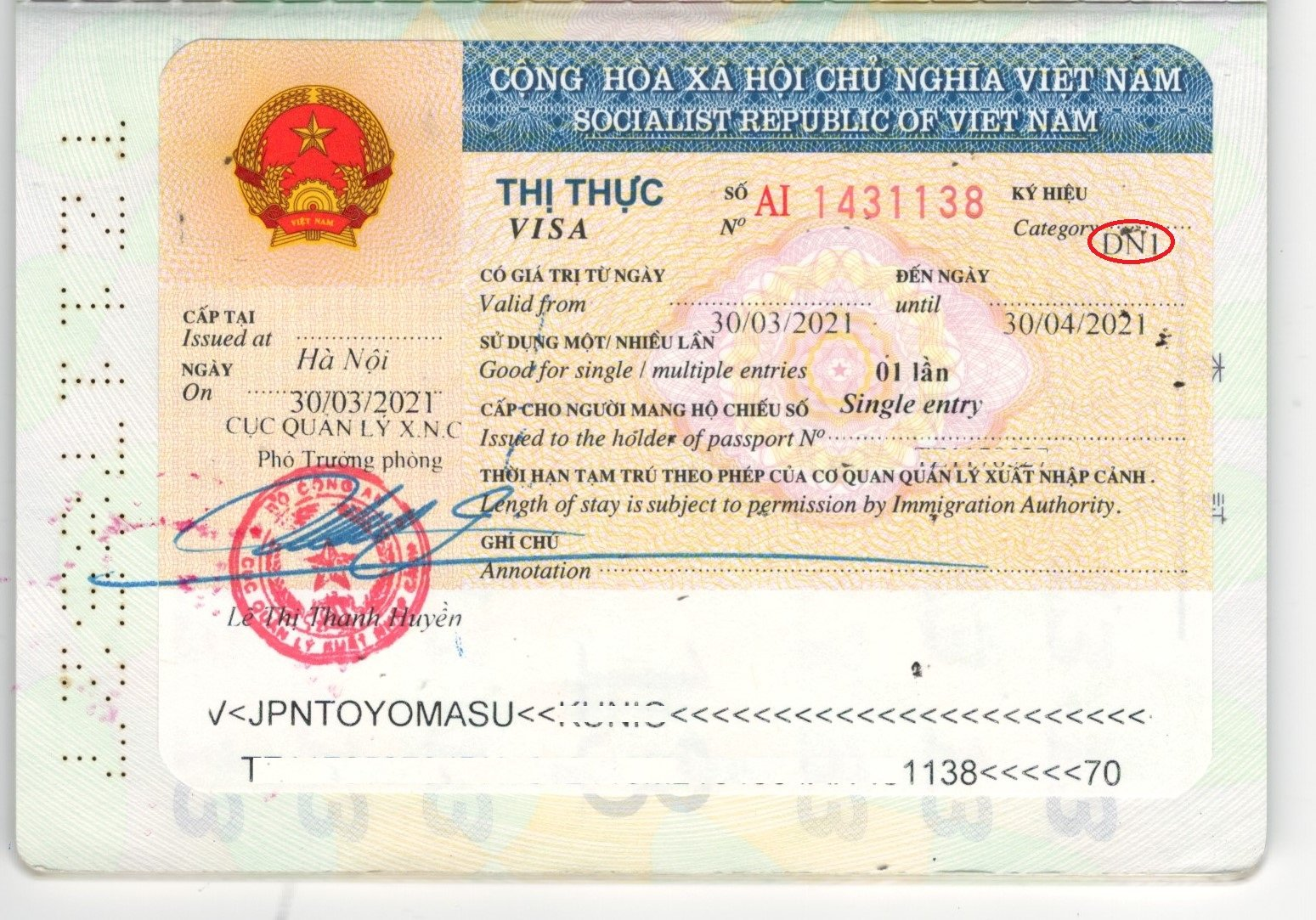
Tourists need to apply for a Vietnamese visa in advance if they want to travel to multiple cities in Vietnam.
Therefore, if you plan to visit Ho Chi Minh City, Hanoi, Da Nang, Nha Trang, or any other destination on the Vietnamese mainland from the start, applying for an e-visa before your trip is the most suitable option. An e-visa allows you to legally enter and travel throughout Vietnam without being limited to Phu Quoc Island.
Furthermore, e-visas offer flexibility to travel plans. Many Indian tourists initially plan to vacation in Phu Quoc but later want to explore other cities in Vietnam. Having an e-visa beforehand allows you to easily change your plans without encountering entry procedures.
4.2. Popular itineraries for Indian tourists in Vietnam
Nowadays, many Indian tourists come to Phu Quoc not only for relaxation but also to combine their trip with visits to other famous destinations in Vietnam.
One of the most popular itineraries is the Phu Quoc – Ho Chi Minh City tour lasting 5 to 7 days. After enjoying the beautiful beaches and recreational activities in Phu Quoc, you continue on to Ho Chi Minh City to explore its culture, cuisine, and vibrant urban life.
For longer trips, many Indian tourists choose itineraries such as Phu Quoc – Da Nang – Hoi An or Phu Quoc – Hanoi – Ha Long Bay. These routes combine beach relaxation, cultural experiences, and visits to famous Vietnamese landmarks. However, all of these itineraries require an e-visa or other appropriate Vietnamese visa if you wish to leave Phu Quoc and continue your journey on the mainland.
Phu Quoc's visa-free policy offers many advantages for Indian tourists who want to explore the island without needing to apply for a visa beforehand. However, this visa exemption only applies within Phu Quoc and does not automatically allow you to continue traveling to other locations on the Vietnamese mainland. Thoroughly understanding entry regulations from the outset will help Indian tourists plan more proactively, avoid unnecessary complications, and fully enjoy your trip to Vietnam.


