




1. General introduction to Bo Bat pottery village
1.1. Origin of Bo Bat pottery village
Bo Bat pottery village is currently located in Bach Lien hamlet, Yen Thanh commune, Yen Mo district, Ninh Binh province. According to archaeologists and written records, Bo Bat was originally the "cradle" of the ancient pottery craft, with a special type of clay called Bo Di white clay, which is very precious, yielding white glaze, high fineness, and durability.
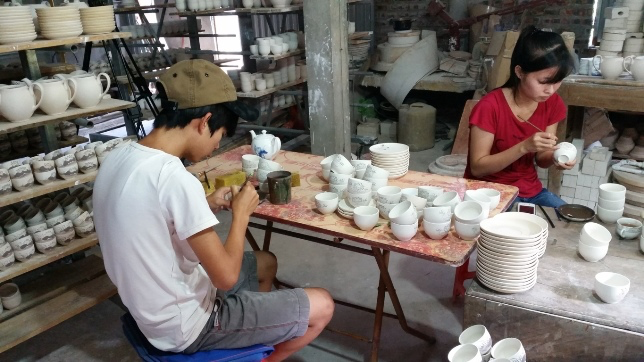
The ancient pottery site of Bo Bat in Bach Lien village – where many pottery shards and kilns dating back thousands of years were discovered. (Source: Collected)
Through excavations at the site in Bach Lien village, many pottery artifacts, coarse pottery, and fired products dating back thousands of years have been discovered, proving that pottery making in Bo Bat has existed since prehistoric times, spanning over 3,500 years according to national tradition.
However, historically, when Ly Thai To moved the capital to Thang Long in 1010, many pottery artisans from Bo Bat followed to the capital, establishing the Bat Trang Pottery Village – Hanoi. Therefore, Bo Bat declined to some extent, and the pottery craft in this village experienced a period of stagnation.
It wasn't until about a decade ago that some artisans in Bach Lien, including Pham Van Vang, made efforts to revive the craft. In 2006, the Bo Bat Pottery Private Enterprise was established, marking the revival of Bo Bat pottery.
Thanks to this, the Bo Bat pottery village has returned with diverse pottery products, from household items, white glazed pottery, to souvenirs, restoring its long-standing traditional values.
1.2. Cultural and Traditional Values of Pottery Making
Bo Bat pottery making is not only a handicraft but also a cultural symbol, a testament to the skill and dedication of many generations of ancient Vietnamese artisans. Bo Bat pottery once supplied building materials, daily use pottery, and high-end pottery for ancient dynasties, including fired bricks, ritual objects, household items, dragon heads, mythical creatures, and exquisite decorative items.
With its characteristic white clay, Bo Bat pottery creates products with a deep white glaze, durability, high smoothness, and good mechanical strength. This is the distinguishing feature that helps this pottery line maintain its unique character, unlike many other yellow clay or glazed pottery lines in Vietnam.
The revival and development of Bo Bat pottery today not only bring economic value but also preserve historical and cultural values, contributing to the conservation of traditional crafts and educating younger generations about the origins and identity of Vietnamese village crafts.
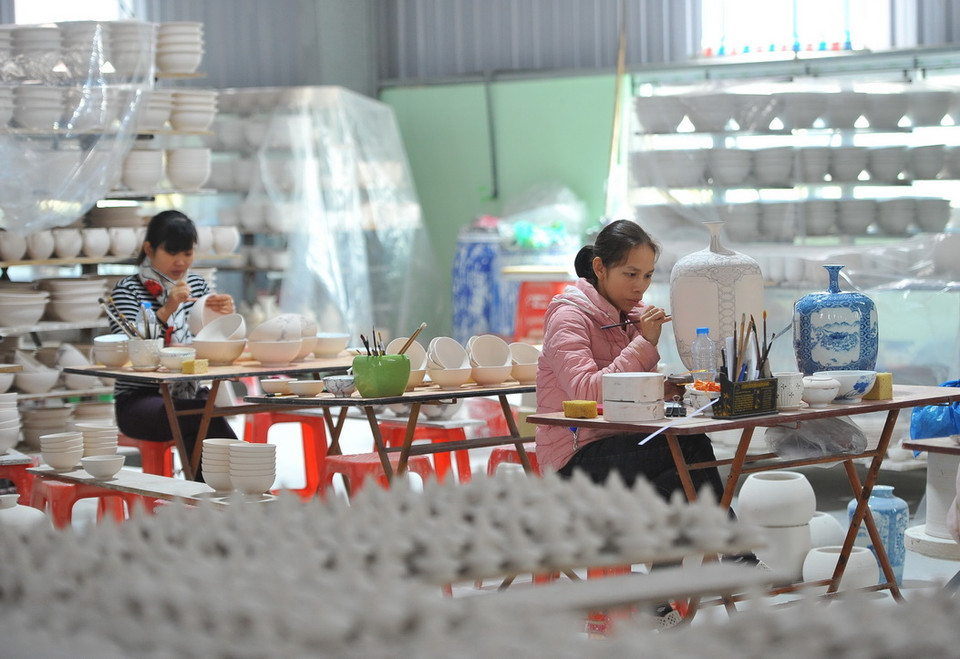
The characteristic white-glazed pottery products of Bo Bat, rustic yet exquisite – the imprint of a famous ancient pottery line. (Source: Collection)
1.3. Reasons why Bo Bat is an attractive destination
There are many reasons why Bo Bat is a destination worth exploring, especially for tourists who love culture – history – handicrafts:
Long-standing historical value: With roots over 3,500 years old, Bo Bat is one of the rare ancient craft villages with clear traces, helping tourists deeply feel the history of Vietnamese ceramics.
Pottery products with unique characteristics: Bo Bat pottery is nổi bật (prominent) with its white glaze, durability, and exquisiteness, with many modern designs, suitable as souvenirs, decorations, and household items, making it an attractive choice for tourists.
Opportunities for practical experience: When visiting the village, tourists can visit workshops, watch artisans make pottery, understand the process from selecting clay, shaping, glazing, and firing. Practical experience helps to understand the craft more deeply.
The intersection of tourism and traditional culture: Bo Bat is not only a pottery production place but also a place to preserve traditional values, creating a unique cultural – handicraft tourist destination, very different from natural or spiritual tourist spots.
These highlights make Bo Bat pottery village not only attract pottery lovers and those interested in traditional culture but also appeal to tourists who want to learn about history, handicrafts, and have practical experiences.
2. Journey to discover Bo Bat pottery craft village
2.1. The space of the craft village
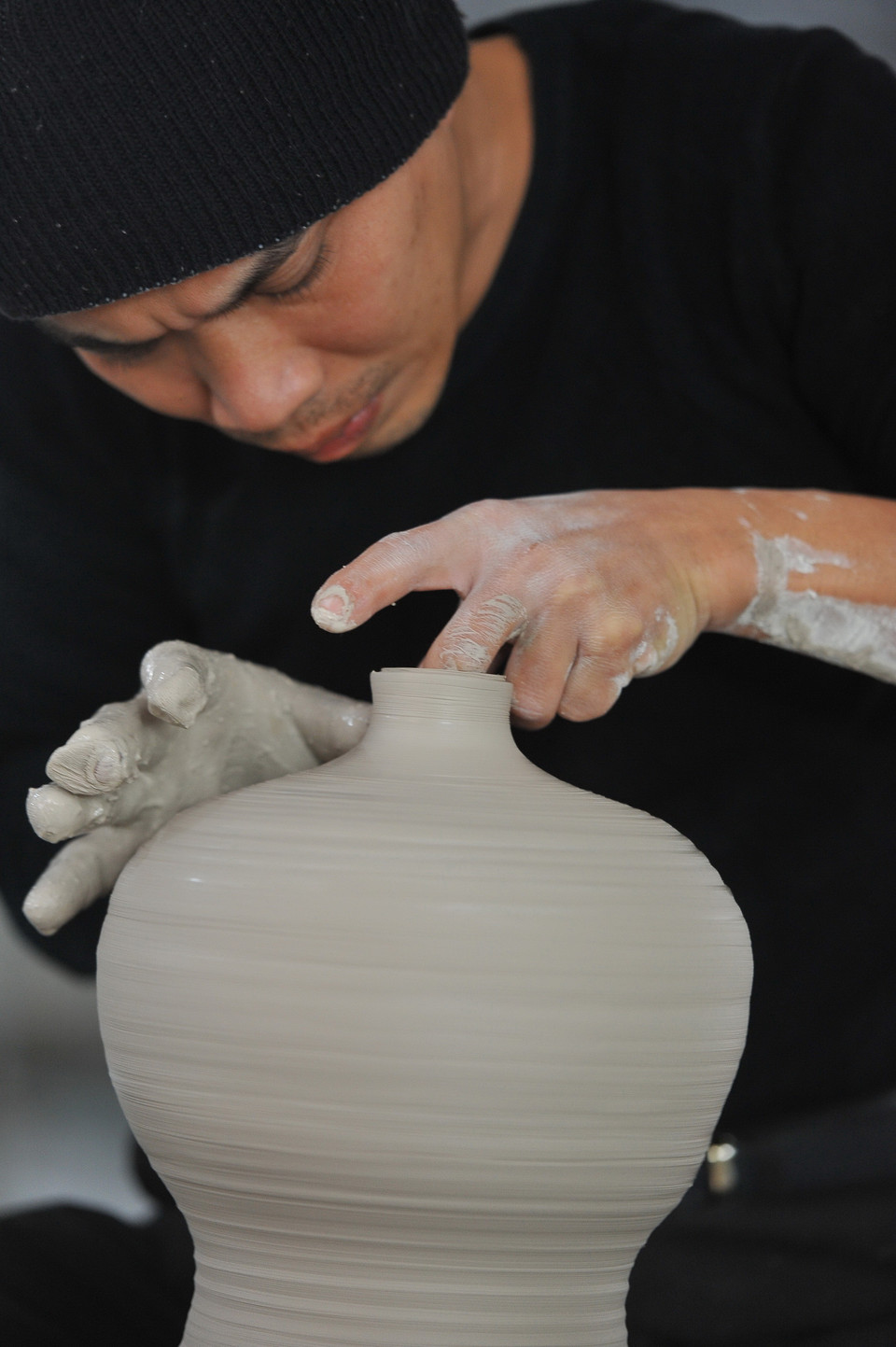
Tourists visit and watch artisans making pottery at the workshop – a characteristic handicraft experience of Bo Bat. (Source: Collected)
When setting foot in the Bo Bat pottery village in Bach Lien hamlet, Yen Thanh commune, visitors will immediately feel the rustic atmosphere characteristic of a long-standing craft village. The space here harmoniously combines traditional pottery workshops, kilns, drying yards for clay and products, and small houses nestled closely together, creating the beauty of a reviving craft village.
The pottery workshops are arranged in specific areas: clay processing area, manual shaping area, sửa chữa – trang trí (finishing – decoration) area, and kiln area. Many stages still retain their manual craftsmanship, allowing visitors to easily recognize the meticulousness in each operation. Rows of products drying in the sun in the yard, the smell of freshly kneaded clay, the steady rhythm of the potter's wheel under the artisan's hands… all create a space imbued with the breath of traditional pottery making.
The village space is not noisy but very familiar and close, evoking a sense of returning to an ancient memory of Vietnamese pottery, where long-standing cultural values are still preserved through each fiery kiln.
2.2. Pottery Making Process and Signature Products of Bo Bat
The Bo Bat pottery craft goes through many elaborate stages, each step requiring skill and understanding of the region's characteristic clay.
Clay Selection and Processing: The raw material for pottery is Bo Di white clay, a precious clay that once created the famous white glaze of ancient Bo Bat. The clay must be soaked, filtered, and kneaded thoroughly to achieve the necessary plasticity.
Shaping: Artisans shape the clay using a potter's wheel or molds depending on the product. The operations of molding, smoothing, and pulling the clay are all done manually, requiring precision to create smooth, even shapes and maintain the sturdiness of the pottery body.
Decoration – Finishing: After drying slightly, the products are refined, carved with patterns, or decorated with glaze. Traditional patterns are often floral motifs with soft, rustic lines.
Firing Pottery: The pottery is fired in a kiln at high temperatures, creating durability and a natural sheen for the white glaze. This is the stage that determines the product's quality, requiring artisans with many years of experience.
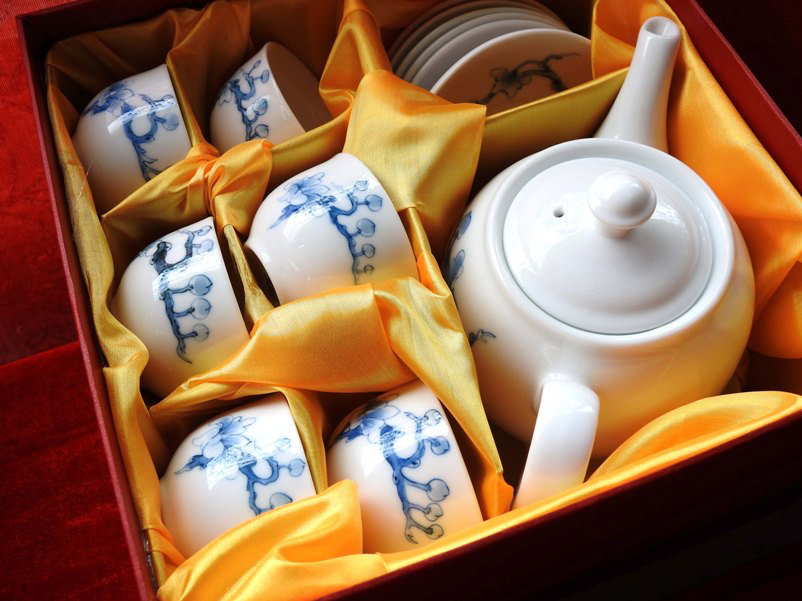
Bo Bat pottery products: bowls, plates, vases, white-glazed ritual objects handcrafted in traditional style. (Source: Collected)
Characteristic product lines of Bo Bat:
Household items: bowls, plates, bowls, water pitchers with characteristic white glaze.
Decorative items: vases, small statues, display items.
Ritual objects: candle holders, incense burners, ceremonial urns… restored in ancient pottery style.
These products embody the simple, pure essence of Bo Bat white pottery, setting them apart from many other pottery villages nationwide.
2.3. Visitor Experience
At Bo Bat pottery village, visitors can not only sightsee but also directly experience many interesting activities:
Pottery molding with artisans: You can knead clay with your own hands, use the potter's wheel, and create a small product under the guidance of an artisan. This is a favorite experience for many visitors as it brings a sense of closeness and relaxation.
Watching artisans at work: From pulling clay, shaping, carving patterns to firing products in the kiln, visitors can observe the entire traditional process that few places still preserve.
Taking photos in the village atmosphere: The pottery drying yards, kilns, potter's wheels, or neatly stacked pottery shelves all serve as beautiful backdrops for visitors to capture memories.
Buying handmade pottery: Many workshops allow customers to choose products directly from the factory, ensuring quality and high handicraft value.
The experience at Bo Bat is not just a simple visit to a craft village but also a journey to discover the quintessence of Vietnamese pottery, where humans and clay have merged over thousands of years of history.
3. Tips and Notes for Visiting Bo Bat Pottery Village
3.1. How to Choose Suitable Experiences for Families and Children
Bo Bat pottery village is an ideal destination for families with young children, offering many educational and hands-on activities. Children can participate in:
Pottery molding at the potter's wheel: This activity is suitable for children aged 4 and above. Kids can shape small items like bowls, animals, or smiley faces themselves. Artisans are always there to ensure the experience is safe and fun.
Observing the handicraft process: Young children are often fascinated by watching artisans pull clay, shape it, or paint patterns. This is an opportunity for them to learn about meticulousness, patience, and the identity of traditional crafts.
Coloring pottery or decorating products: Some workshops provide raw products for children to decorate themselves. This is a gentler option if a child is not comfortable with molding clay.
When traveling with family, you can opt for short experience packages of 30–60 minutes so children don't get tired and remain engaged. All activities are highly interactive, helping children understand the value of manual labor and the origin of familiar pottery products in daily life.
3.2. Safety Precautions When Visiting Kilns and Workshops
Due to the nature of pottery making, workshops and kiln areas contain machinery, high temperatures, and many specialized tools. Therefore, visitors should pay attention to:
Maintain a safe distance from kilns: Operating kilns can reach very high temperatures, and even when turned off, the fired bricks remain hot. Only observe from designated areas and do not approach the kiln door unless guided by an artisan.
Do not touch unfired or drying products: Soft clay pottery is fragile and easily deformed. Accidental touching can damage the product or get you dirty.
Walk carefully in the workshop: Workshop floors can sometimes have clay, water, or pottery-making tools. You should walk slowly and look carefully to avoid slipping and falling.
Follow the artisan's instructions: Before entering production areas, artisans usually explain safety regulations. Adhering to these ensures a smooth visit and does not disrupt the production process.
Supervise children: When with children, always keep them within sight and prevent them from running near potter's wheels, sharp tools, or kilns.
Following these precautions will help you have a complete, safe, and respectful experience of the artisans' working environment at Bo Bat pottery village.
4. Suggestions for Culinary Experiences and Nearby Attractions
4.1. Tourist Spots Near Bo Bat for Day Trips
From Bo Bat pottery village, visitors can easily combine visits to the following famous sites, all within a 10–25 km radius, suitable for half-day or full-day itineraries:
Trang An: A UNESCO World Cultural and Natural Heritage site, Trang An is famous for its boat tours through caves, admiring limestone mountains and crystal-clear green waters. From Bo Bat to Trang An is only about a 20–25 minute drive. This is an ideal destination after experiencing the craft village to combine scenery, culture, and history.

Tam Coc – Bich Dong with majestic mountain scenery. (Source: Collected)
Tam Coc – Bich Dong: Less than 15 km from Bo Bat, Tam Coc – Bich Dong offers the peaceful beauty of rice fields, caves, and the Ngo Dong river. Visitors can take a boat trip to admire the scenery, rent bicycles to cycle around the ancient village, or visit Bich Dong, the “Second Cave of the Southern Sky”. This is a gentle itinerary, suitable for the afternoon after visiting the craft village.
Hoa Lu Ancient Capital: Located about 12–14 km away, Hoa Lu Ancient Capital is associated with the Dinh and Le dynasties. The relic site features many ancient structures such as the Dinh King Temple, the Le King Temple, and Ma Yen Mountain. This is an important stop if visitors want to combine cultural and historical experiences in a single day.
These destinations create an impressive itinerary: visit the craft village in the morning, and immerse yourself in Ninh Binh’s characteristic nature and history in the afternoon.
4.2. Local Eatery Recommendations
After visiting Bo Bat pottery village, visitors can enjoy Ninh Binh’s specialty dishes categorized for easy selection:
Ninh Binh Mountain Goat Dishes Famous eateries near Yen Mo – Trang An – Tam Coc area: De Chinh Thu Restaurant, Hoang Giang Restaurant, etc.
Crispy Rice Crust Dishes – Traditional Specialties: Dai Long Crispy Rice Crust, Hoang Gia Ninh Binh Crispy Rice Crust, etc.
Local Rustic Dishes: Eel vermicelli, eel porridge, pork rib noodle soup, mud carp noodle soup in the Ria market area.
5. Suggested 2D1N Itinerary for Visiting Bo Bat Pottery Village, Ninh Binh
Day 1: Experience Bo Bat Pottery Village and Explore Ninh Binh’s Scenery
Morning:
From Hanoi, visitors depart for Ninh Binh, with a travel time of about 1.5–2 hours by bus, limousine, or private car. The first stop is Bo Bat pottery village in Bach Lien hamlet, Yen Thanh commune. Here, you can begin your journey to explore a pottery tradition over 1,000 years old, learn about the characteristic Bo Di white clay, and Bo Bat’s role in the formation of ancient Vietnamese pottery.
Visitors spend time visiting workshops, watching artisans shape clay, feeling the spin of the potter’s wheel, and observing the exquisite manual techniques. The most popular experience is shaping clay, forming, and drawing motifs on souvenir products – an activity that is not only fun but also helps you understand the meticulousness of this traditional craft more deeply.
Noon:
Enjoy lunch with famous specialty dishes such as Ninh Binh mountain goat, crispy rice crust, eel vermicelli, or mud carp salad, depending on your preference.
Afternoon:
Depending on time and interest, visitors can choose one of the attractions near Bo Bat:
Tien Temple (Yen Mac commune) – a place preserving the royal decrees and history of a general from the Hai Ba Trung era.
Trang An – take a boat trip to explore majestic caves and rivers.
Tam Coc – Bich Dong – admire the young or golden rice fields, and take photos at the “Second Cave of the Southern Sky”.
Evening:
Stroll around Ninh Binh city center, enjoy the night view of the streets, or savor local dishes. Ninh Binh is peaceful in the evening, suitable for resting after a day of cultural and craft village experiences.
Day 2: Fun at Sun World Ha Nam
Morning:

Entertainment at Sun World Ha Nam. (Source: Collected)
Leaving Ninh Binh center and moving to Sun World Ha Nam, the journey takes about 40 minutes. The park is designed with inspiration from Northern Vietnamese water puppetry art, offering a cultural-entertainment space that is both familiar and modern. Here, visitors can experience many attractive activities such as a water park, wave pool, children's play area, and artistically designed check-in spots.
Lunch:
Have lunch at the culinary area within Sun World Ha Nam, with diverse choices ranging from traditional Vietnamese dishes to easy-to-eat options for families with young children.
Afternoon:
Visitors can explore, buy souvenirs, or relax within the premises before returning to Hanoi. The journey concludes gently yet fully, combining traditional craft villages – scenic spots – modern entertainment in a 2-day, 1-night trip.
The journey to explore Bo Bat pottery village not only takes visitors back to the cradle of ancient Vietnamese pottery but also opens up a complete experience of the culture, history, and identity of Ninh Binh people. From the red-hot kilns to the rhythmic spinning wheels and the skillful hands of artisans, every moment at Bo Bat evokes a craft that has existed for over a thousand years. Whether you love traditional culture, seek family experiences, or simply want a relaxing weekend trip, Bo Bat is always an inspiring destination, leaving many beautiful impressions on visitors.


