




1. General Introduction to Dau Temple Ninh Binh
Dau Temple Ninh Binh, also known as Tang Da Linh Tu (Mulberry Field Sacred Temple), was built in 1580 and is one of the important spiritual sites of Trung Son ward. The temple worships Saint Mother Lieu Hanh – one of the "Four Immortals" of Vietnamese belief, associated with many legends about helping people cultivate mulberry and raise silkworms, and supporting the army against foreign invaders. Not only does Dau Temple possess profound spiritual value, but it also boasts an ancient space, harmoniously blending mountains and peaceful countryside, making it an ideal stop for visitors to pray for peace, experience the Mother Goddess worship culture, and find tranquility amidst daily life.
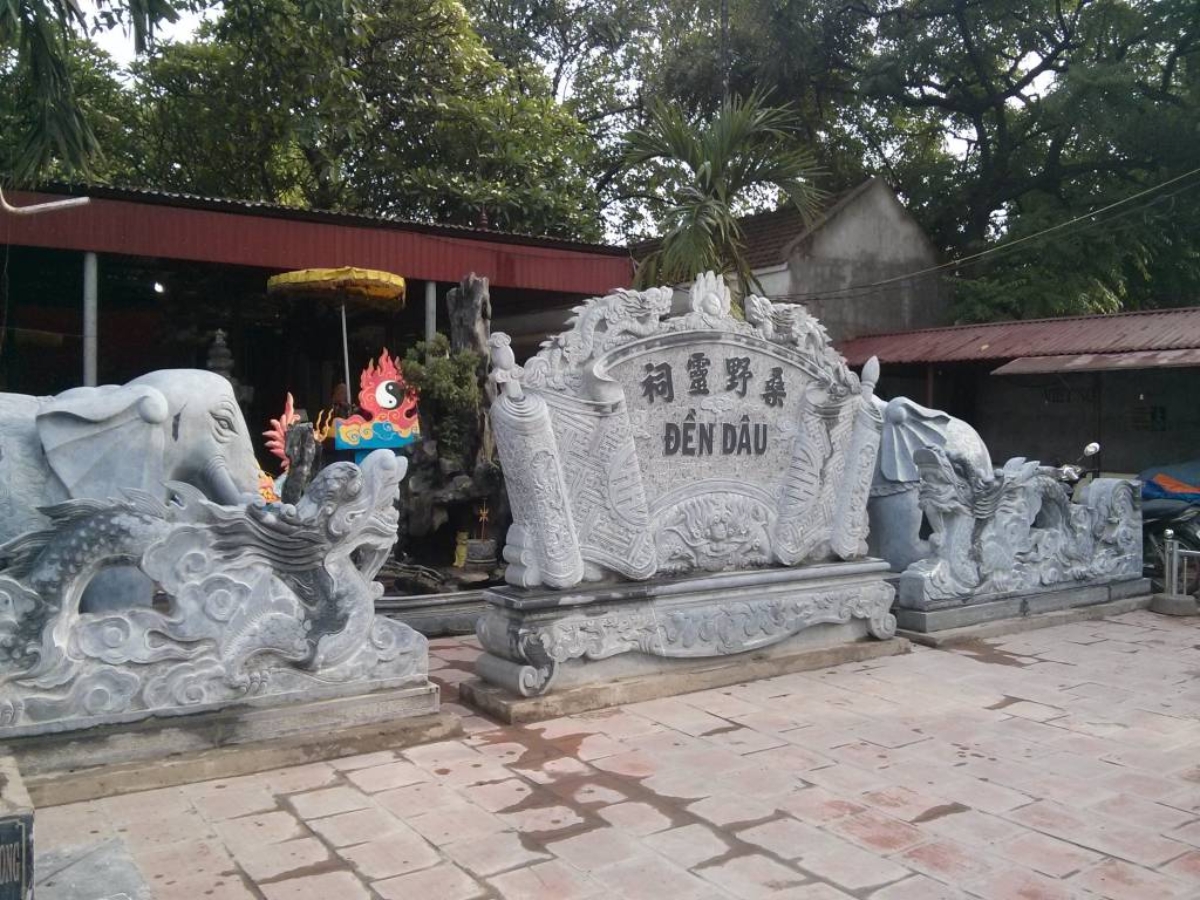
Den Dau Temple is one of the famous spiritual sites in Ninh Binh (Source: Collected)
2. Legends and historical events associated with Den Dau Temple
2.1. Legend of Princess Lieu Hanh
According to folk legend, Saint Mother Lieu Hanh once descended to earth and incarnated as an ordinary girl in the old Tam Diep region (now Trung Son ward). She lived closely with the people, diligently guiding them on how to grow mulberry, raise silkworms, improve their lives, and bring prosperity to the entire region. Not only did she help the people with their livelihoods, but Saint Mother also accompanied the Tay Son army, supporting them in their fight against foreign invaders. It was these merits and deep connection that led the people to establish Den Dau Temple to commemorate and worship her virtues.
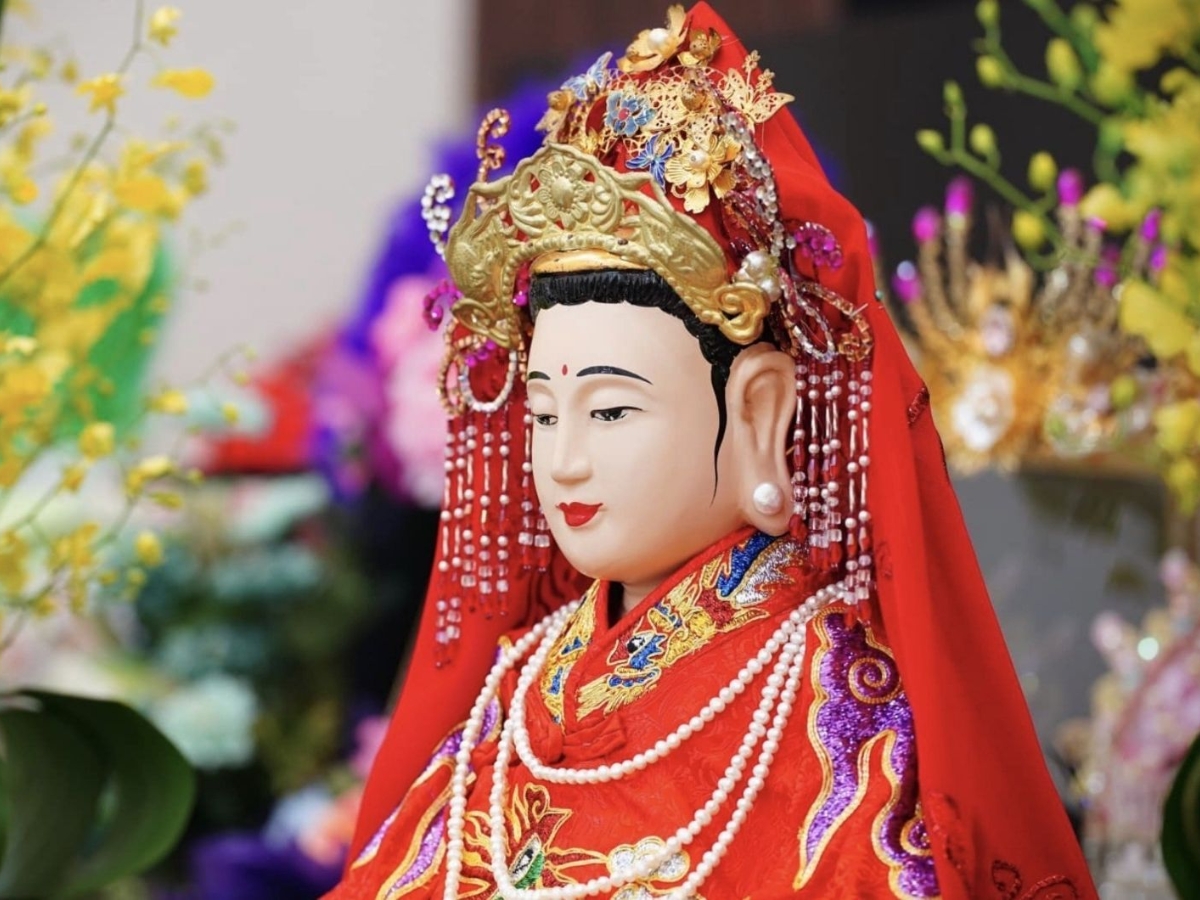
Local people established Dau Temple to commemorate and worship the merits of Saint Mother Lieu Hanh. (Source: Collected)
2.2. Dau Temple is associated with historical events
Dau Temple is not only a place to worship Saint Mother Lieu Hanh but is also associated with many important historical milestones of the nation. In 1592, Lord Trinh Tung, assisting King Le, led three armies across the Ba Doi Pass to attack Dong Kinh and once stopped to rest at Dau Temple before deploying troops. By 1788, Emperor Quang Trung also chose Tam Diep as the assembly point for 100,000 troops and built a temporary palace near the temple area when preparing for the lightning campaign to repel the Thanh troops. The presence of famous generals and kings has made Dau Temple a special mark in the Tam Diep – Bien Son defense system.
Not only recorded in military events of the feudal era, Dau Temple is also an important site in modern revolutionary history. In September 1952, the 3rd Congress of the Yen Son commune branch took place here, with the participation of Yen Binh, Yen Son, Quang Son communes and a part of the area belonging to the present-day Tay Son ward. The congress set out many policies to lead the people in struggle against the raids and invasion plots of the French colonialists. These events further affirmed the special historical and cultural position of Dau Temple, making this place a vivid testament to the resilient spirit of the Tam Diep region.
3. Architectural characteristics of Dau Temple Ninh Binh
3.1. Overall architecture
Dau Temple Ninh Binh is located on a high hill facing the Southeast, with a land formation considered to fully converge beautiful feng shui elements. In front of the temple is the majestic Hong Ngoc mountain, acting as a protective screen, and behind it is Chong Den mountain, serving as a solid support. Both sides of the temple are also surrounded by sacred mountains: Ngang mountain (Hoanh Son) on the left plays the role of the Azure Dragon, while Beo mountain on the right holds the position of the White Tiger. This land formation of "left Azure Dragon – right White Tiger" further enhances the solemnity and sacredness of the worship space.
The temple consists of three main sanctuaries: De Tam, De Nhat, and De Nhi, forming a harmonious and imposing architectural complex. Each sanctuary has its own architectural characteristics but remains harmonious within the overall structure, clearly reflecting the sophistication in the ancient people's temple construction. This is the highlight that makes Dau Temple one of the unique and valuable spiritual structures in Ninh Binh.
3.2. Notable worship sanctuaries
Upon entering the De Tam sanctuary, visitors will immediately see a worship space imbued with traditional imprints. The sanctuary is built with four rows of ironwood pillars placed on ancient bồng stone bases about 40 cm high, each pillar intricately carved with soft floral and leaf patterns. The central hall hangs the large inscribed board "Tang Dã Linh Từ", affirming the sacredness of the temple. On either side are the boards "Phúc Tý Ninh Bình" and "Tối Linh Từ", creating a harmonious and majestic overall appearance. This is the worship space for the Five Immortals, carrying deep spiritual significance and serving as the first architectural highlight that welcomes visitors upon entering the temple.
Moving deeper is the De Nhi sanctuary, which houses the Four Palaces Assembly, including Thien Phu, Nhac Phu, Dia Phu, and Thoai Phu. The layout of the worship hall clearly shows solemnity: on the left is the altar for Chau De Tu, Ong Hoang Muoi, Quan Hoang, and the Tran dynasty assembly; on the right is the altar for Co Chin, Ong Hoang Bay, and the young boy. The De Nhi sanctuary also stands out with 12 monolithic square bluestone pillars, about 2 m high, carved with couplets praising the merits of Saint Mother, the story of Emperor Quang Trung paying homage to the temple, and stories related to the war against foreign invaders. It is these details that make the De Nhi sanctuary one of the most impressive points regarding the artistic and historical value of the temple.
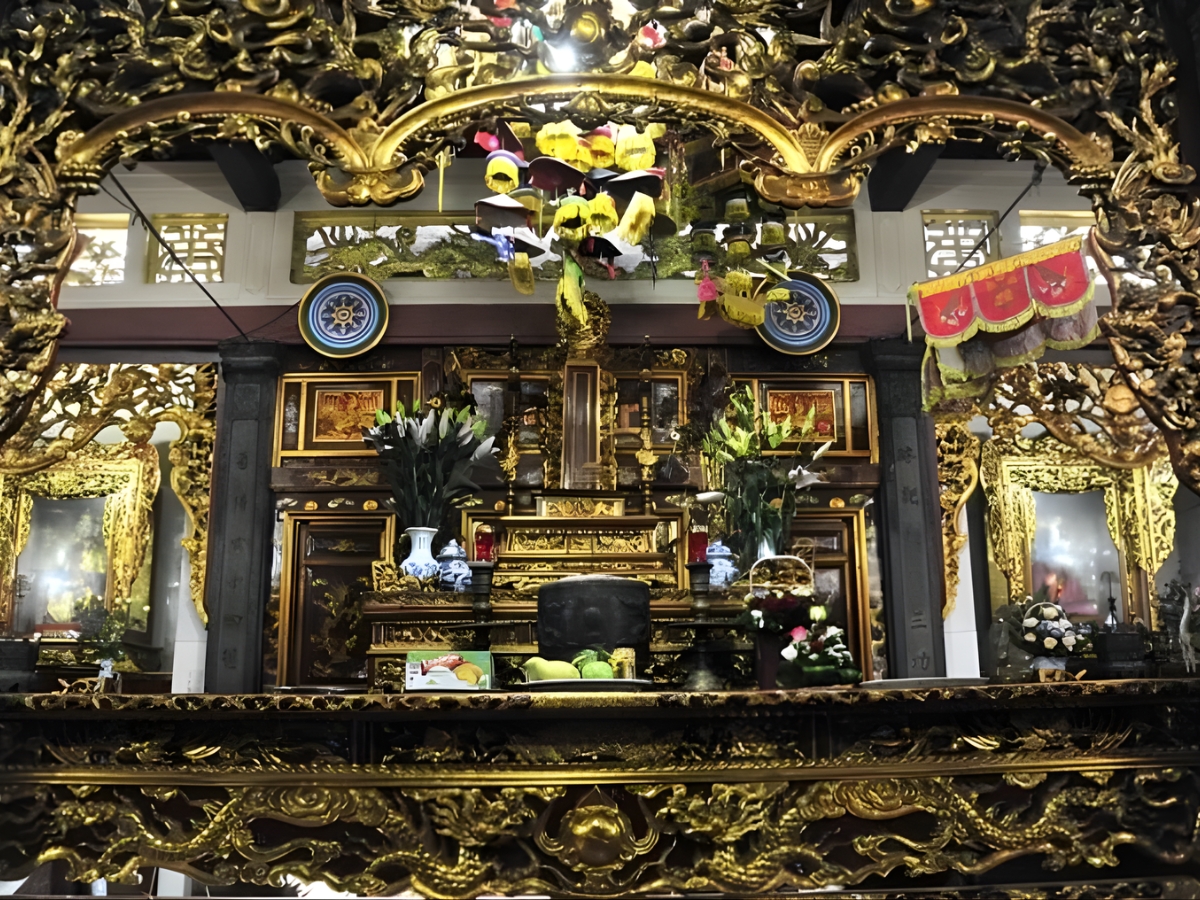
The worship area is gilded with gold and lacquer, solemnly arranged. (Source: Collected)
Deeper inside is the First Palace (Cung De Nhat), the most sacred space of Dau Temple, where the Three Mother Goddesses (Tam Toa Thanh Mau) are worshipped. The Goddess statues are placed in large, brightly gilded and lacquered palanquins. The central statue is the First Heavenly Mother (Mau De Nhat Thuong Thien) (Princess Quynh Hoa – Lieu Hanh) made of bronze, on either side are the statues of the Second Mountain Mother (Mau De Nhi Thuong Ngan) and the Third Water Mother (Mau Tam Thoai) made of wood. The three statues are majestically arranged on thrones, embodying the "Three Lives, Three Incarnations" (Tam sinh tam hoa) symbol of Mother Lieu Hanh. The space here exudes solemnity and sacredness, allowing visitors to fully appreciate the profound spiritual values of the ancient temple.
4. Visitor Experiences at Dau Temple
4.1. Spiritual Visits and Incense Offering
Dau Temple Ninh Binh is an ideal destination for those seeking a tranquil space to offer incense and pray for peace. The atmosphere here is always solemn and gentle, with the sound of bells and wooden blocks echoing amidst the mountains, helping visitors find peace and relax their souls. Many people visit the temple to pray for luck, health, and peace for themselves and their families, while also experiencing the sacredness associated with the long-standing Mother worship belief.
4.2. Photography and Cultural Exploration
Besides its spiritual value, Dau Temple is also a favorite spot for photography thanks to its ancient architecture, stone columns, spacious temple grounds, and exquisitely crafted statues. Visitors can capture many beautiful moments in the serene, historical atmosphere. Furthermore, exploring the temple helps visitors understand more about the legend of Mother Goddess Lieu Hanh, the origin of Mother worship beliefs, and the rich cultural values of the Vietnamese people.
4.3. Festivals at Dau Temple
The Dau Temple Festival is one of Ninh Binh's most distinctive festivals, attracting a large number of tourists and local residents every early spring. The festival takes place from the 15th day of the first lunar month until the 3rd day of the third lunar month annually, linked to the legend of the day the mulberry box was placed and also a celebration of King Quang Trung's safe return after victory. Although the main festival occurs on the full moon day, preparations begin vibrantly everywhere from the early days of the month. People eagerly make pilgrimages, offer sacrifices, and pay homage to pray for a peaceful, lucky, and prosperous new year for themselves and their families. This is an ideal opportunity for visitors to immerse themselves in the traditional festival atmosphere and deeply feel the unique spiritual culture of the Ninh Binh region.
5. Combine Visits to Famous Ninh Binh Attractions
After offering incense and exploring the sacred space of Dau Temple Ninh Binh, visitors can combine their trip with a visit to Bai Dinh Pagoda – the largest spiritual complex in Vietnam with many magnificent structures and majestic mountainous landscapes. From here, visitors can continue their journey to the ancient capital of Hoa Lu to admire the relics associated with the Dinh and Le dynasties, rediscovering historical imprints in the ancient and solemn space of the land that was once the old capital.
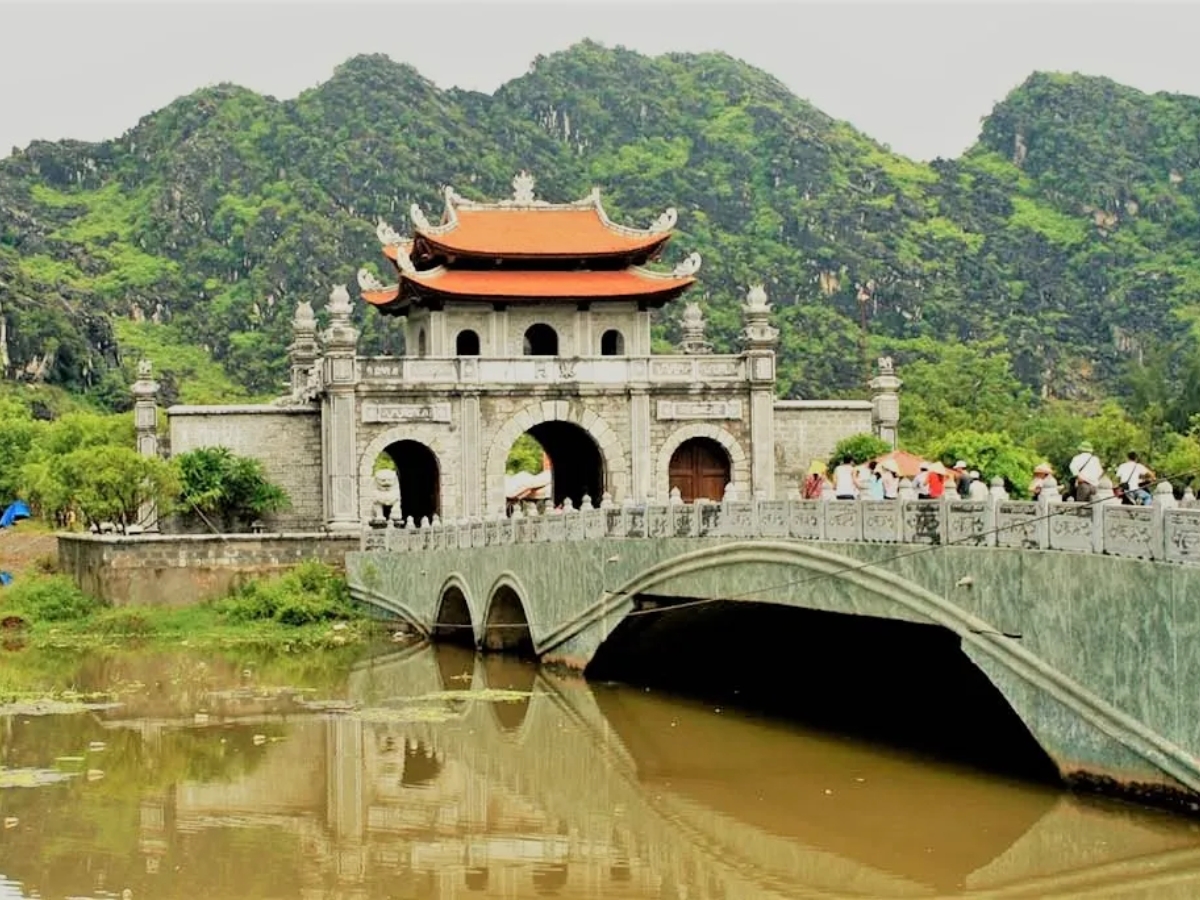
Visit the ancient capital Hoa Lu and learn about the historical stories associated with the Dinh, Le dynasties. (Source: Collected)
If you love nature, Cuc Phuong National Park is also a great choice. With its rich primeval ecosystem, this place is suitable for trekking activities, learning about flora and fauna, and exploring fascinating caves. To end the journey with a more modern experience, visitors can visit Thoi Dai Square, a vibrant space with the Trong Doi Tam symbol, impressive lighting and water music system, ideal for an evening stroll, photos, and relaxation.
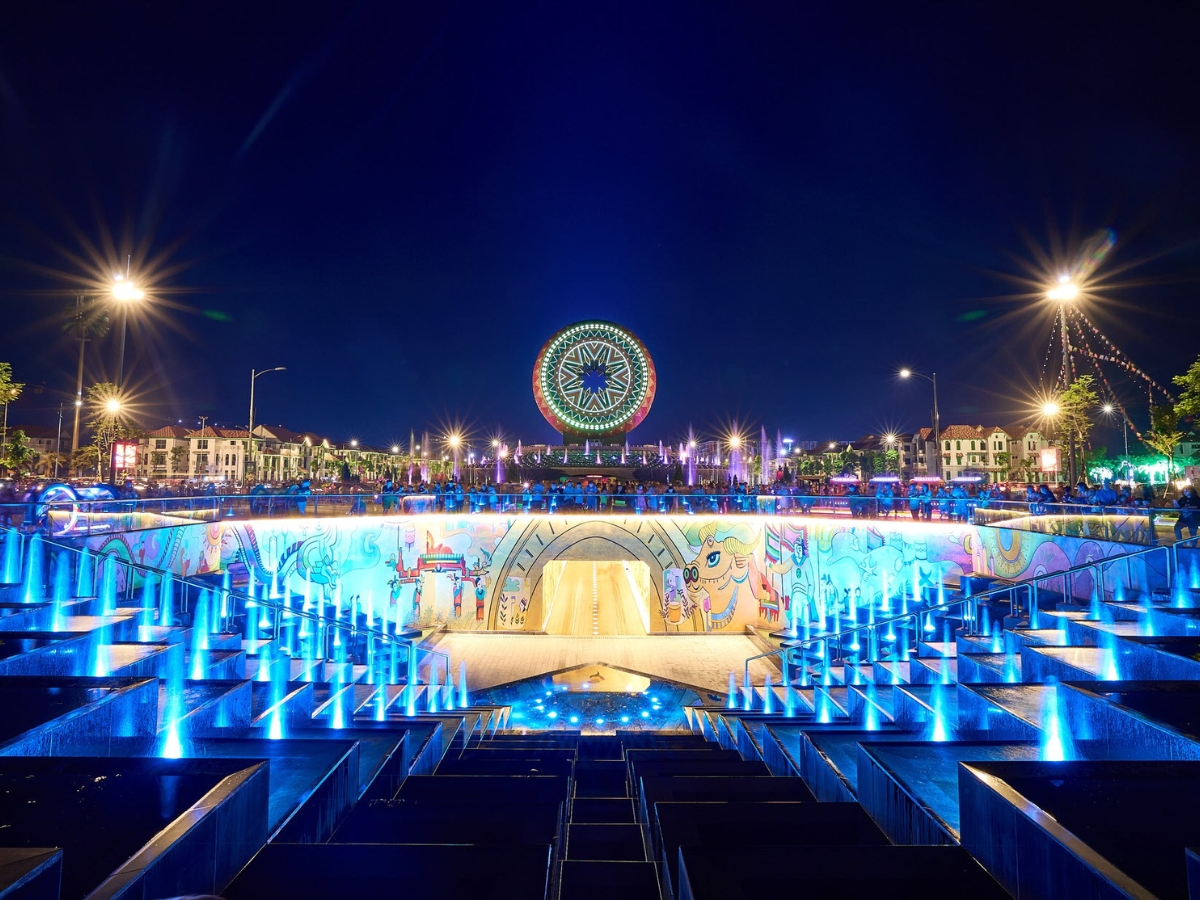
Mesmerizing water fountain show and sparkling lights at Times Square. (Source: Compilation)
Dau Temple Ninh Binh is not only a sacred spiritual destination but also a place that preserves the unique cultural and historical values of the old Tam Diep region. From its ancient architecture, beautiful feng shui space to legends and traditional festivals, the temple offers visitors a sense of peace mixed with reverence. If you are looking for a place to offer incense, worship, or simply find inner tranquility, visit Dau Temple Ninh Binh to fully experience the beauty of Mother Goddess worship culture and the sacredness of this ancient relic.


