




1. Vietnam currency at a glance
Understanding Vietnam's currency before you travel makes budgeting, shopping, and paying for everyday expenses much easier. Here's a quick overview of the country's official currency and a few simple conversion examples to help you estimate costs during your trip.
1.1. What is the official Vietnam currency?
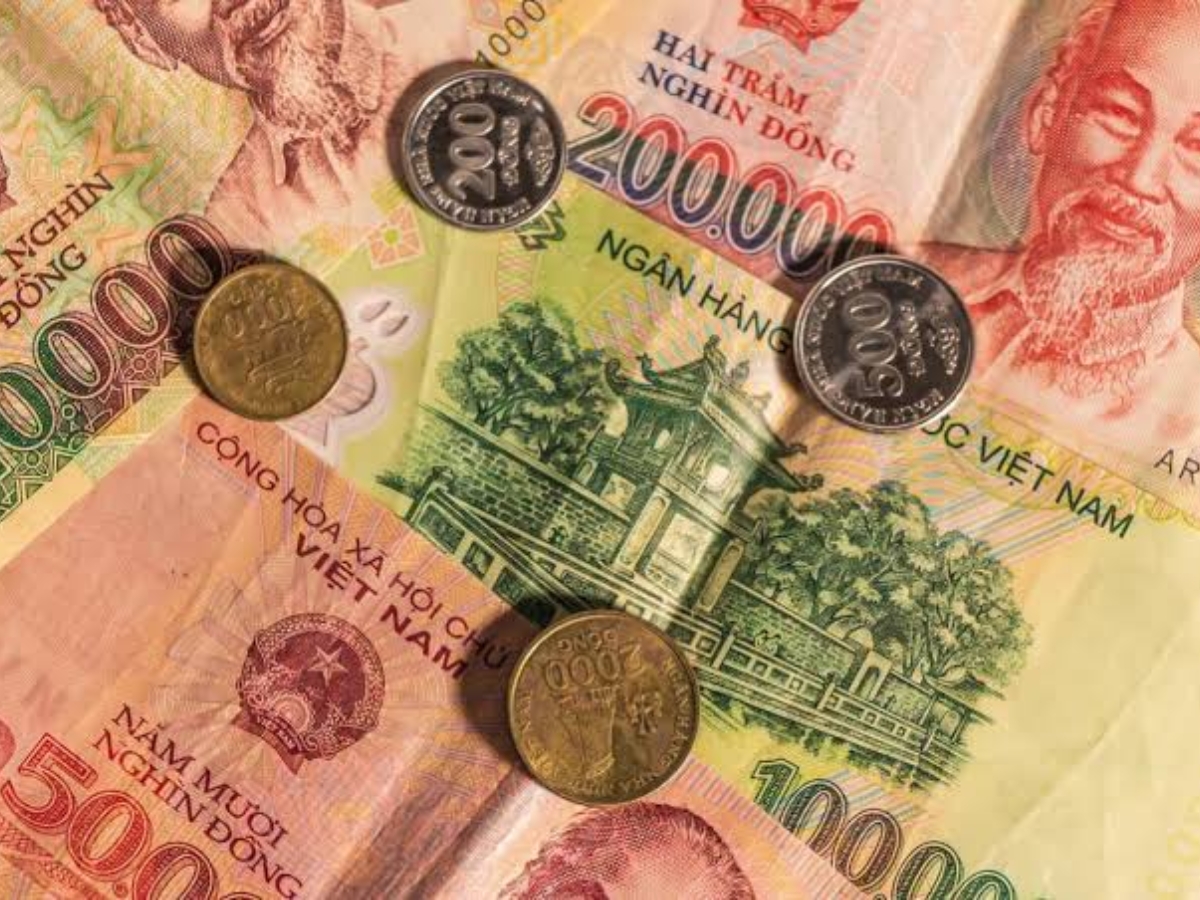
Vietnam uses the Vietnamese Dong (VND), with prices commonly shown in the thousands or millions. (Image by Internet)
The official Vietnam currency is the Vietnamese Dong, abbreviated as VND and represented by the symbol ₫. Unlike many other countries, Vietnam uses large numerical values because the Dong has a relatively low denomination, so prices are often displayed in the thousands or millions.
For example, a meal may cost around 80,000-150,000 VND, while a hotel room could be priced at several hundred thousand or even millions of Dong, depending on its location and category. Although the numbers may seem surprisingly large at first, travelers quickly become familiar with the currency after making a few everyday purchases, making it much easier to understand prices and manage their travel budget.
1.2. Vietnam currency conversion examples
Exchange rates fluctuate daily, so the examples below should be used as a general reference when planning your travel budget. Checking the latest exchange rates before your trip can help you estimate expenses more accurately and make better decisions when exchanging money.
USD to VND: 1 US Dollar (USD) is approximately 26,000 VND, making it easy to estimate accommodation, transportation, and dining costs.
SGD to VND: 1 Singapore Dollar (SGD) is typically worth around 20,000-21,000 VND, depending on the current exchange rate.
MYR to VND: 1 Malaysian Ringgit (MYR) generally converts to around 6,000-6,500 VND, although rates vary between exchange providers.
EUR to VND: 1 Euro (EUR) is usually exchanged for approximately 30,000-31,000 VND, making it one of the stronger foreign currencies accepted for exchange in Vietnam.
2. Where to exchange Vietnam currency?
Exchanging money is simple in Vietnam, with multiple options available before and after your arrival. Choosing the right place to exchange your cash can help you get better rates and avoid unnecessary fees during your trip.
2.1. Exchange money before or after arriving?
There are advantages to exchanging money both before and after reaching Vietnam. Many travelers exchange a small amount at the airport to cover immediate expenses such as transportation or meals, then convert additional funds later at banks or licensed exchange counters, where rates are often more competitive.
Understanding where to exchange Vietnam currency can help you maximize value while ensuring you always have enough cash for daily spending, especially at local markets, street food stalls, smaller businesses, and other places where card payments may not always be accepted.
2.2. Best places to exchange money in Vietnam
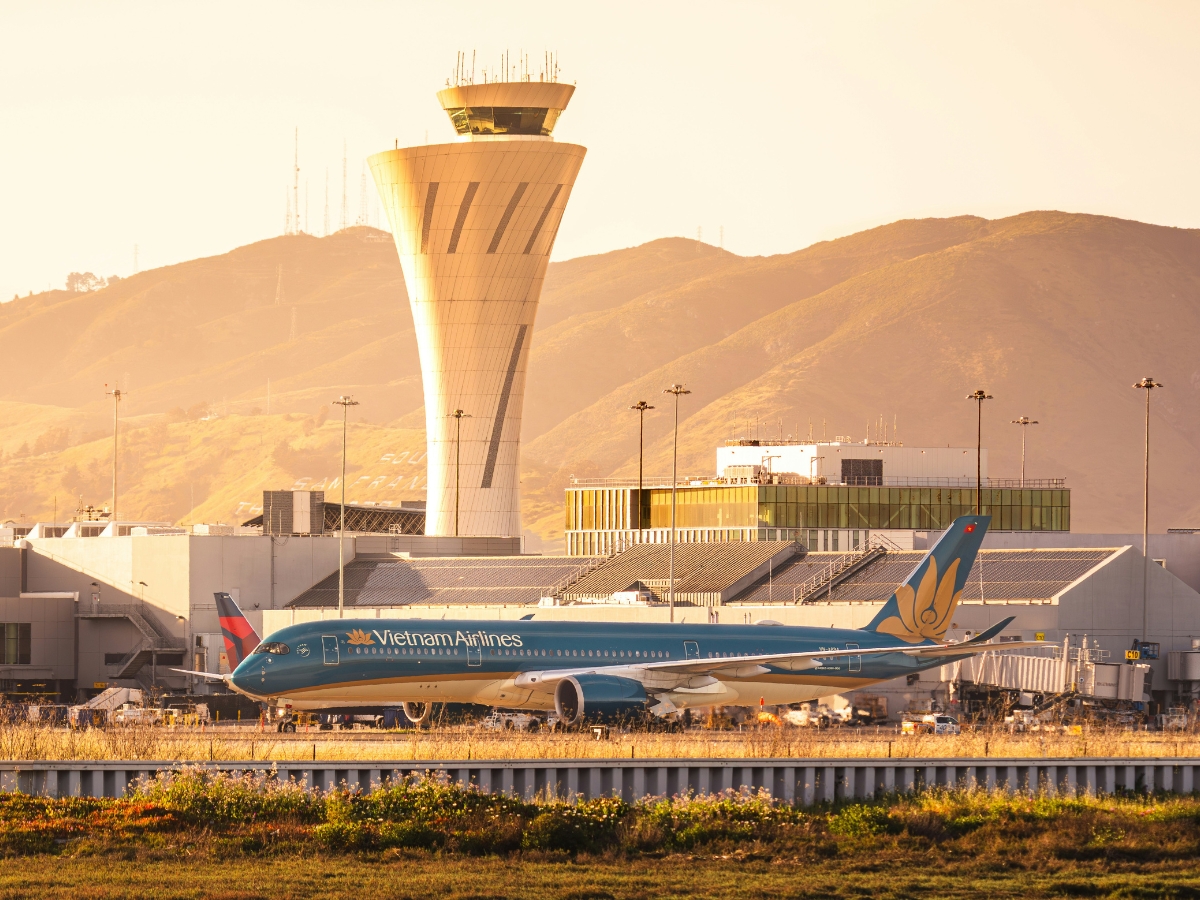
Exchange foreign currency safely at banks or airport counters when traveling in Vietnam. (Image by Internet)
Vietnam offers several reliable places to exchange foreign currencies. Commercial banks provide secure transactions and transparent exchange rates, making them one of the safest options. International airports offer convenient exchange counters for newly arrived travelers, although rates may be slightly less favorable.
Some hotels provide currency exchange services for guests, while authorized currency exchange counters in major cities often combine competitive rates with fast service. Always choose licensed providers and keep your exchange receipts when possible.
2.3. Should you bring USD, SGD or MYR?
US Dollars (USD) are generally the easiest foreign currency to exchange throughout Vietnam and are widely accepted by banks and licensed exchange counters. Singapore Dollars (SGD) and Malaysian Ringgit (MYR) can also be exchanged in major cities and popular tourist destinations, although availability may be more limited in smaller towns.
For most international visitors, bringing USD in clean, undamaged banknotes usually offers the greatest flexibility and the most competitive exchange options during their trip. US Dollars are widely accepted by banks and licensed exchange counters, making them a convenient choice for exchanging money throughout Vietnam.
3. Using Vietnam currency during your trip
Paying for goods and services in Vietnam is generally straightforward, but knowing when to use cash or cards can make your trip more convenient. Knowing local payment methods also helps you avoid unnecessary fees and ensures a smoother travel experience.
3.1. Cash vs card in Vietnam
Although cash remains the most common payment method, especially at local markets, street food stalls, and small family-run businesses, card payments have become increasingly popular in major cities. Hotels, shopping malls, supermarkets, upscale restaurants, and many tourist attractions widely accept Visa, Mastercard, and other international cards.
Contactless payment is also becoming more common at larger retailers, hotels, restaurants, and shopping malls, making it easier for travelers to use Vietnam currency alongside digital payment options throughout their visit without relying entirely on cash.
3.2. ATMs and cash withdrawals
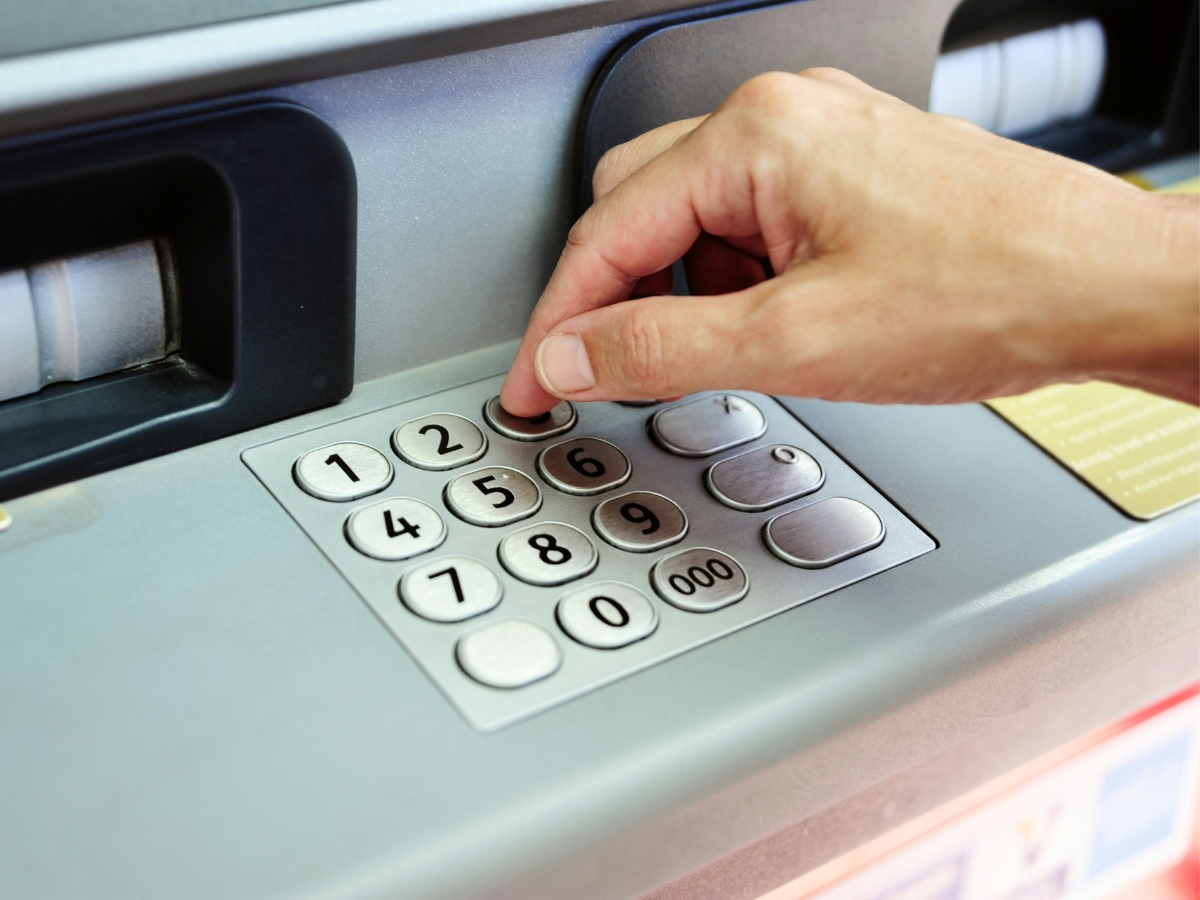
ATMs are widely available across Vietnam and accept most major international bank cards. (Image by Internet)
ATMs are widely available throughout Vietnam, particularly in airports, shopping centers, tourist districts, and major cities such as Hanoi, Da Nang, and Ho Chi Minh City. Most machines accept international bank cards, including Visa, Mastercard, Cirrus, Plus, and UnionPay.
Daily withdrawal limits vary by bank, typically ranging from 2 million to 10 million VND per transaction, while some banks allow higher limits. Travelers should also check with their home bank regarding international withdrawal fees before departure and notify their bank of overseas travel if required to prevent unexpected card restrictions.
3.3. Mobile payments and QR codes
Mobile payment options continue to expand across Vietnam, especially in larger cities. Many hotels, supermarkets, restaurants, and retail stores now accept Apple Pay and Google Pay through compatible international credit or debit cards. Contactless payments are becoming increasingly common at tourist-friendly businesses, allowing visitors to pay quickly and securely without carrying large amounts of cash for everyday purchases.
Vietnam also has several popular domestic QR payment platforms, such as MoMo, ZaloPay, and VietQR, although these are primarily designed for local bank accounts. International visitors will generally find that contactless cards and digital wallets linked to overseas cards offer the most convenient cashless payment solution.
4. Vietnam currency tips for visiting Da Nang
Smart money tips can help you save more and enjoy a hassle-free trip around Da Nang. (Image by Internet)
Managing your money wisely can help you enjoy a smoother and more budget-friendly trip around Da Nang. These practical tips will help you pay conveniently, avoid unnecessary fees, and make the most of your travel budget while exploring the city's top attractions.
Carry some cash for everyday purchases. Street food vendors, local markets, small cafés, and independent shops often prefer cash payments, even though card acceptance is becoming more common.
Use credit or debit cards for larger expenses. Hotels, shopping malls, upscale restaurants, and many tourist attractions in Da Nang generally accept international Visa and Mastercard payments.
Withdraw cash from ATMs when needed. ATMs are widely available across the city, including near the airport, shopping centers, and popular tourist districts, making it easy to access Vietnamese Dong during your stay.
Exchange money only at reputable locations. Banks and licensed exchange counters usually offer better security and more competitive exchange rates than unofficial money changers.
Keep small-denomination banknotes handy. Smaller bills are useful for taxis, Grab rides, local restaurants, entrance fees, and tipping when appropriate.
Plan your budget before visiting major attractions. If you're including Sun World Ba Na Hills in your itinerary, set aside enough Vietnamese Dong or use an accepted card for transportation, admission tickets, meals, beverages, and optional shopping during your visit.
Monitor exchange rates before your trip. Checking the latest rates and exchanging money gradually can help you receive better value and manage your overall travel budget more effectively.
5. Common Money Mistakes Tourists Make in Vietnam
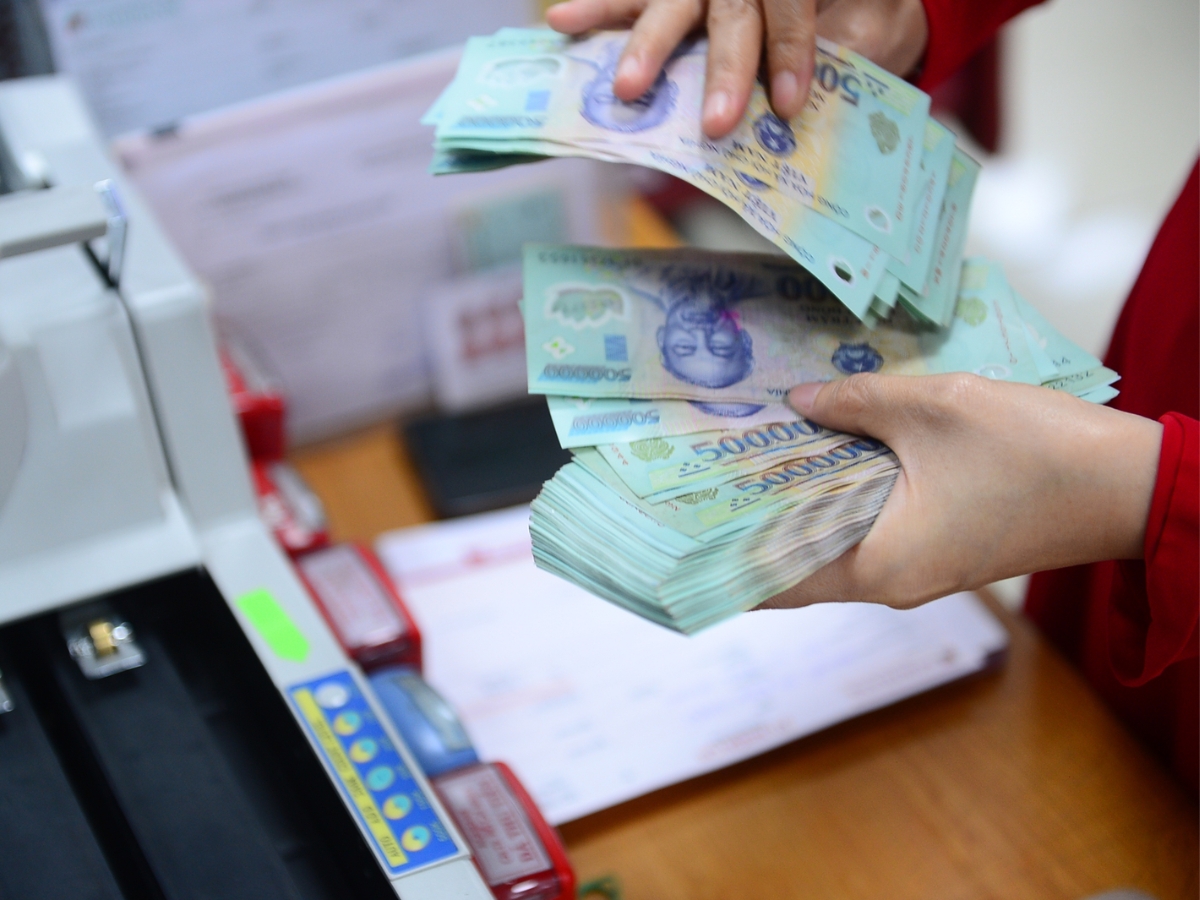
Avoid common money mistakes to enjoy a smoother, safer, and more budget-friendly trip in Vietnam. (Image by Internet)
Although Vietnam is an affordable and traveler-friendly destination, simple money-related mistakes can lead to unnecessary expenses or inconvenience. Understanding how the local currency works and planning your spending wisely will help you enjoy a smoother, safer, and more budget-friendly trip.
5.1. Confusing Similar Banknotes
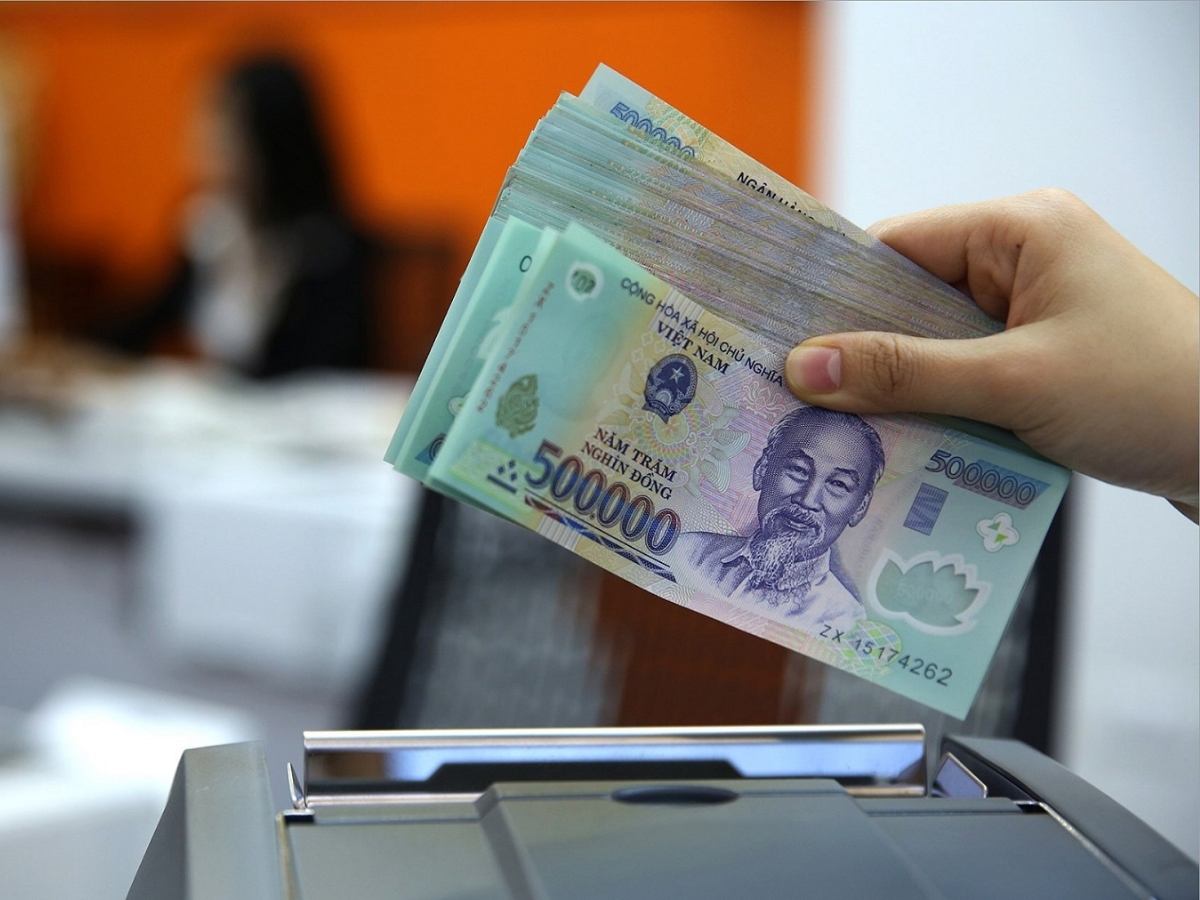
Vietnamese banknotes, especially the higher-value polymer notes, can look quite similar at first glance because they share the same color palette and material. Take a moment to check both the denomination and the printed numbers before paying, particularly when handling 20,000, 50,000, 200,000, and 500,000 VND notes, to avoid accidental overpayment.
5.2. Carrying Too Much Cash
While cash is still useful for markets, street food, and small local businesses, carrying large amounts of money throughout the day isn't necessary. Keep only what you expect to spend, store the rest securely in your hotel safe, and use cards or mobile payments whenever they're accepted for added convenience and security.
5.3. Ignoring Exchange Fees
Not all currency exchange services offer the same rates or fee structures. Some airport counters, hotels, or unofficial exchanges may provide less favorable rates than licensed exchange counters or banks. Comparing exchange rates in advance and checking for hidden fees can help you get better value from your money.
5.4. Forgetting Small Denominations
Many taxis, local cafés, convenience stores, and street vendors may not always have enough change for large banknotes, especially early in the day. Keeping a selection of smaller denominations such as 10,000, 20,000, and 50,000 VND makes everyday purchases quicker and helps avoid payment delays or awkward situations.
A good understanding of Vietnam currency allows you to travel more confidently, from exchanging money to paying for meals, shopping, and attractions. Preparing your budget in advance helps you make the most of every experience during your visit. Add Sun World Ba Na Hills to your travel plans and enjoy one of Vietnam's most iconic destinations, featuring breathtaking mountain views and year-round entertainment.


