




1. What makes Da Nang food worth trying?
Da Nang’s food scene reflects the character of Central Vietnam: bold flavors, fresh ingredients, abundant seafood, and dishes designed for casual everyday eating. From busy markets and family-run eateries to beachfront seafood restaurants, visitors can experience local cuisine in many different settings.
1.1. Distinctive Central Vietnamese flavors
Da Nang cuisine often balances savory, spicy, salty, sweet, and aromatic flavors, making it easy to understand why visitors seek out must try Da Nang local food during their trip. Fresh herbs, chili, peanuts, rice products, fermented sauces, and concentrated broths appear across many local dishes. Specialties such as Mi Quang and Bun Mam Nem demonstrate how relatively simple ingredients can create distinctive layers of flavor and texture.
1.2. Fresh seafood from a coastal city
Da Nang’s long coastline makes seafood an important part of its dining culture. Restaurants and local eateries serve shrimp, squid, fish, crab, clams, and snails prepared by steaming, grilling, boiling, or stir-frying with aromatic seasonings. This variety allows travelers to explore different preparations rather than limiting themselves to one signature seafood dish.
1.3. Affordable and accessible local dining
You do not need an upscale restaurant to experience Da Nang’s local cuisine. Markets, street-food stalls, neighborhood eateries, and casual restaurants serve everything from noodle soups and rice dishes to savory snacks and desserts, often at accessible prices. This makes it easy to sample several specialties during even a short stay.
1.4. Food that connects you with local culture
Trying local food provides a glimpse into Da Nang’s everyday routines and culinary traditions. Breakfast noodle shops, seafood dinners, shared plates, and evening snacks all reveal how food fits naturally into daily life. Exploring these dishes also introduces travelers to ingredients and eating styles that are characteristic of Central Vietnam.
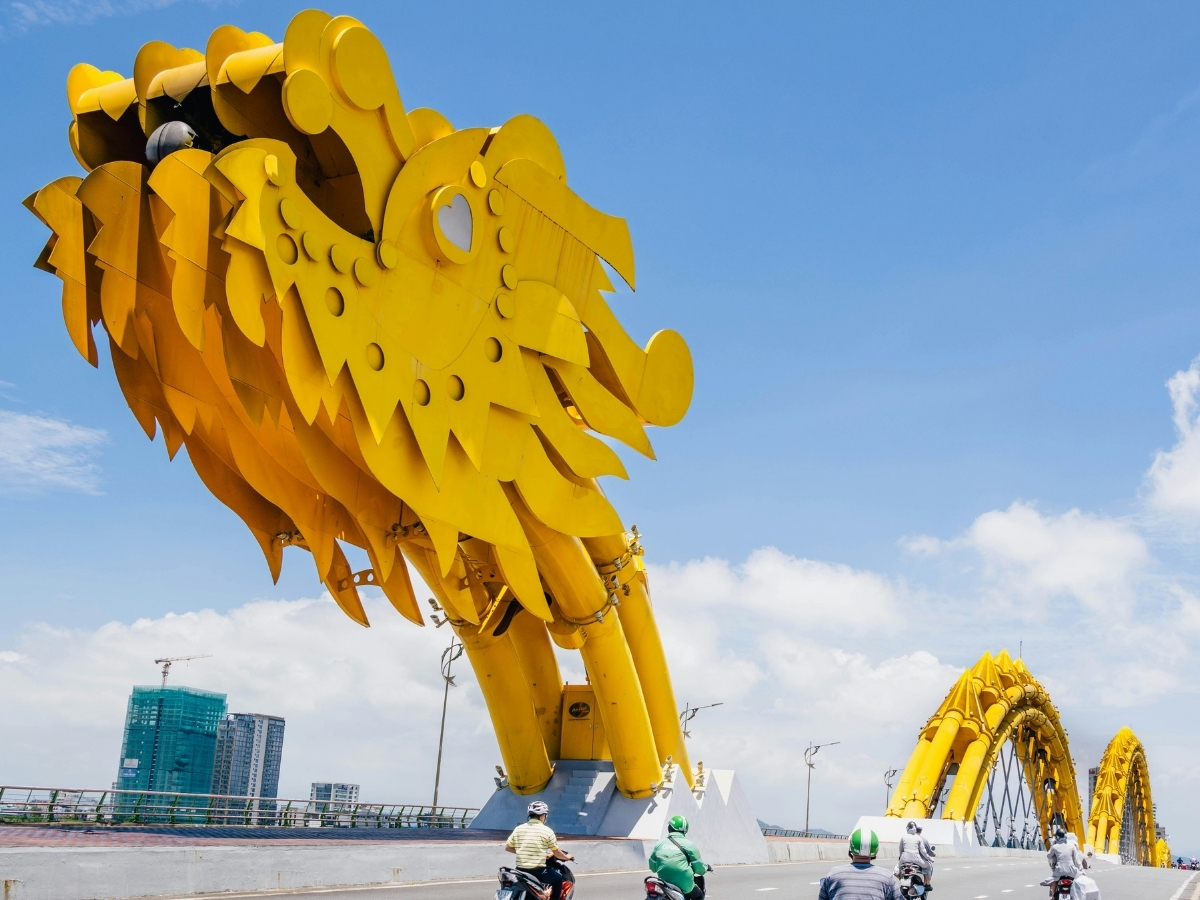
Da Nang food stands out for bold flavors, fresh ingredients, local specialties, and abundant seafood. (Source: Internet)
2. 12 Must try Da Nang local food dishes
Da Nang’s food scene is shaped by the flavors of Central Vietnam, combining fresh seafood, aromatic herbs, rice noodles, bold dipping sauces, and simple street-food traditions. From filling noodle bowls to small savory cakes and refreshing desserts, these dishes offer plenty of ways to experience the city through its food.
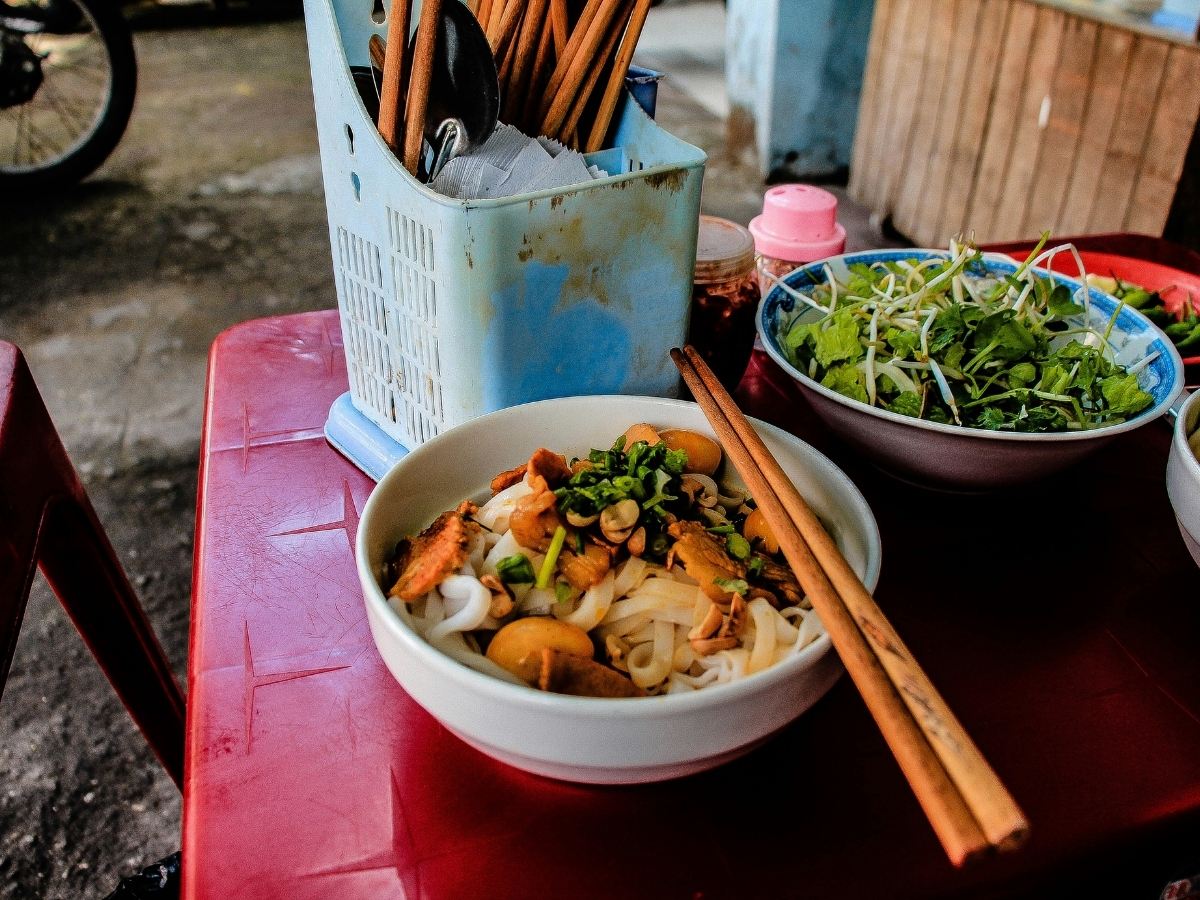
Discover 12 must-try Da Nang dishes that showcase the city’s distinctive local flavors. (Source: Internet)
2.1. Mi Quang (Quang-style turmeric noodles)
One of the most iconic must try Da Nang local food dishes, Mi Quang features broad, turmeric-tinted rice noodles served with just a small amount of concentrated, savory broth rather than a full bowl of soup. The noodles are topped with fresh herbs, roasted peanuts, and crispy rice crackers. Common variations include chicken, pork, shrimp, and sometimes frog, giving travelers several versions of this Central Vietnamese specialty to explore.
2.2. Bun Cha Ca (Fish cake noodle soup)
Bun Cha Ca is a comforting noodle soup built around springy fish cakes and a light, savory broth. The bowl typically combines rice vermicelli with vegetables, herbs, and pieces of fried or steamed fish cake, creating a meal that feels flavorful without being overly heavy. It is particularly popular for breakfast and lunch, although many local eateries serve it later in the day as well.
2.3. Banh Trang Cuon Thit Heo (Pork rice paper rolls)
This Da Nang favorite combines thinly sliced pork with rice paper, fresh herbs, cucumber, and other crisp vegetables, accompanied by intensely savory mam nem, or fermented anchovy sauce. For first-time visitors, the fun is assembling each bite yourself: soften or prepare the rice paper as provided, layer in pork and vegetables, roll everything tightly, then dip the roll into the sauce. Start with a little mam nem if you're unfamiliar with its strong flavor.
2.4. Bun Mam Nem (Rice vermicelli with fermented anchovy sauce)
Bun Mam Nem combines rice vermicelli with pork, fresh vegetables, herbs, and fermented anchovy sauce. Unlike noodle soups, the ingredients are mixed together so the sauce coats the noodles and toppings. Mam nem has a distinctly salty, fermented, pungent flavor, which can be surprisingly intense for first-time visitors. The herbs, vegetables, and other toppings help balance that richness, making the dish complex, fresh, savory, and unmistakably Central Vietnamese.
2.5. Banh Xeo & Nem Lui (Crispy pancakes & grilled pork skewers)
Banh Xeo and Nem Lui make a particularly satisfying combination. Banh Xeo is a thin, crispy savory pancake commonly filled with pork, shrimp, and bean sprouts, while Nem Lui consists of seasoned meat grilled on skewers. Diners typically wrap pieces with herbs and vegetables in rice paper before dipping them into sauce. The combination of crisp pancake, smoky meat, fresh greens, and rich dipping sauce creates contrasting textures in every bite.
2.6. Da Nang seafood
With the sea right on its doorstep, Da Nang is an excellent place to enjoy shrimp, squid, clams, crab, fish, and snails prepared in numerous styles, from steaming and grilling to stir-frying. At seafood restaurants, prices may be listed per kilogram, by weight, or per portion, depending on the ingredient and establishment. Before ordering live or fresh seafood, confirm the price, approximate weight, preparation method, and whether any cooking charges apply to avoid surprises when the bill arrives.
2.7. Goi Ca Nam O (Nam O fish salad)
Originating from Nam O fishing village in northwestern Da Nang, Goi Ca Nam O showcases fresh fish combined with herbs, vegetables, and a flavorful dipping or mixing sauce. The specialty is commonly described in dry and wet versions: the dry style emphasizes seasoned fish and accompanying ingredients, while the wet version incorporates more sauce. Its combination of fresh herbs, fish, spice, and bold seasonings makes it particularly interesting for adventurous food lovers.
2.8. Com Ga (Vietnamese chicken rice)
Com Ga is a straightforward but satisfying meal found throughout Central Vietnam. Fragrant rice is served with tender chicken, often accompanied by shredded vegetables, herbs, pickles, and a savory dipping sauce. Depending on the restaurant, the chicken may be boiled, shredded, roasted, or prepared in another house style. Its familiar ingredients and relatively approachable flavors make chicken rice a useful choice for travelers who want something less intense than fermented sauces or strongly seasoned seafood.
2.9. Banh Canh (Thick noodle soup)
Banh Canh is known for its thick, pleasantly chewy noodles, usually made from rice flour, tapioca starch, or a combination of the two. The noodles are served in a savory broth with toppings that vary by shop, including fish cake, fish, crab, shrimp, or pork. Its thicker noodles and comforting broth distinguish it from Bun Cha Ca and other Vietnamese noodle soups, making it an excellent choice for breakfast, lunch, or a casual evening meal.
2.10. Banh Beo, Banh Nam & Banh Loc (Central Vietnamese savory cakes)
These three small dishes provide an excellent introduction to Central Vietnam’s rice-based snacks. Banh Beo consists of steamed rice cakes topped with savory ingredients; Banh Nam is a soft, flat rice-flour cake traditionally steamed in banana leaves; and Banh Loc has a translucent, chewy tapioca-based wrapper commonly containing shrimp or pork. Ordering a mixed plate allows travelers to compare their distinctive textures, fillings, toppings, and dipping sauces in one sitting.
2.11. Oc Hut (Spicy stir-fried snails)
Oc Hut is a popular Da Nang snack featuring small snails cooked with bold aromatics and seasonings, often including lemongrass and chili. Rather than eating them with a fork, diners traditionally extract or suck the meat from the shells, making the dish as much an experience as a snack. Its spicy, aromatic profile pairs well with casual evening dining, and you'll often encounter it at street-food stalls and local eateries rather than formal restaurants.
2.12. Che (Sweet soup)
For something sweet after a savory food tour, try Che, a broad category of Vietnamese desserts that can include beans, jelly, fruit, coconut milk, tapioca, or other ingredients. Depending on the variety, it may be served chilled with ice or warm, giving travelers plenty of options throughout the year. Da Nang's dessert shops often offer several colorful varieties, making Che an easy and refreshing way to finish an evening of exploring the city's local cuisine.
3. Where to find the best local food in Da Nang
Knowing where to eat can make exploring Da Nang’s food scene just as exciting as deciding what to order. Traditional markets are ideal for sampling local favorites, while neighborhoods near the beach offer everything from casual Vietnamese eateries to seafood restaurants and modern cafés.
3.1. Con Market
Con Market is one of the best starting points for first-time visitors interested in exploring Da Nang’s everyday food culture. Its busy food areas offer a wide selection of local dishes, savory snacks, and Vietnamese desserts, making it possible to sample several specialties in one visit. Look for dishes such as Mi Quang, Bun Mam Nem, Banh Beo, and Che. Prices are generally affordable, making the market particularly suitable for budget-conscious food exploration.
3.2. Han Market
Located in central Da Nang, Han Market is convenient for travelers combining sightseeing, shopping, and local food. Beyond stalls selling fresh produce, dried seafood, sauces, and regional specialties, visitors can find prepared dishes and snacks that provide an introduction to Central Vietnamese flavors. Its central location near the Han River and Da Nang Cathedral makes it easy to include in a walking itinerary, particularly for travelers staying around the city center.
3.3. My Khe & An Thuong
The My Khe and An Thuong area is a convenient choice for travelers who want local food close to the beach and major accommodation areas. Around My Khe, seafood restaurants are particularly popular, with fish, shrimp, squid, shellfish, and snails prepared in numerous styles. An Thuong adds casual Vietnamese eateries, street food, cafés, and a broad international dining scene, making the neighborhood suitable for groups with different tastes or travelers staying in Da Nang for several days.
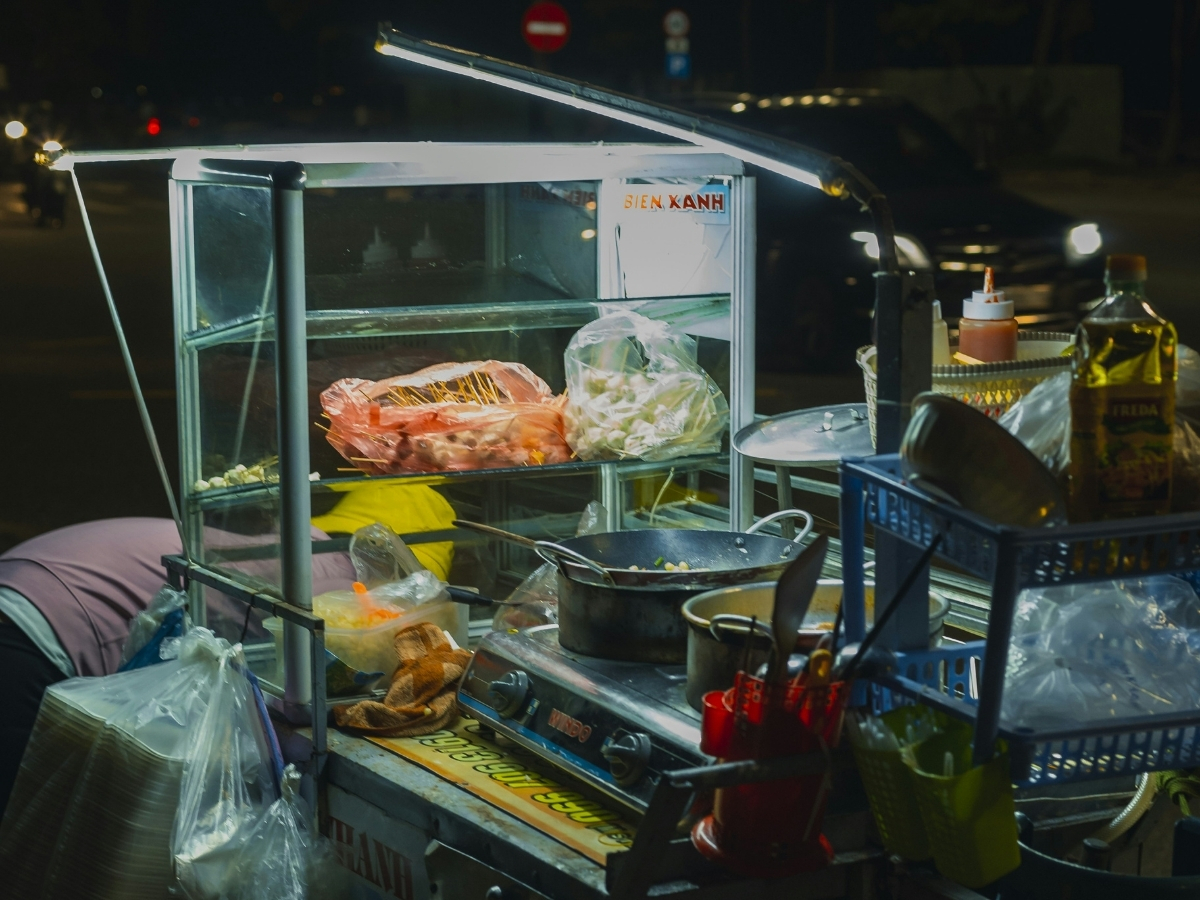
My Khe and An Thuong Beach are best for local snacks, regional specialties, and authentic Central Vietnamese flavors. (Source: Internet)
3.4. Refuel on the mountain: Food stops at Ba Na Hills
A full day at Sun World Ba Na Hills involves plenty of walking, sightseeing, and entertainment, so it is worth building a few food stops into your itinerary rather than waiting until you return to the city. Between visiting the Golden Bridge, exploring the French Village, watching performances, and discovering seasonal attractions, travelers can take a break at the dining venues around the complex.
For instance, as a lighter stop, Eric Kayser is a convenient option for pastries, bread, desserts, and café-style refreshments, making it easy to recharge before continuing your sightseeing. If you prefer a more relaxed break later in the day, Sun KraftBeer adds a different experience with craft beer and food in the lively atmosphere of Ba Na Hills. It can be a fun way to slow down after several hours of walking and attractions before continuing to explore the mountain.
Rather than treating dining as separate from the experience, plan your meals around the attractions you want to see. Start with the Golden Bridge and surrounding gardens, explore the French Village and entertainment areas, then stop for lunch, a pastry, coffee, or a drink when you need a break. Seasonal festivals and performances can also make dining areas feel livelier at certain times of the year, so checking the current Ba Na Hills program before your visit can help you coordinate meals with shows and other activities.
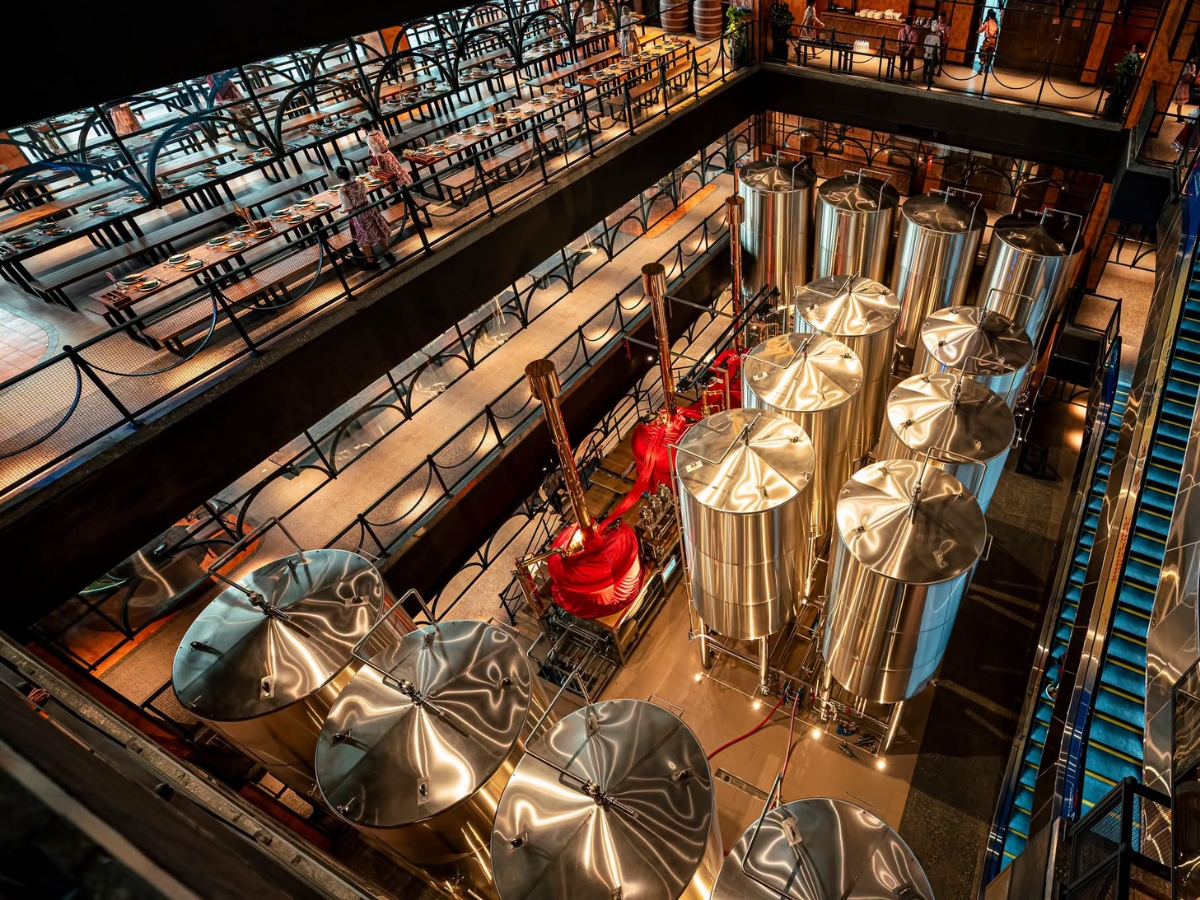
Recharge between Ba Na Hills attractions with pastries at Eric Kayser or a relaxed stop at Sun KraftBeer. (Source: Sun World)
4. Food safety & Ordering tips for first-time visitors
Trying local food is one of the highlights of visiting Da Nang, but unfamiliar menus, ingredients, and ordering styles can sometimes be confusing for first-time visitors. These simple tips can help you order with confidence, avoid common misunderstandings, and enjoy the city’s food scene more comfortably.
Choose busy, clean-looking eateries: Restaurants and stalls with steady customer turnover are generally a better choice, particularly for dishes containing meat, seafood, or fresh ingredients.
Check seafood prices before ordering: Fresh seafood may be priced per kilogram, by weight, or per portion. Confirm the price, approximate weight, preparation method, and any additional charges before placing your order.
Ask about unfamiliar ingredients: If you have allergies or dietary restrictions, clearly communicate them before ordering rather than relying only on the dish name or appearance.
Start slowly with fermented sauces: Local condiments such as mam nem have strong, salty, fermented flavors. Try a small amount first and add more according to your preference.
Be cautious with raw or undercooked foods: Travelers who are sensitive to unfamiliar foods may prefer dishes that are freshly prepared and thoroughly cooked, especially meat, fish, shellfish, and eggs.
Carry some Vietnamese Dong: Smaller eateries, traditional markets, and street-food vendors may favor cash, so keeping small-denomination notes handy can make ordering and payment easier.
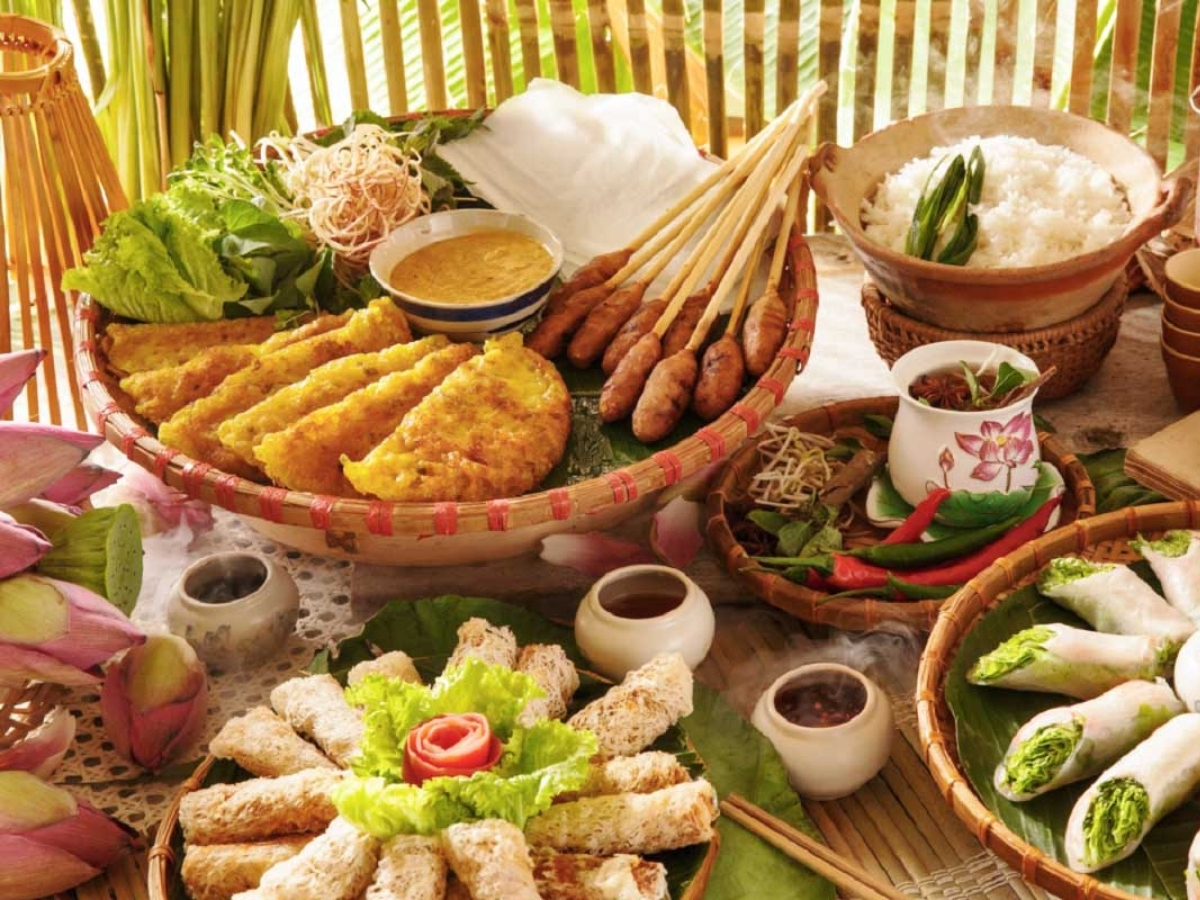
Follow simple food safety and ordering tips to enjoy Da Nang’s local cuisine with confidence. (Source: Internet)
Exploring must try Da Nang local food is a delicious way to discover the city’s culture, traditions, and coastal character. From Mi Quang and Banh Trang Cuon Thit Heo to fresh seafood and refreshing Che, every dish offers something different. Visit local markets, neighborhood eateries, and beachfront restaurants to experience Da Nang’s diverse flavors and make food a memorable part of your journey.


