



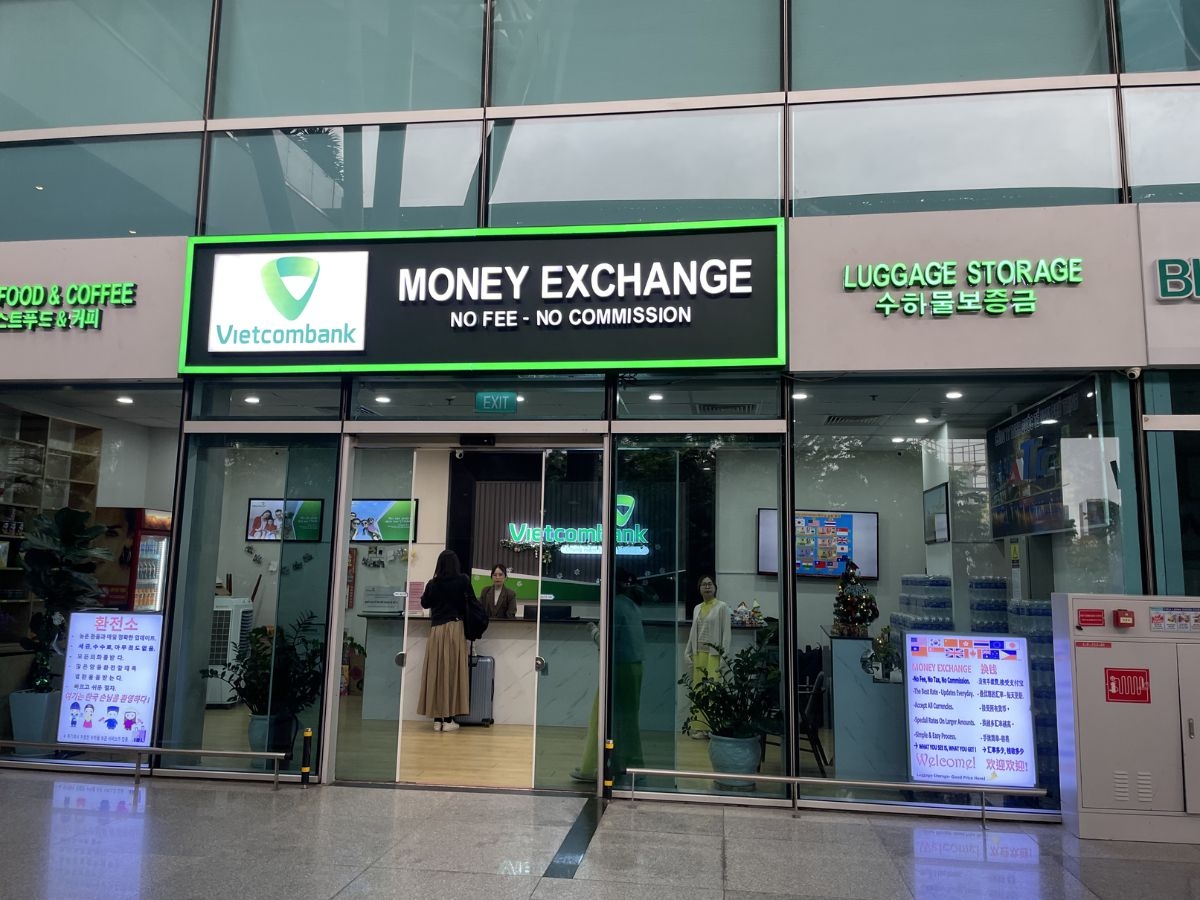
1. Da Nang offers convenient currency exchange options for Indian travellers
When visiting Da Nang for the first time, Indian travellers can prepare Vietnamese dong for their expenses without necessarily exchanging their entire travel budget in advance. The Vietnamese dong is the official currency used in Vietnam, while international visitors can combine cash with cards and other suitable payment methods, depending on the establishment.
Da Nang International Airport has foreign exchange counters and ATMs in its terminal facilities, providing additional options for financial transactions upon arrival. Families and larger groups should estimate how much money they need based on the number of travellers, length of stay and planned itinerary.
The following sections explain how to exchange Indian rupees for Vietnamese dong in Da Nang, from choosing an exchange provider to checking exchange rates and completing transactions safely.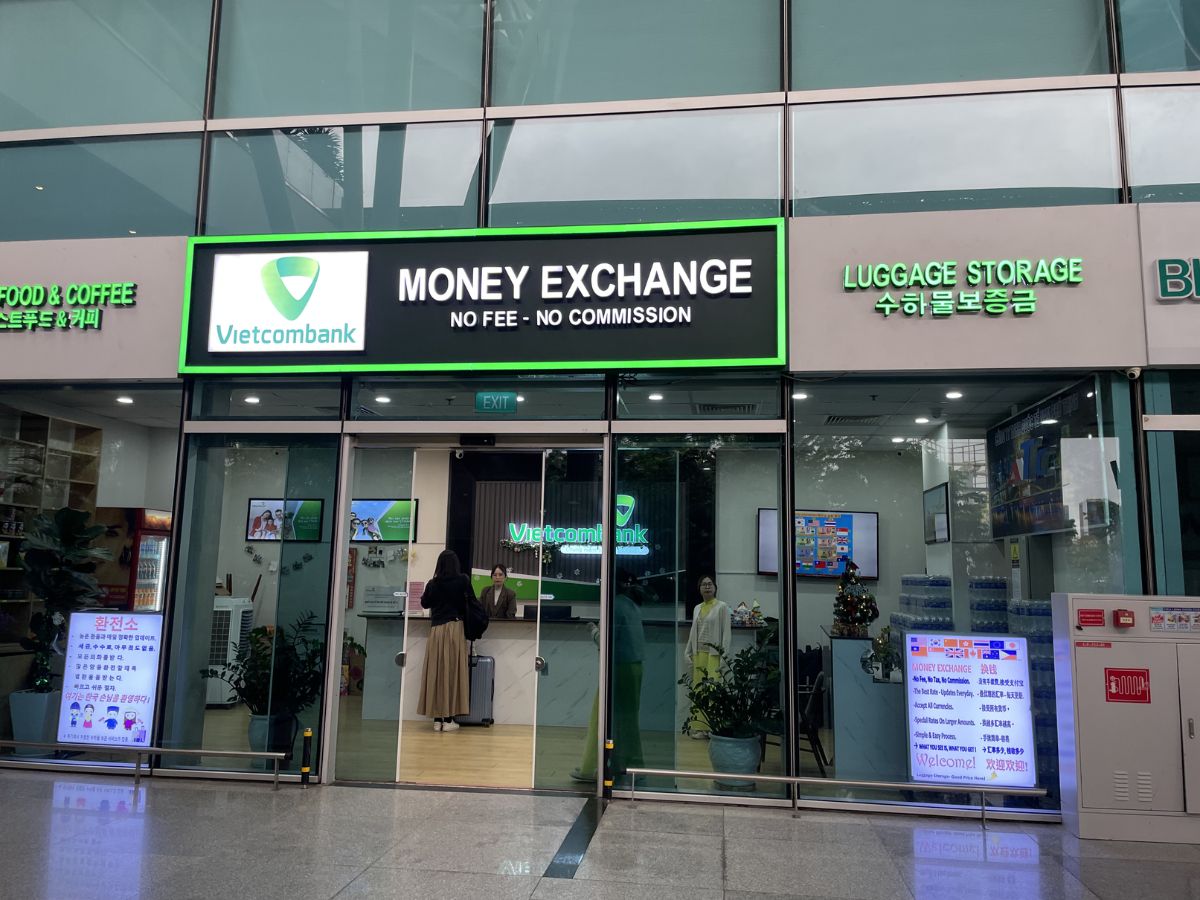
Indian travellers can conveniently exchange currency in Da Nang. (Source: Collected)
2. How Indian travellers can exchange and use Vietnamese dong in Da Nang
2.1. Exchanging INR for VND at the airport for initial expenses
After landing in Da Nang, Indian travellers can exchange a modest amount of money to cover their immediate expenses, such as transport to their hotel, purchasing a SIM card, buying drinking water or having a light meal. Terminal 2, the international terminal at Da Nang International Airport, has foreign exchange counters and ATMs. However, travellers should not assume that every counter accepts Indian rupees (INR).
Before making a transaction, confirm whether the provider can exchange INR for VND, check the exchange rate and any applicable fees, and ask how much money you will receive. Count the cash immediately at the counter.
If INR exchange services are unavailable, travellers may consider withdrawing VND using an international bank card, subject to the issuing bank's policies and withdrawal limits.
For families travelling together, it is advisable to exchange only enough for initial expenses and obtain additional cash later if needed. This helps avoid carrying unnecessarily large amounts of cash.
2.2. Exchanging currency at banks and authorised exchange providers
If their itinerary allows time for advance planning, Indian travellers can exchange INR for VND at banks or authorised foreign exchange agents in Da Nang. This option is suitable for visitors who want to confirm the applicable exchange rate, transaction fees and final amount before proceeding.
However, not every provider handles INR. Travellers should therefore check the provider's official website or contact it directly before visiting to avoid unnecessary travel.
When visiting an exchange provider, travellers should carry their passports and confirm the applicable exchange rate, transaction fees, required documentation and availability of a transaction receipt.
Under Vietnam's foreign exchange regulations, foreign exchange agents must meet the relevant requirements and hold the necessary authorisation. Families should therefore prioritise providers that clearly disclose their transaction terms rather than exchanging money at locations where rates are not displayed.
2.3. Combining cash with cards and electronic payment methods
Indian travellers do not necessarily need to exchange their entire travel budget into VND before departure. After exchanging some INR for VND in Da Nang, visitors can keep cash for smaller expenses, such as local meals, souvenirs and incidental purchases, while using bank cards at hotels, larger restaurants and shopping centres where card payments are accepted.
ATMs can also provide additional Vietnamese dong when needed, although withdrawal fees and limits depend on the card-issuing bank.
Families and larger groups should have at least one backup payment method and avoid keeping all their cash, cards and identification documents in the same place. Before travelling, check whether your card supports international transactions and review any foreign currency conversion fees to avoid unexpected charges in Da Nang.
2.4. Exchanging money according to your budget and completing transactions safely
When exchanging Indian rupees for Vietnamese dong in Da Nang, travellers should avoid converting their entire budget at the beginning of the trip. Instead, calculate the amount required based on the number of people, length of stay and expenses already paid for, such as hotel accommodation, private transport and attraction tickets.
Families can prepare an initial amount of VND for meals, transport and small purchases, then exchange or withdraw more when necessary.
Before each transaction, check the INR exchange rate, any currency conversion fees and the exact amount of VND you will receive. Count the money carefully and keep the receipt, if available.
Indian travellers visiting Da Nang for the first time should prioritise banks, foreign exchange counters and authorised agents that provide clear transaction information. Exchange rates and service conditions may change, so it is advisable to check official sources before travelling.
3. Making the most of Da Nang: experiences for Indian travellers
3.1. Exploring Sun World Ba Na Hills with a convenient itinerary
Sun World Ba Na Hills is a must-visit destination for Indian travellers exploring Da Nang. Families can spend a full day enjoying entertainment, leisure and memorable views amid the mountains and clouds.
The cable car journey opens up panoramic views of lush forests, followed by photo opportunities at the Golden Bridge. Visitors can stroll among the European-inspired architecture of the French Village, explore the Lunar Castle or enjoy the attractions at Fantasy Park.
The variety of experiences makes Ba Na Hills particularly suitable for multigenerational families, as each member can find something to enjoy. To make the visit more convenient, Indian travellers can purchase tickets through Sun World's official website to check available promotions and use QR-code scanning for payments at participating locations.
Visitors can also take the complimentary WOW Bus connecting Da Nang with Sun World Ba Na Hills. Check the official schedule and pick-up points in advance.

Enjoy a convenient, full-day itinerary at Sun World Ba Na Hills. (Source: Collected)
3.2. Relaxing and enjoying leisure time at My Khe Beach
My Khe Beach is an ideal destination for Indian travellers seeking a relaxing break during their stay in Da Nang. In the early morning, families can stroll along the sandy shore, enjoy the first rays of sunlight and watch the sea change from pale blue to a clear, sparkling expanse beneath the sun.
As evening approaches, the coastal atmosphere becomes more pleasant, making it a good time to watch the sunset, take photographs or simply unwind after a day of sightseeing.
The surrounding coastal area also has numerous restaurants serving seafood and local specialities, making it convenient for families to enjoy a meal together. Those travelling with young children or older relatives can spend more time relaxing at their hotel before heading to the beach during cooler hours.
This flexible pace makes My Khe Beach an appealing choice for Indian families who want to combine a relaxing holiday with the coastal atmosphere of Da Nang.
3.3. Exploring the Son Tra Peninsula and its spiritual attractions
The Son Tra Peninsula is an appealing destination for Indian travellers seeking a peaceful interlude during their exploration of Da Nang. The scenic road leading up the peninsula offers views of forested hills on one side and the vast sea on the other, revealing the area's natural beauty as the journey continues.
At Linh Ung Pagoda, the statue of the Goddess of Mercy, facing out towards the sea, stands as a striking landmark. The setting combines a sense of reverence with expansive views of the surrounding mountains and coastline.
Visitors can spend time exploring the pagoda, paying their respects, admiring the sea and taking photographs against the broad green landscape. For multigenerational families, Son Tra does not require a packed itinerary. A leisurely visit with time to stop, rest and enjoy the scenery is enough to experience a quieter side of Da Nang.
3.4. Exploring Hoi An through food and shopping
Hoi An offers a culturally rich experience that Indian travellers can appreciate particularly well as the ancient town comes alive in the evening. Historic houses, weathered tiled roofs and rows of lanterns gradually light up, creating an atmosphere that is both tranquil and vibrant.
Visitors can stroll through narrow streets, admire traditional architecture, spend time by the Hoai River and release a floating lantern onto the water, accompanying it with wishes for peace and good fortune.
Watching small lights drift across the river against the backdrop of the illuminated ancient town is a distinctive Hoi An experience, especially for families hoping to create lasting memories in Central Vietnam.
For those travelling from Da Nang, a private car allows the group to decide how long to stay in Hoi An, enjoy the town after dark and return according to their own schedule.
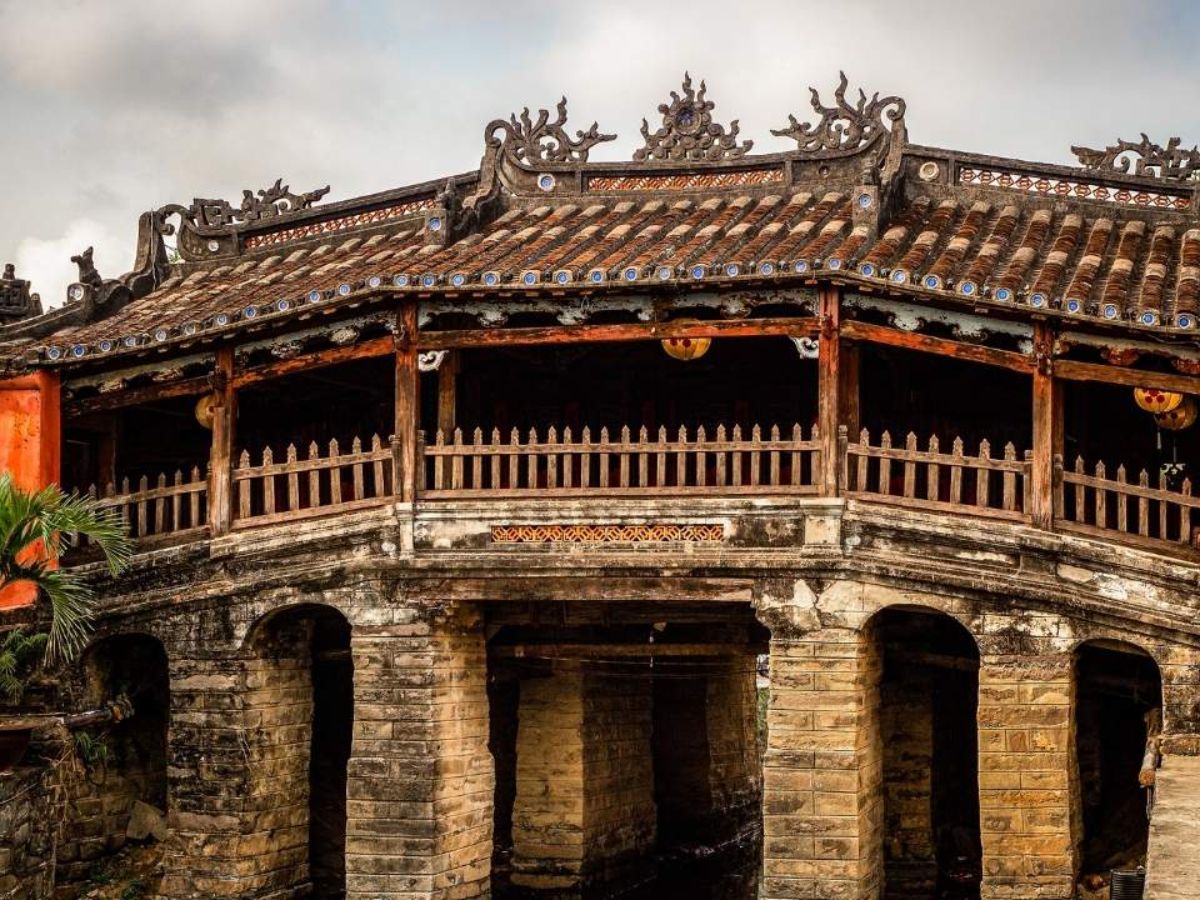
Hoi An offers Indian travellers a culturally rich experience. (Source: Collected)
3.5. Discovering Hindu influences at the Museum of Cham Sculpture
The Museum of Cham Sculpture offers a rewarding experience for Indian travellers interested in discovering the influence of Hinduism on Champa culture in Da Nang. Its collection preserves numerous ancient sculptures, including representations associated with Shiva, Vishnu, Brahma, Linga and Yoni — symbols originating in Hindu traditions.
Visitors can examine the intricate carvings on stone, learn about the stories associated with the deities and discover how religious traditions were adapted and incorporated into Champa culture.
For Indian travellers, the visit is more than a museum tour. It is an opportunity to explore a familiar cultural connection expressed through a different civilisation and its distinctive heritage.
A comfortable trip to Da Nang begins with practical preparation, and exchanging Indian rupees for Vietnamese dong in Da Nang helps Indian travellers manage transport, sightseeing, shopping and dining with greater confidence.
Rather than exchanging their entire budget at once, visitors can estimate their cash requirements according to the number of travellers and length of stay, while keeping bank cards as an additional payment option. This approach is particularly useful for multigenerational families.


