




1. Why Da Nang and Hue appeal to Indian travellers
1.1. Da Nang attracts Indian travellers with beaches, entertainment and leisure
Da Nang is a convenient destination for Indian travellers looking to combine relaxation, entertainment and exploration in one trip. The My Khe Beach area is ideal for leisurely mornings by the sea, while the city centre provides convenient access to the Han River, Dragon Bridge and cultural attractions.
Multigenerational families can spend a day at Sun World Ba Na Hills, groups of friends can combine beach activities with evening entertainment, and couples can easily extend their itinerary to Hoi An. The My Khe Beach, An Thuong and city-centre areas also offer a variety of vegetarian and Indian dining options, helping visitors manage their dietary preferences more easily. Thanks to its convenient location, Da Nang can also serve as the main accommodation base before continuing the journey to Hue.
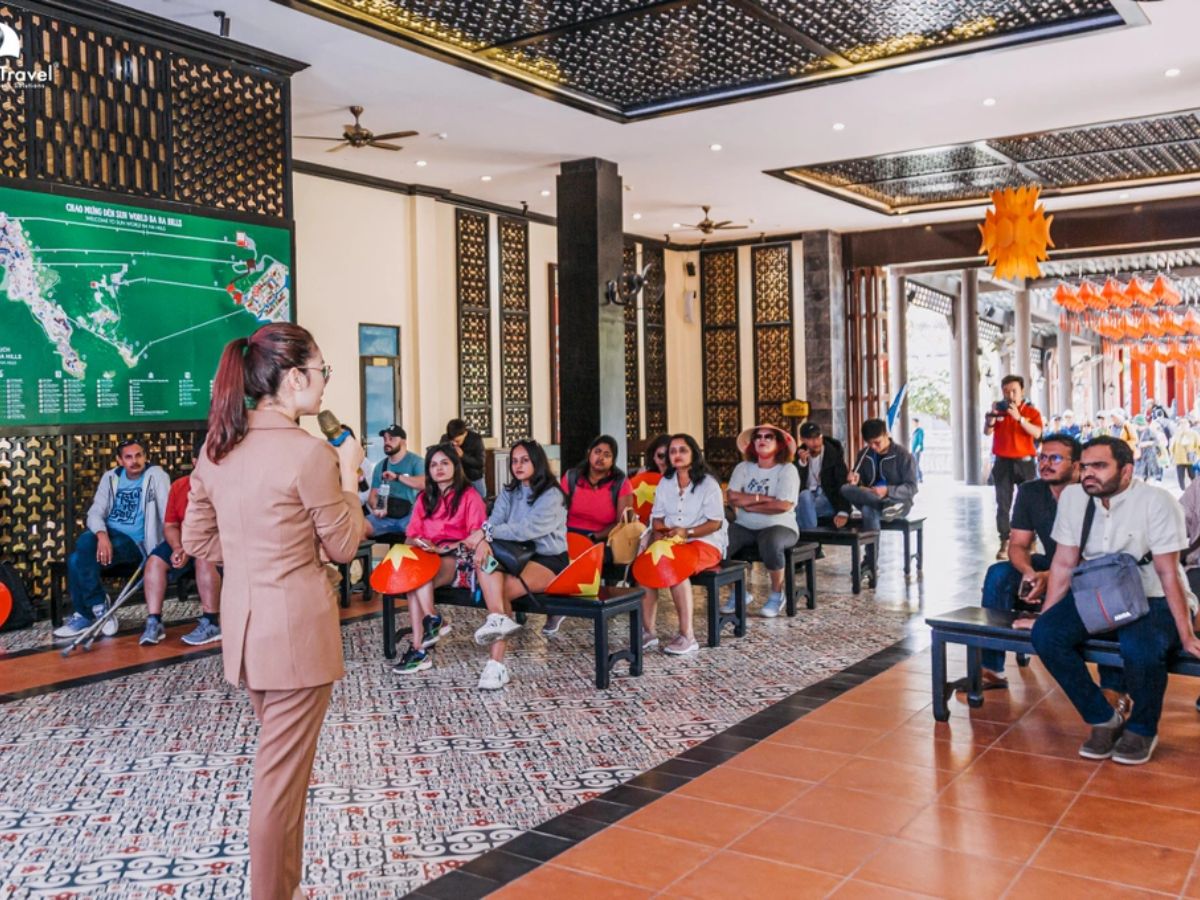
Da Nang attracts Indian travellers with a wide range of entertainment and leisure experiences. (Source: Collected)
1.2. Hue adds cultural depth and heritage to the itinerary
Hue brings a different dimension to a Da Nang and Hue itinerary for Indian travellers. Here, the legacy of the Nguyen Dynasty is reflected in the Imperial City, palaces, temples and royal tombs set amid lush landscapes. Ancient gates, tiled roofs and expansive courtyards tell the story of a former imperial capital that once served as Vietnam's political, cultural and religious centre.
For Indian travellers interested in history, architecture and spirituality, Hue adds cultural depth after the leisure experiences of Da Nang. The two destinations can be combined in one journey, allowing multigenerational families and groups of friends to enjoy the coastal lifestyle while exploring Vietnam's heritage.
2. Top experiences in Da Nang and Hue for Indian travellers
2.1. Sun World Ba Na Hills combines entertainment, exploration and photo opportunities
Sun World Ba Na Hills is an ideal destination for Indian travellers seeking a full day of entertainment, exploration and memorable photographs. The cable car journey up the mountain reveals views of forests, valleys and cloud-filled skies. The higher elevation also generally brings cooler conditions than the lowlands, offering a refreshing escape during summer.
One of the main highlights is the Golden Bridge, a 150-metre-long structure featuring two giant stone hands supporting the walkway, creating a distinctive architectural landmark amid the mountains.
Its elevated setting and unique design have made the Golden Bridge one of Da Nang's widely recognised tourism icons, as well as a popular photography spot for families and groups of friends. Visitors can then explore the European-inspired architecture of the French Village, while Fantasy Park offers indoor entertainment for younger visitors.
Multigenerational families are advised to set aside a full day and check the weather forecast before visiting. Indian travellers can also consider the complimentary WOW Bus service connecting Da Nang with Sun World Ba Na Hills. Check the operating schedule and official pick-up points in advance to plan the journey more conveniently.
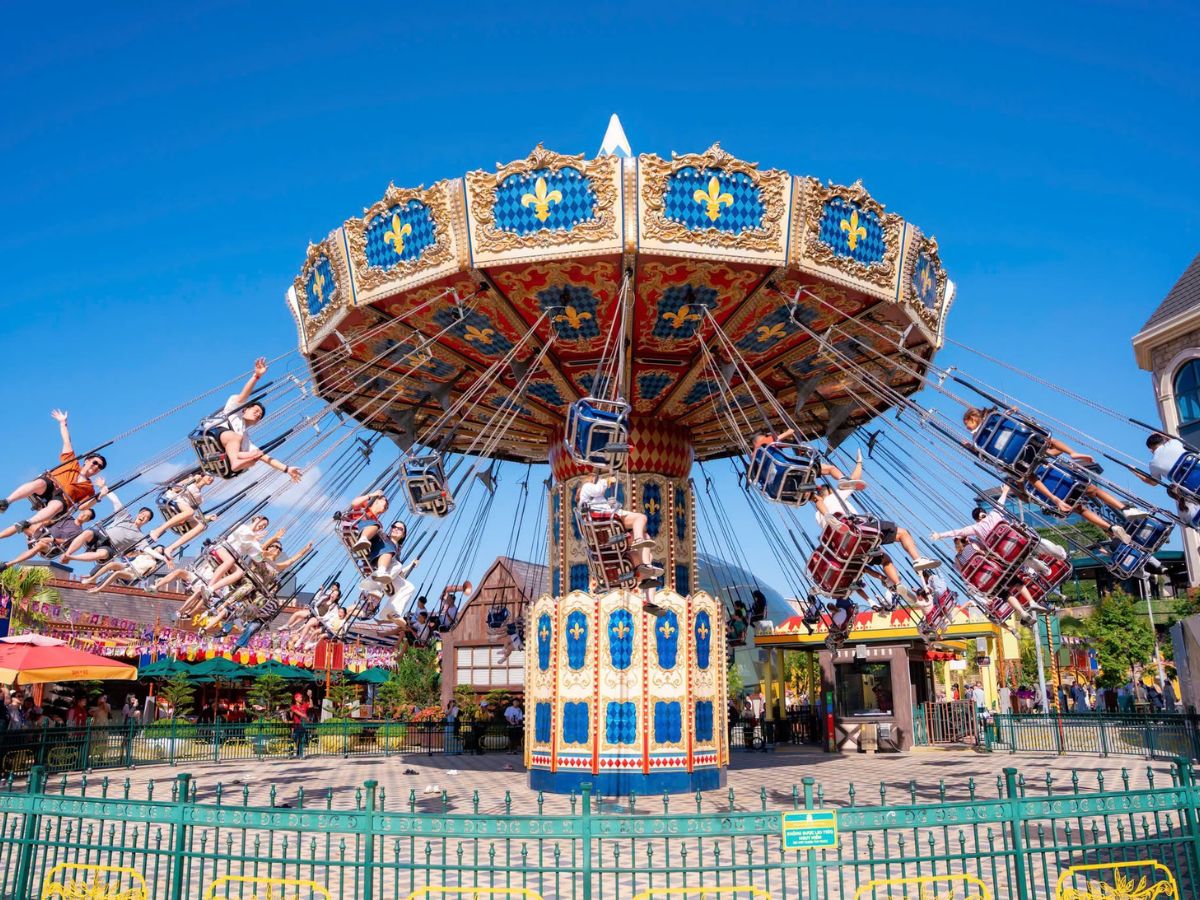
Visitors enjoy entertainment and leisure activities at Sun World Ba Na Hills. (Source: Collected)
2.2. My Khe Beach offers a relaxing coastal escape
My Khe Beach is an excellent choice for Indian travellers looking to balance sightseeing with time to relax by the sea. Its wide sandy shore, open surroundings and proximity to numerous hotels and resorts make it easy for visitors to organise their time, particularly multigenerational families.
In the morning, families can walk along the sand, watch the sunrise or enjoy a short swim. Late afternoon is ideal for group photographs, unwinding and enjoying the cooler coastal atmosphere.
After dark, visitors can continue strolling along the beach, explore the An Thuong area or combine the evening with views of Dragon Bridge and the Han River. Indian travellers do not need to dedicate an entire day to the beach; even a few well-planned hours can provide a relaxing break between sightseeing activities in Da Nang.
2.3. The Marble Mountains and Museum of Cham Sculpture offer deeper cultural experiences
For Indian travellers interested in history, nature and spirituality, the Son Tra Peninsula, Museum of Cham Sculpture and Marble Mountains can form a well-connected itinerary combining natural scenery, culture and spiritual heritage.
Starting from the city centre, visitors can head to the Son Tra Peninsula, where coastal roads, lush forests and Linh Ung Pagoda create a peaceful sightseeing experience. The journey can then continue to the Museum of Cham Sculpture, where visitors can discover Champa art through a collection of historical artefacts, including works featuring Hindu influences.
The final stop can be the Marble Mountains, south of the city, with their rocky formations, caves and Buddhist structures. This route helps multigenerational families avoid unnecessary backtracking while creating a natural transition from Son Tra's landscapes to Cham cultural heritage and the spiritual atmosphere of the Marble Mountains.
2.4. Hue Imperial City brings history and royal architecture to life
The Imperial City is a highlight of a Da Nang and Hue itinerary for Indian travellers, particularly those interested in Vietnamese history and culture.
Passing through Ngo Mon Gate, visitors can explore spaces that once served political, ceremonial, religious and residential functions under the Nguyen Dynasty. Thai Hoa Palace, The Mieu Temple, Hien Lam Pavilion and the Nine Dynastic Urns are among the landmarks worth exploring, each revealing stories about imperial authority, religious beliefs and the structure of the dynasty.
For Indian travellers, the experience becomes more rewarding with a guide who can explain the historical context and significance of each structure, rather than simply visiting the sites for photographs. As the complex is extensive and includes considerable outdoor walking, multigenerational families should allow around half a day, carry drinking water and choose a time when the weather is more comfortable.
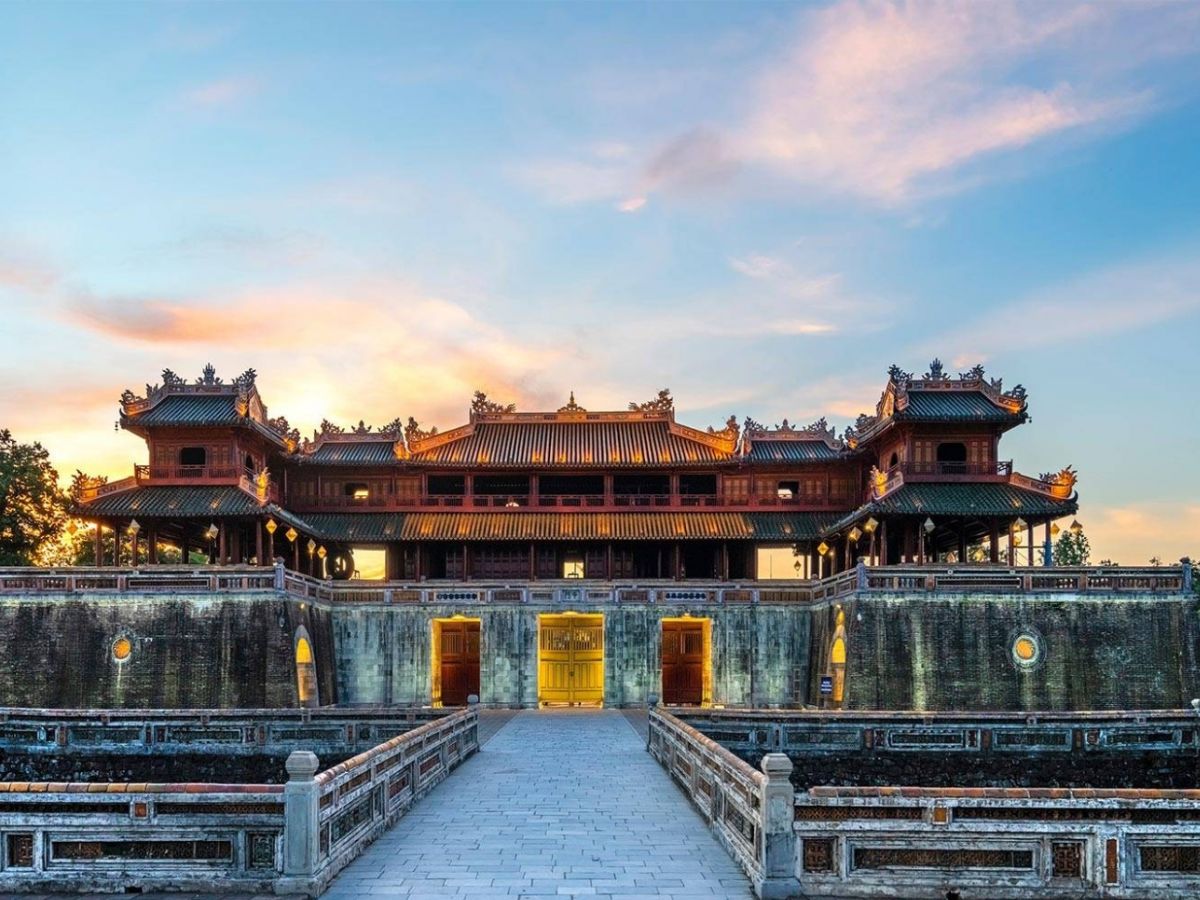
Hue Imperial City is a must-visit destination on a Da Nang and Hue itinerary for Indian travellers. (Source: Collected)
2.5. Royal tombs and heritage landmarks add depth to a Hue itinerary
Hue is home to a collection of Nguyen Dynasty royal tombs, each distinguished by its architecture, landscape design and historical stories. These sites offer a rewarding experience for Indian travellers interested in culture and heritage.
Minh Mang Tomb is notable for its balanced layout and harmonious architectural axis, complemented by water features and greenery. Tu Duc Tomb resembles an expansive garden landscape, where buildings, water and nature blend together. Khai Dinh Tomb, meanwhile, stands out for its hillside setting, stairways and intricate mosaics made from porcelain and glass.
The distinctive character of each tomb ensures that exploring Hue remains varied, with every site offering insights into a different emperor and the aesthetic ideals of the period. For Indian travellers, these visits also provide an opportunity to understand how Vietnamese traditions combine architecture, landscape and spiritual beliefs in commemorative spaces.
2.6. The Perfume River and Hue's cultural atmosphere offer a relaxing experience
The Perfume River is not only a defining feature of Hue's landscape but also the setting for a memorable cultural experience: enjoying Hue royal court music aboard a boat.
As the city lights begin to glow, visitors can cruise along the river, admire Truong Tien Bridge and listen to melodies once associated with the royal court of the Nguyen Dynasty.
Hue royal court music was inscribed on UNESCO's Representative List of the Intangible Cultural Heritage of Humanity in 2003. It is therefore more than a performance; it offers a direct encounter with an important element of Vietnamese cultural heritage.
For Indian travellers interested in the arts, history and local experiences, an evening on the Perfume River can become a distinctive highlight after a day exploring the Imperial City and royal tombs. It is also suitable for multigenerational families, as the experience requires relatively little physical exertion.
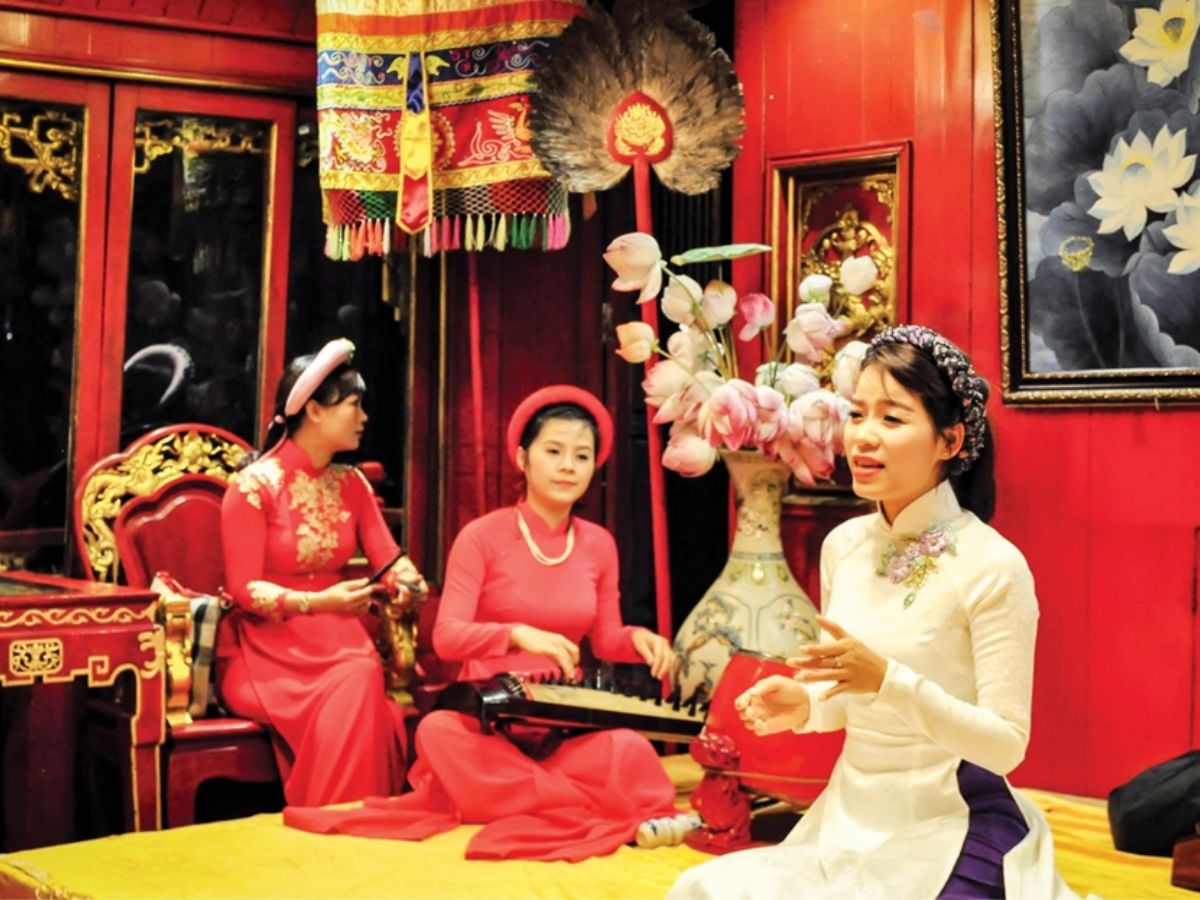
Experience Hue royal court music on a boat along the Perfume River. (Source: Collected)
3. Practical tips for planning a Da Nang–Hue trip for Indian travellers
3.1. Booking flights and hotels for a convenient Da Nang–Hue itinerary
When planning a trip to Da Nang and Hue, Indian travellers should consider flying into Da Nang as a convenient starting point, then arranging accommodation according to each stage of the journey rather than staying in one place throughout.
Travellers can check flight options from New Delhi, Mumbai, Bengaluru, Chennai, Hyderabad or Ahmedabad, comparing journey times, connections, baggage allowances and arrival schedules. For multigenerational families, convenient flight times should take priority over simply choosing the lowest fare.
In Da Nang, the city centre is convenient for sightseeing, dining and transport, while beachfront areas are better suited to a leisure-focused stay. When travelling to Hue, consider accommodation near the city centre for easier access to the Imperial City, Perfume River and heritage attractions.
3.2. Arranging transport between Da Nang and Hue and preparing for the journey
Travelling between Da Nang and Hue can become an enjoyable part of the itinerary when the right transport option is chosen. For families and larger groups, a private car with a driver offers flexibility over pick-up points, rest stops and luggage arrangements. Within the cities, Grab or taxis are suitable for shorter journeys.
For a more memorable experience, the Da Nang–Hue heritage train takes travellers across Hai Van Pass, offering distinctive views of Central Vietnam's mountains and coastline along the way.
For travel from Da Nang to Ba Na Hills, visitors can also consider Sun World's complimentary WOW Bus and check its operating schedule and pick-up points in advance.
From Ba Na Hills and My Khe Beach to the Imperial City, royal tombs and evenings listening to Hue royal court music on the Perfume River, a trip combining Da Nang and Hue offers multiple layers of experience in Central Vietnam.
Families can prioritise a relaxed pace, groups of friends can include more exploratory activities, and couples can set aside additional time for leisure. With thoughtful planning, travellers can enjoy a rewarding journey that combines coastal relaxation, entertainment and Vietnam's rich cultural heritage.


