




1. Introduction to the Da Nang Cham Sculpture Museum
1.1. Where is the Cham Sculpture Museum located?
The Cham Sculpture Museum is located at no.2 of Hai Thang Chin Street in Hai Chau District, right in the heart of Da Nang city and only about 100 meters from the Dragon Bridge. Thanks to its proximity to the Han River, Da Nang International Airport, and many famous attractions, you can easily get there by taxi, Grab, or private vehicle. After visiting the museum, you can also combine your trip with exploring the Dragon Bridge, the Love Bridge, or continue your journey to Hoi An Ancient Town. It’s ideal for Indian tourists who enjoy multi-destination trips.
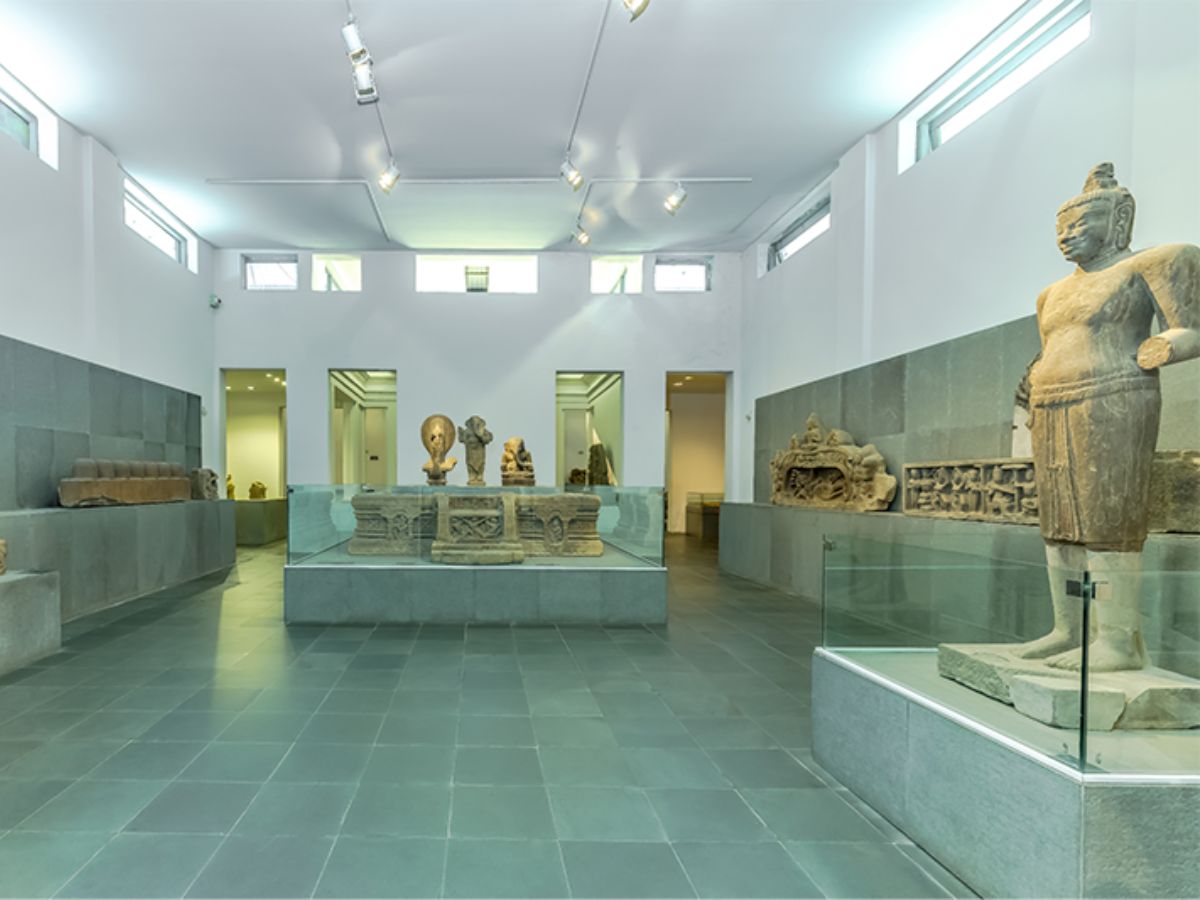
The Cham Sculpture Museum is a prominent cultural destination in the heart of Da Nang. (Source: Collected)
1.2. History of the formation of the Cham Sculpture Museum
The Cham Sculpture Museum is the first museum in Vietnam dedicated to preserving and displaying Cham sculpture art. From the first artifacts collected by archaeologist Henri Parmentier in 1892, the museum officially opened in 1919 and has undergone several expansions and upgrades to preserve an increasing number of valuable artifacts. Currently, it houses over 400 artifacts dating from the 5th to the 15th centuries, contributing to the preservation and introduction of the historical, artistic, and cultural heritage of Champa to domestic and international visitors.
1.3. Cultural imprints of Champa and the influence of Hinduism
What makes the Cham Sculpture Museum so attractive is its collection of Cham sculptures, the largest in Vietnam, with many artifacts reflecting the development of a brilliant civilization in Southeast Asia. You will have the opportunity to admire works depicting the deities of Shiva, Vishnu, Brahma, the Linga and Yoni symbols, along with many reliefs and altars bearing the strong imprint of Hinduism. For Indian tourists, this is a particularly meaningful destination as it demonstrates the intersection between Cham culture and Indian civilization, allowing you to discover familiar historical and religious values within a unique cultural space of Vietnam.
2. Guide to visiting the Cham Sculpture Museum
2.1. How to get to the Cham Sculpture Museum
From Da Nang International Airport, it only takes about 10 to 15 minutes to reach the Cham Sculpture Museum by taxi or Grab. If departing from My Khe Beach, the journey takes about 10 minutes, making it convenient to combine a visit with a day trip. For Indian tourists, who often travel with family or large groups, taxis and Grab are suitable options due to their convenience and time-saving nature, while motorbikes are ideal for those who want to independently explore the Dragon Bridge, Love Bridge, and other famous attractions in the city center.

Choosing a taxi will save you time when visiting the Cham Sculpture Museum. (Source: Collected)
2.2. Opening hours and entrance fees
The Cham Sculpture Museum is open daily, including holidays and Tet (Vietnamese Lunar New Year), from 7:30 AM to 11:00 AM and from 1:00 PM to 5:00 PM. Admission is 60,000 VND for adults and 10,000 VND for students with a valid student ID. The reasonable price and convenient location make the museum an attractive stop for tourists wanting to learn about Cham history and culture while exploring Da Nang.
2.3. The ideal time to visit
The best time to visit the Cham Sculpture Museum is in the morning or early afternoon, when the quiet atmosphere and natural light allow you to easily observe the exquisite details on each sculpture. For Indian tourists who enjoy exploring culture, you can spend the morning visiting the museum, then continue your journey to the Dragon Bridge, the Love Bridge, or Hoi An Ancient Town for a diverse day experiencing the history, architecture, and landscapes of Central Vietnam.
2.4. Notes for a fulfilling experience
To better understand the value of each artifact, you should use the free automated audio guide system by connecting to wi-fi and scanning the QR code, or register for a guide if in a group of 5 or more people. During the tour, you should dress respectfully, maintain order, refrain from touching the artifacts, and comply with museum regulations. The ideal visiting time is approximately 1.5 to 2 hours, enough to explore the prominent galleries and learn about the intermingling of Champa culture with Hinduism.

The automated audio guide system helps visitors better understand the Cham artifacts. (Source: Collected)
3. Discover the highlights at the Cham Sculpture Museum
3.1. The largest collection of Cham sculptures in Vietnam
The most attractive feature of the Cham Sculpture Museum is its collection of over 400 artifacts dating from the 5th to the 15th centuries, considered the largest collection of Cham sculptures in Vietnam. The works include stone statues, reliefs, altars, sacred objects, and many architectural details collected from Cham relics throughout Central Vietnam. Each artifact reflects the artistic level, beliefs, and life of the Cham kingdom through various stages of development, offering visitors the opportunity to explore one of Southeast Asia's most brilliant civilizations.
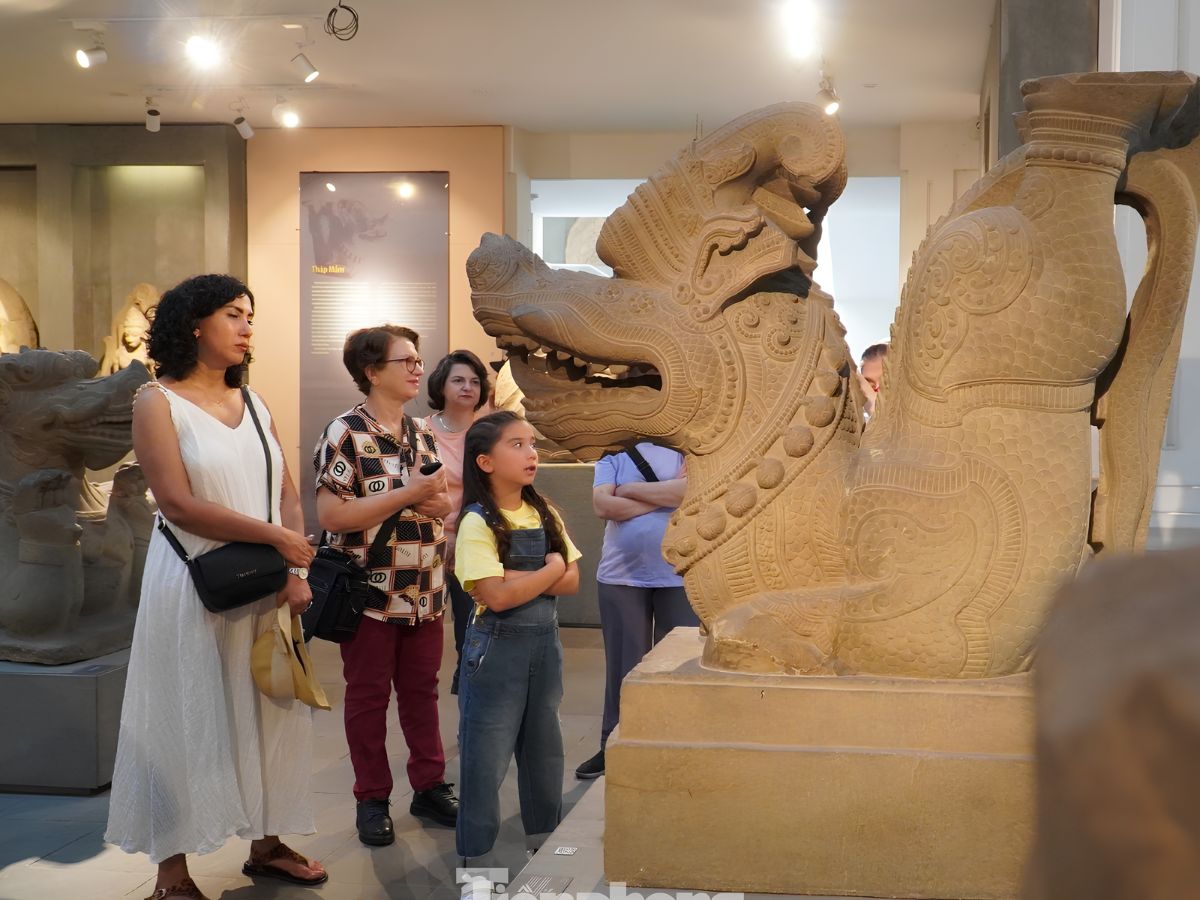
Tourists discover Champa artifacts dating back hundreds of years. (Source: Collected)
3.2. Admiring the statues of the deities Shiva, Vishnu, Brahma, and Linga-Yoni
One of the special experiences at the Cham Sculpture Museum is admiring sculptures of the gods Shiva, Vishnu, and Brahma, along with the Linga and Yoni symbols, familiar images in Hinduism. The exquisitely crafted artifacts on sandstone demonstrate the profound intermingling between Cham culture and Indian civilization. For Indian tourists, this is not only an opportunity to learn about Cham history but also to discover how Indian religious and artistic values were received, developed, and uniquely expressed in Central Vietnam.
3.3. National treasures and artifacts not to be missed
When visiting the Cham Sculpture Museum, you should not miss outstanding national treasures such as the Tra Kieu Altar, the My Son E1 Altar, the Dong Duong Altar, the bronze Tara statue, or the Gajasimha statue. These artifacts were found at important religious and cultural centers of Champa such as My Son, Tra Kieu, and Dong Duong, each piece possessing special historical, artistic, and religious value. Admiring these masterpieces will help you better understand the development of the Champa civilization as well as the profound influence of Indian culture on the central region of Vietnam.
4. Suggestions for attractions to combine with the Cham Sculpture Museum
After visiting the Cham Sculpture Museum, you can easily combine your trip with exploring other famous destinations in Da Nang for a more complete itinerary. Just a few minutes driving from the museum is the Dragon Bridge, famous for its fire and water show on weekends. If you love nature and scenery, the Marble Mountains offer the experience of exploring caves, ancient temples, and panoramic city views. For visitors who want to have fun and enjoy the cool mountain air, Sun World Ba Na Hills is an ideal choice with its Golden Bridge, record-breaking cable car system, and many entertainment activities for the whole family.
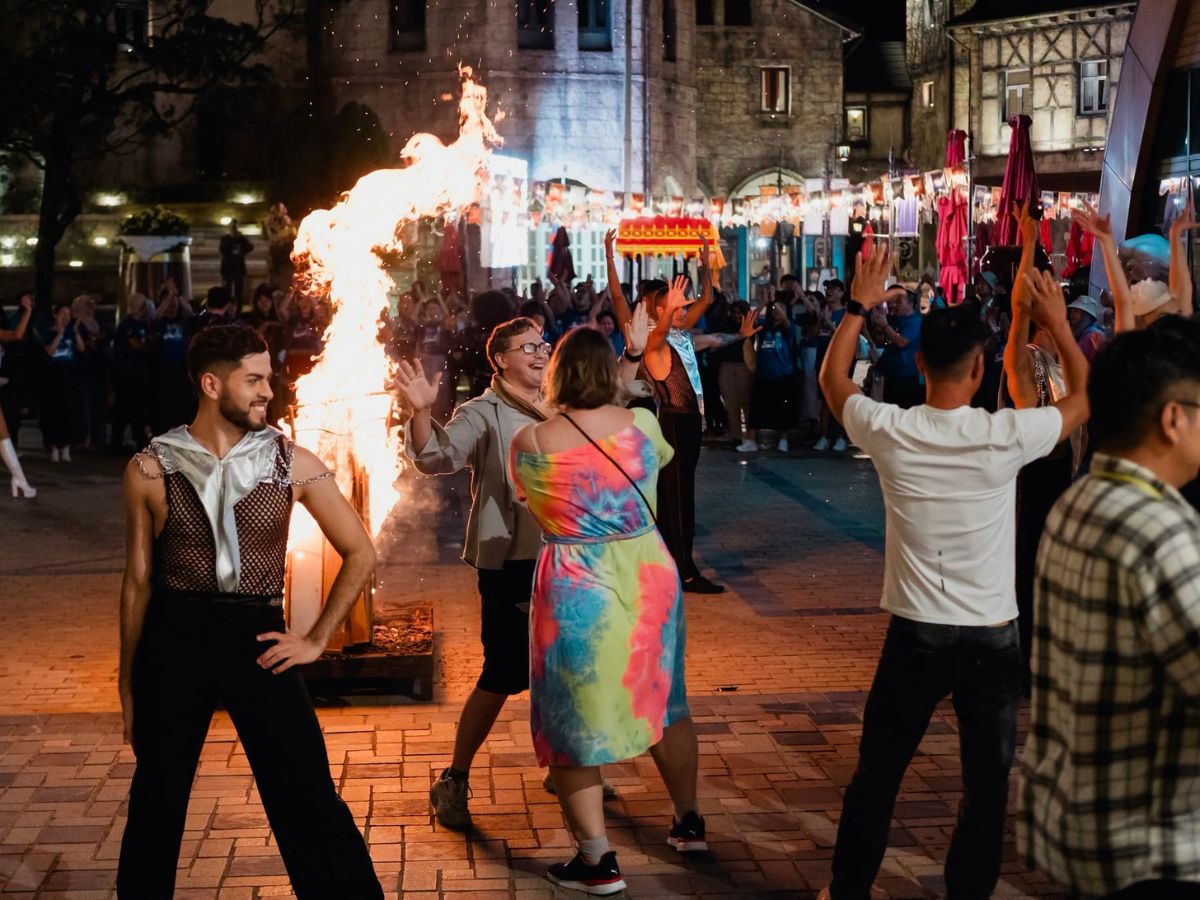
Visitors explore the vibrant entertainment space at Sun World Ba Na Hills. (Source: Collected)
To continue your cultural exploration, you can visit Hoi An Ancient Town after leaving the Cham Sculpture Museum. The ancient streets, centuries-old architecture, and rich cuisine will offer a unique experience of Central Vietnam's heritage. This itinerary harmoniously combines history, culture, nature, and entertainment, making it ideal for Indian tourists who enjoy exploring multiple destinations in a single trip.
If you love history, art, and ancient cultural values, the Cham Sculpture Museum is a must-see destination on your trip to Da Nang. Not only does it house the largest collection of Cham sculptures in Vietnam, but it also offers insightful perspectives on the intermingling of Cham culture and Hinduism. Add the Cham Sculpture Museum to your itinerary for the chance to admire unique artistic masterpieces and experience a meaningful cultural exploration during your visit to the coastal city of Da Nang.


