


Should You Bring Offerings Home After Visiting a Pagoda? According to Spiritual Beliefs
Should you bring offerings home after visiting a pagoda? This is a common concern among people who visit Buddhist temples to offer incense. This article explains the meaning of temple blessings and how to behave appropriately according to traditional spiritual beliefs.
Should you bring offerings home after visiting a pagoda? This is a familiar question whenever people visit temples during festivals, full-moon days, or the beginning of the year. Some believe that bringing offerings home means bringing blessings with them, while others worry that doing so may violate certain spiritual taboos. Understanding the spiritual meaning behind these practices can help you feel more at ease when offering incense and paying respects to the Buddha.
1. Should You Bring Offerings Home After Visiting a Pagoda According to Folk Beliefs?
1.1. The Meaning of Making Offerings When Visiting a Pagoda
In traditional Vietnamese culture, preparing offerings when visiting a pagoda is considered an expression of reverence and a way of conveying one's wholesome intentions to the Buddha, Buddhas, Bodhisattvas, and the Three Jewels. This act is not merely a formal ritual but also reflects respect for sacred spaces and spiritual life. Through this practice, visitors demonstrate their inclination toward goodness and their awareness of preserving cultural values associated with folk religious beliefs.
Offerings at pagodas commonly include pure items such as fresh flowers, ripe fruit, incense, bánh oản (traditional glutinous rice cakes), and vegetarian food. These offerings express solemnity and help minimize elements associated with animal sacrifice in worship rituals. Many scholars researching traditional customs suggest that offerings are not a means of “buying” blessings, but rather a way to express sincerity during festivals, at the beginning of the year, or on full-moon days. This understanding stems from traditional cultural practices at sacred places.
1.2. Folk Beliefs About Bringing Offerings Home
In Vietnamese folk culture, there are two different perspectives on whether offerings should be taken home after visiting a pagoda. Some people believe that once offerings have been presented at a sacred place, they have been entrusted to the Buddha's sanctuary and therefore should not be taken back. This is considered a way of maintaining solemnity and preserving the original spirit of the offering ritual. This perspective emphasizes reverence and completeness in the act of making offerings at a spiritual site.
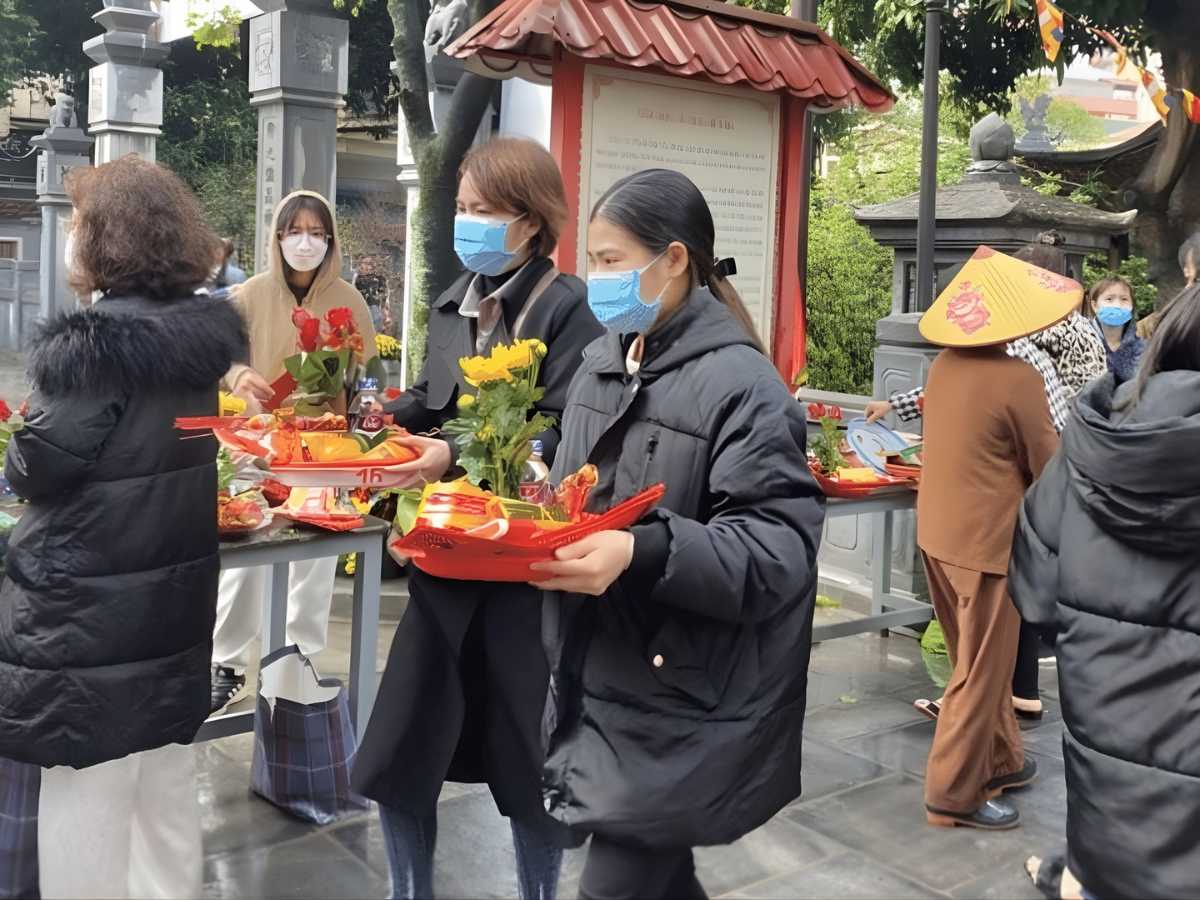
The folk perspective emphasizes reverence and completeness in the act of making offerings at a sacred site. (Source: Collected)
1.3. Distinguishing Temple Blessings from Offerings That Have Already Been Presented
An important distinction in folk beliefs is the difference between “temple blessings” and offerings brought by Buddhists to sacred sites. Temple blessings generally refer to items given back by the pagoda after a ceremony has been completed. These may include a blessed branch, a small symbolic item, or a New Year's gift accompanied by wishes for peace and well-being. According to folk beliefs, receiving and bringing these blessings home represents welcoming good fortune with a joyful heart and reverence for the sacred space.
By contrast, offerings prepared by Buddhists and placed on the Buddha altar or before the Three Jewels are understood as offerings in which one's intentions have already been fully expressed at the sacred site. Therefore, many people believe that these offerings should not be taken back without specific guidance from the pagoda, in order to preserve the solemnity of the ritual. This distinction helps clarify the meaning of different elements of the ceremony and prevents confusion between receiving temple blessings and taking back offerings that have already been presented.
2. Should You Bring Offerings Home After Visiting a Pagoda According to Buddhist Teachings?
2.1. The Spirit of Letting Go in Buddhist Teachings
According to fundamental Buddhist teachings, visiting a sacred Buddhist site is not intended to seek material benefits or personal gains. Rather, it provides an opportunity to cultivate wholesome connections and practice transforming the body and mind toward greater peace in everyday life. The focus of this journey lies in inner transformation, adjusting one's behavior, and nurturing the mind in a wholesome direction. When this spirit is properly understood, visitors are more likely to focus on improving themselves rather than placing excessive importance on external factors.
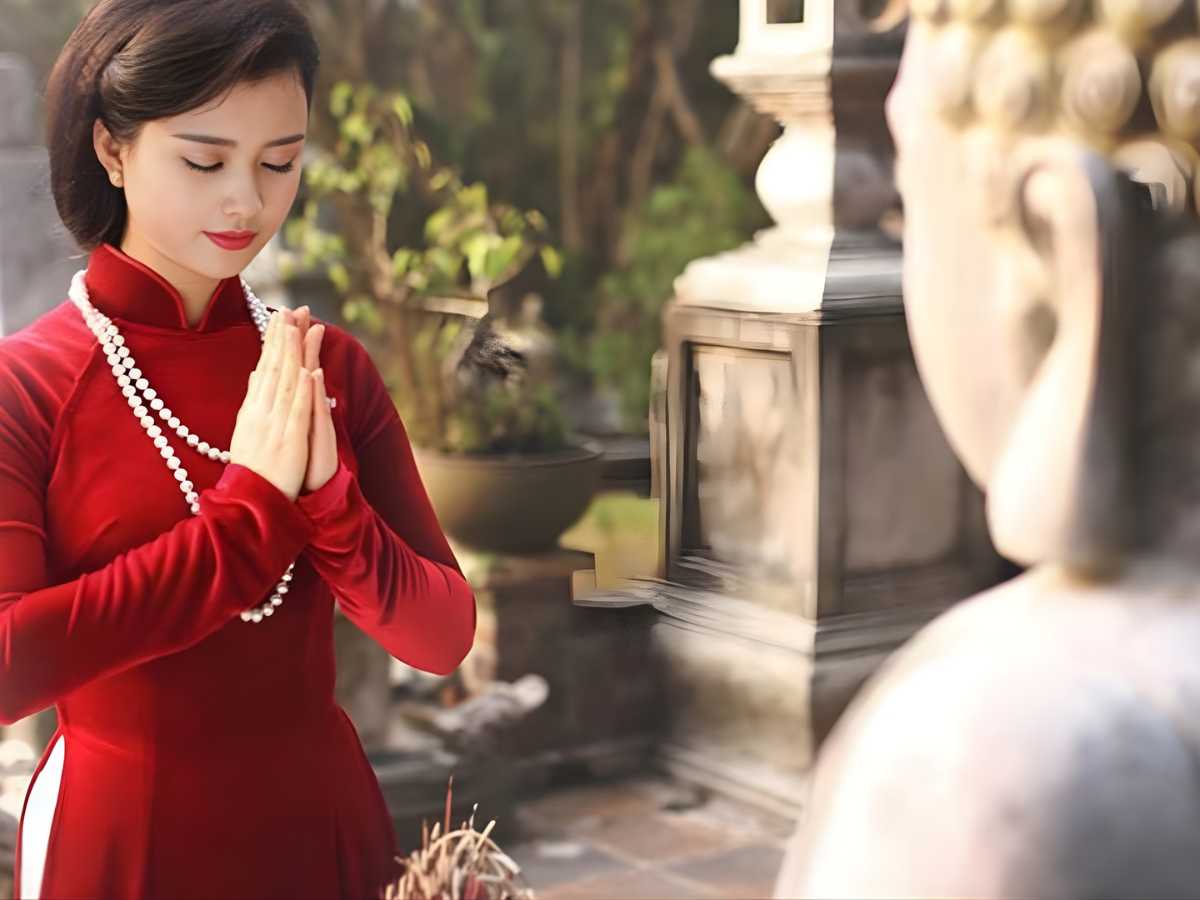
The essence of letting go lies in inner transformation, adjusting one's behavior, and nurturing the mind. (Source: Collected)
2.2. Proper Etiquette When Taking Down Offerings
In Buddhism, after making offerings and when the incense is nearly burned out, Buddhists may ask the pagoda for permission to take down the offerings or receive a portion of the temple blessings to bring home. This should be done respectfully and in accordance with the practices of the particular sacred site. Requests for temple blessings are generally made through people authorized by the pagoda, such as monks, nuns, or temple custodians, to ensure that the ceremony remains solemn.
2.3. Avoiding Superstition When Visiting a Pagoda to Seek Good Fortune
Buddhism emphasizes placing one's faith in the law of cause and effect and maintaining a positive attitude toward life rather than relying on rituals intended solely to attract good luck. The belief that bringing offerings home or asking for temple blessings will automatically bring good fortune or misfortune does not accurately reflect the core principles of Buddhist teachings. The essence of Buddhist practice remains inner transformation and conscious conduct in everyday life.
Many cultural experts also recommend avoiding unfounded word-of-mouth beliefs, such as the idea that all offerings must be left behind or that only meat-based offerings can produce results. Such beliefs can lead to misunderstandings about rituals, distance practices from Buddhist values, and contribute to superstition in religious practice. Instead, visitors should seek information from reliable sources, maintain a calm and pure state of mind, and avoid placing excessive expectations of material benefits on religious offerings.
3. Important Things to Keep in Mind When Visiting a Pagoda to Avoid Taboos
3.1. Preparing Appropriate Offerings
When considering whether you should bring offerings home after visiting a pagoda, it is important to prepare offerings that are pure and appropriate for a Buddhist sacred space, such as incense, fresh flowers, ripe fruit, bánh oản, or suitable vegetarian dishes. These offerings express reverence while minimizing elements associated with animal sacrifice, thereby preserving the solemnity of the Buddhist sanctuary. Choosing appropriate offerings also helps visitors express their sincerity in a respectful manner consistent with Buddhist principles.
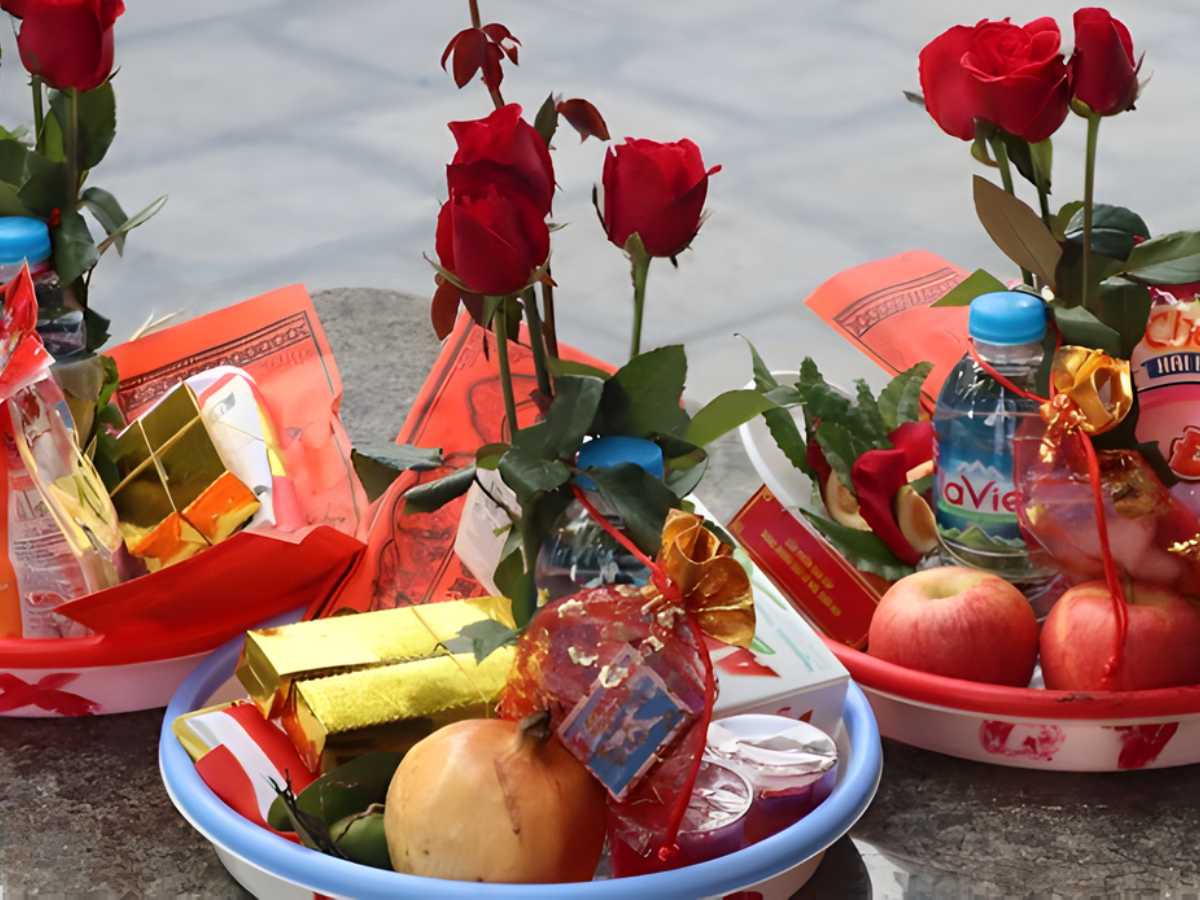
Preparing offerings for a pagoda may include incense, fresh flowers, ripe fruit, bánh oản, or vegetarian dishes. (Source: Collected)
Many experts researching traditional customs advise limiting meat-based offerings in the main sanctuary because they may not be compatible with strictly Buddhist rituals. In certain circumstances, such offerings may only be appropriate in areas associated with other forms of worship, following guidance from the pagoda. Preparing appropriate offerings helps preserve the cultural beauty of spiritual practices and avoid unnecessary misunderstandings.
3.2. Dress Code and Behavior at a Buddhist Sanctuary
When visiting a Buddhist sanctuary, clothing and behavior play an important role in maintaining the solemnity of the sacred space. Visitors should choose modest and respectful clothing, speak softly, and avoid actions that may disturb the peaceful atmosphere. Appropriate conduct in every gesture demonstrates respect for the cultural and religious values of the sacred site.
Proper behavior not only helps preserve the spiritual character of the place but also demonstrates awareness of protecting the cultural environment of a Buddhist sanctuary. At spiritual destinations that also offer sightseeing opportunities, such as Sun World Ba Den Mountain, visitors can pay their respects at sacred pagodas while enjoying the expansive mountain landscape. The harmony between respectful behavior, cultural values, and the natural spiritual setting can make the experience more meaningful and dignified.
👉 BOOK YOUR TICKETS TO SUN WORLD BA DEN MOUNTAIN NOW!
3.3. The Appropriate Time to Take Down Offerings and Receive Temple Blessings
When considering whether you should bring offerings home after visiting a pagoda, it is important to note that offerings should generally be taken down when the incense has nearly burned out and with the approval of a representative of the pagoda, in order to follow the appropriate ritual practices. Following these instructions helps visitors maintain solemnity and avoid unnecessary mistakes within the sacred space. It also demonstrates respect for tradition and the Buddhist community.
If temple blessings are distributed, sharing them with family members can symbolize the spreading of good fortune and strengthening family bonds according to traditional beliefs. However, visitors should avoid competing for blessings or behaving inappropriately during their distribution, as such actions may diminish the spiritual value of the ceremony. Remaining calm and orderly helps preserve a positive image of spiritual activities at Buddhist sanctuaries.
In conclusion, the question of whether you should bring offerings home after visiting a pagoda should be considered flexibly rather than through rigid definitions of right and wrong. When the meaning of making offerings is properly understood and a respectful attitude is maintained, visitors may take down offerings according to the pagoda's guidance without excessive concern about taboos. Ultimately, what matters when entering a pagoda is maintaining peace of mind and cultivating the intention to live a wholesome life through one's everyday actions.