




1. Why are the pagodas in Tay Ninh famous?
Tay Ninh is one of Southern Vietnam's most important spiritual destinations, welcoming millions of pilgrims and travelers every year. While the province is well known for the Cao Dai Holy See, it is also home to a remarkable collection of Buddhist pagodas, the most famous of which are located on Ba Den Mountain—the highest peak in Southern Vietnam at 986 meters. The mountain's sacred atmosphere, combined with centuries-old temples and breathtaking scenery, makes it a unique destination where culture, history, and nature come together.
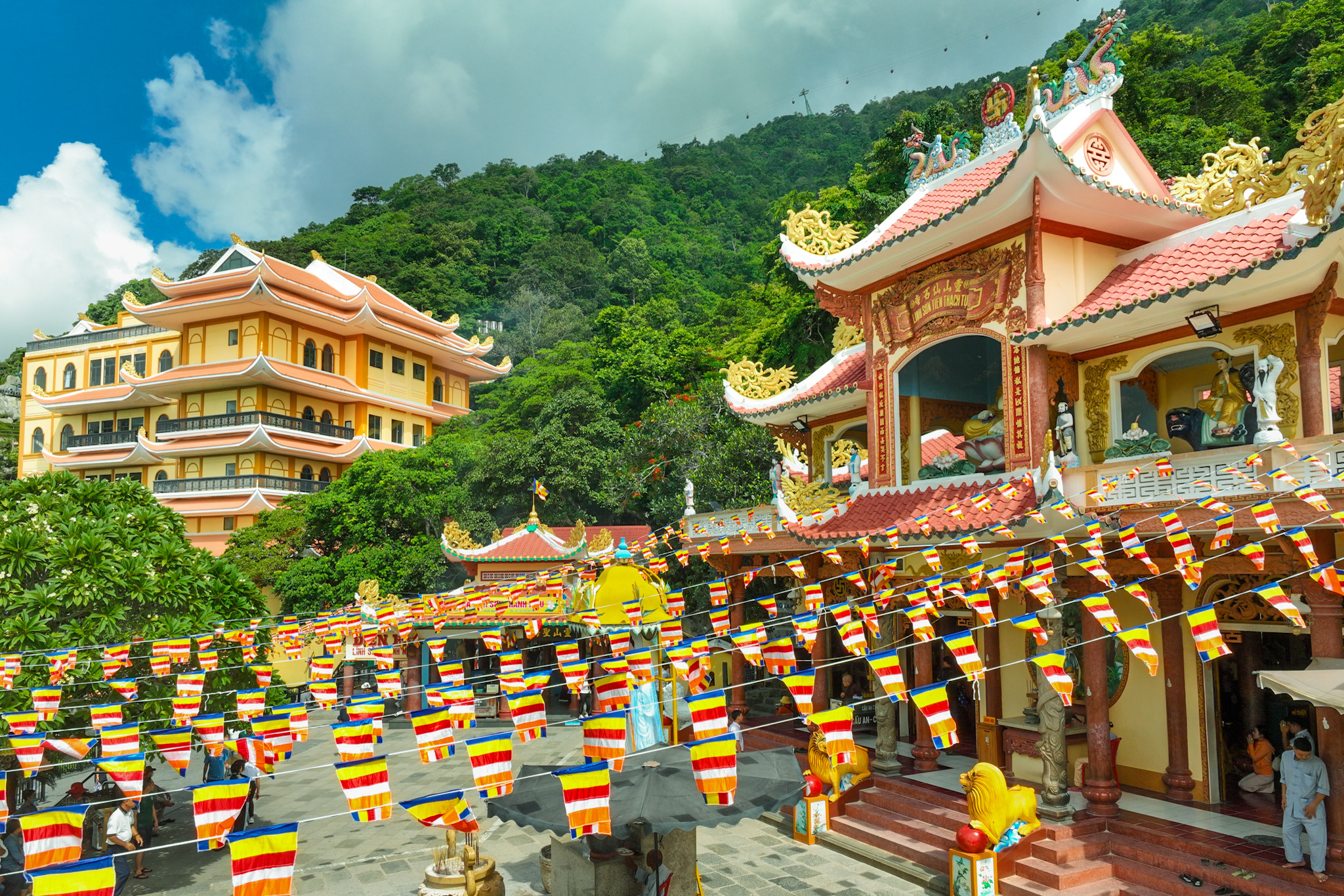
The sacred temple complex on Ba Den Mountain
For travelers searching for a pagoda in Tay Ninh, the spiritual complex on Ba Den Mountain is the top destination. Dating back to the 18th century, the complex includes several historic pagodas such as Linh Son Tien Thach Pagoda, Ha Pagoda, Thuong Pagoda, and Hang Pagoda. These temples are closely associated with the legend of Linh Son Thanh Mau, whose story has been passed down through generations and continues to inspire pilgrims seeking blessings for health, prosperity, and peace.
Today, visiting a pagoda in Tay Ninh offers much more than a religious experience. Visitors can admire traditional Vietnamese Buddhist architecture, explore ancient caves and temples, enjoy panoramic mountain views via the modern cable car system, and experience one of Vietnam's most significant pilgrimage sites. Whether you are interested in spirituality, photography, or cultural exploration, Tay Ninh's pagodas provide an unforgettable journey into the heart of Southern Vietnam's Buddhist heritage.
2. Top must-visit pagodas in Tay Ninh
2.1. Linh Son Tien Thach Tu (Ba Pagoda)
When searching for a pagoda in Tay Ninh, Linh Son Tien Thach Tu, commonly known as Ba Pagoda, is the destination that should top every itinerary. Founded in the mid-18th century by Zen Master Dao Trung – Thien Hieu of the Lieu Quan Zen lineage, it is the oldest temple in the Ba Den Mountain pagoda system and the spiritual heart of the region.
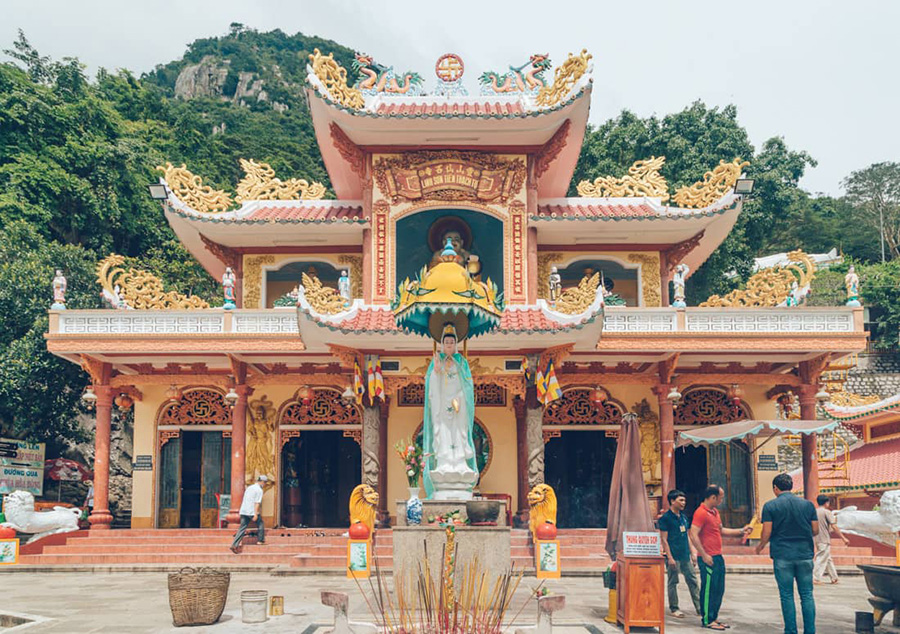
Ba Pagoda
Located at an elevation of around 350 meters on Ba Den Mountain, the pagoda is closely associated with the worship of Linh Son Thanh Mau, the revered guardian deity whose legend has shaped Tay Ninh's spiritual identity for centuries. Throughout the year, especially during major Buddhist festivals and the Ba Den Mountain Spring Festival, thousands of pilgrims visit the temple to pray for peace, prosperity, and good health.
Despite several renovations over the centuries, Linh Son Tien Thach Tu has preserved many valuable historical features. The temple still houses two intricately carved green stone dragon pillars dating back to 1919, while its main hall enshrines a sacred Buddha relic presented by the King of Thailand to the Vietnam Buddhist Sangha before being offered to the pagoda in 2000. These treasured artifacts, together with the temple's tranquil mountain setting, make it one of Southern Vietnam's most significant Buddhist landmarks.
2.2. Linh Son Long Chau (Hang Pagoda)
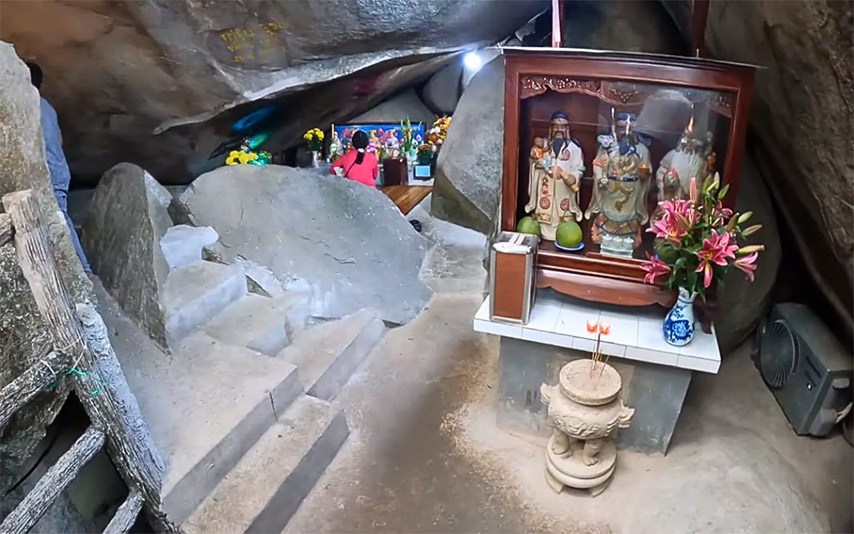
The interior space of Hang Pagoda
Built inside a natural cave in 1864, Linh Son Long Chau, better known as Hang Pagoda, offers one of the most distinctive spiritual experiences on Ba Den Mountain. Founded by Master Hue Mang Kim Tien together with a Cham monk, the temple seamlessly blends Buddhist architecture with the surrounding limestone cave, creating a peaceful and mystical atmosphere.
Hang Pagoda is best known for the legendary "Cracked Stone" pathway. According to local belief, a giant rock once blocked access to the temple until Patriarch Tanh Thien prayed continuously for 100 days, after which the stone miraculously split in two, forming the narrow passage that visitors can still walk through today. This fascinating legend has made the pagoda one of the most sacred pilgrimage sites on Ba Den Mountain.
2.3. Linh Son Phuoc Trung (Trung Pagoda)
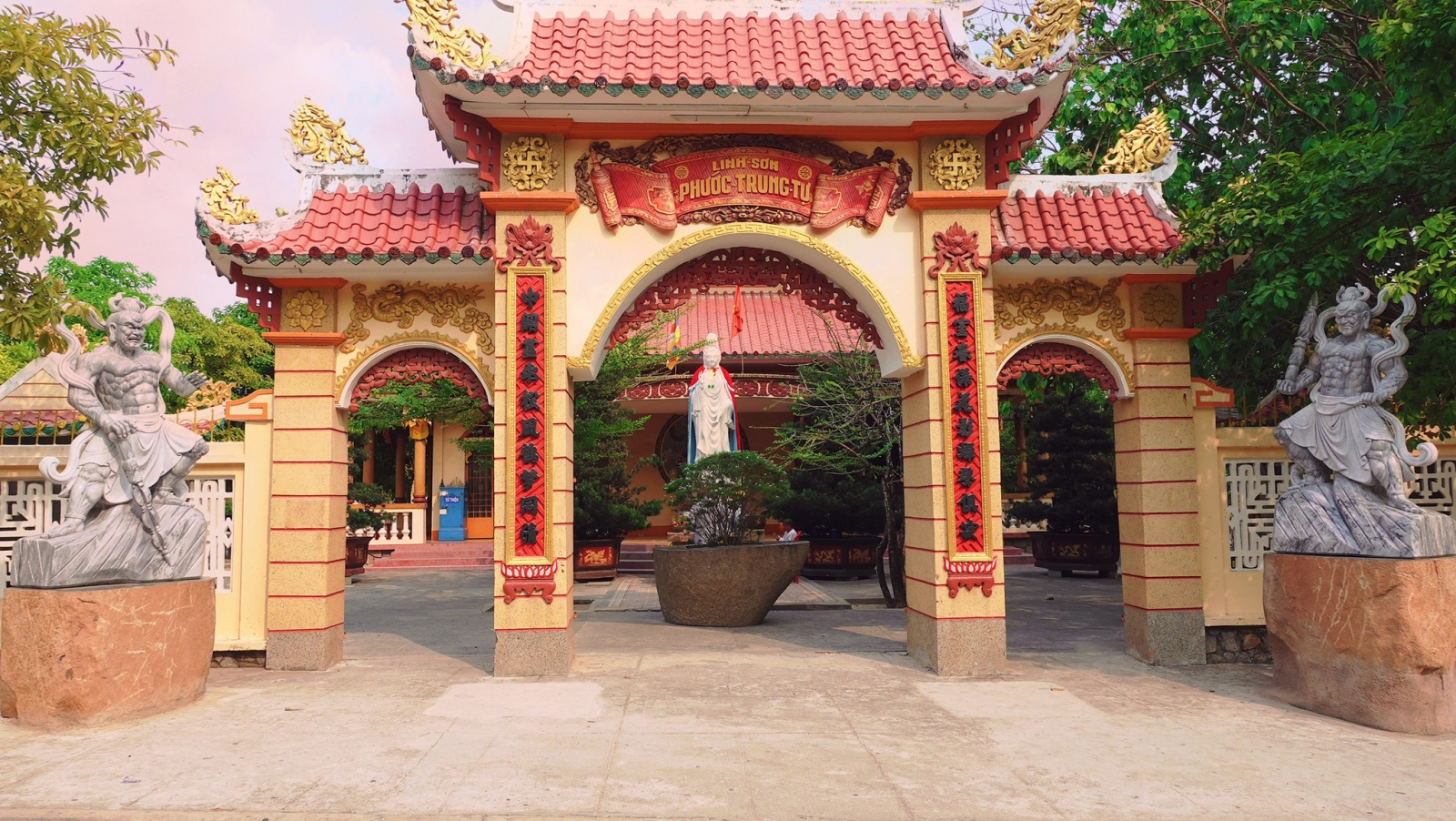
Trung Pagoda
Located at the foot of Ba Den Mountain, Linh Son Phuoc Trung, commonly called Trung Pagoda, is traditionally the first stop for pilgrims beginning their spiritual journey. Established during the period of the founding patriarchs between 1879 and 1910, the pagoda has served generations of worshippers traveling to the higher temples on the mountain.
The pagoda features classic Southern Vietnamese Buddhist architecture with ornate floral reliefs, spacious courtyards shaded by Bodhi trees, and peaceful prayer halls. Following recent restoration, it now combines traditional design with modern facilities while maintaining its tranquil atmosphere, making it an ideal place to begin a pilgrimage before continuing to Ba Pagoda and Hang Pagoda.
2.4. Quan Am Pagoda
Situated approximately 150 meters above Hang Pagoda, Quan Am Pagoda is the highest temple within the historic Ba Den Mountain pagoda system. Visitors must climb a steep staircase through the forest to reach the temple, where a serene environment rewards the effort.
The main hall enshrines Avalokiteśvara (Quan Am Bodhisattva) together with an image of Linh Son Thanh Mau seated in meditation on a lotus throne. The surrounding caves, shrines, and peaceful mountain scenery create an atmosphere of quiet reflection, making Quan Am Pagoda a meaningful destination for both pilgrims and travelers seeking cultural experiences.
2.5. Linh Son Hoa Dong and Long Chau Phuoc Trung
Beyond the four major temples, the Ba Den Mountain pagoda system also includes Linh Son Hoa Dong and Long Chau Phuoc Trung, two lesser-known yet meaningful places of worship. Linh Son Hoa Dong was restored from a small hermitage where Venerable Thich Giac Dien once practiced in the mid-20th century. Hidden among forest trees, it offers visitors a peaceful retreat overlooking the surrounding plains.
Meanwhile, Long Chau Phuoc Trung originally served as a resting place for pilgrims traveling between the mountain's sacred temples. Today, the renovated pagoda enshrines Linh Son Thanh Mau in its main sanctuary and continues to welcome worshippers seeking a quieter spiritual experience away from the larger pilgrimage crowds. Together, these temples complete the unique network of six historic pagodas that makes Ba Den Mountain the most significant Buddhist destination in Tay Ninh.
3. Tips for visiting a pagoda in Tay Ninh
Visiting a pagoda in Tay Ninh is more than simply exploring historical landmarks—it is an opportunity to experience Vietnam's rich Buddhist traditions, local culture, and breathtaking mountain scenery. Whether you are planning a pilgrimage or a sightseeing trip, these practical tips will help you make the most of your visit.
3.1. Dress appropriately and follow temple etiquette
As most pagodas in Tay Ninh are active places of worship, visitors should wear modest clothing that covers the shoulders and knees. Lightweight, breathable fabrics are recommended, especially if you plan to explore multiple temples on Ba Den Mountain. Comfortable walking shoes are also essential, as some pagodas require climbing stairs or walking along stone pathways.
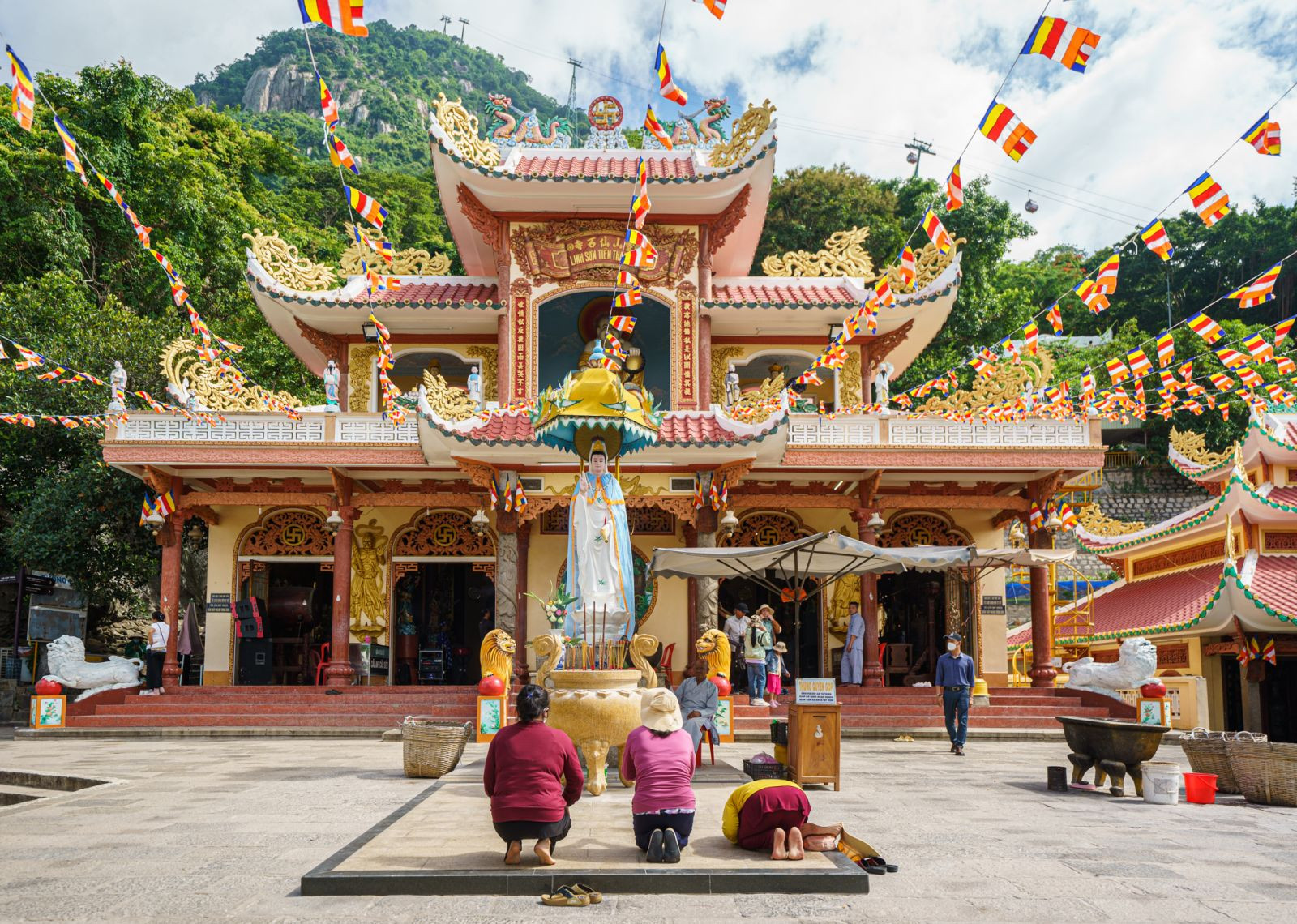
Visitors should choose respectful attire when visiting temples
When entering prayer halls, remove your hat, keep your phone on silent mode, and avoid speaking loudly or running inside the temple grounds. Photography is generally permitted in outdoor areas, but visitors should refrain from using flash or taking photos during religious ceremonies. If you would like to burn incense, make offerings, or receive blessings, follow the instructions provided by temple staff and respect the customs observed by local worshippers. Practicing good etiquette not only shows respect for the sacred site but also helps preserve its peaceful atmosphere for everyone.
3.2. Use the cable car to explore the mountain comfortably
The easiest way to visit the famous pagodas in Tay Ninh is by taking the modern cable car system at Ba Den Mountain. The journey takes only a few minutes and offers spectacular panoramic views of forests, rice fields, reservoirs, and Tay Ninh City, making it an attraction in its own right. The cable car is suitable for families with children, elderly travelers, and anyone who prefers a comfortable alternative to hiking.
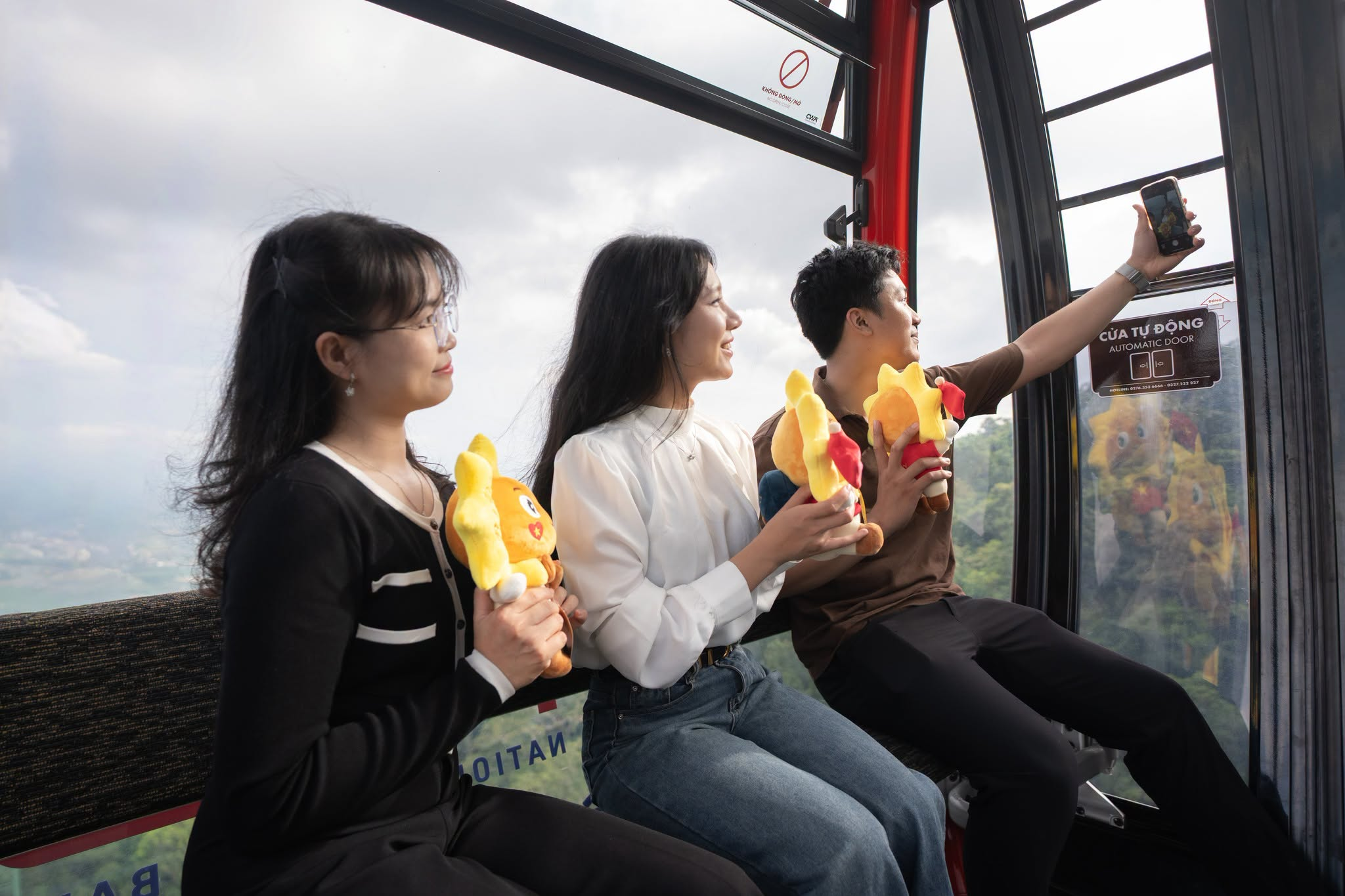
Tourists experience the cable car ride on Ba Den Mountain
Once on the mountain, visitors can conveniently explore the historic pagoda complex before continuing to the summit. Besides visiting Linh Son Tien Thach Tu and other sacred temples, travelers can admire the impressive Tay Bo Da Son Buddha Statue, explore the exhibition center beneath the statue, relax in beautifully landscaped gardens, and enjoy breathtaking viewpoints overlooking Southern Vietnam. Purchasing a cable car ticket allows visitors to combine spiritual sightseeing with scenic experiences in a single trip while saving time and energy.
3.3. Choose the right time to visit for the best experience
Although Tay Ninh's pagodas welcome visitors throughout the year, your travel experience can vary significantly depending on when you visit. The busiest period is during the Ba Den Mountain Spring Festival, which begins on the fourth day of the Lunar New Year and continues for several weeks. During this time, thousands of pilgrims gather to pray for health, prosperity, and good fortune, creating a vibrant and festive atmosphere filled with traditional rituals and cultural activities.
Other important occasions, such as Vesak (Buddha's Birthday) and the Vu Lan Festival, also attract many Buddhist devotees. If you would like to witness these celebrations and experience local religious traditions, visiting during festival season is highly recommended. However, travelers seeking a quieter atmosphere for meditation, photography, or leisurely sightseeing may prefer weekdays or the dry season from December to April, when the weather is pleasant and visibility from Ba Den Mountain is excellent.
👉 BOOK BA DEN MOUNTAIN TICKET NOW!
3.4. Plan a full-day itinerary to discover more of Tay Ninh
A visit to a pagoda in Tay Ninh can easily be combined with other attractions, allowing travelers to enjoy a rewarding full-day or weekend itinerary. After exploring the historic pagoda complex on Ba Den Mountain, visitors can continue to the mountain summit to admire the panoramic landscapes, visit iconic Buddhist landmarks, and experience one of Vietnam's most remarkable spiritual tourism destinations.
Beyond Ba Den Mountain, Tay Ninh offers several attractions worth exploring, including the magnificent Cao Dai Holy See, one of the world's most unique religious buildings, the peaceful Dau Tieng Lake, and local restaurants serving vegetarian Buddhist cuisine as well as famous regional specialties such as rice paper, salt-seasoned shrimp, and Trang Bang noodles. Combining cultural, spiritual, culinary, and natural experiences provides a deeper understanding of Tay Ninh and makes the journey far more memorable than simply visiting a single temple.
4. Frequently asked questions about pagodas in Tay Ninh
- Which is the most famous pagoda in Tay Ninh?
The most famous pagoda in Tay Ninh is Linh Son Tien Thach Tu (Ba Pagoda) on Ba Den Mountain. Dating back to the 18th century, it is the oldest pagoda in the province and the spiritual center of the Ba Den Mountain temple complex. The pagoda is closely associated with the legend of Linh Son Thanh Mau and attracts millions of pilgrims and visitors each year.
- How many pagodas are there on Ba Den Mountain?
Ba Den Mountain is home to a historic complex of six Buddhist pagodas: Linh Son Tien Thach Tu (Ba Pagoda), Linh Son Long Chau (Hang Pagoda), Linh Son Phuoc Trung (Trung Pagoda), Quan Am Pagoda, Linh Son Hoa Dong, and Long Chau Phuoc Trung. Together, these temples form one of Southern Vietnam's most important Buddhist pilgrimage destinations, combining centuries-old religious heritage with spectacular mountain scenery.
- Is there an entrance fee to visit the pagodas?
There is no entrance fee to visit the historic pagodas themselves. However, if you choose to travel by the Ba Den Mountain cable car, you will need to purchase a cable car ticket. Visitors may also make voluntary donations to support temple maintenance and religious activities, but these contributions are entirely optional.
- What is the best time to visit a pagoda in Tay Ninh?
The pagodas can be visited throughout the year, but the most popular time is during the Ba Den Mountain Spring Festival, which starts on the fourth day of the Lunar New Year. This period offers a lively atmosphere with traditional ceremonies and thousands of pilgrims. For travelers who prefer fewer crowds and cooler weather, the dry season from December to April is an excellent time to visit, offering clear skies and comfortable conditions for exploring both the pagodas and the mountain summit.
- Can international tourists visit the pagodas?
Yes. All of Tay Ninh's major pagodas are open to both Vietnamese and international visitors. English signage is available at many attractions on Ba Den Mountain, and the modern cable car system makes the temples easily accessible for travelers of all ages. International visitors are encouraged to dress modestly, respect local customs, and maintain appropriate behavior while visiting these active places of worship.
A visit to a pagoda in Tay Ninh offers much more than a sightseeing experience. It is an opportunity to discover centuries of Buddhist heritage, admire remarkable religious architecture, and immerse yourself in the tranquil beauty of Ba Den Mountain. Whether you are seeking spiritual inspiration, cultural exploration, or spectacular panoramic views, Tay Ninh provides a unique destination where history, faith, and nature come together. Plan your trip to explore the sacred pagoda complex, ride the modern cable car, and experience one of Southern Vietnam's most iconic pilgrimage sites.


