




1. Sapa Love Market – A unique cultural tradition in the Northwest
A Sapa Love Market is one of the cultural experiences associated with the mountain town of Sapa, offering visitors a glimpse into the social traditions and community life of ethnic groups in Vietnam’s Northwest. More than a conventional marketplace, the tradition is connected with opportunities for young people to meet, communicate, sing, play traditional music and take part in community activities. For international travellers, it provides an interesting perspective on how social and cultural relationships have traditionally developed within mountain communities.
The tradition is closely associated with the ethnic communities living around Sapa and the wider Lao Cai region. Historically, local markets were not only places for exchanging agricultural products and everyday goods but also important social gathering spaces. During these occasions, people from different villages could meet friends, interact with members of other communities and participate in forms of entertainment that reflected local customs. Music and traditional performances are an important part of the cultural atmosphere. Traditional instruments, singing and community games can create a lively setting, while colourful ethnic costumes make the gathering visually distinctive. Depending on the occasion, visitors may encounter cultural expressions associated with communities such as the H’Mong, Red Dao, Tay and other ethnic groups in the Northwest.
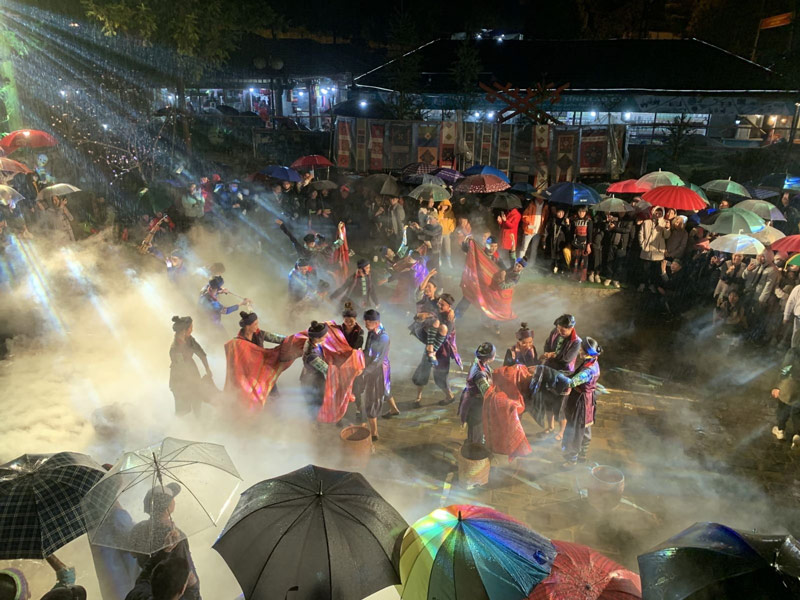
Sapa Love Market (Source: Collected)
For travellers, understanding the cultural context is important when experiencing the Sapa Love Market. The idea of a “love market” can be easily misunderstood if viewed only through a modern tourism perspective. Its cultural significance is broader, encompassing social interaction, friendship, courtship traditions and community relationships that have evolved over generations. Today, the Sapa Love Market is commonly associated with Sapa’s weekend cultural atmosphere, particularly Saturday evening activities in and around the town centre. Visitors can combine the experience with an evening walk through Sapa, explore local food, listen to traditional music and observe the distinctive costumes worn during cultural activities. The experience is especially suited to travellers interested in local traditions and the living culture of Northwest Vietnam.
For international visitors, the Sapa Love Market offers a different way to understand Sapa beyond its mountain landscapes and famous attractions. Experiencing the music, clothing, social activities and community atmosphere can provide a closer connection to the cultural identity of the region and add a meaningful dimension to a Sapa itinerary.
2. What to experience at Sapa Love Market
2.1 Discover the tradition behind the love market
The most meaningful way to experience Sapa Love Market is to understand its cultural background. Traditionally, gatherings of local communities were occasions for people from different villages to meet, exchange news and spend time together. For young people, these social occasions could also provide opportunities to make friends and express affection through singing, conversation and traditional forms of entertainment.
The concept therefore goes beyond the idea of a marketplace where people come to buy and sell goods. It reflects the importance of community relationships in the mountainous areas around Sapa, where villages have historically been separated by valleys and mountain terrain. Periodic gatherings created opportunities for people to reconnect and meet others from neighbouring communities.
For international visitors, learning this context can make the experience more meaningful. Rather than looking for a single “love market” attraction, travellers can observe how music, clothing, social interaction and community activities come together to express an aspect of Northwest Vietnam's cultural heritage.
2.2 Listen to traditional music and singing
Music is one of the most recognisable elements of the cultural atmosphere surrounding Sapa Love Market. Traditional singing and musical performances create a lively setting in which visitors can observe how music has traditionally been used as a form of communication and social interaction. Different communities in the Northwest have their own musical traditions, instruments and performance styles.
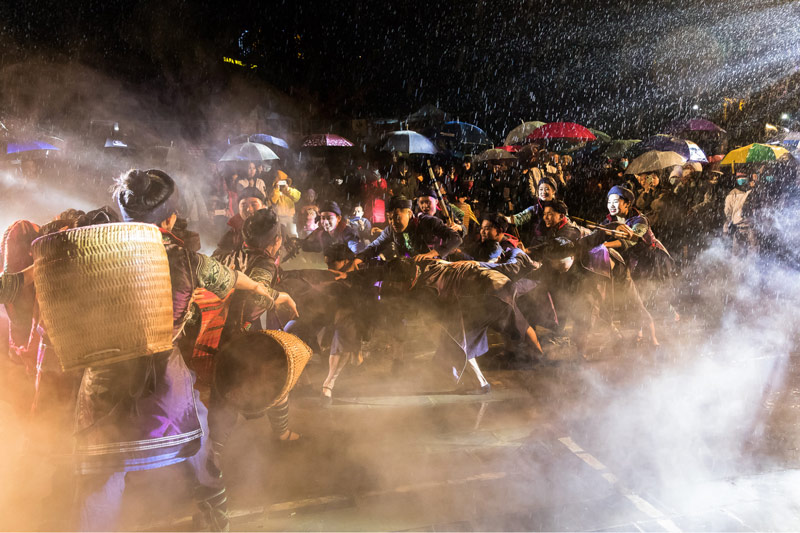
Artistic performances at the Sapa Love Market (Source: Collected)
The sounds of traditional instruments can be heard alongside singing, dancing and other community activities during cultural gatherings. For visitors unfamiliar with these traditions, the experience offers an opportunity to appreciate local music in a social setting rather than only through staged performances.
Travellers should also pay attention to the interaction between performers and participants. Singing and music may carry social or cultural meanings that are not immediately apparent to international visitors. Taking time to observe the atmosphere, rather than focusing only on photographs, can provide a better understanding of the role of music in local community life.
2.3 Admire traditional ethnic costumes
Colourful ethnic costumes are another distinctive feature visitors may encounter around Sapa Love Market. Traditional clothing in the region varies between communities, with differences in colours, patterns, embroidery, accessories and construction techniques. These details reflect cultural identity and the craftsmanship passed down through generations.
The H’Mong, Red Dao, Tay, Giay and other ethnic communities around Sapa have distinctive approaches to traditional dress. Embroidery, woven textiles, natural dyes and decorative motifs can carry cultural meanings while also demonstrating considerable textile-making skills. For international travellers, observing these details can provide a visual introduction to the diversity of ethnic cultures in the Northwest.
Photography is naturally part of the experience, but visitors should remain respectful when photographing local people. Asking for permission before taking close-up portraits is a simple way to create a more considerate cultural exchange. Travellers can also ask about the clothing or handicrafts they see, turning a visual experience into an opportunity to learn.
2.4 Experience the weekend atmosphere in Sapa town
The Sapa Love Market is closely connected with the town's weekend cultural atmosphere. Saturday evening is traditionally associated with cultural activities in Sapa, when the town becomes a gathering point for both local communities and visitors. Streets and public spaces around the centre can take on a distinctly different character from daytime sightseeing.
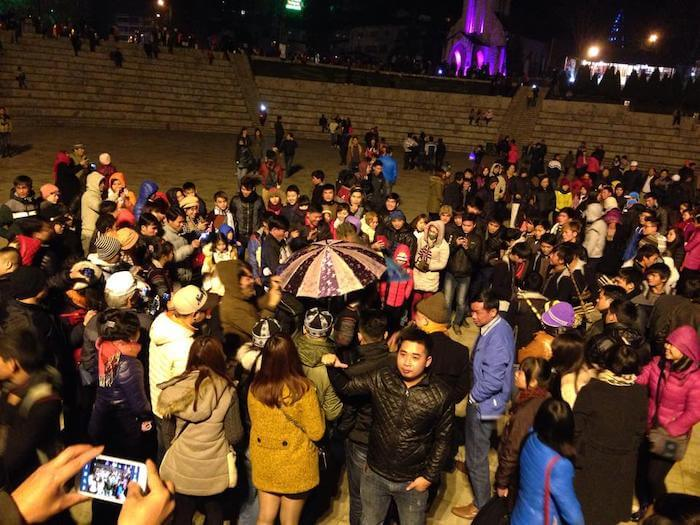
A large number of tourists experience the Sapa Love Market (Source: Collected)
Travellers can combine the evening experience with a walk around Sapa town, stopping to sample local snacks or explore nearby shops and food stalls. The cooler mountain air and illuminated streets create a relaxed setting for experiencing Sapa after a day spent exploring Fansipan, Muong Hoa Valley or surrounding villages.
The evening can also be planned at a comfortable pace. Rather than treating the love market as a short stop, visitors can allow several hours to explore the town, observe cultural activities, enjoy dinner and discover Sapa's night-time atmosphere. This makes the experience easier to combine with a broader Sapa itinerary.
2.5 Try local food during an evening cultural experience
Food can complement an evening at Sapa Love Market, particularly for travellers who want to experience several aspects of local life in one outing. Sapa's evening food scene includes grilled dishes, mountain specialities and snacks influenced by the culinary traditions of Northwest Vietnam. Trying local food provides another way to connect with the region's ingredients and everyday culture.
Visitors can look for familiar regional specialities such as grilled meat skewers, bamboo-tube sticky rice and other mountain dishes. The cooler evening climate also makes warm and freshly prepared food particularly appealing after walking around town.
For international travellers, food is often one of the easiest ways to engage with local culture. Choosing a few regional dishes and asking about their ingredients or preparation can turn a simple dinner into a small cultural discovery. Travellers with dietary requirements should communicate their preferences clearly and check ingredients before ordering.
2.6 Combine Sapa Love Market with other evening experiences
A visit to Sapa Love Market can form part of a wider evening itinerary rather than being an isolated activity. After exploring Sapa during the day, visitors can return to the town centre in the evening for cultural activities, dinner and a relaxed walk. This allows travellers to experience a different side of Sapa after the mountain attractions have become quieter.
For those staying overnight, the evening can also include a visit to the local night market or time at a coffee shop overlooking the town. These slower activities provide a contrast to daytime excursions to Fansipan and Muong Hoa Valley, allowing visitors to experience both the natural and cultural dimensions of Sapa.
A well-planned evening might therefore begin with a cultural performance or community gathering, continue with local food and finish with a walk through the town centre. By combining several complementary experiences, international travellers can better appreciate how Sapa's contemporary tourism environment coexists with the cultural traditions of the surrounding mountain communities.
Phần 3 nên chuyển sang kinh nghiệm và cách lên lịch trải nghiệm, giúp khách quốc tế biết nên đi thời điểm nào, chuẩn bị gì và kết hợp Love Market với các điểm khác ra sao.
3. How to make the most of your Sapa Love Market experience
3.1 Learn about local customs before joining activities
A little cultural preparation can make a Sapa Love Market visit much more meaningful. The traditions associated with the market are connected with social interaction, music, friendship and courtship among local communities, so visitors should avoid interpreting every activity through the modern concept of a romantic dating market.
Learning a few basic facts about the ethnic communities around Sapa can also help travellers recognise differences in traditional clothing, music and customs. The H’Mong, Red Dao, Tay and Giay communities, for example, each have their own cultural identities and traditions.
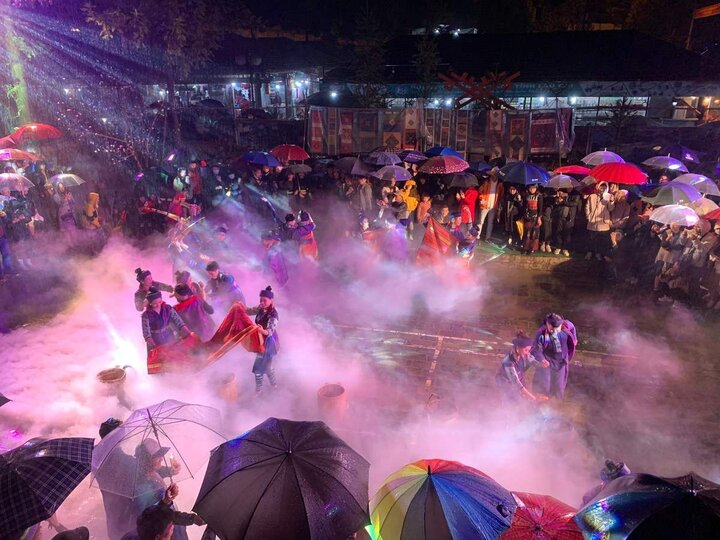
The Sapa Love Market is a beautiful traditional cultural feature of Sapa (Source: Collected).
Visitors should observe before participating and follow the guidance of local performers or organisers. Respecting personal space, asking permission before taking portraits and avoiding inappropriate behaviour around ceremonial or cultural activities helps maintain a respectful environment for both residents and visitors.
3.2 Allow time for food and an evening walk
The Sapa Love Market experience does not need to end when a cultural performance finishes. Travellers can extend their evening by exploring the streets around central Sapa, where local food and other evening activities offer a chance to experience the town at a slower pace.
An evening food stop is a natural addition to the itinerary. Visitors can sample grilled specialities, local snacks and other Northwest-inspired dishes while discovering flavours that are different from those commonly found in Vietnam's major cities. A warm meal can also be especially enjoyable in Sapa's cool mountain climate.
After dinner, travellers can continue with a leisurely walk through the town centre or stop at a coffee shop. This combination of cultural activities, local food and relaxed exploration allows visitors to experience Sapa as both a mountain destination and a living community.
3.3 Bring suitable clothing and prepare for the mountain climate
Sapa's mountain climate can change quickly, particularly in the evening. Travellers planning to spend several hours outdoors for the Sapa Love Market should therefore bring comfortable clothing and an additional light layer, even when daytime temperatures feel pleasant.
Comfortable footwear is also useful because an evening itinerary may involve walking between cultural spaces, restaurants and public areas around the town centre. If rain is forecast, a compact rain jacket or umbrella can make the experience more comfortable.
Preparation is especially important when the Love Market is part of a longer Sapa trip. Visitors may spend the daytime travelling to Fansipan or exploring Muong Hoa Valley before returning to town in the evening, so carrying only the essentials and planning for changing weather can make the full day easier to manage.
Experiencing Sapa Love Market is an opportunity to discover the cultural character of Sapa through traditional music, ethnic costumes, local cuisine and community activities. By learning about the traditions behind the gathering and exploring the town at a relaxed pace, international travellers can gain a deeper appreciation of the diverse cultural heritage that makes Sapa distinctive.


