




1. Why should explore Sapa trekking routes?
Exploring Sapa trekking routes is one of the best ways to experience the natural beauty and cultural diversity of northern Vietnam. While attractions such as the Fansipan cable car and Sapa Town are popular with visitors, trekking allows travellers to venture beyond the main tourist areas and discover breathtaking mountain landscapes, terraced rice fields, and traditional ethnic villages at a slower, more immersive pace. Whether you are a beginner or an experienced hiker, Sapa offers routes suitable for every fitness level.
Nestled in the Hoang Lien Son mountain range, Sapa is renowned for its spectacular scenery throughout the year. Trekking trails wind through lush valleys, bamboo forests, cascading streams, and some of Vietnam's most iconic rice terraces. Depending on the season, visitors can admire vibrant green fields in summer, golden rice terraces during the autumn harvest, colourful wildflowers in spring, or mist-covered mountains in winter. Every route offers a unique perspective on the region's remarkable natural beauty.
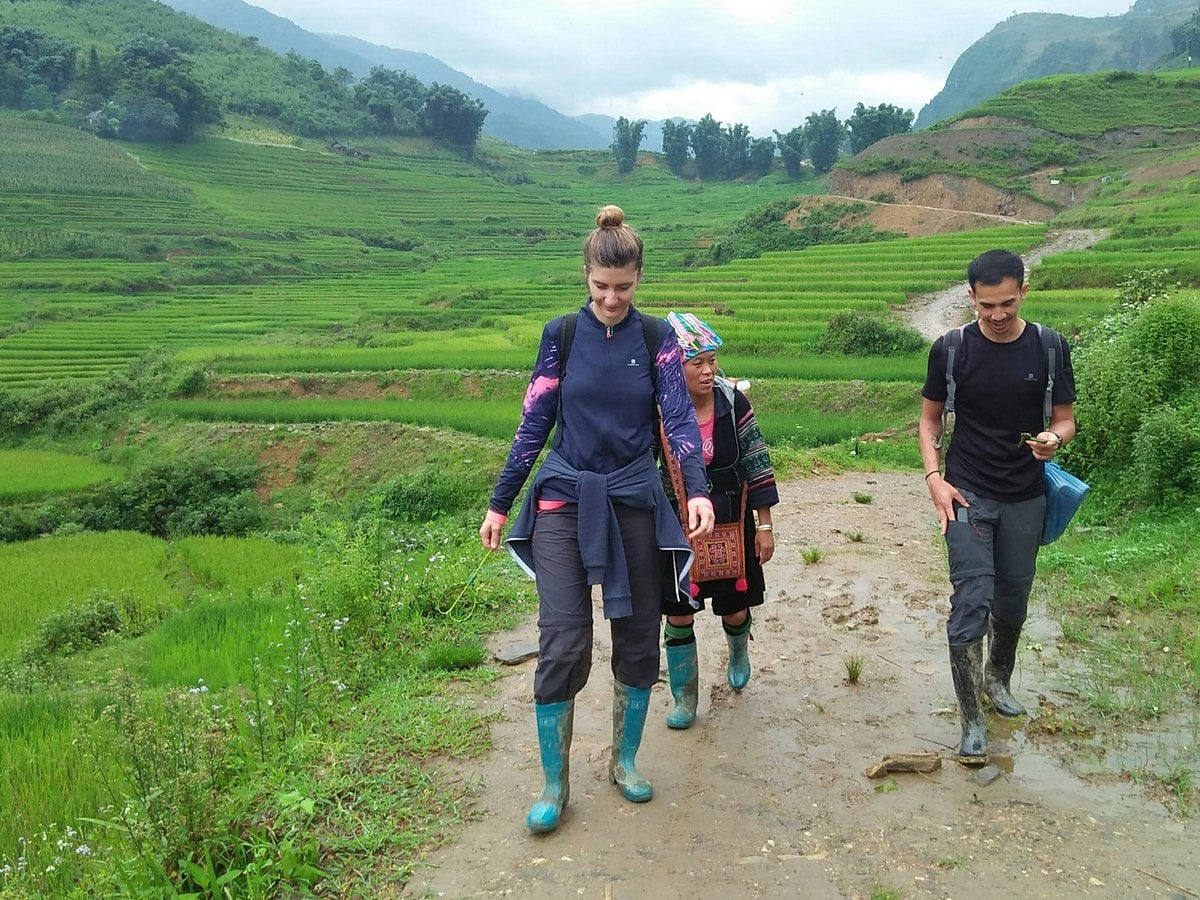
Tourists experience trekking through villages in Sapa
One of the highlights of following Sapa trekking routes is the opportunity to visit the traditional villages of ethnic minority communities such as the Black Hmong, Red Dao, Giay, and Tay people. Along the way, travellers can observe daily life, admire traditional wooden houses, learn about local farming practices, and discover handicrafts that have been preserved for generations. These authentic cultural encounters make trekking in Sapa much more than a scenic hike—it becomes a meaningful journey into the region's heritage and traditions.
Another advantage of trekking is the flexibility it offers. Visitors can choose from short half-day walks to nearby villages, full-day hikes through Muong Hoa Valley, or multi-day adventures connecting several remote communities. Many routes can also be combined with popular attractions such as Sun World Fansipan Legend, allowing travellers to enjoy both the excitement of reaching the summit of Fansipan by cable car and the tranquillity of walking through Sapa's spectacular countryside.
Whether you are seeking adventure, photography opportunities, cultural experiences, or simply a chance to reconnect with nature, Sapa trekking routes offer unforgettable experiences for every type of traveller. With well-established trails, knowledgeable local guides, and breathtaking scenery around every corner, trekking remains one of the most rewarding ways to discover the true beauty and character of Sapa.
2. Best Sapa trekking routes for every traveler
2.1. Fansipan trekking route
For experienced hikers, the Fansipan trekking route is the most iconic of all Sapa trekking routes. Standing at 3,143 metres, Fansipan is the highest peak in the Indochina Peninsula and attracts adventure enthusiasts from around the world. Unlike travelling by cable car, trekking to the summit offers a rewarding challenge through the pristine forests of Hoang Lien National Park, allowing visitors to experience the mountain's remarkable biodiversity and untouched natural beauty.
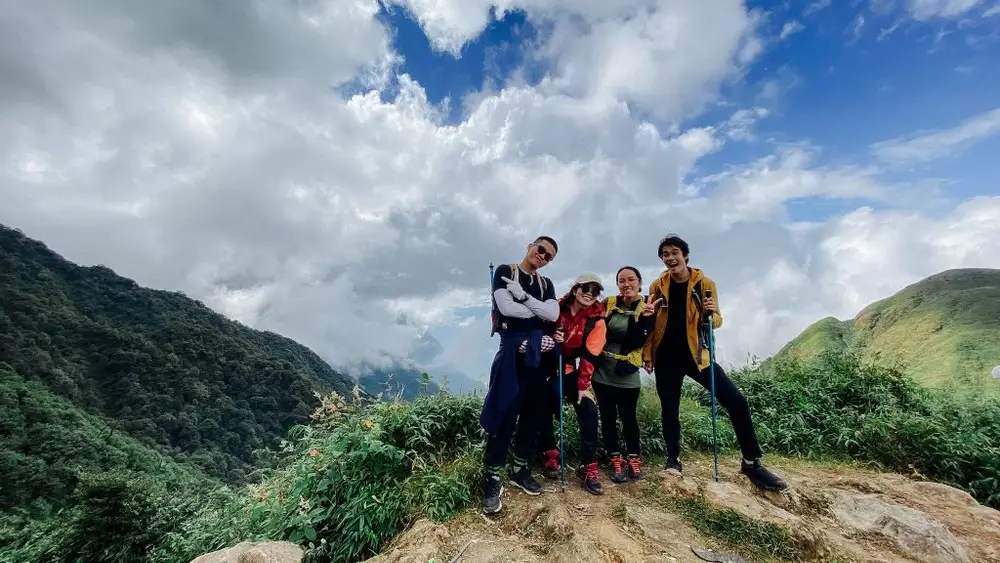
Tourists enjoy the experience of trekking and exploring Fansipan
The trek typically takes two to three days, depending on the chosen route and the hikers' fitness level. Along the journey, trekkers pass through dense bamboo forests, ancient woodlands, mountain streams, and steep rocky trails while gradually ascending to higher elevations. As the altitude increases, the scenery changes dramatically, offering spectacular panoramic views of the Hoang Lien Son mountain range and opportunities to witness rare flora and fauna unique to the region.

The majestic natural scenery on the summit of Fansipan
Due to the physical demands of the climb, the route is recommended for travellers with good fitness levels and is usually undertaken with licensed local guides. Many visitors choose to trek to the summit before descending by the Fansipan cable car, combining the excitement of a mountain expedition with the comfort of a scenic cable car ride. This option allows travellers to experience both the adventure of trekking and the world-famous panoramic views offered by Sun World Fansipan Legend.
2.2. Lao Chai – Ta Van trekking route
The Lao Chai – Ta Van trail is widely regarded as one of the most scenic Sapa trekking routes, taking visitors deep into the spectacular Muong Hoa Valley. This moderate trek passes through endless terraced rice fields, mountain streams, suspension bridges, and peaceful ethnic villages surrounded by the Hoang Lien Son mountain range. It is an excellent choice for travellers who want to combine breathtaking landscapes with authentic cultural experiences.
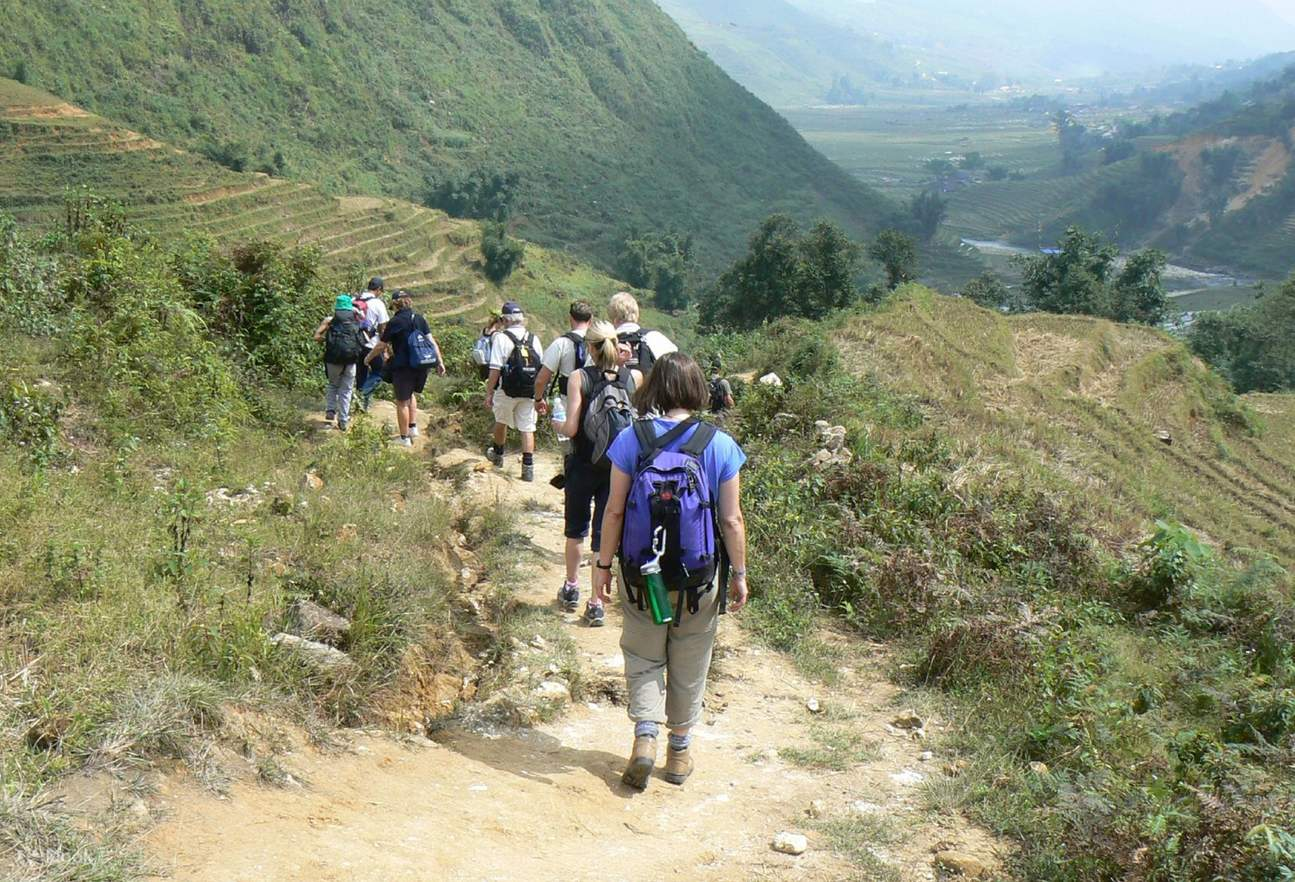
Tourists experience trekking along the Lao Chai - Ta Van route
Along the route, visitors travel through villages inhabited by the Black Hmong and Giay communities, where they can observe traditional farming methods, admire handmade textiles, and learn about the daily lives of local families. Depending on the season, the scenery transforms from vibrant green rice terraces in summer to golden landscapes during the autumn harvest. Most hikers complete the route in 4–6 hours, while others choose to stay overnight in a local homestay for a more immersive cultural experience.
2.3. Muong Hoa Valley trekking route
The Muong Hoa Valley trekking route is ideal for travellers looking for a relatively gentle hike with some of Sapa's most spectacular scenery. Winding through the valley's famous rice terraces, rivers, and traditional villages, this route showcases the landscapes that have made Sapa one of Vietnam's top trekking destinations. The trails are generally suitable for beginners and intermediate hikers, with numerous viewpoints perfect for photography.
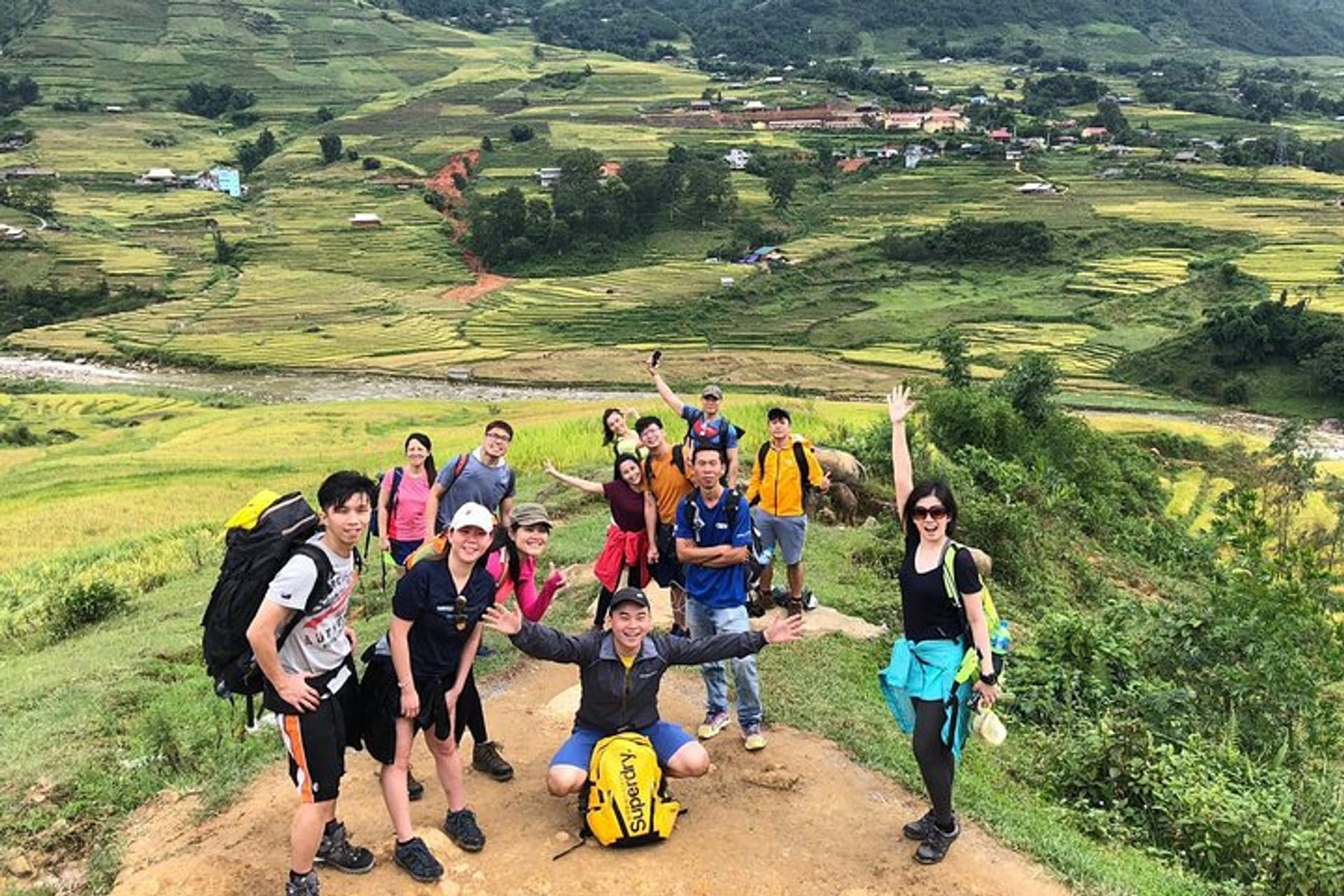
The picturesque scenery in Muong Hoa Valley
Depending on the itinerary, trekkers may pass through villages such as Y Linh Ho, Lao Chai, and Ta Van while enjoying uninterrupted views of the surrounding mountains. During autumn, the golden rice terraces create one of Vietnam's most iconic landscapes, while spring and summer bring lush greenery and colourful flowers. The route offers an excellent balance of natural beauty, cultural encounters, and moderate physical activity.
2.4. Cat Cat Village trekking route
The Cat Cat Village route is one of the easiest and most accessible Sapa trekking routes, making it perfect for first-time visitors, families, and travellers with limited time. Located just 2 km from Sapa Town, the trail follows a well-maintained stone pathway through terraced fields, flower gardens, waterfalls, and traditional Hmong houses before reaching the heart of the village.
Visitors can explore local handicraft workshops, observe traditional weaving and silver-making, enjoy cultural performances, and photograph the picturesque Cat Cat Waterfall. The trek typically takes 2–3 hours, making it easy to combine with visits to Sapa Town or Sun World Fansipan Legend. Its short distance and beautiful scenery make it one of the most popular walking routes in the region.
2.5. Ta Phin Village trekking route
For travellers looking to escape the busiest tourist trails, the Ta Phin Village route offers a quieter trekking experience through the countryside north of Sapa. The trail leads visitors across peaceful valleys, rice terraces, forests, and small villages inhabited by the Red Dao ethnic community. Compared with other trekking routes, Ta Phin receives fewer visitors, creating a more tranquil atmosphere for cultural exploration.
Ta Phin is particularly famous for its traditional herbal medicine, handmade embroidery, and centuries-old cultural traditions. Visitors can meet local families, observe artisans creating beautifully embroidered textiles, and even experience a traditional Red Dao herbal bath using medicinal plants collected from the surrounding mountains. This half-day trek combines beautiful landscapes with authentic cultural experiences, making it an excellent choice for travellers seeking a deeper connection with local life in Sapa.
3. Tips for exploring Sapa trekking routes
3.1. Choose a trekking route that matches your fitness level
Before setting out on any of the Sapa trekking routes, consider your fitness level, hiking experience, and the amount of time you have available. Sapa offers a wide variety of trails, from easy walks through Cat Cat Village to challenging multi-day climbs to the summit of Fansipan. Selecting a route that matches your ability will help you enjoy the journey more comfortably and safely.
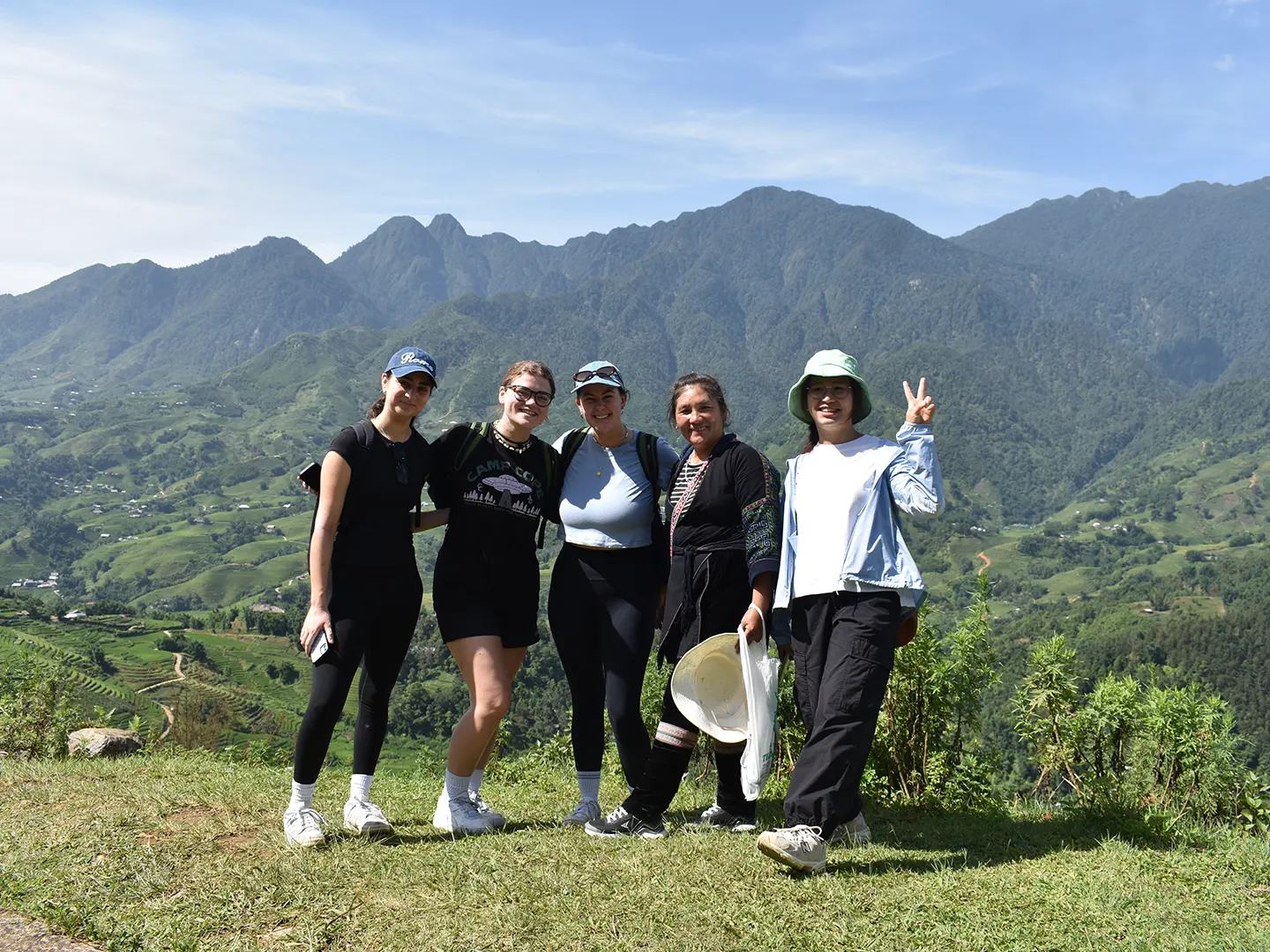
Tourists should carefully research each route to choose the most suitable trekking trip
Beginners or families with children may prefer shorter routes such as Cat Cat Village or sections of Muong Hoa Valley, while experienced hikers can challenge themselves with the Fansipan trekking route. If you're visiting Sapa for the first time, starting with an easier trail allows you to appreciate the scenery and local culture without feeling rushed or overly fatigued.
3.2. Wear proper trekking gear
Although many Sapa trekking routes are accessible throughout the year, mountain trails can become muddy and slippery after rain. Wearing comfortable trekking shoes with good grip is essential, especially when walking through rice terraces, forest paths, or rocky mountain sections. Lightweight, moisture-wicking clothing and layered outfits are recommended, as temperatures can change quickly between morning, afternoon, and evening.
A small backpack containing drinking water, snacks, sunscreen, insect repellent, a rain jacket, and a portable power bank will make your trek much more enjoyable. During cooler months or when trekking at higher elevations such as Fansipan, bringing an additional warm jacket is highly recommended.
3.3. Hire a local trekking guide for longer routes
While some trails close to Sapa Town are easy to explore independently, longer Sapa trekking routes are best experienced with a local guide. Guides are familiar with the terrain, weather conditions, and village customs, ensuring a safer and more informative journey. They can also introduce visitors to ethnic communities, explain local traditions, and share stories about the region's history, agriculture, and culture that travellers might otherwise miss.
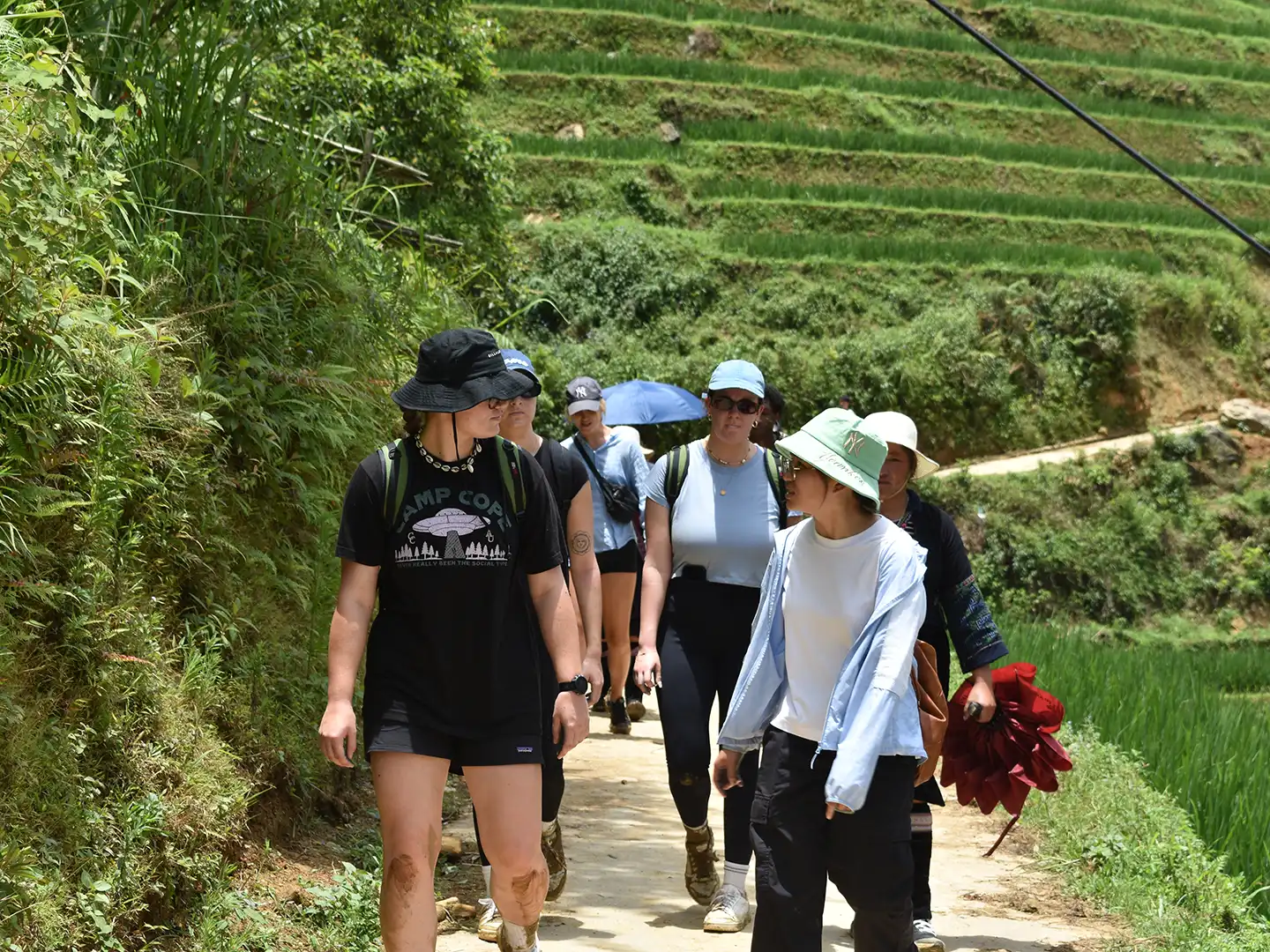
Hiring a professional guide makes it easier for tourists to conquer trekking routes
Hiring a local guide also supports the local economy, as many guides come from Hmong, Red Dao, or Giay communities living in the villages along the trekking routes. Their knowledge of hidden viewpoints, less-crowded trails, and authentic local experiences often makes the trek more rewarding than following a map alone.
3.4. Respect local communities and protect the environment
Many Sapa trekking routes pass through villages where ethnic minority communities continue to live and work. Visitors should respect local customs by asking permission before photographing people, dressing appropriately, and avoiding entering private homes unless invited. Purchasing handmade products directly from local artisans is also a meaningful way to support community livelihoods while bringing home authentic souvenirs.
Equally important is protecting Sapa's fragile mountain environment. Carry reusable water bottles whenever possible, avoid leaving litter on the trails, and stay on designated paths to minimise damage to rice terraces and surrounding vegetation. Responsible trekking helps preserve Sapa's spectacular landscapes and ensures future visitors can continue to enjoy the region's natural beauty.
3.5. Start your trek early for the best weather and views
The best time to begin exploring Sapa trekking routes is early in the morning, when temperatures are cooler and visibility is often at its best. Starting early also gives you more time to complete the route at a comfortable pace, take breaks at scenic viewpoints, and interact with local communities along the way.
Morning light is particularly favourable for photography, illuminating Sapa's famous rice terraces, valleys, and mountain peaks. During the rainy season, early departures also reduce the chance of encountering afternoon showers, while in autumn they provide the opportunity to enjoy breathtaking sunrise views over the golden rice fields before larger tour groups arrive.
Whether you're looking for a gentle walk through picturesque villages or a challenging mountain adventure, Sapa trekking routes offer unforgettable experiences for every type of traveler. Each trail reveals a different side of Sapa, from the spectacular summit of Fansipan and the terraced rice fields of Muong Hoa Valley to the rich traditions of local ethnic communities. By choosing the right route, preparing properly, and respecting the local environment, you can enjoy a safe, rewarding, and memorable trekking experience in one of Vietnam's most beautiful mountain destinations.


