


1. Overview of Sa Pa weather
Located in the mountainous region of Northwest Vietnam, Sa Pa is known for its cool climate and rapidly changing weather. Its high elevation creates noticeably milder conditions than many lowland destinations, making the town a popular escape for travelers who enjoy fresh mountain air, misty landscapes and comfortable temperatures.
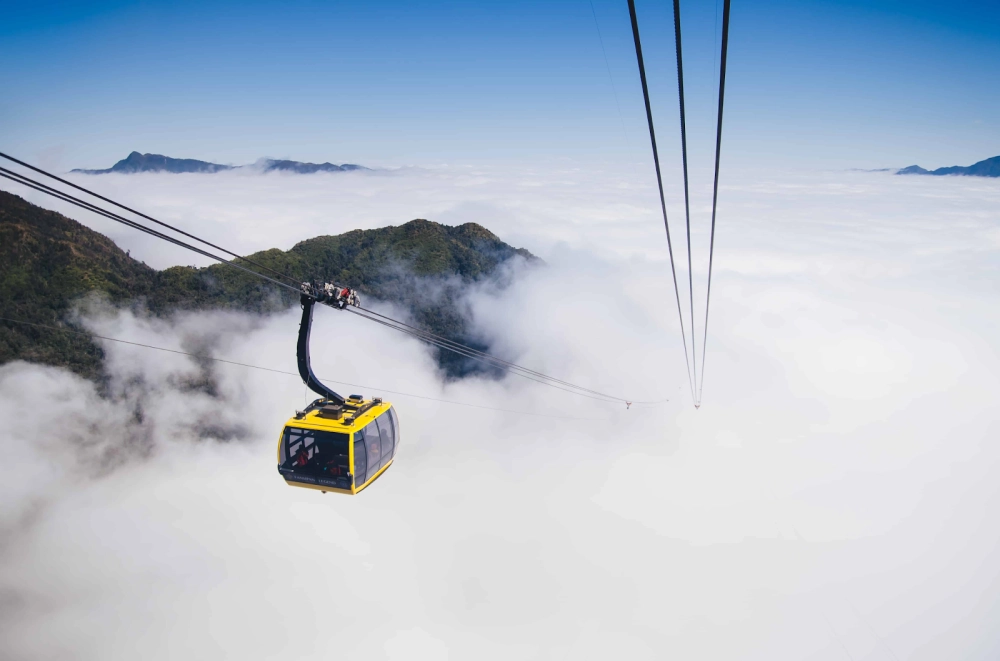
Weather is also an important part of the Sa Pa experience. Conditions can change within the same day, with cool mornings, warmer periods around midday and temperatures falling again towards the evening. Mist and clouds are common features of the mountain landscape, while conditions at higher elevations, particularly around Fansipan, can be considerably colder and more unpredictable than in the town center.
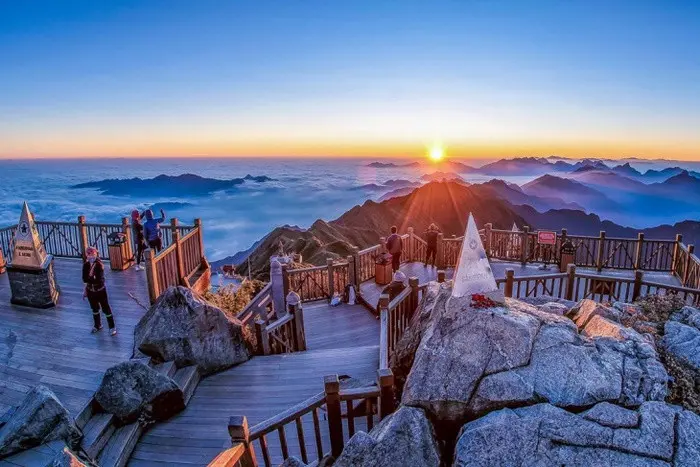
Sa Pa’s location creates a cool climate and distinctive mountain atmosphere throughout the year (Source: Collected)
In general, the best time to visit Sa Pa for cool weather is during spring and autumn, when temperatures are often comfortable for walking, sightseeing and exploring the surrounding mountains and villages. Summer can also feel pleasantly cooler than many other parts of Vietnam, although rainfall is more frequent, while winter brings a much colder and more dramatic mountain experience.
Because each season creates a different atmosphere, there is no single period that suits every traveler. Choosing when to visit depends on whether the priority is mild weather for outdoor activities, cool summer conditions, autumn scenery or the colder temperatures of winter. Understanding these seasonal differences is the first step towards finding the best time to visit Sa Pa for cool weather.
2. Sa Pa weather by season: When should you visit?
Although Sa Pa remains cooler than many lowland destinations for much of the year, each season brings noticeably different conditions. Spring and autumn generally offer the most comfortable balance for outdoor activities, while summer provides a cooler escape from the heat and winter is suited to travelers seeking a genuinely cold mountain experience.
2.1. Spring (March–May): Mild weather and fresh mountain scenery
Spring is one of the most comfortable periods to visit Sa Pa. As winter gradually fades, temperatures become milder while the mountain air remains pleasantly cool. This makes March to May particularly suitable for travelers who want to spend long periods outdoors without dealing with the stronger cold of winter or the heavier rainfall associated with summer.
The season also brings renewed color to the landscape. Vegetation becomes increasingly green, flowers can be seen around the town and surrounding areas, and the valleys take on a fresh appearance. Conditions are well suited to walking around Sa Pa town, exploring Cat Cat Village or spending time outdoors in Muong Hoa Valley.
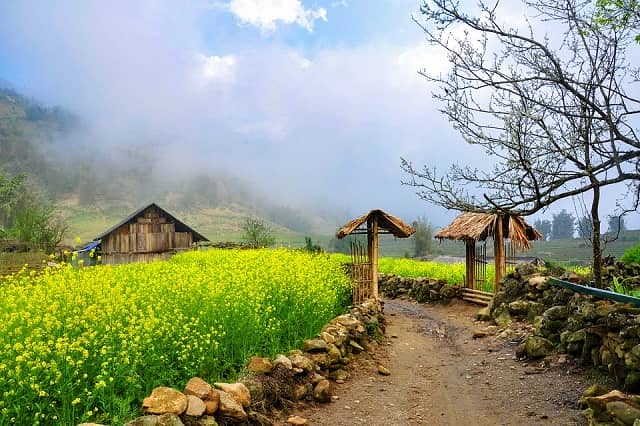
Spring combines cool mountain weather with fresh, colorful landscapes across Sa Pa (Source: Collected)
A light jacket is still useful, particularly in the morning and after sunset. Travelers heading to Fansipan should prepare additional warm clothing because temperatures around the summit can be considerably lower than in central Sa Pa.
2.2. Summer (June–August): A cool escape with more rainfall
Summer offers a different reason to visit Sa Pa. While many parts of northern Vietnam experience intense heat, Sa Pa’s elevation helps maintain comparatively cooler conditions, making it a popular mountain escape during the warmer months.
The landscape is particularly lush during this period. Mountains and valleys are covered in vibrant greenery, while terraced fields gradually develop as the rice-growing season progresses. Clouds and mist can also create dramatic views across the Hoang Lien Son range.
However, June to August coincides with the wetter part of the year. Rain can arrive suddenly, and heavy showers may affect trekking trails, mountain roads and visibility. Travelers should therefore keep outdoor plans flexible and prepare a lightweight raincoat, water-resistant footwear and protection for electronic devices.
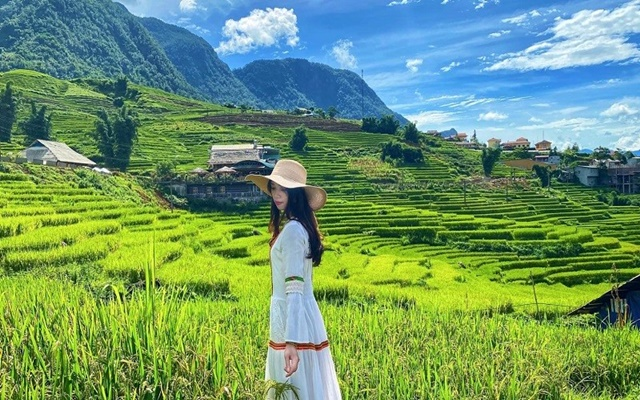
Summer brings lush green scenery to Sa Pa, accompanied by more frequent mountain rainfall (Source: Collected)
For travelers whose main goal is escaping the heat rather than finding the driest conditions, summer can still be an attractive choice. Indoor attractions, cafés and flexible sightseeing plans can easily be combined with outdoor activities when the weather clears.
2.3. Autumn (September–November): Crisp air and spectacular landscapes
Autumn is often one of the strongest choices for travelers searching for the best time to visit Sa Pa for cool weather. Temperatures gradually become cooler after summer, while conditions can be comfortable for trekking, sightseeing and spending extended periods outdoors.
September is especially associated with the golden rice season in many terraced areas surrounding Sa Pa. Hillsides and valleys can turn shades of yellow as the rice approaches harvest, creating some of the destination’s most recognizable scenery. As October and November arrive, the air becomes increasingly crisp and the mountain atmosphere noticeably cooler.
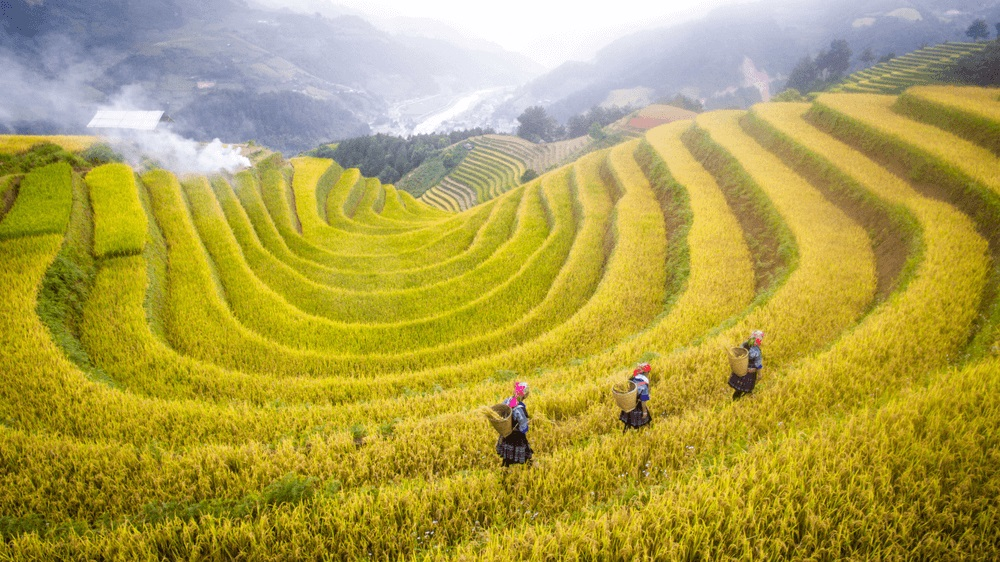
Golden rice terraces add another highlight to Sa Pa’s cool autumn season (Source: Collected)
Autumn works particularly well for itineraries that combine town sightseeing, village visits, trekking and Fansipan. Travelers should still pack layers, as mornings and evenings can become chilly and temperatures fall significantly with elevation.
2.4. Winter (December–February): Cold, misty and atmospheric
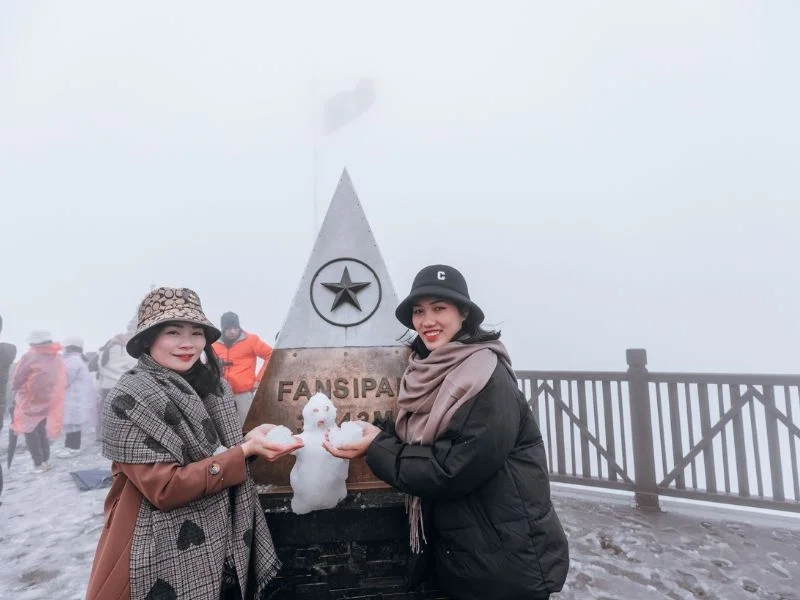
Winter reveals a completely different side of Sa Pa. Temperatures can become very low, particularly during strong cold spells, while fog and mist frequently transform the mountains into a more dramatic landscape. Frost can occur, especially at higher elevations, and exceptionally cold conditions may occasionally bring wintry phenomena around Fansipan and other high mountain areas.
For travelers who genuinely enjoy cold weather, December to February can therefore be one of the most memorable periods to visit. Warm hotpots, grilled food and cafés become particularly appealing, while misty streets and mountain scenery create an atmosphere very different from Sa Pa in warmer seasons.
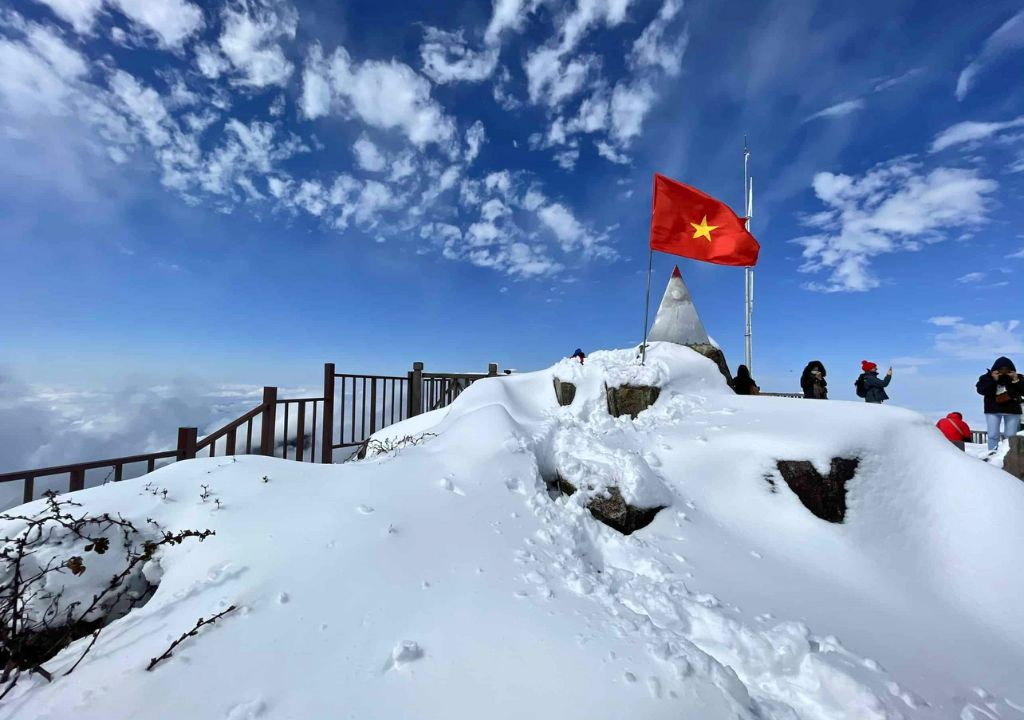
Winter transforms Sa Pa with cold temperatures, mist and a distinctly atmospheric mountain landscape (Source: Collected)
The trade-off is that visibility can be unpredictable. Clouds and fog may obscure mountain views, and cold weather can make long periods outdoors less comfortable. Warm layers, a wind-resistant outer jacket and suitable footwear are important, particularly for visitors planning to travel to Fansipan.
For most travelers, spring and autumn provide the most balanced combination of cool temperatures and comfortable sightseeing conditions. Summer works well for escaping lowland heat, while winter is better suited to those actively seeking a colder mountain adventure.
3. Tips for enjoying Sa Pa’s cool weather
Even during the best time to visit Sa Pa for cool weather, mountain conditions can change quickly. Preparing for temperature differences, rain and shifting visibility will make it easier to enjoy outdoor attractions without letting unexpected weather disrupt the itinerary.
3.1. Dress in layers for changing temperatures
Layering is one of the most practical ways to prepare for Sa Pa. Temperatures can feel noticeably different between early morning, midday and evening, so wearing several light layers allows travelers to adjust their clothing throughout the day.
A light jacket or sweater is useful during spring and autumn, while warmer clothing is necessary during winter. In summer, lightweight clothing may be comfortable during the day, but carrying a thin outer layer can still be useful for cooler evenings, rainy periods or higher elevations. Comfortable footwear is equally important. Many attractions involve walking on slopes, steps or uneven paths, and surfaces can become slippery after rain. Shoes with reliable grip are particularly useful for village visits and trekking routes.
3.2. Check the weather forecast before outdoor activities
Mountain weather can change much faster than travelers expect, so checking the forecast should become part of the daily routine in Sa Pa. Rain, fog and low clouds can influence trekking conditions as well as visibility at viewpoints.
Activities that depend heavily on scenery are best planned for periods with clearer forecasts whenever possible. If rain is expected later in the day, travelers can prioritize outdoor attractions in the morning and leave cafés, restaurants, shopping or other flexible activities for less favorable conditions. At the same time, forecasts in mountainous areas are not always exact. Rather than cancelling an entire day because of a possibility of rain or clouds, maintaining some flexibility allows travelers to adjust the order of attractions as conditions change.
3.3. Prepare for colder weather at Fansipan
Travelers should not assume that the weather in central Sa Pa will be the same at Fansipan. At 3,143 meters above sea level, the summit is significantly higher than the town and can experience lower temperatures, stronger winds, clouds and rapidly changing visibility.
Even when central Sa Pa feels pleasantly cool, carrying an additional warm layer for a Fansipan visit is recommended. A wind-resistant jacket can be particularly useful, while rain protection may also be necessary during wetter periods.
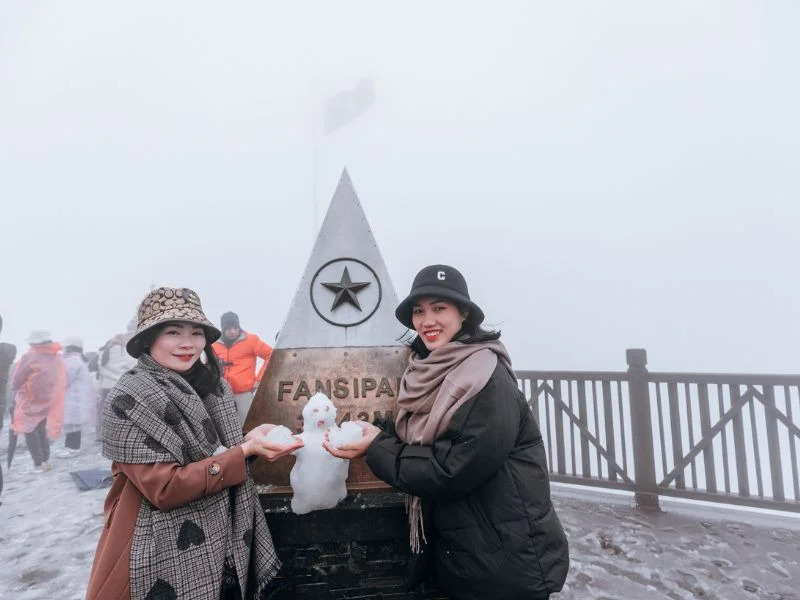
Fansipan’s high elevation means visitors should prepare for colder and more changeable conditions than in Sa Pa town (Source: Collected)
Visitors hoping for panoramic mountain views can check conditions before beginning the journey, but clear visibility can never be guaranteed. Clouds can move quickly across the Hoang Lien Son range, meaning the landscape may change dramatically within a relatively short period.
3.4. Keep the itinerary flexible
Weather should be considered when deciding the order of activities rather than planning every day around a rigid schedule. On clear days, travelers can prioritize Fansipan, trekking, viewpoints and village exploration. When conditions become foggy or rainy, time can instead be spent exploring central Sa Pa, enjoying local cuisine or relaxing at cafés and hotels.
This flexibility is particularly useful on a two- or three-day trip. Leaving some room to swap activities between days increases the chance of experiencing major outdoor attractions in better conditions without sacrificing the rest of the itinerary.
Ultimately, choosing the best time to visit Sa Pa for cool weather provides a good starting point, but preparation remains important in every season. Pack for changing temperatures, monitor daily conditions and allow the mountain weather to shape the journey rather than expecting every day to follow the same pattern.
Sa Pa offers a different mountain atmosphere in every season, from fresh spring days and cool summer escapes to crisp autumn landscapes and misty winter scenery. For most travelers, spring and autumn provide the most comfortable balance between cool temperatures and outdoor conditions. However, the best time to visit Sa Pa for cool weather ultimately depends on the experience you prefer. Check the forecast, prepare for changing temperatures and keep your itinerary flexible to make the most of Sa Pa in any season.