




1. Overview of visa for Phu Quoc
Visa for Phu Quoc refers to the entry regulations that allow foreign travelers to visit Phu Quoc Island under Vietnam’s special visa exemption policy or through a standard Vietnam visa, depending on their travel route and nationality. Among these options, the most well-known is the Phu Quoc visa exemption, which permits eligible international visitors to enter and stay on the island for up to 30 days without applying for a traditional Vietnam visa, provided they meet all immigration requirements.
This special policy is applied exclusively to Phu Quoc Island and is not extended to mainland Vietnam. It means travelers can enjoy direct entry to the island via international flights or sea routes and stay within Phu Quoc visa-free. However, if they plan to travel beyond the island to other destinations in Vietnam, a valid visa is required in accordance with national immigration laws.
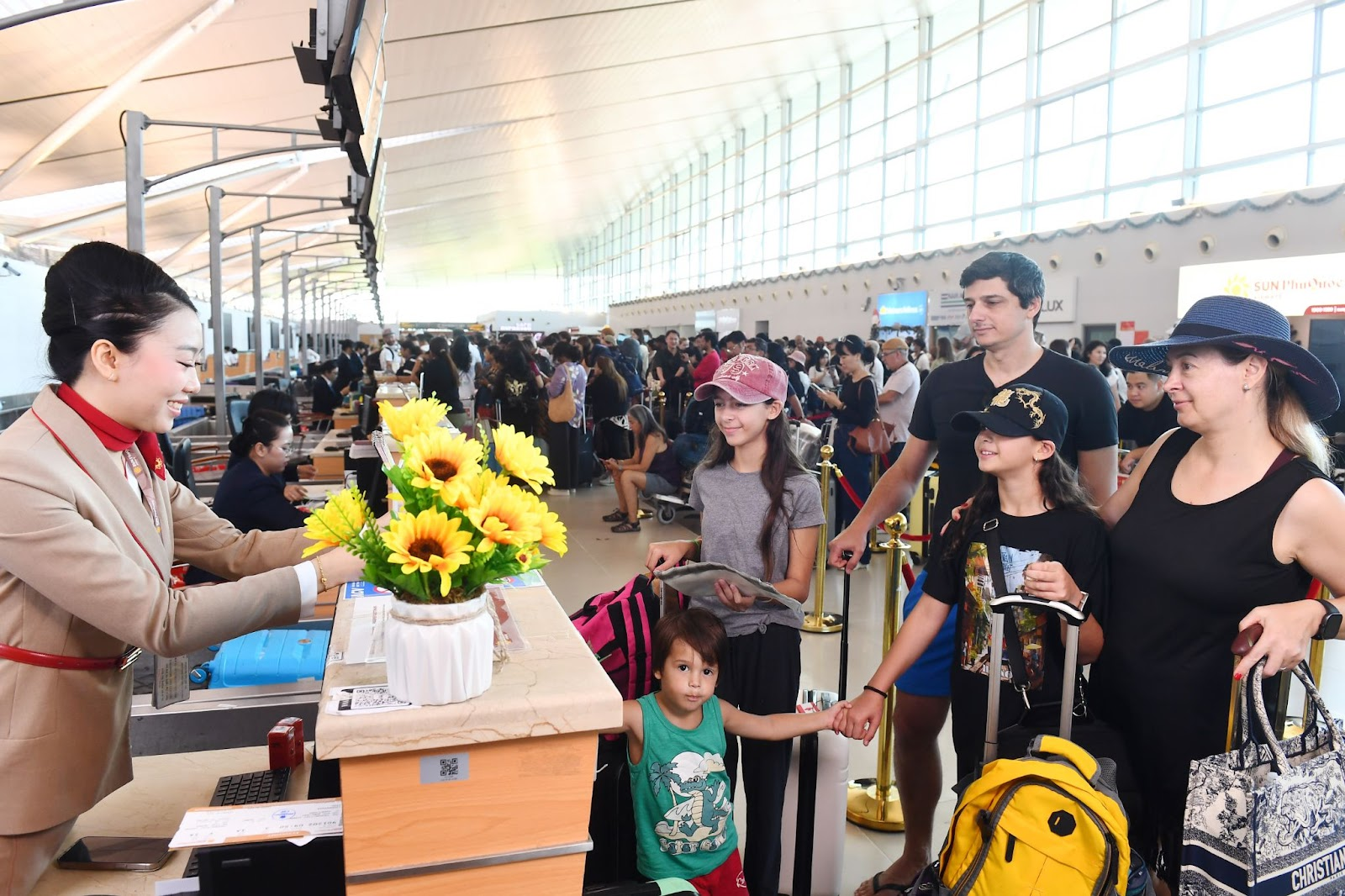
Tourists should carefully research the types of Phu Quoc visas that are suitable for their trip
In addition to the visa exemption, visitors may also use other visa options such as e-visas or tourist visas, depending on their nationality and travel itinerary. These alternatives are suitable for travelers who wish to explore multiple regions in Vietnam during the same trip. As a result, understanding the correct visa type is essential to ensure a smooth entry process and avoid any immigration issues.
Overall, visa arrangements for Phu Quoc are designed to make the island more accessible to international tourists, especially those seeking short-term leisure travel. The combination of visa exemption policies and flexible visa options has helped position Phu Quoc as one of the most convenient and attractive island destinations in Southeast Asia.
2. Types of visa options for Phu Quoc
2.1. Phu Quoc visa exemption
The Phu Quoc visa exemption is the most convenient and widely used entry option for international travelers visiting Phu Quoc Island. Under this policy, eligible foreign visitors can enter and stay on the island for up to 30 days without applying for a Vietnam visa in advance. This makes it especially suitable for short-term holidays, beach vacations, or quick stopovers in Southeast Asia.
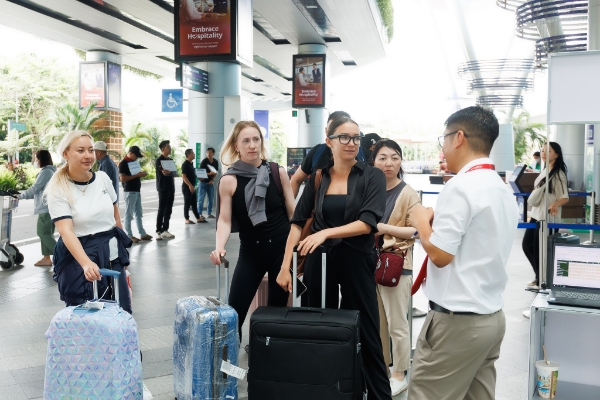
Phu Quoc's visa exemption policy applies to all international tourists
To qualify, travelers must enter Phu Quoc directly from an international destination or through international transit without going through immigration procedures in mainland Vietnam. Once they leave the island or travel to other provinces in Vietnam, the exemption no longer applies. Because of this restriction, the policy is designed specifically for island-only tourism rather than nationwide travel.
Another important point is that immigration officers may still request supporting documents such as return tickets, accommodation details, or proof of onward travel. Although the process is generally simple, travelers should still prepare basic documentation to ensure a smooth entry experience.
2.2. Vietnam e-visa
The Vietnam e-visa is a flexible and widely used option for travelers who want to explore not only Phu Quoc but also other destinations across Vietnam. This visa is applied for online before arrival, and once approved, it allows entry into Vietnam through designated airports, seaports, and land border gates. It is particularly suitable for tourists planning multi-city itineraries.
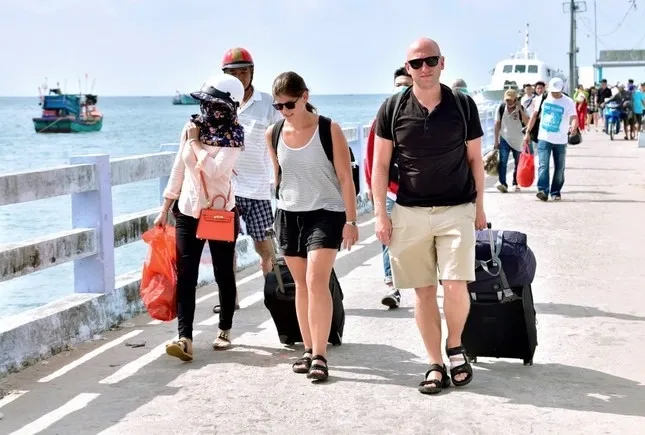
Tourists should apply for an e-visa if they wish to travel to Phu Quoc and mainland Vietnam.
For visitors combining Phu Quoc with mainland destinations such as Ho Chi Minh City, Hanoi, or Da Nang, the e-visa provides significantly more flexibility than the visa exemption. Depending on the type issued, the e-visa can allow stays of up to 90 days, making it ideal for longer vacations or more in-depth travel experiences across the country.
The application process is relatively straightforward, requiring passport information, a digital photo, and payment of the visa fee. However, travelers should apply in advance and ensure all information is accurate, as errors can lead to delays or rejection. Compared to visa exemption, the e-visa offers broader travel freedom but requires more preparation before departure.
2.3. Traditional visa through embassy or consulate
The traditional visa issued through Vietnamese embassies or consulates is another option for travelers who need more specific or long-term entry arrangements. This type of visa is often used for business trips, extended stays, or travel plans that do not fit within the standard e-visa framework.
Applicants typically need to submit documents such as a passport, application form, photos, and sometimes an invitation letter depending on the visa category. Processing times can vary depending on the embassy and the type of visa requested, so it is generally recommended to apply well in advance of the intended travel date.
Although this method is more time-consuming compared to the e-visa or visa exemption, it can provide greater flexibility in terms of duration and entry conditions. It is a suitable choice for travelers with complex itineraries or special travel purposes that require more customized visa arrangements.
3. How visa for Phu Quoc works in practice
3.1. Arrival process at Phu Quoc
When using a visa for Phu Quoc under the visa exemption policy, the arrival process is designed to be simpler than standard entry procedures into Vietnam. Upon landing at Phu Quoc International Airport or arriving via approved international sea routes, passengers are guided to immigration counters where officers verify eligibility for visa-free entry. If all requirements are satisfied, travelers are granted entry permission without needing to present a pre-approved visa.
In practice, travelers using a visa for Phu Quoc may still be asked to show essential documents such as a valid passport, return or onward flight ticket, and occasionally hotel booking details. These checks are not meant to complicate the process but to ensure compliance with immigration regulations. Once approved, visitors receive an entry stamp that allows them to stay on the island for up to 30 days, making the arrival experience relatively fast and convenient compared to other international destinations in Vietnam.
3.2. Duration of stay and limitations
Under visa for Phu Quoc, eligible travelers can stay on the island for a maximum of 30 consecutive days. This duration is strictly enforced and begins from the moment of entry, meaning travelers must carefully plan their entire itinerary in advance. Extensions are generally not permitted under the visa exemption framework, so any desire to stay longer requires applying for a different type of Vietnam visa.
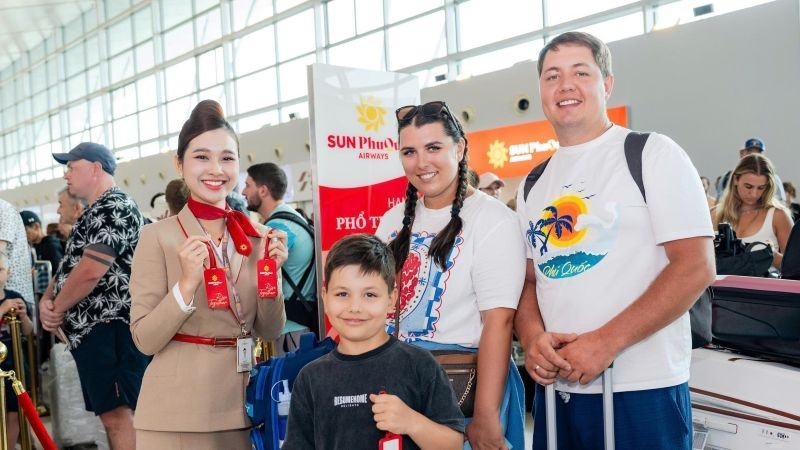
Tourists can stay for up to 30 days thanks to Phu Quoc's visa-free policy
A key limitation of visa for Phu Quoc is its geographical restriction. The policy is valid only within Phu Quoc Island and does not allow travel to mainland Vietnam. This means visitors cannot take domestic flights, trains, or road transport to other provinces while relying on this exemption. If they wish to continue their journey beyond the island, they must obtain a valid Vietnam visa beforehand.
Because immigration authorities strictly monitor compliance, overstaying or violating movement restrictions can result in penalties, fines, or difficulties with future entry into Vietnam. For this reason, travelers are advised to track their stay duration carefully and plan their departure well in advance to avoid any unexpected issues.
3.3. Travel experience under visa for Phu Quoc
Once inside the island under a visa for Phu Quoc, travelers can enjoy a wide range of experiences without further immigration procedures. The island offers a balanced mix of natural attractions, cultural highlights, and large-scale entertainment complexes, making it suitable for all types of travelers—from couples and families to solo adventurers.
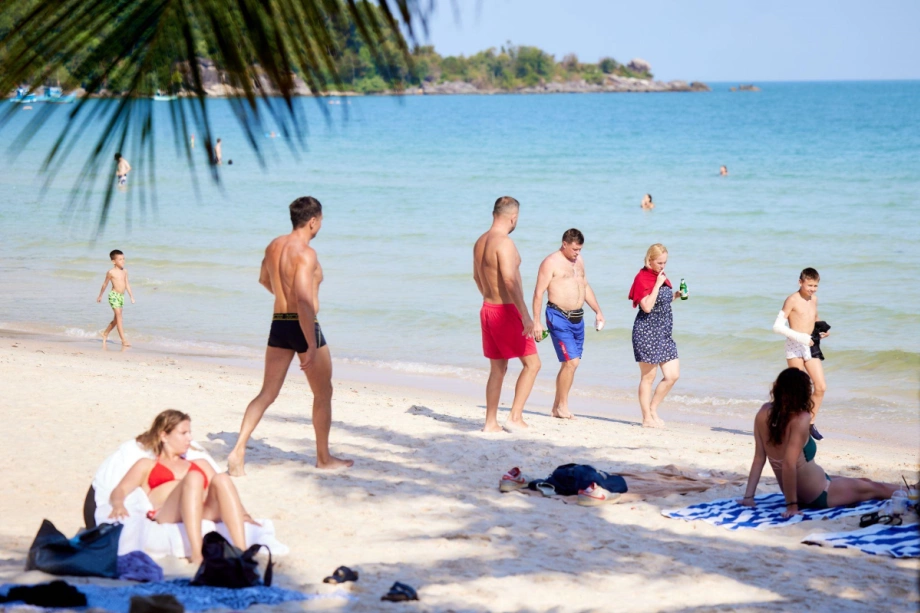
Tourists sunbathe and relax at Kem Beach
Natural highlights include Kem Beach, known for its clear turquoise water and soft white sand, and Long Beach, which is famous for its long coastline, beachfront resorts, and spectacular sunset views. Visitors can also explore Phu Quoc National Park, where dense tropical forests, hiking trails, and diverse wildlife create a peaceful escape from urban life. These natural spots are often the main reason travelers choose the island in the first place.

Spectacular fireworks displays at Sunset Town
In addition to nature, modern attractions significantly enhance the travel experience under visa for Phu Quoc. The Hon Thom cable car offers panoramic views over the sea and nearby islands, leading to Sun World Hon Thom, which features water activities, beach zones, and entertainment facilities. Meanwhile, Sunset Town has become one of the island’s most iconic destinations, with its Mediterranean-style architecture, oceanfront promenades, live performances, and nightly shows. Combined with bustling night markets, fresh seafood dining, and beach clubs, these experiences make the island feel dynamic both day and night, offering a complete holiday package within a visa-free stay.
4. Important things to know before applying for visa for Phu Quoc
4.1. Understanding travel restrictions clearly
One of the most important aspects of Phu Quoc’s free visa is understanding its strict travel limitation. The policy only applies within the boundaries of Phu Quoc Island, which means travelers are allowed to move freely around the island but are not permitted to travel to mainland Vietnam. This restriction applies regardless of the purpose of travel, including tourism, visiting friends, or onward connections.
In practical terms, this means you cannot use Phu Quoc’s free visa to take domestic flights or overland transport to cities such as Ho Chi Minh City, Hanoi, or Da Nang. If you plan to explore multiple destinations in Vietnam, you must apply for a valid Vietnam visa in advance. Ignoring this rule can lead to immigration issues, denied boarding, or complications when exiting the country.
4.2. Staying within the allowed duration
Another key point of the visa for Phu Quoc is the 30-day maximum stay limit. This period is strictly enforced by immigration authorities and begins from the date of arrival. Travelers are fully responsible for ensuring they leave the island before their permitted stay expires.

Tourists should be aware of the visa-free stay period stipulated in Phu Quoc's visa-free policy
Overstaying, even by a short period, can result in penalties, fines, or potential restrictions on future entry into Vietnam. Because of this, it is strongly recommended to plan return flights carefully and avoid last-minute schedule changes. Many travelers also set personal reminders or book fixed return tickets in advance to ensure compliance with the allowed timeframe.
4.3. Practical preparation tips for travelers
To ensure a smooth experience when using a visa for Phu Quoc, travelers should prepare essential documents before departure. A valid passport with at least six months of remaining validity is required, along with proof of onward or return travel. Although not always mandatory, hotel bookings and travel insurance can help speed up immigration checks and reduce the chance of additional questioning.
Airlines may also require passengers to show proof of eligibility for a visa for Phu Quoc before boarding, especially on international routes. Therefore, it is important to check airline requirements in advance to avoid issues at departure. Travelers should also stay updated on the latest immigration regulations, as policies can change depending on government updates or international agreements. By preparing properly and understanding the rules in advance, visitors can fully enjoy a hassle-free trip to Phu Quoc Island while avoiding unnecessary travel disruptions.
Visa for Phu Quoc offers a convenient and flexible way for international tourists to access one of Vietnam’s most attractive island destinations. With options ranging from visa exemption to e-visa and traditional visa applications, travelers can choose the most suitable entry method based on their itinerary and travel needs. However, each option comes with specific conditions that must be followed carefully.
In particular, the visa exemption policy for Phu Quoc Island is highly convenient but strictly limited to the island and a 30-day stay period. By understanding these rules in advance and preparing properly, visitors can enjoy a smooth arrival process, flexible travel experiences, and a memorable island holiday without unnecessary immigration issues.


