




1. Overview of Phu Quoc visa exemption
The Phu Quoc visa exemption policy is a special entry regulation issued by the Vietnamese government that allows foreign travelers to enter and stay on Phu Quoc Island without obtaining a Vietnam visa for a limited period. Under this scheme, eligible international visitors can enjoy a visa-free stay of up to 30 days, provided that they meet all entry requirements set by immigration authorities.
This policy applies exclusively to Phu Quoc Island, located in An Giang Province, and does not extend to mainland Vietnam. In other words, travelers can enter Phu Quoc directly via international flights or sea routes and benefit from visa exemption. However, if they plan to travel beyond Phu Quoc to other cities or provinces in Vietnam, a valid visa will be required in accordance with standard immigration regulations.
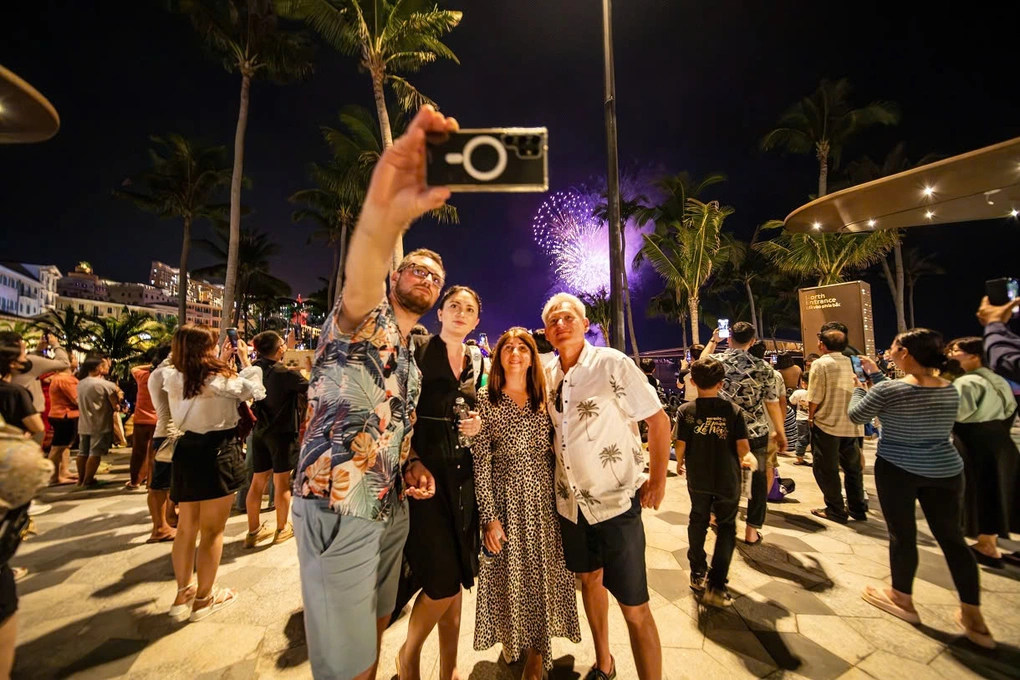
International tourists can benefit from visa exemption policies when traveling to Phu Quoc
To qualify for the visa exemption, visitors must ensure that their passport is valid for the required duration and that their travel itinerary complies with the rules for direct entry into Phu Quoc. In some transit scenarios, such as connecting flights through Vietnam without leaving the international transit area, travelers may still be eligible for visa-free entry into Phu Quoc upon arrival.
Overall, the Phu Quoc visa exemption is considered one of the most convenient entry policies in Southeast Asia, making the island an increasingly attractive destination for short-term international travelers seeking a hassle-free tropical getaway without the need for a traditional visa application process.
2. Eligibility and key conditions for Phu Quoc visa exemption
2.1. Entry route requirement
To qualify for the Phu Quoc visa exemption, travelers must strictly follow approved international entry routes. The most common option is a direct international flight landing at Phu Quoc International Airport, which allows passengers to enter the island without passing through immigration procedures in mainland Vietnam. Alternatively, travelers may arrive by sea on approved international cruise or ferry routes, as long as the entry point is officially recognized under the exemption policy.
This requirement is important because the visa-free mechanism only applies when Phu Quoc is treated as the first point of entry into Vietnam. If a traveler lands in another Vietnamese city first—such as Ho Chi Minh City or Hanoi—and then continues to Phu Quoc domestically, the exemption no longer applies. In that case, a valid Vietnam visa must be obtained before or upon arrival in the country.
2.2. Passport validity and travel documents
A valid passport is one of the most essential conditions for enjoying visa-free entry to Phu Quoc. Travelers must ensure their passport has at least six months of validity remaining from the date of arrival. Immigration authorities may refuse entry if the passport is close to expiration, even if all other conditions are met.
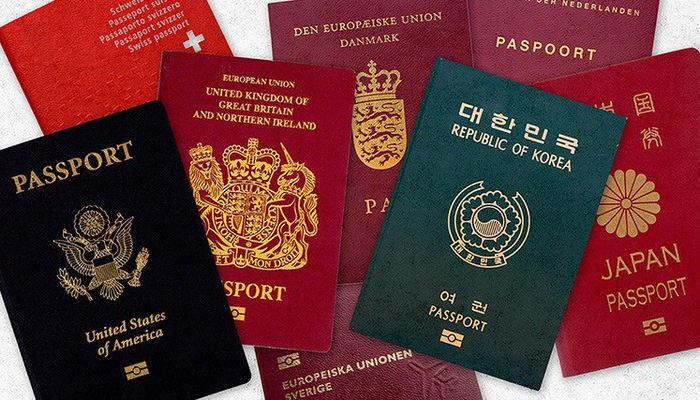
Travelers should carefully check the expiration date of their passports before their flight
In addition, visitors are often required to present proof of onward or return travel within the permitted 30-day stay period. This can be in the form of a confirmed return flight ticket or a booking to a third country. Airlines may also request supporting documents such as hotel reservations in Phu Quoc to confirm travel plans and ensure compliance with immigration requirements.
2.3. Compliance with immigration rules
All travelers entering under the visa exemption must comply fully with Vietnamese immigration and security regulations. This includes not being listed on any entry restriction or blacklist maintained by Vietnamese authorities. Any prior violations of immigration law may result in denial of entry, even if the traveler meets basic eligibility conditions.
Upon arrival, passengers may be subject to standard immigration checks, including document verification and security screening. In some cases, officers may request additional information such as accommodation details or a basic itinerary to confirm that the stay is limited to tourism purposes. Cooperation with these procedures helps ensure a smooth entry process.
2.4. Stay limitation within Phu Quoc
The Phu Quoc visa exemption is strictly limited to the territory of Phu Quoc Island, meaning travelers are not allowed to travel beyond the island during their visa-free stay. This restriction is a key condition that distinguishes the policy from a standard Vietnam visa, which allows nationwide movement.
If visitors wish to travel to other destinations in Vietnam, such as Ho Chi Minh City or Hanoi, they must obtain an appropriate visa in advance or apply for a visa during their trip. Failure to comply with this rule may result in immigration penalties or complications when exiting the country.
3. How the Phu Quoc visa exemption works in practice
3.1. Arrival and immigration procedure
When arriving in Phu Quoc under the visa exemption policy, international travelers go through a simplified immigration process compared to standard entry into Vietnam. Upon landing at Phu Quoc International Airport or arriving via an approved international sea route, passengers are directed to immigration counters where officers verify eligibility for visa-free entry. If all conditions are met, entry is granted without the need for a pre-arranged visa.
During this process, travelers are typically required to present a valid passport, return or onward ticket, and any supporting travel documents if requested. Once approved, they receive an entry stamp allowing them to stay on the island for up to 30 days. This streamlined procedure is designed to reduce waiting time and make entry into Phu Quoc more convenient for short-term visitors.
3.2. Permitted length of stay and extension rules
Under the visa exemption scheme, visitors are allowed to stay in Phu Quoc for a maximum of 30 consecutive days. This duration is strictly enforced and begins from the date of entry. Travelers should carefully plan their itinerary to ensure they depart the island before the permitted period expires.
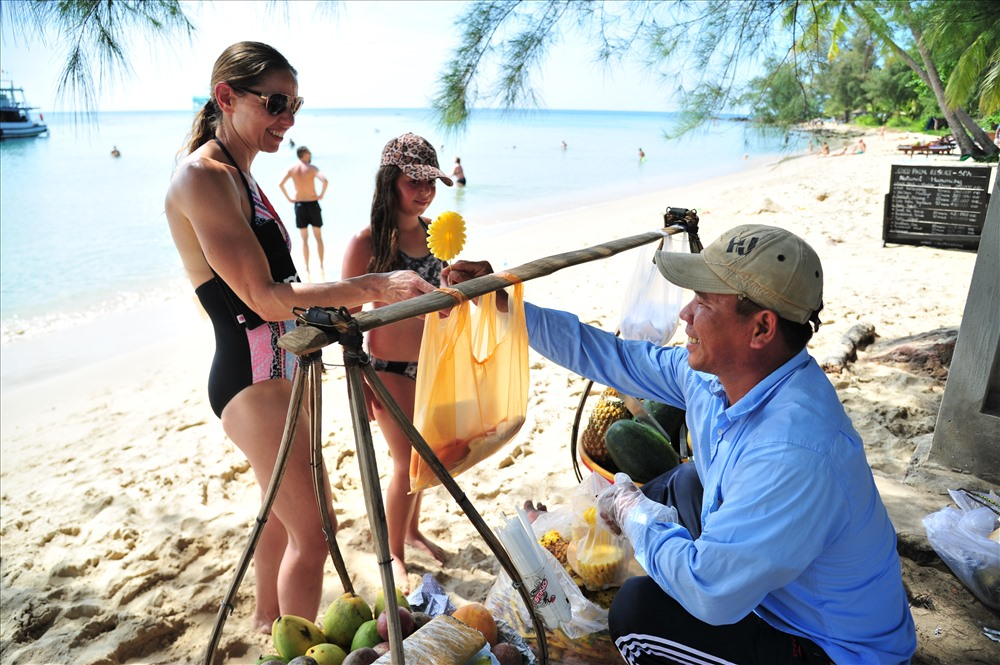
Tourists can stay for up to 30 days thanks to Phu Quoc's visa-free policy
Extensions are generally not granted under the visa exemption policy. If a traveler wishes to stay longer, they must apply for a valid Vietnam visa through the appropriate immigration channels. Overstaying the permitted duration may result in penalties, fines, or future entry restrictions, so it is important to comply with the regulated timeframe.
3.3. Travel experience within Phu Quoc
Once admitted under the visa exemption, travelers are free to explore the island of Phu Quoc Island and enjoy a diverse mix of natural landscapes, entertainment complexes, and cultural experiences. For beach lovers, Kem Beach stands out with its soft white sand and calm turquoise waters, while Long Beach offers a long coastline ideal for sunset views, beach clubs, and seaside dining. Nature enthusiasts can explore Phu Quoc National Park, where forest trails, wildlife, and untouched scenery create a refreshing escape from urban life.

Tourists vacationing at Kem Beach
Beyond natural attractions, Phu Quoc also features world-class entertainment and themed destinations. One of the most iconic experiences is the Hon Thom cable car, which connects the main island to Hon Thom Island and offers panoramic views of the sea and surrounding archipelago. At the end of the journey, visitors can enjoy Sun World Hon Thom, a large entertainment complex with water parks, beach activities, and leisure facilities designed for both families and adventure seekers. These attractions make the southern part of the island one of the most dynamic tourism zones.
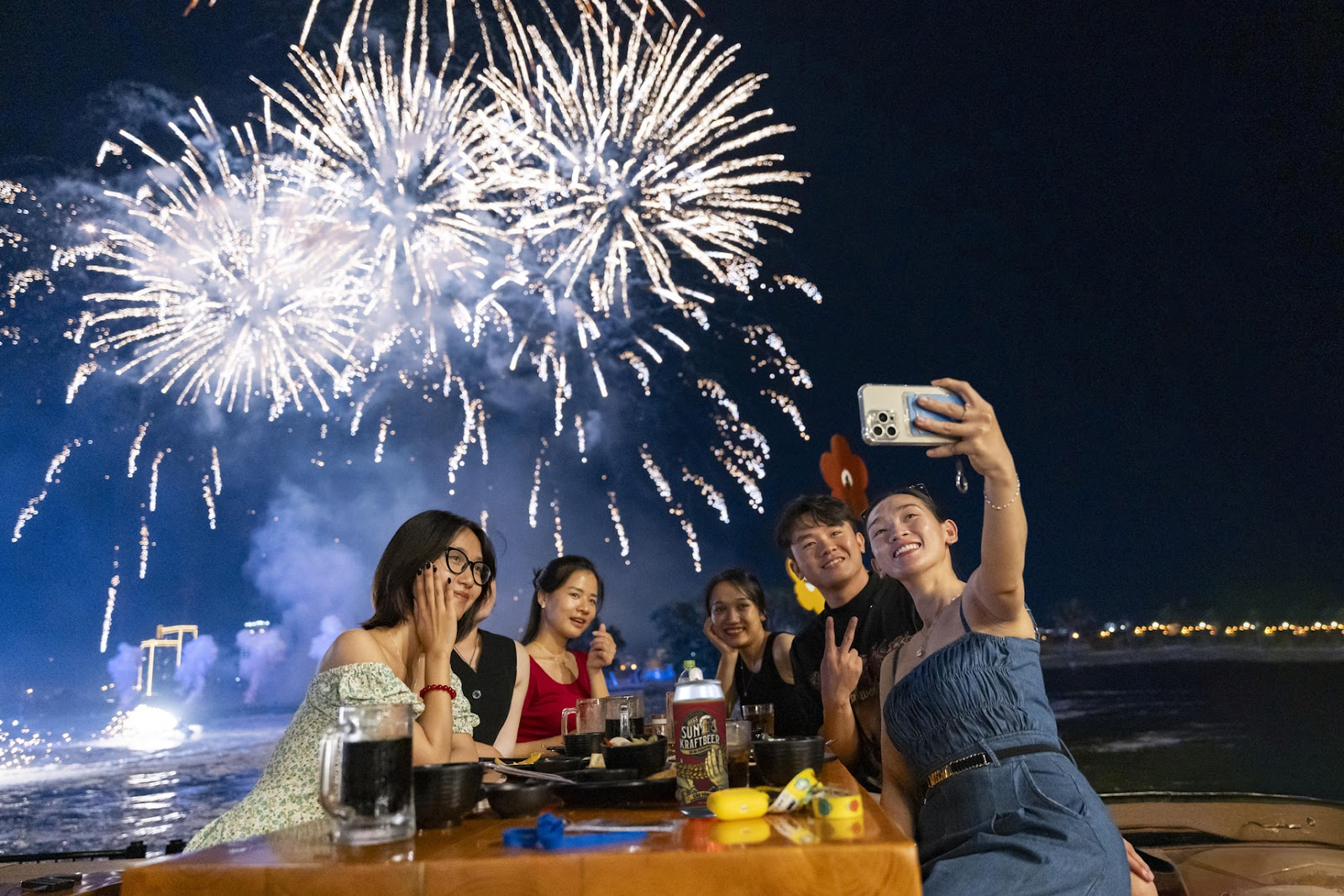
Tourists enjoy admiring the spectacular fireworks displays at Sunset Town
In the evening, travelers can experience the vibrant atmosphere of Sunset Town, a Mediterranean-inspired coastal hub located in the south of Phu Quoc. This area is famous for its colorful architecture, oceanfront promenade, and daily performances such as the “Kiss of the Sea” show and fireworks displays. Sunset Town is also a popular spot for dining, shopping, and watching the sunset over the sea, creating a romantic and visually striking experience. Together with night markets and local seafood restaurants, it adds a lively nightlife dimension to the island’s tourism offering.
4. Important notes for travelers using the Phu Quoc visa exemption
4.1. Travel scope and restriction awareness
One of the most critical aspects of the Phu Quoc visa exemption policy is its strict geographical limitation. The exemption only applies within the territory of Phu Quoc Island, meaning travelers are allowed to freely move around the island but cannot legally travel to mainland Vietnam under this visa-free scheme. This restriction is a key condition that differentiates it from a standard Vietnam tourist visa, which normally allows movement across the entire country.
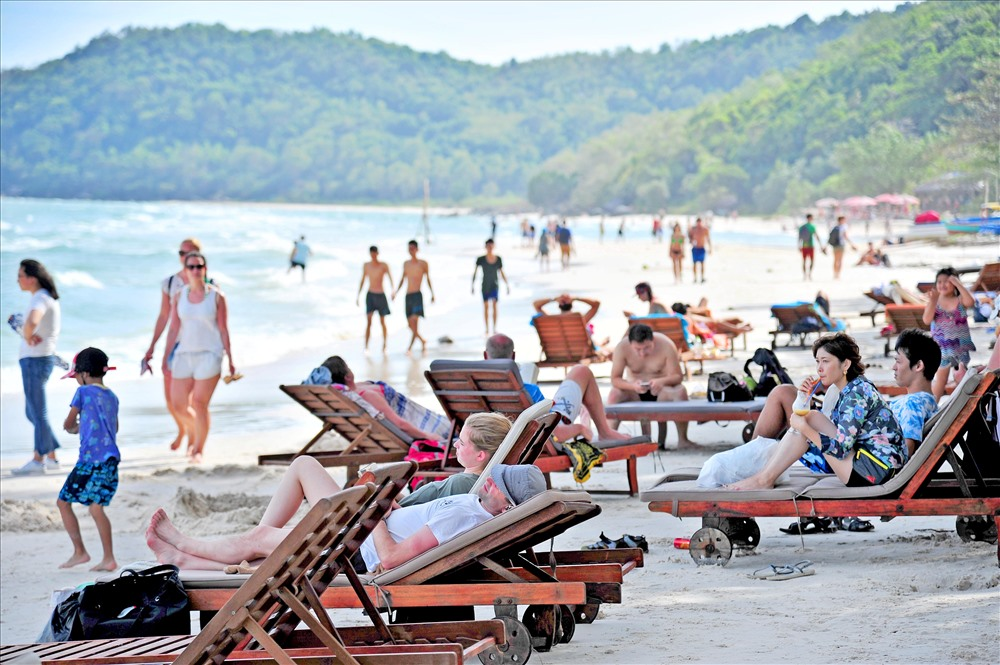
Tourists can only travel within Phu Quoc with the Phu Quoc visa policy
In practical terms, this means visitors can explore beaches, resorts, entertainment complexes, and cultural sites within Phu Quoc, but cannot take domestic flights, trains, or road transport to cities such as Ho Chi Minh City or Hanoi. If a traveler decides to extend their journey beyond the island, they must apply for an appropriate Vietnam visa in advance. Failure to comply with this rule may result in immigration complications when exiting or re-entering the country, and in some cases, could affect future entry eligibility.
4.2. Stay duration compliance
The visa exemption permits a maximum stay of 30 days, and this duration is strictly controlled by immigration authorities. The countdown begins immediately upon arrival in Phu Quoc, and travelers are fully responsible for ensuring they depart before the deadline. Even a short overstay can result in fines, administrative penalties, or warnings recorded in the immigration system.
Because of this, it is strongly recommended that visitors carefully plan their itinerary from the beginning of the trip. Booking a return or onward flight in advance is one of the safest ways to avoid overstaying. Some travelers also choose to build buffer days into their schedule in case of unexpected delays such as weather changes, flight rescheduling, or personal travel adjustments. Immigration officers may also verify departure plans during entry, so having clear travel documentation helps ensure a smooth process.
4.3. Practical travel tips
To make the most of the visa exemption experience, travelers should always prepare essential documents before arrival. A valid passport with sufficient remaining validity is mandatory, and it is advisable to carry printed or digital copies of return tickets, hotel reservations, and travel insurance. While not always requested, these documents can significantly speed up immigration checks and reduce potential misunderstandings at the border.
Airlines flying to Phu Quoc may also enforce their own boarding requirements, including proof of eligibility for visa-free entry. This means passengers could be asked to show onward travel plans even before departure from their home country or transit airport. Therefore, checking airline policies in advance is highly recommended.
In addition, travelers should stay informed about any updates to Vietnam’s immigration regulations, as policies can change depending on government decisions or international agreements. Although the Phu Quoc visa exemption is currently one of the most convenient entry options in the region, understanding the latest requirements ensures a hassle-free journey and avoids unexpected issues during travel.
The Phu Quoc visa exemption offers a highly convenient way for international tourists to experience one of Vietnam’s most beautiful island destinations without the need for a traditional visa process. With proper preparation and compliance with immigration rules, visitors can enjoy a seamless arrival, flexible travel within the island, and access to a wide range of natural, cultural, and entertainment attractions across Phu Quoc Island. However, travelers must always remember the key limitations of the policy, especially the restriction to Phu Quoc only and the strict 30-day stay duration. By planning carefully and following the regulations, visitors can fully enjoy a smooth and memorable island experience while avoiding any immigration issues.


