




1. Why trekking in Phu Quoc National Park is worth the adventure
1.1. Discover a different side of Phu Quoc
For many first time visitors, Phu Quoc is all about turquoise water, white sandy beaches and relaxing days by the sea. But beyond the coastline lies a much greener side of the island, where dense forest, quiet trails and the sounds of nature create a completely different atmosphere. Trekking in Phu Quoc National Park is a chance to step away from the familiar beach scene and spend a few hours surrounded by tropical greenery. Instead of moving from one attraction to another, travelers can slow down, follow a forest trail and discover a quieter side of Phu Quoc that is easy to miss on a typical island getaway.
1.2. Walk through Phu Quoc’s tropical forest
The experience becomes even more rewarding once the trail leads deeper into the forest. Tall trees, layers of green vegetation and the sound of flowing water create a refreshing atmosphere, while some routes bring travelers closer to streams and waterfalls. Phu Quoc National Park is home to a rich variety of plants and wildlife, making the journey feel less like a simple walk and more like an opportunity to observe the island’s natural environment up close. For travelers coming from busy cities, a few hours beneath the forest canopy can be a welcome change of pace.
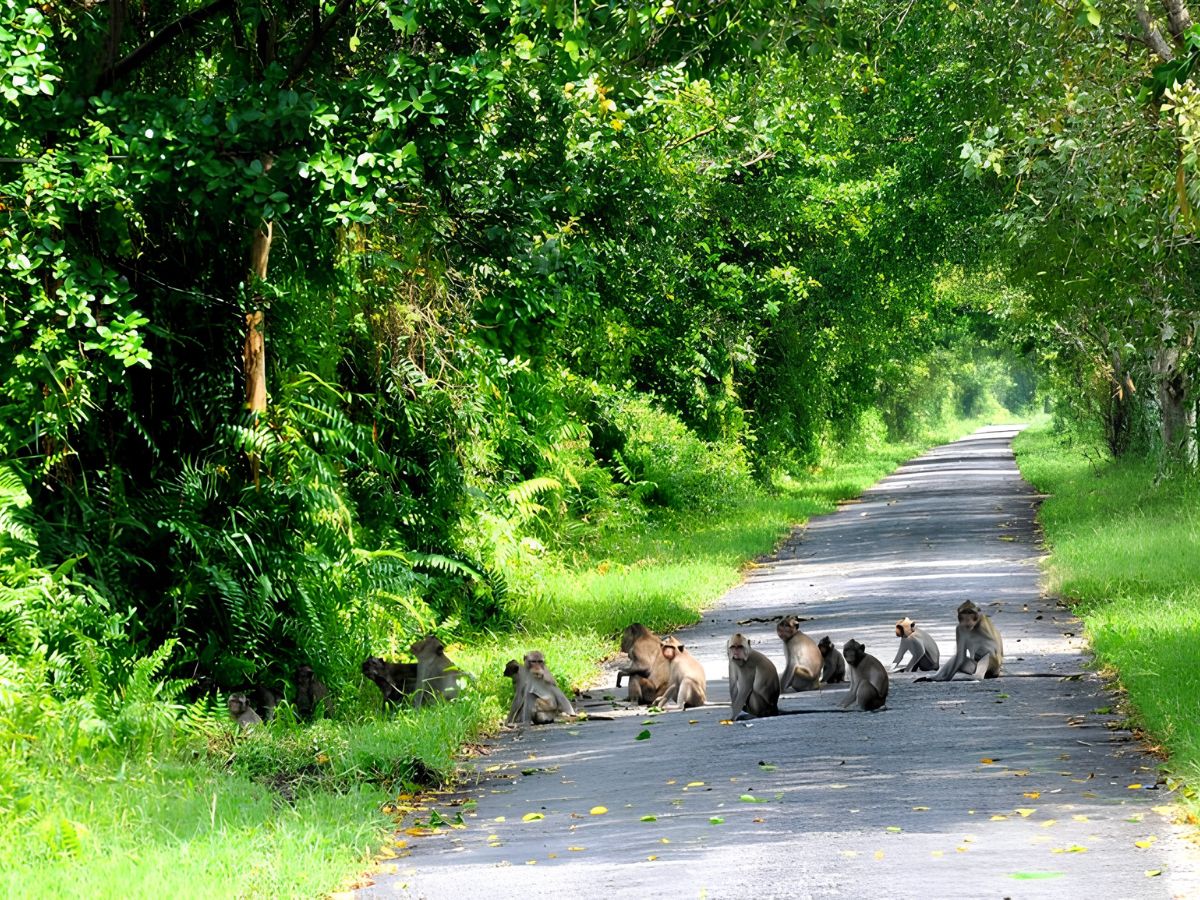
Following the forest trail offers a refreshing glimpse into Phu Quoc’s wild side, surrounded by dense greenery, streams and native wildlife. (Source: Colllected)
1.3. Is trekking in Phu Quoc suitable for first-time visitors?
For first-time visitors, trekking in Phu Quoc National Park can be as gentle or adventurous as the journey allows. Instead of imagining a demanding hike from the start, travelers can ease into the forest with a shorter trail such as Suoi Tranh, where the walk follows a greener, more relaxed setting with streams and a small waterfall. Those wanting a little more adventure can move on to Suoi Da Ngon, where rocky ground, climbing and stream crossings make every step more engaging. Further into the forest, routes around Tien Son, Nui Da Bac and Nui Chua offer steeper terrain for experienced hikers, including Nui Chua at 603 meters. The experience changes with every route, allowing travelers to discover the wild side of Phu Quoc at a pace that feels right for them.
2. How to get to Phu Quoc National Park and start your trekking
Located in the northeastern part of Phu Quoc Island, Phu Quoc National Park is where the island’s familiar beach scenery gradually gives way to dense forest, mountains and streams. Getting there feels like a transition from the lively coastal areas into a quieter, greener side of Phu Quoc. Travelers staying around Duong Dong and other tourist areas can reach the national park by taxi, private car or rental vehicle, depending on their hotel location and chosen trekking route. Since the park covers a large natural area and different trails have different access points, it is important to identify the exact starting point before leaving. Check the route and travel time in advance, save the location on your phone and, if traveling with a guide, confirm the meeting point beforehand. A little planning at this stage means less time navigating and more time enjoying the forest once the trek begins.

Travelers can reach Phu Quoc National Park by private car or taxi, enjoying a comfortable journey into the island’s lush interior. (Source: Collected)
3. Which trekking route should first-time visitors choose?
3.1. Suoi Tranh: an easy introduction to nature
For travelers taking their first steps into the world of trekking in Phu Quoc National Park, Suoi Tranh offers a gentle way to experience the island beyond its beaches. The route is relatively easy and stretches for around 1–2 km, making it suitable for beginners and families looking for a relaxed walk in nature. Instead of focusing on distance or difficult terrain, the experience is about slowing down, following the forest trail and enjoying the peaceful surroundings of the stream and small waterfall. It is a good starting point for travelers who want to add a touch of nature to their Phu Quoc itinerary without committing to a demanding hike.
3.2. Suoi Da Ngon: a more adventurous forest experience
If Suoi Tranh feels too gentle and you want your first trekking experience to have a little more excitement, Suoi Da Ngon brings a more active side of the forest. The trail features rocky terrain, with sections that require climbing and stream crossings, so every step feels more engaging than a simple forest walk. The route can vary in length depending on the starting point, allowing the experience to feel different from one journey to another. It is a natural step up for travelers who already feel comfortable walking outdoors and want to experience a more rugged side of Phu Quoc without immediately moving to the island’s more demanding mountain routes.

Travelers take on the forest trails of Suoi Da Ngon, surrounded by lush greenery and rugged terrain for a more adventurous side of Phu Quoc. (Source: Collected)
3.3. Tien Son, Nui Da Bac and Nui Chua: for experienced trekkers
For experienced trekkers, the forest opens up a more demanding side through routes around Tien Son, Nui Da Bac and Nui Chua. These trails feature steeper paths that pass through deeper layers of forest, with distances ranging from around 4–9 km depending on the route. Among them, Nui Chua reaches 603 metres and represents a greater physical challenge than the gentler trails. The reward is not simply reaching the highest point, but experiencing a wilder, more immersive journey through Phu Quoc’s forest landscape. These routes are better suited to travelers who are comfortable with longer walks, uneven terrain and a more physically demanding day outdoors.
3.4. Thay Tu Waterfall: a more remote adventure
For travelers looking beyond the usual forest trails, Thay Tu Waterfall offers a more remote and demanding adventure. The route covers around 8–9 km and combines long-distance walking with stream crossings and more complex terrain, leading toward a roughly 5-metre waterfall in the forest. The journey requires more time, preparation and confidence on uneven ground, making it quite different from the relaxed experience of Suoi Tranh. Rather than being a casual addition to a sightseeing day, this is the kind of trek to consider when the journey itself is a major part of the Phu Quoc adventure.
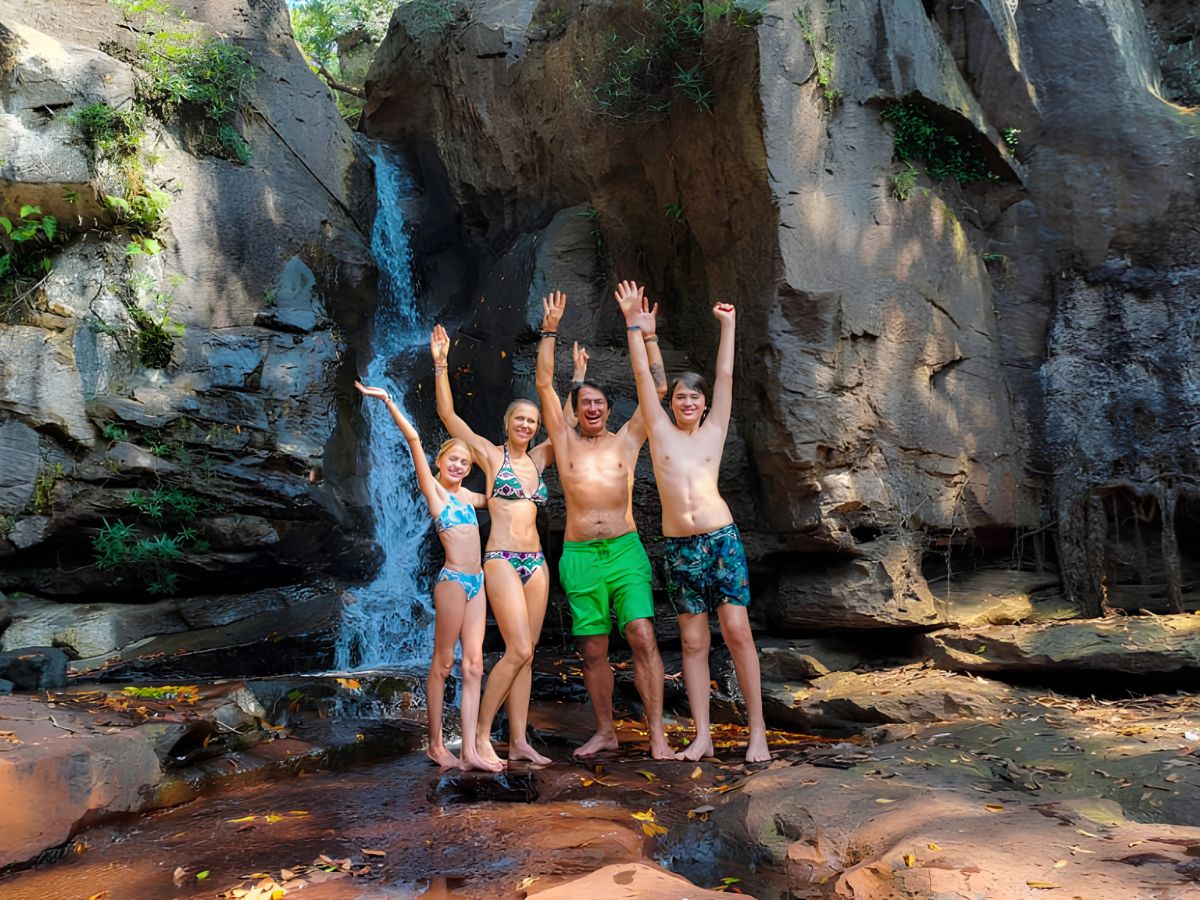
Travelers cool off at Thay Tu Waterfall, surrounded by rugged rock formations and the lush forest of Phu Quoc. (Source: Collected)
4. What will you discover along the way?
4.1 Walk beneath Phu Quoc’s tropical forest canopy
Stepping into Phu Quoc National Park feels like entering a completely different side of the island. Tall trees rise above the trail, creating a green canopy that filters the sunlight and surrounds the path with a cooler, quieter atmosphere. As you move deeper into the forest, the familiar sounds of the beach and busy tourist areas gradually disappear, replaced by rustling leaves, birdsong and the sound of water nearby. For travelers used to spending their days by the sea, walking beneath this dense tropical canopy offers a refreshing change of scenery and a slower way to experience Phu Quoc.
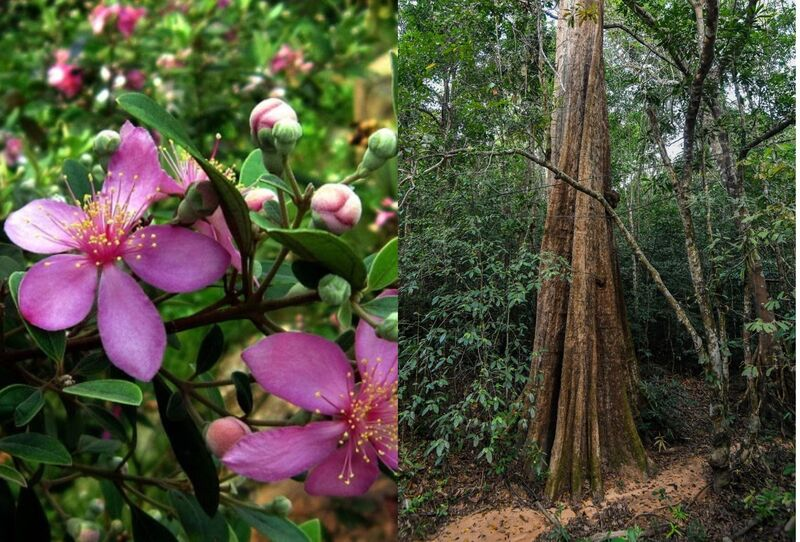
Towering trees and layers of lush greenery create a cool, peaceful canopy along the trails of Phu Quoc National Park. (Source: Collected)
4.2 Discover tropical plants and wildlife
The forest is not simply a backdrop for the trek, but a living ecosystem to discover along the way. Phu Quoc National Park is home to hundreds of plant species as well as a diverse range of wildlife, including mammals, birds and reptiles. Travelers may encounter the natural habitats of species such as long-tailed macaques, silvered langurs and hornbills. Rather than expecting a wildlife encounter at every turn, the experience lies in slowing down and paying attention to the details around the trail, from the layers of vegetation to the sounds and movements hidden among the trees.

A glimpse of the diverse wildlife found among the lush forests of Phu Quoc National Park. (Source: Collected)
4.3 Follow streams, waterfalls and natural landscapes
Water adds another layer of beauty to a trek through Phu Quoc’s forest. Depending on the route and season, travelers can follow streams, cross rocky sections and reach small waterfalls tucked among the trees. During the rainy season, the streams and waterfalls can become fuller, bringing more movement and energy to the surrounding landscape. These moments naturally invite travelers to slow down, listen to the water and take in the scenery instead of simply focusing on reaching the end of the trail.
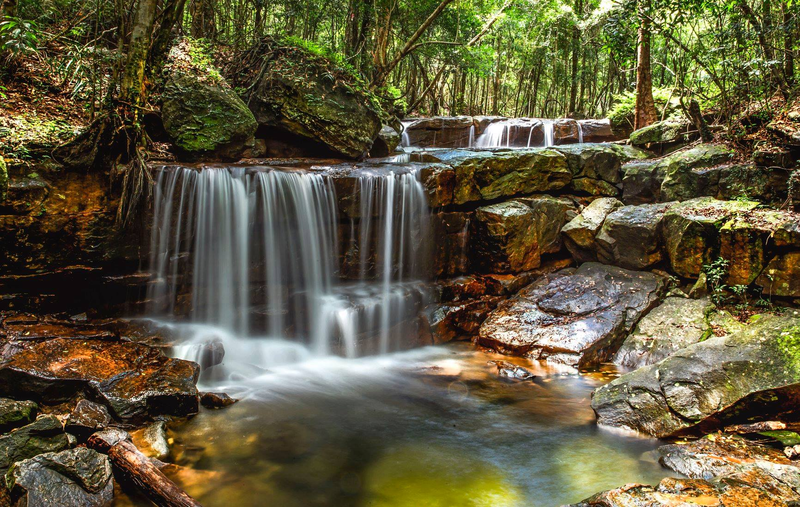
A beautiful check in spot at Suoi Tranh Waterfall, surrounded by the lush forests of Phu Quoc. (Source: Collected)
4.4 Find a quieter side of Phu Quoc away from the crowds
One of the most memorable parts of trekking is the change in atmosphere. Phu Quoc may be known for beaches, resorts and lively tourist areas, but inside the national park, the experience becomes much quieter and more connected to nature. There is no need to rush from one attraction to another. Instead, the journey unfolds through forest paths, natural sounds and changing scenery, giving travelers time to appreciate the island beyond its postcard beaches. For those looking to experience a more peaceful side of Phu Quoc, the forest offers a welcome escape from the busier parts of the island.
5. Essential trekking tips for first-time visitors
5.1. Choose a trail that matches your fitness level
A good first trekking experience is not about choosing the hardest trail, but finding one that feels challenging without becoming overwhelming. Before setting out, consider how comfortable you are with long walks, uneven ground, steep sections or stream crossings. A shorter and gentler route can be enough for travelers who are new to hiking, while those with previous trekking experience may feel comfortable taking on longer or more demanding trails. Choosing realistically also leaves more energy to enjoy the forest, take photographs and appreciate the changing scenery along the way.
5.2. Trekking with a group or local guide
Phu Quoc’s forest has areas that remain relatively wild, with trails that can become more complex as you venture deeper into the park. For first-time visitors who are unfamiliar with the island, trekking with a group or a knowledgeable local guide can make the journey more reassuring and easier to navigate. A guide can also help travelers follow the appropriate route and respond to changing terrain along the way. If you are planning a longer trek, it is also wise to share your itinerary with your hotel or family before entering the forest.
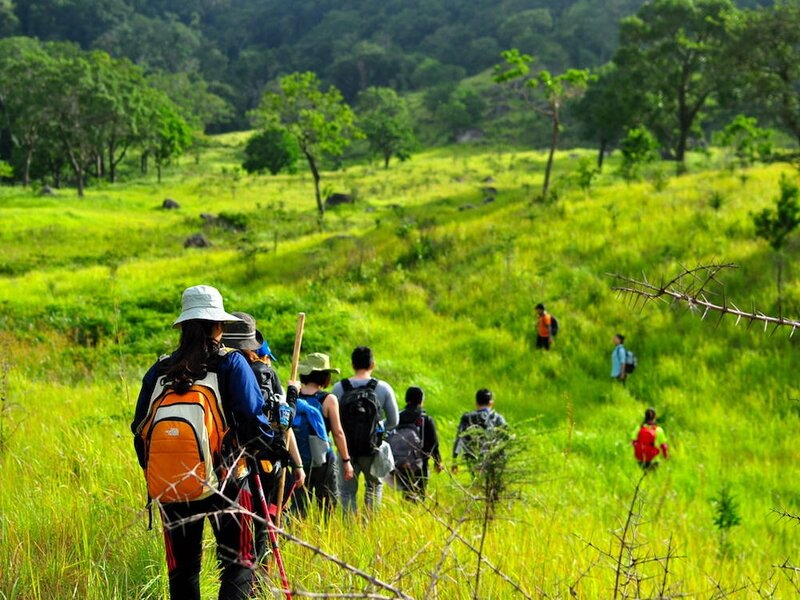
Travelers trek together through the lush landscapes of Phu Quoc, enjoying a shared adventure with the support of a local guide. (Source: Collected)
5.3. Respect the forest and local rules
Trekking is not only about exploring the forest, but also about leaving it as undisturbed as possible. Travelers should follow local guidance, stay on the appropriate trail and avoid disturbing wildlife or damaging plants along the way. Do not leave rubbish behind, pick flowers or branches, or approach wild animals. Simple habits such as carrying your waste out of the forest and following ranger or guide instructions help protect the natural environment that makes the trekking experience special in the first place.
6. Turn your trekking into a full Phu Quoc adventure
A few days in Phu Quoc can be much more memorable when each day reveals a different side of the island. Start slowly with the beach, local food and time to settle into the tropical rhythm. Then make trekking in Phu Quoc National Park the highlight of the next morning, trading the sound of the waves for birdsong, shaded forest trails and cool streams. After the trek, the adventure can continue in the south of the island with a ride on the sea-crossing cable car to Sun World Hon Thom. From above, the deep blue sea, small islands and coastline unfold beneath the cabin, before a day of fun and exploration on Hon Thom adds a completely different energy to the trip.
👉 BOOK YOUR HON THOM CABLE CAR NOW!

Travelers enjoy a scenic ride on the Hon Thom Cable Car, with turquoise waters and lush islands stretching out below. (Source: Collected)
As evening arrives, continue to Sunset Town for one of Phu Quoc’s most memorable nights. Travelers can watch Kiss of the Sea, a spectacular multimedia show that brings together music, water, lights and large-scale visual effects against the sea, or enjoy the vibrant energy of Symphony of the Sea, where music, performance and colorful effects create a lively evening atmosphere. After the show, take a leisurely walk through VUI-Fest Bazaar, browsing local flavors and enjoying the lively streets as the town lights up. Keep the final day slower, with time for the beach, local food or another island experience before finding a scenic spot for sunset. Over 3–4 days, this rhythm brings together the quiet forest, the sea views from the cable car, the excitement of Sun World Hon Thom and the colorful nights of Sunset Town, giving first-time visitors a fuller taste of Phu Quoc beyond its beaches.

Symphony of the Sea brings the night to life with high speed jetski performances, dazzling lights and spectacular water action on the sea. (Source: Collected)
For travelers looking to experience a quieter and more adventurous side of the island, Trekking in Phu Quoc National Park is a journey worth adding to the itinerary. From shaded forest trails and refreshing streams to the chance to see Phu Quoc beyond its famous beaches, the experience offers a different way to connect with the island’s natural beauty. Choose a route that suits your pace, prepare well and leave room to simply enjoy the journey. When you are ready to discover a greener, wilder side of the island, start planning your Trekking in Phu Quoc National Park adventure and make it one of the memorable moments of your Phu Quoc trip.


