


1. A Vietnam visa: an important travel preparation step for Indian travellers
1.1. An e-visa is a convenient option for travelling to Da Nang
For Indian citizens travelling on ordinary passports, a visa is a document that must be arranged before visiting Vietnam. A Vietnam e-visa is a convenient option for eligible foreign nationals, allowing them to complete the application process online before departure. According to the official information provided in the source material, an e-visa can be valid for up to 90 days and may permit either single or multiple entries, depending on the type issued.
Indian travellers should carefully check the validity period, number of permitted entries and designated entry port stated on their e-visa before booking flights and accommodation in Da Nang. For multigenerational families, reviewing each member’s documents separately helps ensure better preparation before departure.
1.2. Visa documents must be prepared accurately before departure
Before applying for an e-visa, Indian travellers should prepare their passports, portrait photographs, images of their passport biodata pages and other personal information required under the current application guidelines. Full names, dates of birth, nationality and passport numbers must be entered accurately and match the original documents. Travellers should also determine their intended entry date, accommodation details and expected entry port into Vietnam in advance.
After submitting the application, travellers should keep their application reference number to track its status and carefully review all the details on the issued e-visa. Families and large groups should check every application before the departure date to minimise errors that could affect flight arrangements and their Da Nang itinerary.
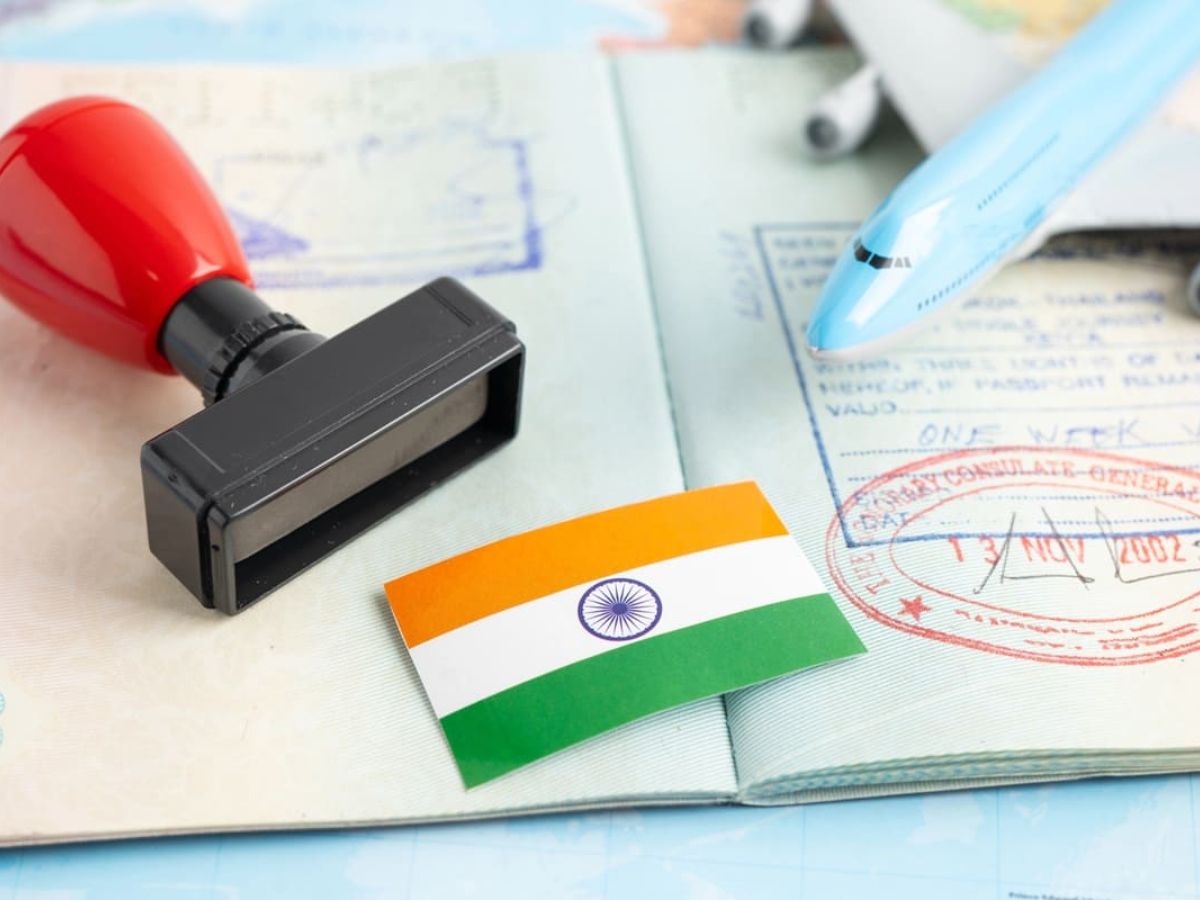
Indian travellers should prepare all the necessary documents before applying for an e-visa. (Source: Collected)
2. How Indian travellers can apply for a Vietnam visa
2.1. Prepare the required information before applying for an e-visa
Before applying for an e-visa, Indian travellers should organise the information for each member separately to make the application process more straightforward. First, check that each passport meets the validity requirements under the current entry regulations. Then, prepare a portrait photograph and an image of the passport biodata page in the format required by the application system. Details such as full name, date of birth, nationality, passport number, date of issue and expiry date should be checked directly against the passport.
Travellers should also confirm the purpose of their visit, intended entry date, accommodation details and port of entry. If flying directly to Da Nang, check the details for Da Nang International Airport. If entering Vietnam through Hanoi or Ho Chi Minh City before taking a connecting flight, make sure the first port of entry is correctly identified. Multigenerational families and large groups should prepare a separate checklist for each traveller before completing the applications.
2.2. Submit the application and track the visa status
Once all the necessary information is ready, Indian travellers can apply for an e-visa through the official portal published by Vietnam’s immigration authorities. Applicants should enter their details exactly as they appear in their passports, upload photographs in the required format, select their intended entry dates, number of entries and appropriate port of entry, and review the entire application before submission.
Travellers should then pay the applicable visa fee at the prevailing rate and retain the application reference number to check the result. First-time visitors to Vietnam may also wish to keep their hotel details, contact addresses and Da Nang itinerary readily accessible in case these need to be verified.
2.3. Verify the visa before finalising your Da Nang travel arrangements
After receiving their e-visas, Indian travellers should verify all the details before finalising flights, hotel bookings and non-refundable services in Da Nang. First, compare the full name, passport number, date of birth and nationality on the visa with the corresponding passport. Next, check the visa’s effective date, expiry date, permitted number of entries and authorised port of entry to ensure they match the travel plans.
If travelling internationally and entering Vietnam directly through Da Nang International Airport, ensure the visa details are consistent with the itinerary. If entering through Hanoi or Ho Chi Minh City before continuing to Da Nang, check that the first port of entry is correctly stated.

Indian travellers should verify their visa details before finalising flight bookings. (Source: Collected)
3. Noteworthy Da Nang experiences for Indian travellers
3.1. Explore Sun World Ba Na Hills and take photos at the Golden Bridge
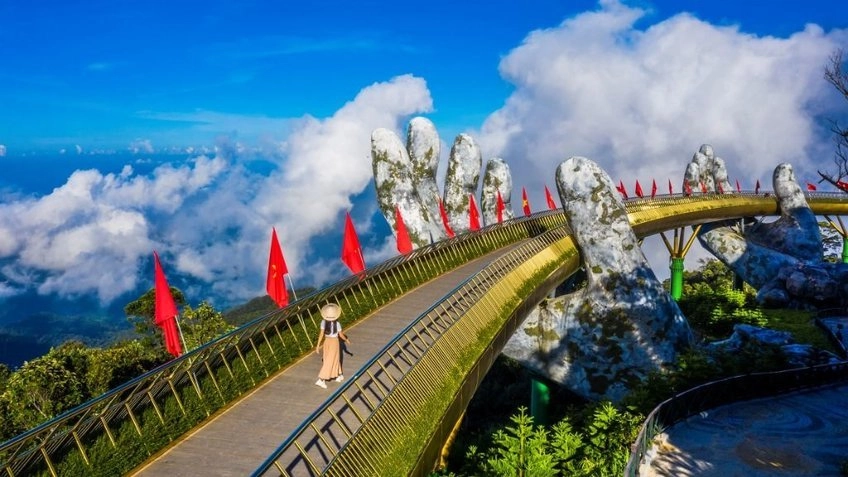
Sun World Ba Na Hills is a highlight of any Da Nang itinerary, particularly for Indian families and groups of friends looking to combine sightseeing, entertainment and photography in a single day. Travellers can choose the Wow Bus service to reach Ba Na Hills more conveniently from the city centre. The journey continues by cable car, offering views of lush forests and mist-covered mountains before arriving at the Golden Bridge, an iconic structure that appears to be supported by two giant stone hands amid the mountain landscape.
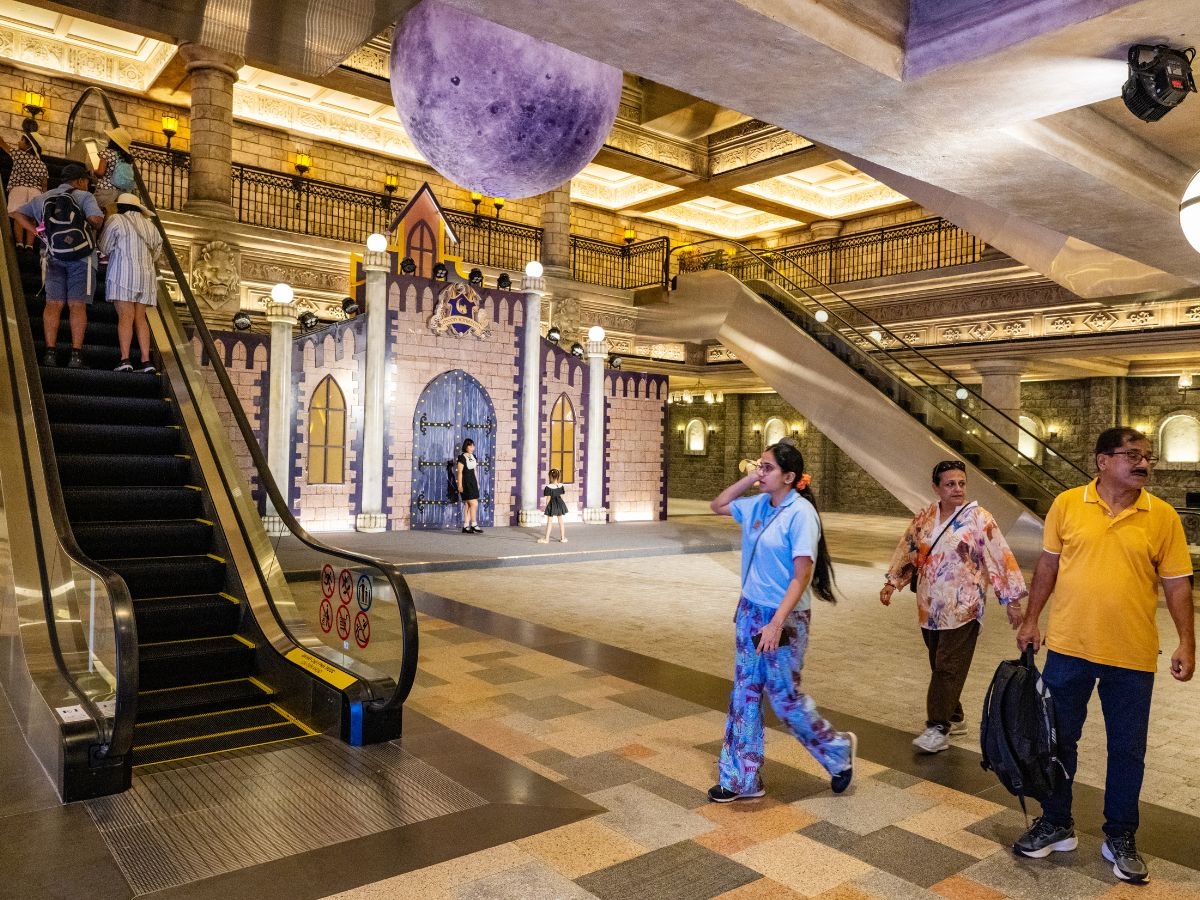
After taking photos at the Golden Bridge, visitors can stroll through the French Village, where European-inspired squares, streets and architecture create an inviting setting for walking and photography. At the Moon Castle, Indian visitors can explore themed architectural spaces and attractions inside the complex. Meanwhile, Fantasy Park offers a variety of indoor rides and activities for both children and adults.
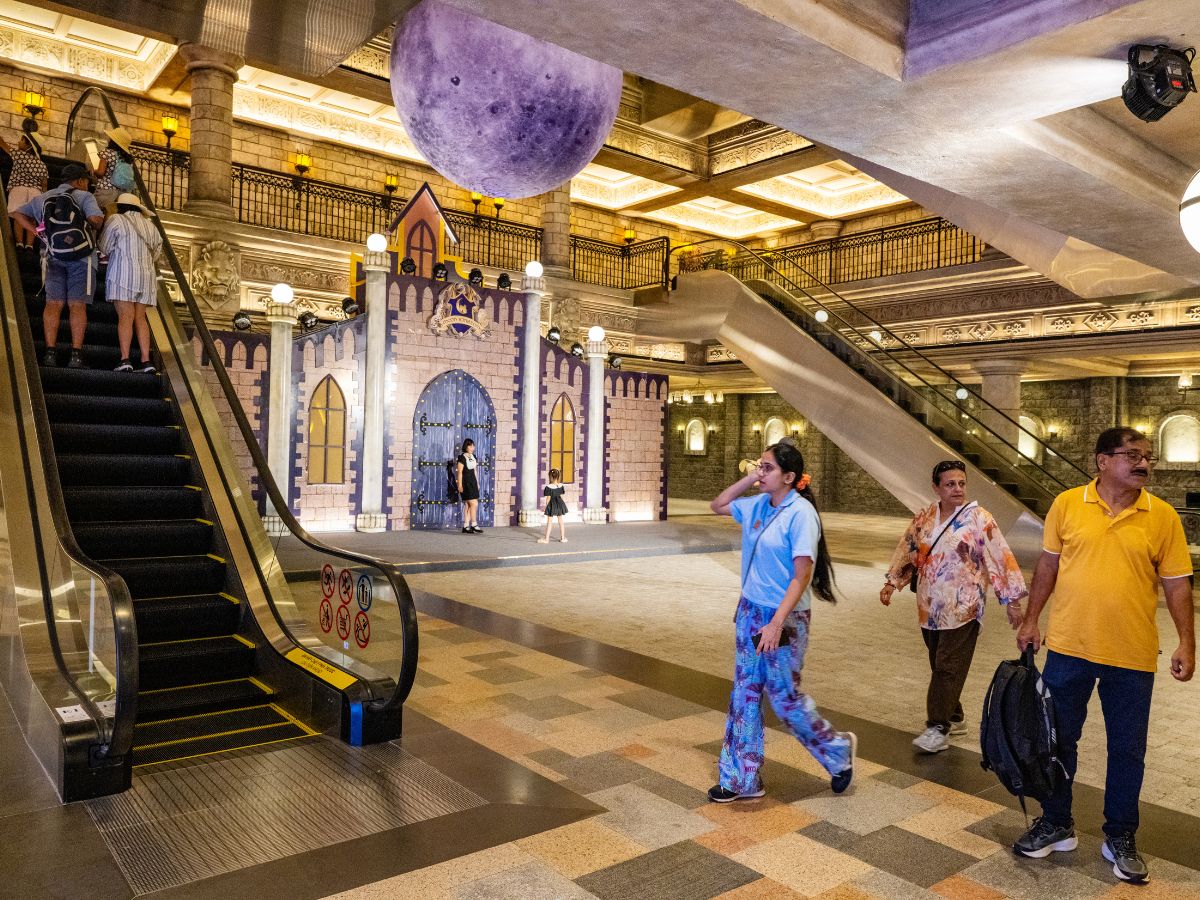
Indian visitors can explore themed architectural spaces at the Moon Castle. (Source: Collected)
3.2. Relax at My Khe Beach and enjoy a seaside getaway
My Khe Beach is an ideal choice for Indian travellers who want to include a relaxed day in their Da Nang itinerary. In the morning, visitors can walk along the shoreline, admire the scenery or enjoy time by the sea with young children. They can then return to their hotel or resort to use facilities such as swimming pools, spas and other leisure amenities.
The coastal area around Ngu Hanh Son also offers a wide range of accommodation options, making it convenient for multigenerational families who wish to minimise travel time. After a relaxing day, visitors can explore the My Khe–An Thuong area, which has numerous eateries and international dining options, including Indian cuisine and vegetarian dishes.
3.3. Discover Cham cultural heritage at the Museum of Cham Sculpture
The Museum of Cham Sculpture is a noteworthy stop for Indian travellers interested in history and culture. Stone statues, reliefs and altars depicting Shiva, Vishnu and Brahma, alongside Linga and Yoni symbols, reveal the influence of Hinduism on Cham culture.
Each artefact offers a glimpse into the long-standing cultural exchanges between India and central Vietnam, making the museum a worthwhile visit for travellers who want to explore cultural similarities in greater depth. Its location near the Han River also makes it easy to combine the visit with other attractions in the city centre.
3.4. Explore the Marble Mountains and their spiritual heritage
The Marble Mountains are ideal for Indian travellers who want to discover central Vietnam’s natural landscapes and spiritual traditions at a relaxed pace. Rocky peaks, natural caves, pathways between cliffs, pagodas and other spiritual structures come together to create a varied experience without requiring extensive travel between attractions.
Visitors can combine sightseeing, photography and scenic walks with opportunities to learn about the area’s cultural and historical significance. For Indian travellers interested in spiritual traditions, the Marble Mountains offer an accessible and engaging introduction to Vietnam’s religious heritage. Multigenerational families should choose routes suited to their group so that older travellers can explore comfortably.
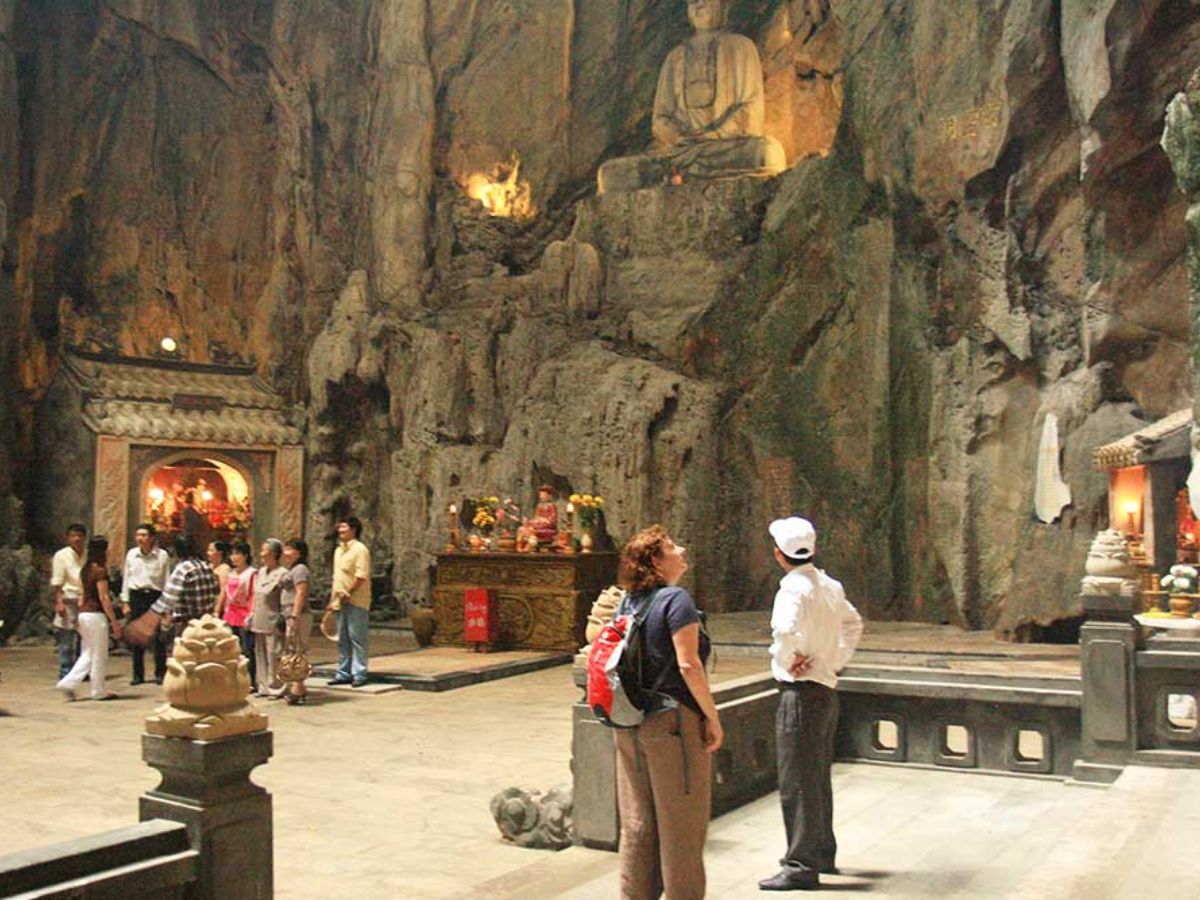
The Marble Mountains attract Indian visitors interested in natural landscapes and spiritual traditions. (Source: Collected)
3.5. Include Hoi An in a multi-destination journey through central Vietnam
Hoi An is an excellent choice for Indian travellers who want to explore beyond Da Nang while keeping their itinerary flexible. Visitors can spend an afternoon wandering through the Ancient Town, discovering traditional houses, assembly halls and buildings associated with its history as a trading port. As evening falls, the town takes on a distinctive atmosphere, with rows of colourful lanterns, the Hoai River and a relaxed pace of life.
Travellers can combine walking and shopping with local dining or family photography. For a three-to-five-day trip, using Da Nang as the main base and setting aside a full day for Hoi An allows Indian visitors to discover another renowned destination in central Vietnam without having to change hotels frequently.
3.6. Discover Son Tra Peninsula and the landmarks along the Han River
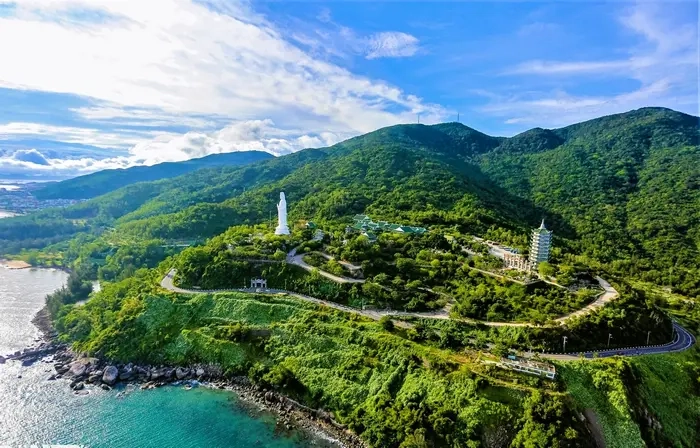
Son Tra Peninsula is a suitable destination for Indian travellers who want to experience nature and spiritual sites in the same outing. The coastal mountain roads offer expansive views of Da Nang’s coastline, while Linh Ung Pagoda is a notable stop, featuring a statue of the Goddess of Mercy facing the sea and a peaceful setting.
After exploring Son Tra, visitors can return to the city centre and spend the afternoon or evening strolling around the Han River, Love Bridge and Dragon Bridge.
As the city lights up, the riverside landmarks take on a different appearance from their daytime views, creating an appealing setting for photography and sightseeing. This itinerary suits multigenerational families and groups of friends who want to experience different sides of Da Nang, from the natural scenery of Son Tra and its spiritual spaces to the lively atmosphere of the city at night.
Arranging a visa in advance helps Indian travellers plan their Da Nang trip with greater confidence, from choosing entry dates and booking accommodation to organising their itinerary. Once the paperwork is complete, visitors can look forward to a range of experiences, from Ba Na Hills and My Khe Beach to Cham heritage, Son Tra Peninsula and Hoi An. These tips on Vietnam visas for Indian travellers can help you prepare for a smoother journey.