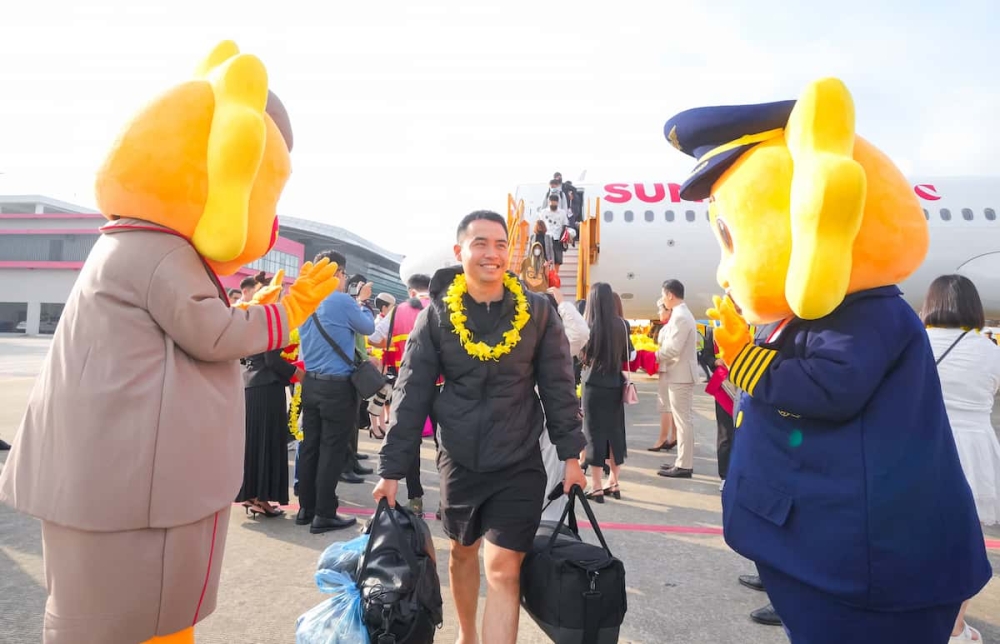



1. Why do Indian travellers choose Da Nang and Hoi An, Vietnam?
1.1. What makes Da Nang and Hoi An appealing to Indian travellers?
Many Indian travellers choose to explore Da Nang and Hoi An because the two destinations offer an attractive combination of beach holidays, cultural discovery and distinctive local experiences.
Da Nang is renowned for My Khe Beach, Sun World Ba Na Hills, the iconic Golden Bridge and modern beachfront resorts. Meanwhile, Hoi An captivates visitors with its historic Ancient Town, colourful lanterns and traditional cultural atmosphere.
The convenient travelling distance between the two destinations also makes this itinerary suitable for couples, families and groups of friends.
With a wide range of activities catering to different age groups, Da Nang and Hoi An provide an enjoyable travel experience for both younger visitors and multigenerational families.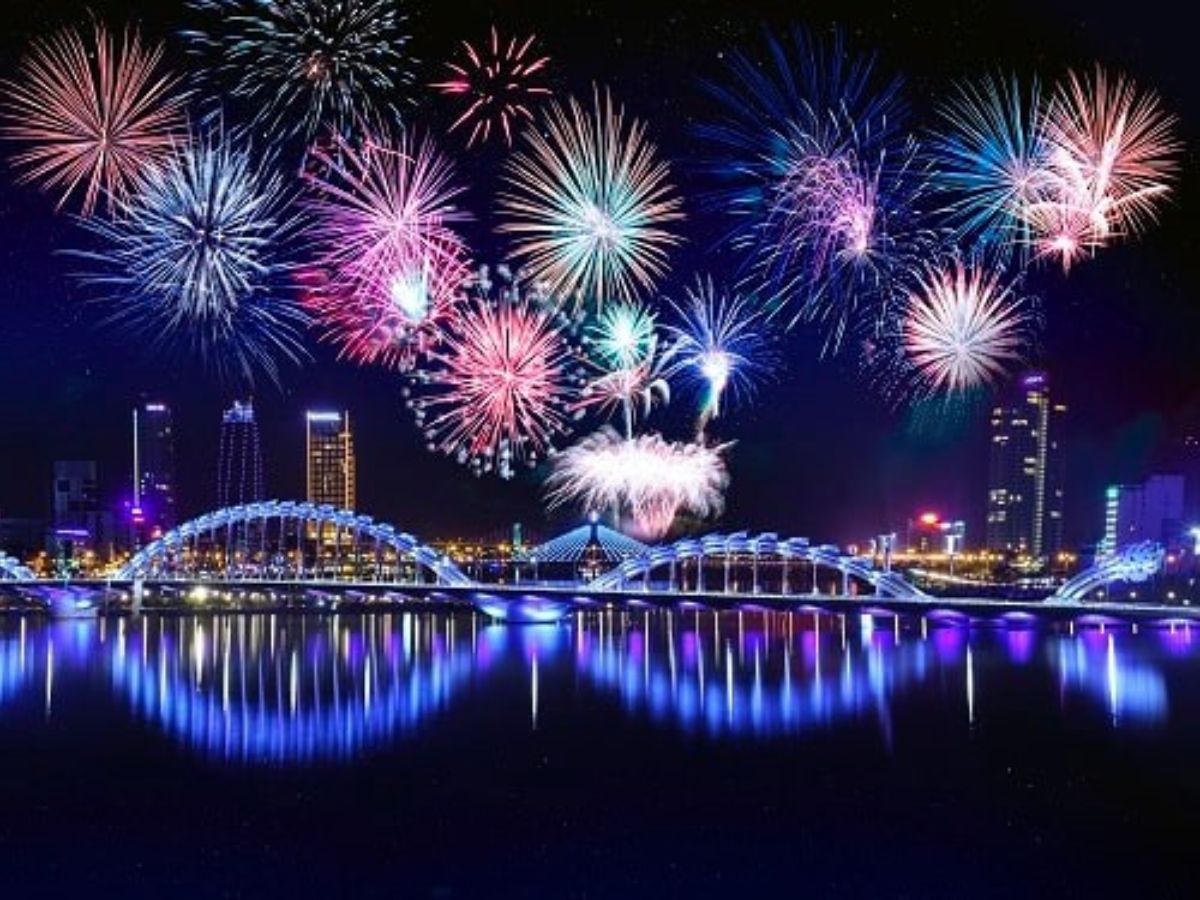
Da Nang and Hoi An attract Indian travellers with their combination of beach relaxation, entertainment and distinctive cultural experiences. (Source: Collected)
1.2. The best time to plan a trip to Da Nang and Hoi An, Vietnam
The most favourable period for exploring Da Nang and Hoi An generally extends from February to August, when sunny weather creates suitable conditions for beach holidays and outdoor sightseeing.
This is also a popular time for international visitors seeking to combine coastal relaxation with cultural experiences in Central Vietnam.
However, the period from approximately September to November is typically associated with the rainy season in Central Vietnam. Travellers should therefore monitor weather forecasts before departure and allow some flexibility in their itineraries.
During summer, Da Nang also hosts the Da Nang International Fireworks Festival (DIFF), a major event that attracts large numbers of visitors.
As a result, airfares and hotel rates may increase during the festival period and other peak travel dates.
1.3. Average travel costs for a Da Nang and Hoi An holiday
The overall cost of a trip to Da Nang and Hoi An depends on the length of stay, accommodation category and preferred travel experiences.
For budget-conscious travellers, a four- to five-day holiday may cost approximately USD 500–800 per person, including flights, accommodation, meals and local transport.
For visitors seeking a luxury holiday at premium beachfront resorts such as InterContinental Danang Sun Peninsula Resort or Hyatt Regency Danang Resort and Spa, the total budget may start from USD 1,200 or more, depending on the itinerary and room category.
These figures are indicative and may vary according to the departure city, travel season and booking arrangements.
2. Immigration procedures and transport from Da Nang International Airport
2.1. What Indian travellers should prepare before visiting Vietnam
Before embarking on a trip to Da Nang and Hoi An, Indian travellers should arrange their Vietnam e-visa, ensure their passports are valid and keep hotel booking confirmations or return flight tickets readily accessible.
Many international visitors also choose to purchase an eSIM or international SIM card before departure to ensure internet access immediately upon arrival in Vietnam.
It is advisable to exchange a small amount of money into Vietnamese dong to cover initial expenses during the first few days.
Applications such as Grab, Google Maps and Google Translate can also be particularly useful for transport arrangements, navigation and communication throughout the journey.
2.2. What to do after arriving at Da Nang International Airport
Upon landing at Da Nang International Airport, international travellers will complete immigration procedures, collect their luggage and proceed to the arrivals area of the international terminal.
The airport offers convenient access to currency exchange counters, SIM card and eSIM services, and designated taxi pick-up areas.
Many visitors choose to purchase a local SIM card from operators such as Viettel or VinaPhone at the airport.
Having mobile internet access makes it easier to book Grab rides, navigate using Google Maps and stay connected throughout the journey between Da Nang and Hoi An.

Purchasing a travel SIM card at the airport is a convenient and straightforward option for international visitors. (Source: Collected)
2.3. Getting from Da Nang International Airport to your hotel or Hoi An
From Da Nang International Airport, travellers can choose between taxis, Grab and private transfers to reach their accommodation.
A journey to central Da Nang or the My Khe Beach area generally takes approximately 10–15 minutes, with indicative fares ranging from USD 4 to USD 10, depending on the destination and transport option.
For travellers heading directly to Hoi An, the journey typically takes around 40–60 minutes, with one-way transport costs estimated at USD 14–20.
Families and groups of friends may prefer shuttle services or private vehicles, particularly when travelling with several pieces of luggage.
3. Signature experiences during a Da Nang and Hoi An holiday
3.1. Experience the cable car and spectacular mountain scenery at Ba Na Hills
Sun World Ba Na Hills is a popular attraction for visitors exploring Da Nang and Hoi An, Vietnam, thanks to its cool mountain climate, scenic landscapes and diverse entertainment activities suitable for different age groups.
Visitors can experience the internationally renowned cable car system, explore the European-inspired French Village and capture memorable photographs at the Golden Bridge, one of Da Nang's most recognisable tourism landmarks.
Ba Na Hills also attracts visitors with seasonal celebrations such as the Sun Festival, featuring lively performances and entertainment activities in the mountain setting.
In the evening, the After Glow show offers a distinctive entertainment experience through music, lighting effects and contemporary performances.
These activities provide additional opportunities for families and groups of friends to enjoy their time at Ba Na Hills.
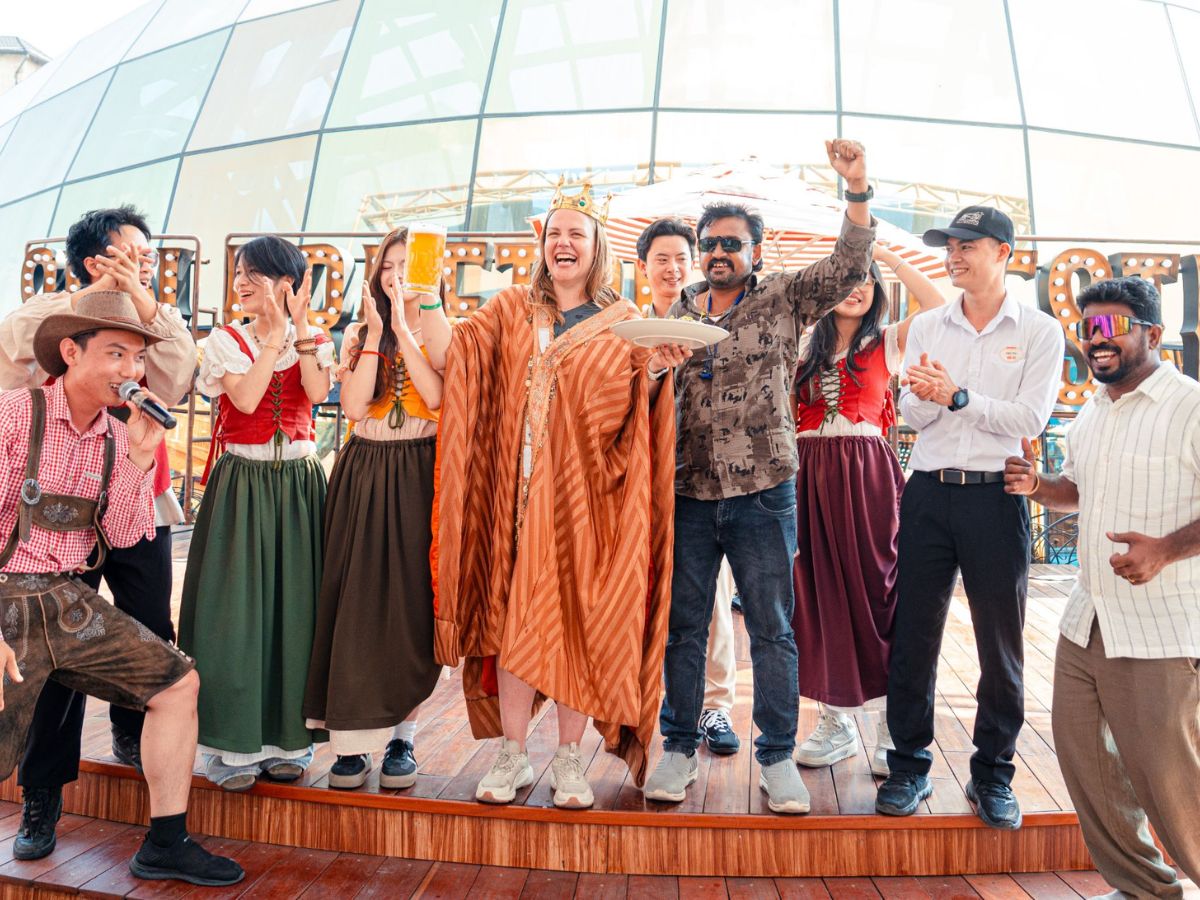
Visitors enthusiastically participate in lively entertainment activities during the Sun Festival at Ba Na Hills. (Source: Collected)
3.2. Discover the spiritual and cultural heritage of Central Vietnam
Beyond its beautiful beaches, Da Nang is home to several important cultural and spiritual attractions.
Visitors can explore Linh Ung Pagoda on Son Tra Peninsula, where the renowned Lady Buddha statue overlooks the coastline and offers impressive panoramic views of Da Nang's beaches.
Another notable destination is the Marble Mountains, a cluster of limestone and marble hills featuring ancient caves, pagodas and peaceful spiritual spaces.
These attractions provide opportunities to discover the region's religious heritage while enjoying its distinctive natural landscapes.
3.3. Enjoy Da Nang's coastal atmosphere and vibrant nightlife
My Khe Beach is a popular destination for travellers seeking a leisurely stroll, beautiful sunset views or a relaxing break after a day of sightseeing.
The beachfront area features numerous rooftop cafés, beach bars and restaurants, providing inviting settings for evenings with family or friends.
During weekends, visitors can explore night markets, pedestrian areas and the lively atmosphere surrounding the Han River and Dragon Bridge.
Da Nang becomes particularly vibrant during summer with the Da Nang International Fireworks Festival (DIFF), one of the city's most prominent annual events.
The festival attracts large numbers of international visitors with spectacular fireworks displays and a festive atmosphere along the Han River.
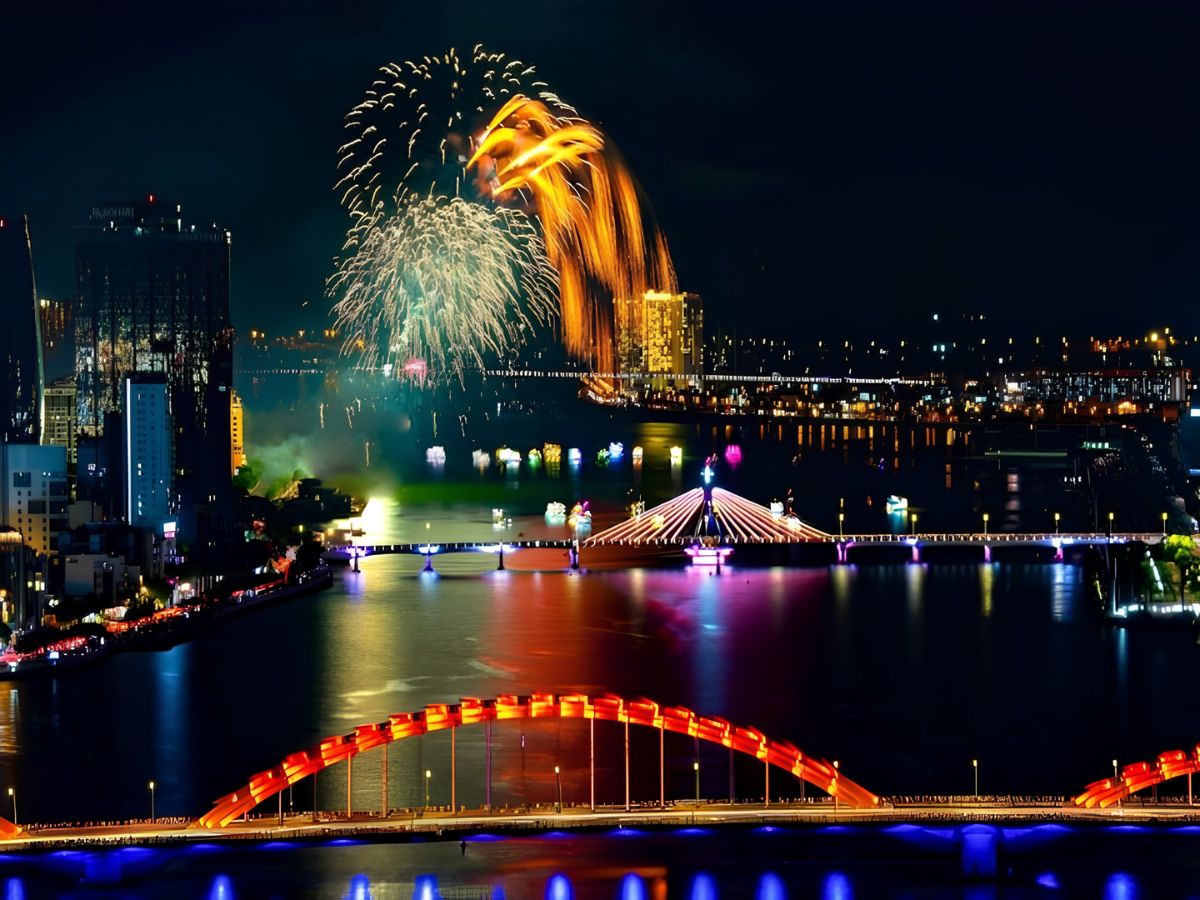
The Da Nang International Fireworks Festival (DIFF) attracts large numbers of visitors during the summer season. (Source: Collected)
3.4. Explore the cultural heritage and timeless charm of Hoi An
Hoi An offers a peaceful atmosphere characterised by narrow streets, colourful lanterns and a slower pace of life.
One of the most popular experiences is releasing floating lanterns on the Hoai River in the evening.
Visitors can also enjoy cycling around the Ancient Town, discovering its historic architecture and exploring the surrounding neighbourhoods.
Hoi An is particularly well known for its express tailoring services, charming traditional cafés and shops selling handcrafted souvenirs.
The town is an appealing destination for travellers seeking a combination of relaxation, photography opportunities and authentic cultural experiences.
4. What to eat during a trip to Da Nang and Hoi An, Vietnam
4.1. Vietnamese dishes Indian travellers should try
During a trip to Da Nang and Hoi An, many visitors are keen to discover the distinctive culinary specialities of Central Vietnam.
One of the region's best-known dishes is Mi Quang, a traditional noodle dish featuring a flavourful broth, fresh herbs and a variety of toppings.
For vegetarian travellers, vegetarian Mi Quang is also a popular option available at numerous restaurants in Da Nang and Hoi An.
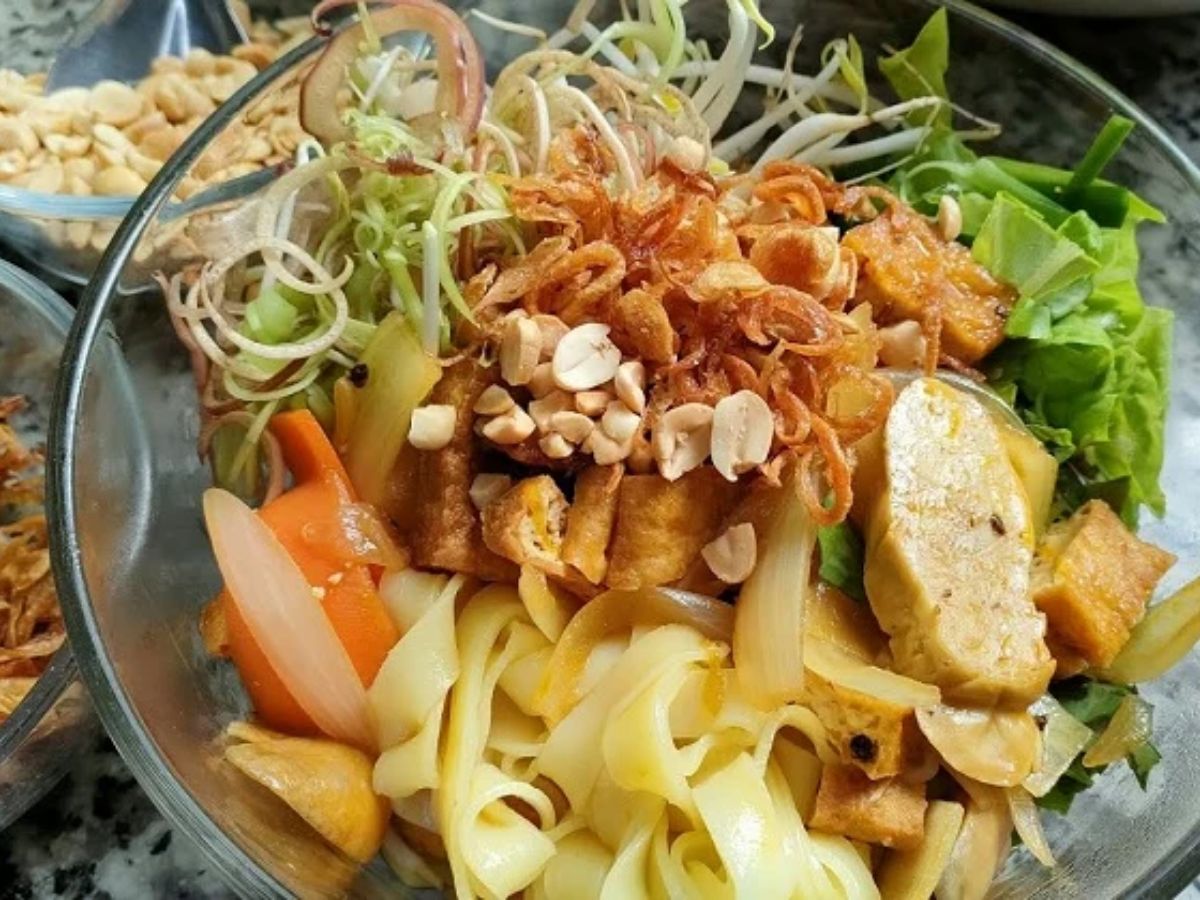
Vegetarian Mi Quang, known for its delicate flavours, is a popular local dish among Indian travellers visiting Da Nang. (Source: Collected)
Another must-try speciality is Hoi An Banh Mi, a popular Vietnamese street food known for its crusty bread, varied fillings and distinctive flavours.
Fresh spring rolls, typically prepared with vegetables, rice vermicelli and a light dipping sauce, are also suitable for visitors seeking a refreshing Vietnamese dish that is not overly spicy.
Travellers should note that some traditional fillings and dipping sauces may contain meat, seafood or fish sauce, so vegetarian diners should confirm ingredients before ordering.
Vietnamese coffee, renowned for its rich and distinctive flavour, is another experience worth discovering at local cafés throughout Da Nang and Hoi An.
4.2. Recommended vegetarian and Indian restaurants in Da Nang and Hoi An
In Da Nang, many Indian travellers prefer dining around My Khe Beach and the An Thuong neighbourhood, where a variety of restaurants offer convenient access and familiar flavours.
Notable Indian dining establishments include Maharaja Indian Restaurant, MAAZI Da Nang, Rasoi Indian Restaurant and Bhojan Indian Restaurant.
Several of these restaurants offer vegetarian and Halal-friendly dishes, making them suitable options for families and larger groups.
In Hoi An, travellers can explore restaurants such as Baba's Kitchen Indian Restaurant, Rasoi Indian Pure Vegetarian Restaurant and Chickpea Eatery.
These establishments offer diverse menus and welcoming dining environments for international visitors.
Beyond Indian cuisine, numerous restaurants in Da Nang and Hoi An also serve international buffets and vegetarian dishes, providing additional dining choices throughout a journey across Central Vietnam.
Travellers with strict vegetarian, Jain or Halal dietary requirements should confirm ingredients and food preparation methods directly with the restaurant before ordering.
4.3. Practical dining tips for Indian travellers in Vietnam
When dining in Vietnam, travellers can request less spicy dishes, vegetarian meals or adjustments to ingredients according to their personal preferences.
Many restaurants in Da Nang and Hoi An are accustomed to serving international visitors, making basic communication in English relatively convenient.
Visitors exploring Vietnamese street food should choose clean, reputable establishments and opt for bottled drinking water.
At larger restaurants, hotels and popular tourist attractions, international card payments are also widely accepted, offering greater convenience for overseas travellers.
A journey through Da Nang and Hoi An offers much more than beautiful photographs. It creates lasting memories of pristine beaches, lantern-lit historic streets and the rich culinary traditions of Vietnam.
For Indian travellers seeking a holiday that combines relaxation with meaningful cultural experiences, Da Nang and Hoi An are destinations well worth exploring.
Start planning your journey and discover the captivating beauty of Central Vietnam for yourself.