




1. Da Nang temperature in August at a glance

Da Nang stays hot and humid in August, with average temperatures around 29°C. (Source: Internet)
Long-term climate datasets vary slightly by methodology, but broadly agree that August remains a hot month with warm nights and high humidity. Timeanddate records an August average high around 34°C and a low around 26°C, while Climate-Data reports average temperatures around 29°C.
2. What does Da Nang temperature in August actually feel like?
August in Da Nang is typically hot and humid, so the number shown on a weather app does not always reflect how warm it feels outdoors. Direct sunshine, limited shade, and humidity can make sightseeing considerably more tiring during the middle of the day, making smart itinerary timing especially important.
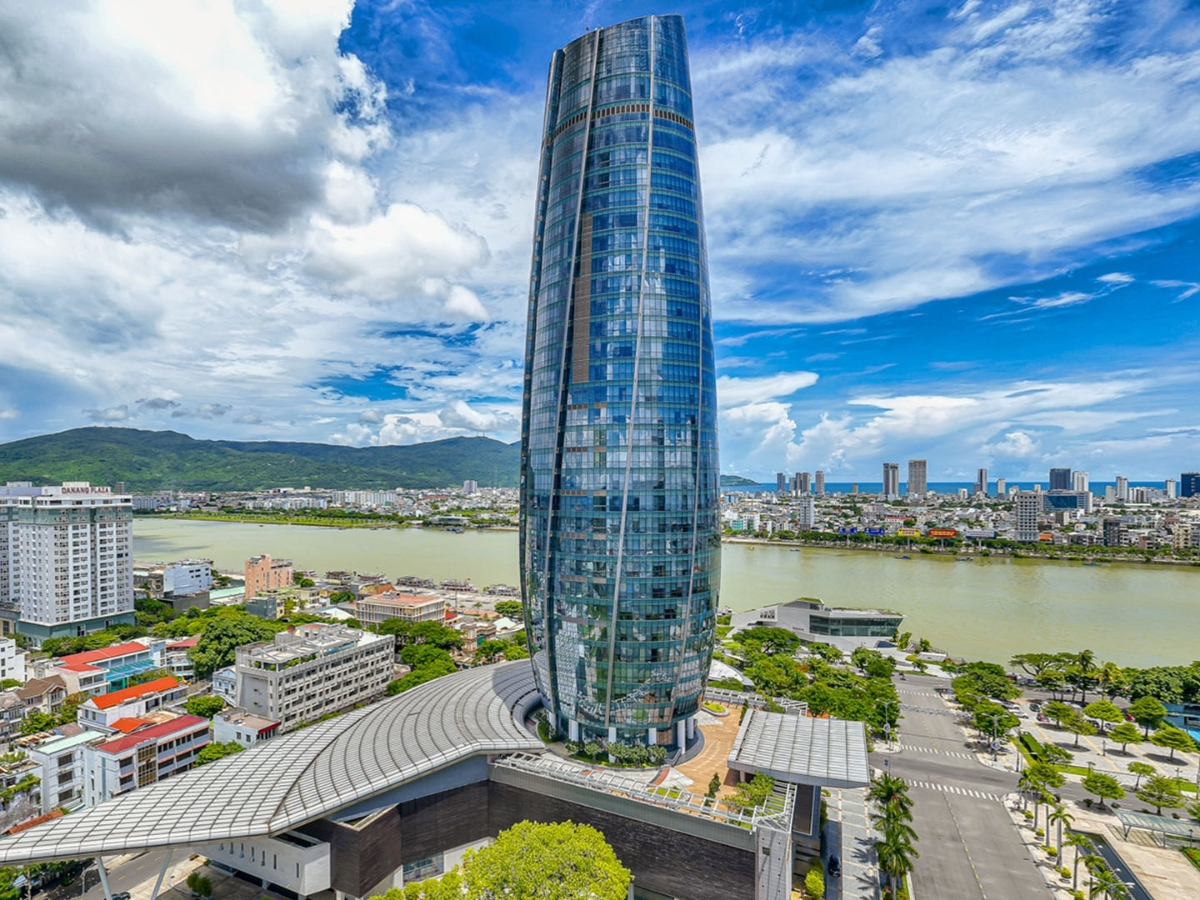
Da Nang feels especially hot and humid in August, particularly during midday sightseeing. (Source: Internet)
2.1. Humidity makes the heat feel stronger
The Da Nang temperature in August can climb to around 32–33°C on hot afternoons, but high humidity may make conditions feel warmer and more uncomfortable than the thermometer suggests. Long-term climate datasets generally place average relative humidity around the mid-70% range or higher, although figures vary depending on the source and measurement method.
Sweat evaporates less efficiently in humid conditions, so long walks and outdoor sightseeing can become tiring faster. Lightweight clothing, regular water breaks, sun protection, and occasional stops in air-conditioned spaces can make exploring much more comfortable.
2.2. Midday sun is usually the hardest part
The period from roughly 11 AM to 3 PM is best treated as a heat-management window rather than prime sightseeing time. Strong sunshine combined with high temperatures can make exposed activities considerably more demanding, particularly long walks through the city or climbing the outdoor steps at Marble Mountains.
Instead, use these hours for lunch, a café break, a museum, an indoor attraction, or some downtime at your hotel. If outdoor sightseeing is unavoidable, bring water, wear breathable clothing and sun protection, and allow more breaks than you might normally need in cooler conditions.
2.3. Morning and late afternoon feel noticeably better
Early mornings and late afternoons generally provide a more comfortable window for outdoor activities because the sun is less intense than around midday. Sunrise walks along My Khe Beach, outdoor attractions, neighborhood exploration, and scenic viewpoints can all feel easier when scheduled outside the hottest hours.
Late afternoon is similarly useful for returning outdoors once the strongest daytime heat begins to ease. This is why itinerary timing often matters more than worrying about a one- or two-degree difference between individual days. Planning around the daily heat cycle can make an August trip feel considerably more manageable.
3. Does it rain a lot in Da Nang in August?
Yes, August can bring fairly frequent rain to Da Nang as the city begins moving toward the wetter part of the year.
However, rainfall does not necessarily mean continuous rain all day. Showers and thunderstorms may arrive in short, heavy bursts, with dry or sunny periods in between. Travelers should expect some unpredictable weather, carry a compact umbrella or light rain jacket, and keep outdoor plans reasonably flexible.
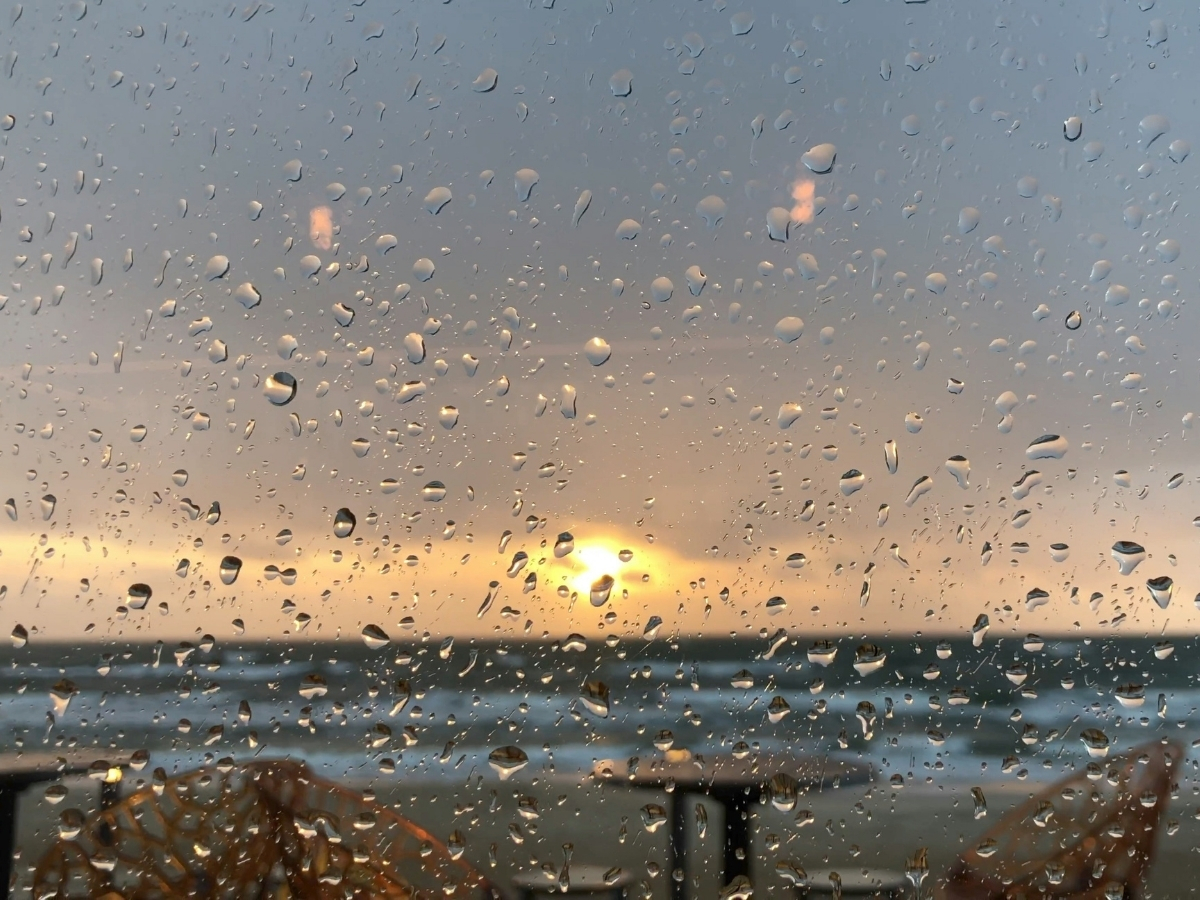
August can bring frequent rain to Da Nang as the wetter season approaches. (Source: Internet)
4. What are the best things to do in Da Nang in August?
August is well suited to travelers who want to combine beach time, mountain scenery, cultural attractions, and relaxed evenings around the city. The key is to schedule outdoor activities earlier or later in the day and leave some flexibility for heat or sudden showers.
4.1. Start the day at My Khe Beach
My Khe Beach is one of the best places to begin an August morning, particularly if you arrive around sunrise before the beachfront becomes hotter and busier. Swimming, walking along the sand, or simply relaxing beside the water can all be more comfortable during these cooler hours.
Because the Da Nang temperature in August can rise considerably toward midday, an early start also leaves the hottest part of the day free for lunch or indoor activities. Bring sunscreen even in the morning, stay hydrated, and pay attention to warning flags and lifeguard instructions. Sea conditions can change, especially when storms or unsettled weather affect the central coast.
4.2. Spend a full day at Ba Na Hills
Ba Na Hills is a strong choice for August because its mountain setting provides a completely different experience from the beaches and streets below. A full-day visit gives you enough time to ride the cable cars, walk across the Golden Bridge, explore the French Village and gardens, and enjoy the complex’s entertainment without rushing between attractions. The higher elevation can also provide a welcome change from the hotter conditions in central Da Nang.
However, mountain weather can shift quickly, with clouds, mist, or showers affecting visibility at different times of day. Check the forecast before leaving, bring a light rain layer, and avoid planning your entire visit around perfectly clear panoramic views.

Spend a full day at Ba Na Hills exploring the Golden Bridge, French Village, gardens, and mountain scenery. (Source: Sun World)
4.3. Explore Marble Mountains early in the morning
Marble Mountains is best explored early on an August day, before direct sunshine makes its stairways and exposed viewpoints more demanding. The site combines caves, Buddhist pagodas, rock formations, and elevated viewpoints, so allow enough time to explore rather than treating it as a quick photo stop.
Comfortable shoes are particularly important because some steps can be steep and surfaces may become slippery after rainfall. Bring drinking water and take breaks as needed during the climb. Starting early also gives you more flexibility later in the day: once temperatures rise, you can move on to lunch, a café, a museum, or another indoor attraction instead of continuing strenuous outdoor sightseeing through the midday heat.
4.4. Discover Son Tra Peninsula
Son Tra Peninsula offers one of the easiest ways to combine nature and sightseeing without traveling far from central Da Nang. Start with Linh Ung Pagoda and the Lady Buddha before exploring coastal viewpoints and forested sections of the peninsula where access is permitted. The scenery can be particularly rewarding in the morning or later afternoon, when the light is softer and outdoor conditions are generally more comfortable.
August weather requires some flexibility, however. Heavy rain, thunderstorms, mist, or wet roads can make certain routes less suitable, especially for inexperienced motorbike riders. Check current road access and weather conditions before departing, avoid restricted areas, and reconsider remote or steep routes whenever visibility or road conditions deteriorate.
4.5. Explore museums and cafés around midday
Instead of filling every daylight hour with outdoor attractions, use the hottest part of the day to discover Da Nang’s indoor side. The Museum of Cham Sculpture provides a cultural break from beaches and viewpoints, while the city’s cafés offer an easy place to cool down over Vietnamese coffee or another drink. A longer lunch or a short hotel rest can work equally well.
Organizing your itinerary this way makes the Da Nang temperature in August much easier to handle because you avoid unnecessary exposure during the strongest afternoon heat. After a few hours indoors, you can return outside later with more energy for the beach, markets, riverside walks, or sunset sightseeing.
4.6. Spend the evening along the Han River
Evening is one of the most enjoyable times to experience central Da Nang after the stronger daytime heat begins to ease. Walk along the Han River, see the city’s illuminated bridges, stop at a riverside café, or combine the area with dinner and a visit to nearby markets. Dragon Bridge is a particularly recognizable landmark after dark, and its fire-and-water performance can add another experience when the show is scheduled.
Rather than arriving only for the performance, give yourself time to explore both sides of the river and enjoy the atmosphere. Check the latest Dragon Bridge show schedule before planning around it, especially because schedules or arrangements can change during special events or unfavorable weather.
4.7. Take a day trip to Hoi An
Hoi An is close enough to Da Nang for an easy half-day or evening excursion, and August timing can make a significant difference to the experience. Instead of exploring the Ancient Town during the strongest midday heat, consider leaving Da Nang later in the afternoon and staying into the evening.
You can wander through historic streets, visit cafés and shops, have dinner, and see the riverside area after the lanterns and lights begin creating a different atmosphere. Allow some flexibility because short periods of rain or thunderstorms can interrupt outdoor plans. Arrange your return transportation in advance if staying late, particularly if you do not want to depend on finding a ride after finishing your evening in Hoi An.
4.8. Chase sunrise at Ban Co Peak
For a more adventurous August morning, head toward Ban Co Peak on Son Tra Peninsula for elevated views over Da Nang, the coastline, and surrounding mountains. Going early helps you avoid much of the daytime heat and can create beautiful conditions for photography when the sky is clear. The journey itself is part of the experience, with winding roads and changing coastal scenery along the way.
However, weather and road access around Son Tra can change, so check current conditions before departing. Avoid attempting the trip during heavy rain, dense fog, or thunderstorms, and only ride a motorbike if you are legally permitted and confident on steep roads.
4.9. Visit Nam O Fishing Village and Reef
Nam O offers a different side of Da Nang from the polished beachfront around My Khe. The coastal area is known for its fishing-community atmosphere and rocky reef landscape, which becomes particularly photogenic when conditions and tides expose moss-covered rocks. An early-morning visit can also give you a glimpse of local coastal life before the day becomes hotter.
Combine the trip with photography, a walk around the shoreline, or local food rather than treating it primarily as a swimming destination. Rocks can be extremely slippery, and tides and waves change quickly, so wear suitable footwear, keep away from rough water, and check local conditions before exploring the reef.
5. Practical tips for visiting Da Nang in August
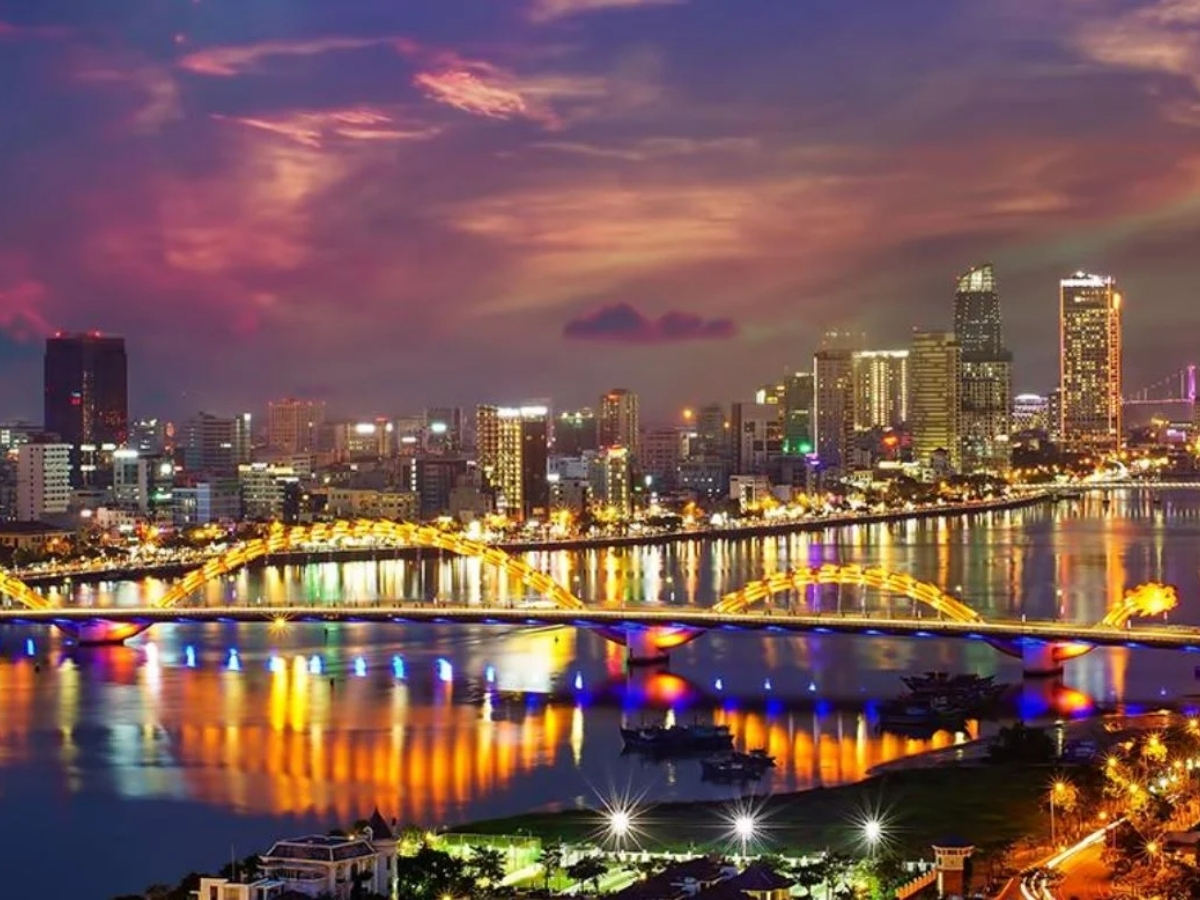
Plan around the heat and rain for a more comfortable August trip to Da Nang. (Source: Internet)
August travel in Da Nang is mostly about managing heat, sunshine, and occasional rain rather than changing your entire itinerary. A few simple adjustments can help you stay comfortable and make better use of each part of the day.
Start outdoor sightseeing early: Plan beaches, Marble Mountains, Son Tra Peninsula, and walking-heavy attractions for the morning whenever possible.
Keep 11 AM-3 PM flexible: Use the hottest hours for lunch, cafés, museums, shopping, spa treatments, or a hotel break.
Check the forecast each morning: August weather can shift, so avoid building a schedule that depends entirely on clear skies.
Carry lightweight rain protection: A compact umbrella or light rain jacket is useful for sudden showers without taking up much space.
Stay hydrated: Carry water during sightseeing, particularly when climbing stairs, walking long distances, or spending time at the beach.
Protect yourself from the sun: Sunscreen, sunglasses, breathable clothing, and a hat are particularly useful during exposed outdoor activities.
Plan backup indoor activities: Keep museums, cafés, shopping centers, and other indoor stops available in case heavy rain interrupts your original plans.
Watch beach conditions: Follow warning flags and lifeguard guidance, and avoid swimming when waves, currents, thunderstorms, or other conditions make the sea unsafe.
The Da Nang temperature in August brings plenty of heat and humidity, but it does not have to make sightseeing difficult with the right timing. Plan beaches, mountains, and outdoor attractions for mornings or late afternoons, save midday for cooler indoor activities, and stay flexible around occasional rain. With sun protection, plenty of water, and a weather-aware itinerary, August can still be an enjoyable time to experience Da Nang.


