




1. Overview of Sin Chai village of Sa Pa
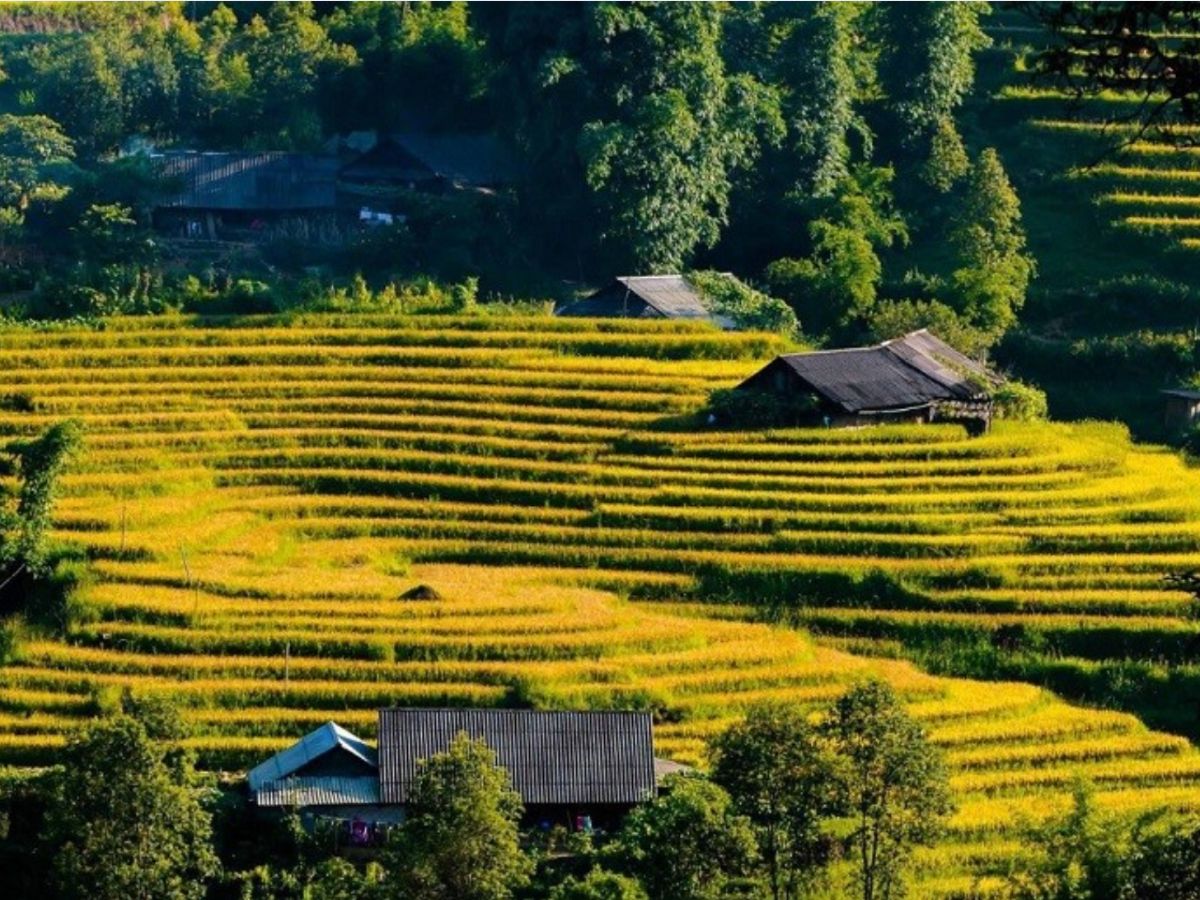
The rustic beauty of Sin Chai Village. (Source: Collected)
Hidden at the foot of the majestic Hoang Lien Son mountain range, Sin Chai village (San Sa Ho commune, Sa Pa) is an ideal destination for those who love the pristine and simple beauty of the Northwest mountains and forests. Located about 2 – 7 km from the center of Sa Pa town depending on the starting point, Sin Chai village is favored by nature, embraced by the Hoang Lien Son range, creating a picturesque landscape painting where clouds, mountains, and villages blend charmingly.
Sin Chai is one of the largest and most beautiful villages in Sa Pa, located right below the Fansipan cable car system and only about 2 km from Cat Cat village – very convenient for combined tours. Visitors can buy an entrance ticket to Sin Chai village for 40,000 VND/adult, 20,000 VND/child, or choose the Sin Chai – Cat Cat combo ticket for only 70,000 VND, which is both economical and flexible.
From the center of Sa Pa, you can travel by motorbike or motorbike taxi to explore the beautiful winding road leading to the village. Each turn reveals a new, fresh, and peaceful mountain scenery. Sin Chai has a cool climate year-round, especially in December – January, visitors also have the opportunity to see snowfall and hunt for clouds in the characteristic highland winter atmosphere – an unforgettable experience when coming to Sin Chai village, Sa Pa.
2. What makes Sin Chai village special compared to other villages?
Among the countless beautiful villages in Sapa, Sin Chai village retains its unique characteristics unmatched anywhere else – a pristine, rustic beauty with a rich Hmong ethnic identity. Not only famous for its ancient terraced fields and majestic scenery, but this place also attracts visitors with its peaceful way of life, rustic cuisine, and traditional festivals imbued with the spirit of the Northwest mountains.
2.1. Ancient terraced fields and a beautiful golden season

Majestic pristine terraced fields of Sin Chai village. (Source: Collected)
Sin Chai village's terraced fields are a characteristic symbol of this land, possessing a pristine and captivating beauty that enchants not only tourists but also photography enthusiasts. The hundreds-year-old fields wind around the mountainside, layer upon layer like a soft silk ribbon stretched across the deep green wilderness. Each season of the year, the terraced fields in Sin Chai, Sa Pa, take on a new appearance, beautiful in their own unique way, with no season repeating another.
During the watering season (May – June), this place becomes shimmering and brilliant with the image of terraced fields glistening like a giant mirror reflecting the blue sky and drifting white clouds. That scene makes anyone who sets foot here want to stop for a long time to admire and capture every beautiful moment.
When the rice ripens (September – October), the entire Sin Chai village is immersed in brilliant yellow hues, with the fragrant scent of new rice permeating through every house. Heavy rice stalks bow in the wind, creating a vibrant rural landscape. The beauty of the harvest season in Sin Chai is compared to Hoang Su Phi or Y Ty, but it still possesses a unique characteristic that cannot be mistaken. Whether it's early morning or sunset, the golden light of the terraced fields still stands out amidst the Hoang Lien Son mountains, creating a magical attraction that makes it hard for tourists to look away.
2.2. Life of the Black H'mong people
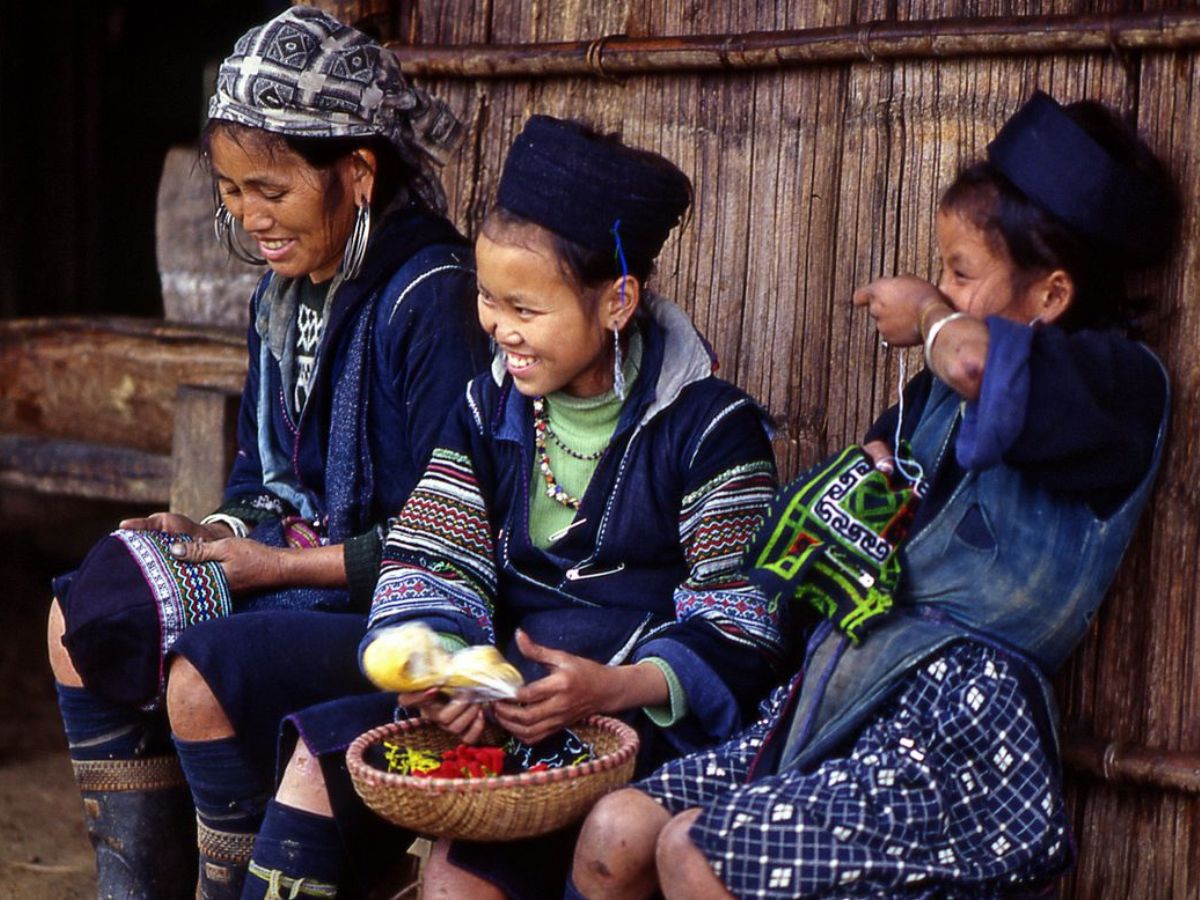
Rustic, simple lifestyle of the H'Mong people. (Source: Collected)
What sets Sin Chai village apart from many other villages in Sa Pa is its pristine atmosphere and the traditional Black H'Mong culture that has been preserved intact over time. Located separately from the modern tourist life, the village currently has about 1,600 Black H'Mong residents, still maintaining a simple, rustic lifestyle and the long-standing customs characteristic of the Northwest highlands. Here, visitors will not encounter bustling trading scenes or noisy tourist services, but instead a rare sense of peace and authenticity.
Simple, low-roofed p'o mu wooden houses, nestled among the mountains and forests, create a characteristic peaceful picture of Sin Chai village, Sa Pa. In front of the house, old farming tools such as hoes, sickles, looms... tell the story of the diligent working life of the people here. They mainly live by growing rice and cardamom, and when the harvest season ends, they go to the forest to gather firewood and raise livestock to make a living.
H'Mong women in Sin Chai are particularly skillful; they grow flax, spin yarn, weave fabric, and embroider by hand to make clothes for the whole family. Each piece of fabric, each stitch is a crystallization of meticulousness and diligence, bearing the strong imprint of local culture. The people in the village are gentle, hospitable, and always willing to chat and share with visitors about the life, customs, and working spirit of the highlanders, making a trip to Sin Chai more meaningful and memorable than ever.
2.3. Cuisine of Sin Chai Village – Unforgettable Highland Flavors
When mentioning what's special about Sin Chai village, visitors cannot miss the rich highland cuisine – where the essence is preserved in every rustic dish.
Sin Chai's five-colored sticky rice is a characteristic symbol, nổi bật với màu sắc rực rỡ created from natural forest leaves. Each color brings its own flavor, subtly blended to create a dish that is both delicious and visually appealing, and demonstrates the skill and creativity of the H'Mong people in utilizing mountain products.
Speaking of Sin Chai cuisine, one cannot miss the "piglet carried on the shoulder" pork and smoked buffalo meat – specialties that captivate diners with their unique flavors found nowhere else. The meat is golden brown on the outside, tender and sweet on the inside, blended with the natural scent of forest wood smoke, creating a rich, unforgettable flavor.
Sturgeon hot pot with its clear broth, delicate sweet taste, and firm, fresh fish meat is also an attractive dish that any visitor here should try.
Especially, thang co – a traditional, long-standing dish of the H'Mong people – is an indispensable culinary experience when exploring Sin Chai. These characteristic flavors not only warm visitors after a long journey but also open up a deep insight into highland culinary culture, where each dish contains the spirit and life of the people of the Northwest mountains.
2.4. Experience Traditional Festivals and Unique Activities
When December and January arrive, Sin Chai becomes more bustling and attractive than ever. This is the ideal time for visitors to discover what's special about Sin Chai, when the local people celebrate the traditional Tet holiday together and organize unique traditional festivals of the H'Mong ethnic group. The sounds of the khen, gongs, combined with folk dances and vibrant brocade colors, create a vivid picture rich in highland cultural identity.
Not only that, visitors can also experience the working life of the locals through activities such as planting, farming, or participating in cardamom harvesting – a crop that brings the main income to the H'Mong people. Amidst the fresh, cool air, trekking trips to explore the village will become more interesting than ever, helping you clearly feel the connection between people and nature here.
Especially, direct interaction with the locals is a valuable opportunity for visitors to understand more deeply about the customs, beliefs, and cultural life of the Black H'Mong people. From the art of weaving and indigo dyeing to oral stories preserved through generations, all contribute to the unique soul of Sin Chai, making anyone who has set foot here reluctant to leave.
3. Sin Chai Village Experience Package 2025
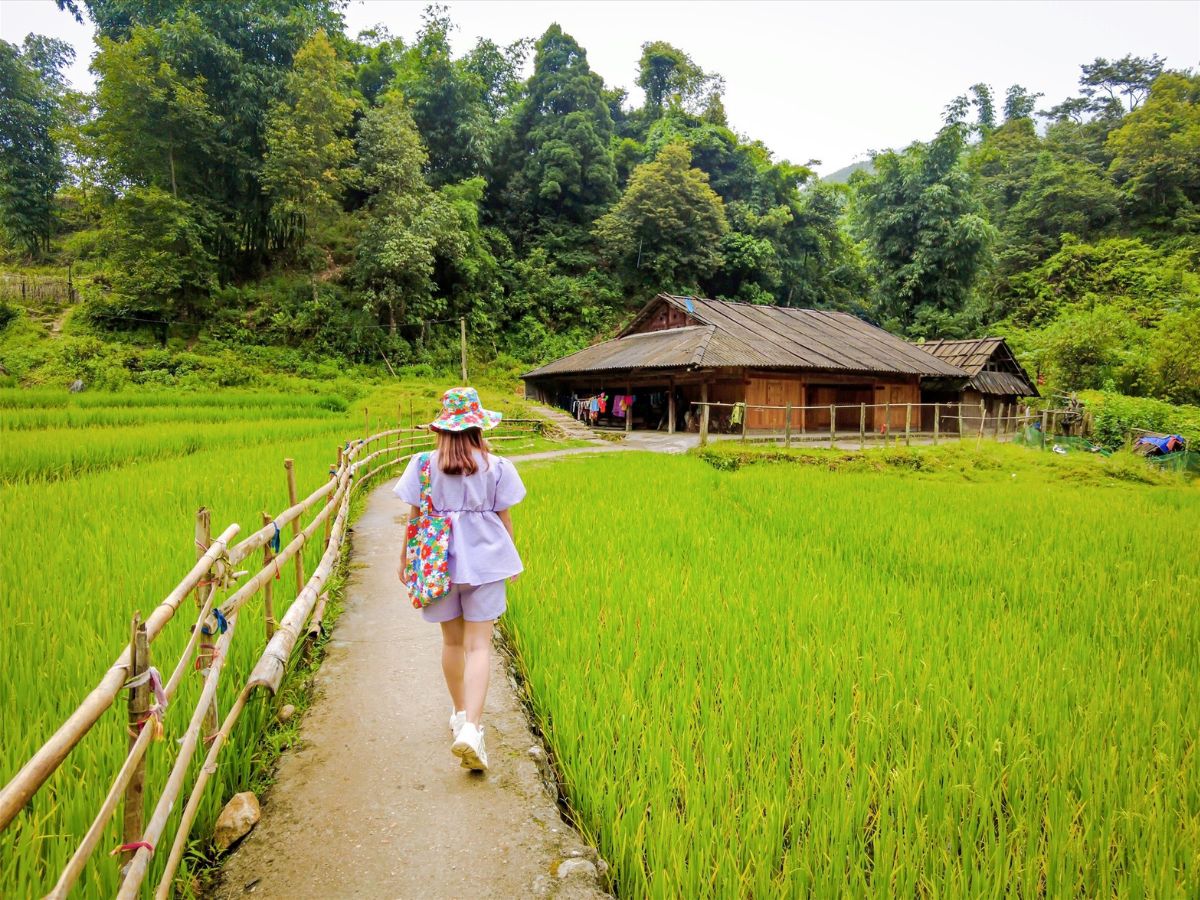
Choose the right time to visit Sin Chai village. (Source: Collected)
Sin Chai village is gradually becoming a popular destination for many tourists on their Sapa exploration journey in 2025. With its nature changing with the four seasons and the unique cultural experiences of the Black H'mong people, this place promises to bring a complete and memorable trip for all lovers of village tourism.
3.1. The best time to visit Sin Chai village
To make your exploration of Sin Chai complete and most memorable, choosing the right travel time is extremely important. Each season of the year, this village possesses a unique beauty, captivating visitors even on repeat visits with its natural scenery and peaceful life in the Northwest highlands.
Each season of the year, Sin Chai village has something special that is revealed in a unique way, creating an everlasting charm no matter how many times visitors return. In spring, the land and sky here burst with vibrant flowers, the air is cool and serene – perfect for trekking adventures to explore the mountains and feel the peaceful life of the highland village.
In May – June, Sin Chai enters the water-pouring season, when the terraced fields shimmer like mirrors reflecting the clouds and sky. This is the ideal time for photography enthusiasts, as you can capture breathtaking scenes amidst majestic nature with just a click of the camera.
In autumn, from September to October, Sin Chai is at its most beautiful. The entire village is bathed in the golden hue of ripe rice, the scent of new rice fills the afternoon sun, creating a romantic and captivating scene. Many tourists and photographers flock here to capture the exquisite golden season of Sapa.
When winter arrives, around December to January, Sin Chai dons a serene and mystical beauty. Visitors can witness snowfall, chase clouds, and join the H'mong people in celebrating the traditional Tet holiday, immersing themselves in the warm festive atmosphere amidst the highland chill – a unique and unforgettable experience on your Sapa journey.
3.2. Entrance fees and notes for visiting Sin Chai village
According to updated information for 2025, the entrance fee for Sin Chai village is considered very reasonable compared to the rich experiences it offers. The entrance ticket for Sin Chai village is currently priced at 40,000 VND for adults and 20,000 VND for children. Visitors can also opt for the Cat Cat – Sin Chai combo ticket for 70,000 VND, saving costs when exploring multiple famous Sapa tourist spots simultaneously.
For those who wish to extend their journey, the Ta Phin – Sin Chai – Hau Thao combined ticket is an optimal choice, costing only 40,000 VND for adults and 20,000 VND for children. All ticket types are sold directly at the entrance near Sapa town center, convenient for visitors before moving into the village.
When visiting Sin Chai village, tourists should respect the local living space and culture, especially asking for permission before photographing residents during their daily activities. Due to the steep terrain and year-round cool climate, it is advisable to wear neat clothing, sports shoes, and prepare a warm jacket for winter. Thorough preparation will ensure a complete and safe exploration of Sin Chai village.
4. Experience when traveling to Sin Chai village
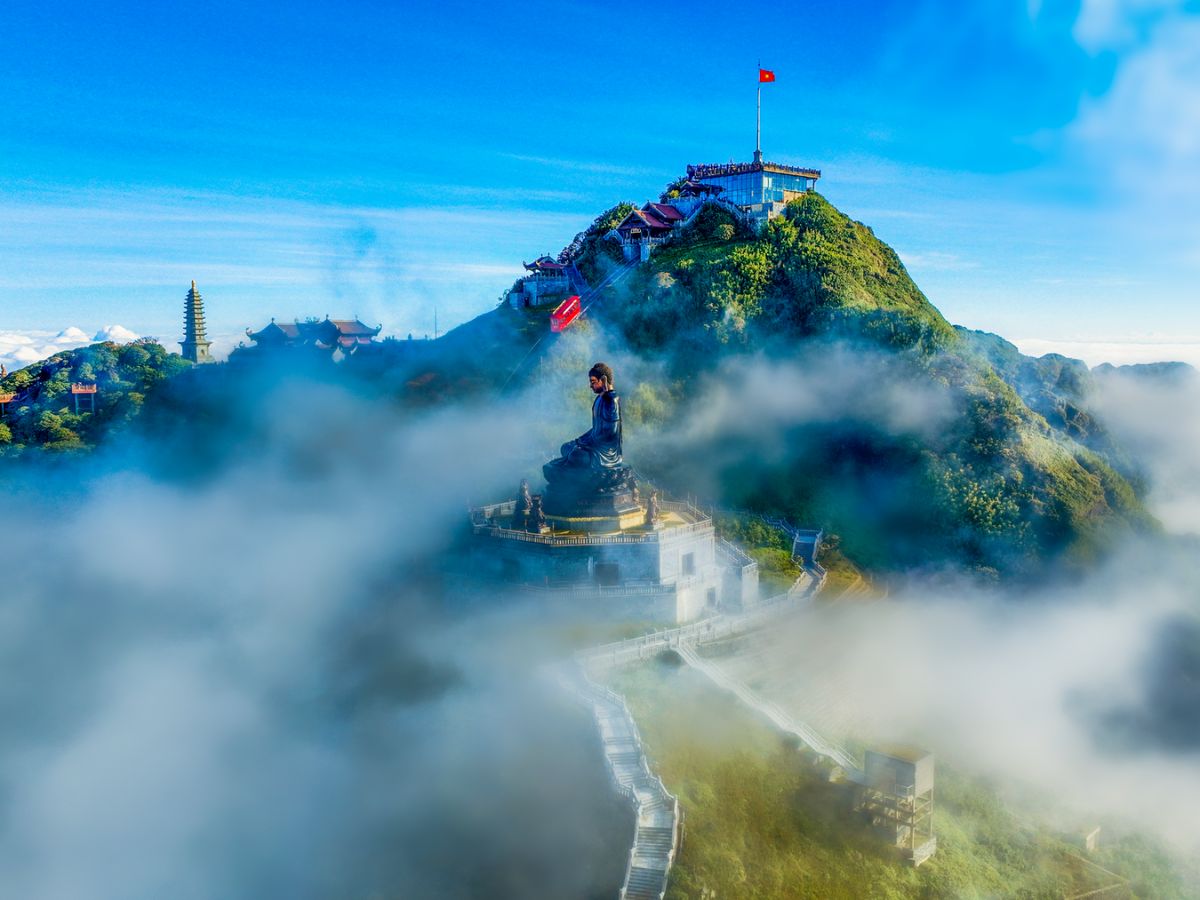
Sun World Fansipan Legend is an attractive tourist destination. (Source: Collected)
Located at the foot of the majestic Hoang Lien Son mountain range, Sin Chai village is an ideal destination for those who love wild beauty and want to explore the simple life of the Black H'mong people. The journey here is not only a trekking trip to conquer nature but also an opportunity for tourists to immerse themselves in the peaceful rhythm of life, rich in the highland culture of Sapa.
Due to the steep and wild terrain, with trekking being the highlight of the journey, preparing suitable clothing and accessories will make the exploration of Sin Chai village more complete. Tourists should wear sports shoes or trekking shoes with good grip, which help in moving easily on dirt paths or slippery terraced fields. Clothing should be light, breathable, and easy to move in, and bring a jacket to cope with the highland climate which is often cool, especially in the early morning and late afternoon.
With a cool climate year-round, you should prepare good health before participating in activities like climbing and hiking. Bring water, snacks, and personal medication if necessary to ensure safety throughout the journey. Additionally, a camera or a fully charged phone will be an indispensable companion to capture memorable moments in Sin Chai.
To better understand what is special about Sin Chai village, tourists should show respect for the local culture by asking for permission before taking photos, especially during personal activities of the residents. A polite and friendly attitude will help you easily receive smiles and interesting stories from the Black H'mong people – the simple, hospitable residents here.
Sin Chai village possesses a peaceful and original beauty, not yet much affected by commercialization. Therefore, maintaining a quiet space, avoiding noise or disturbing the lives of the residents, will help tourists have the most authentic and relaxing experiences.
At the entrance to the village, small wooden houses with simple roofs, along with rustic farming tools in front of the houses, create simple yet incredibly impressive scenes. The terraced fields remain the most ideal spot for photography, especially during the water-pouring season (May-June) and the ripe rice season (September-October), when natural light reflects on each field, painting a rare poetic landscape.
Early morning or sunset are the best times for photography. The gentle sunlight mixed with kitchen smoke rising from small houses, the image of people going to the fields, and buffaloes grazing on the mountainside all create a vivid picture of the peaceful highland life.
Besides Sin Chai village, when visiting Sapa, tourists can combine visits to Cat Cat village, Sun World Fansipan Legend, or Ta Phin village to get a more comprehensive view of the culture, nature, and people of the Northwest region. These destinations all have their own unique characteristics, contributing to a memorable and emotional Sapa trip.
If you are wondering what is special about Sin Chai village, the answer is its wild, rustic beauty and the rare fresh air in the heart of Sapa. This place fully preserves the cultural identity of the H'mong people, blending with the majestic mountain and forest scenery, offering a peaceful and authentic experience for all tourists.


