




1. Sapa's Most Famous Specialties
1.1. Sapa Salmon - The "Royal Aquatic Product" of the Highlands
Anyone who thinks that there is definitely no salmon in the highlands has truly missed a miracle. Sapa salmon is raised in crystal-clear lakes at altitudes above 1,000m, where the water temperature fluctuates between 15-18°C year-round - perfect conditions for this fish to thrive. This is a nutritious food, especially rich in nutrients such as protein, vitamin B12, iron, potassium, vitamin D, and high in omega-3. Therefore, this Sapa specialty is good for cardiovascular health, brain function, and the immune system.
Sapa salmon has a natural orange-pink color, firm flesh, and a sweeter taste than imported salmon. When enjoyed as sashimi, you will feel an indescribable freshness. If you are not used to eating raw fish, foil-baked salmon with banana leaves or ginger-steamed salmon are both delicious dishes that provide a wonderful experience.
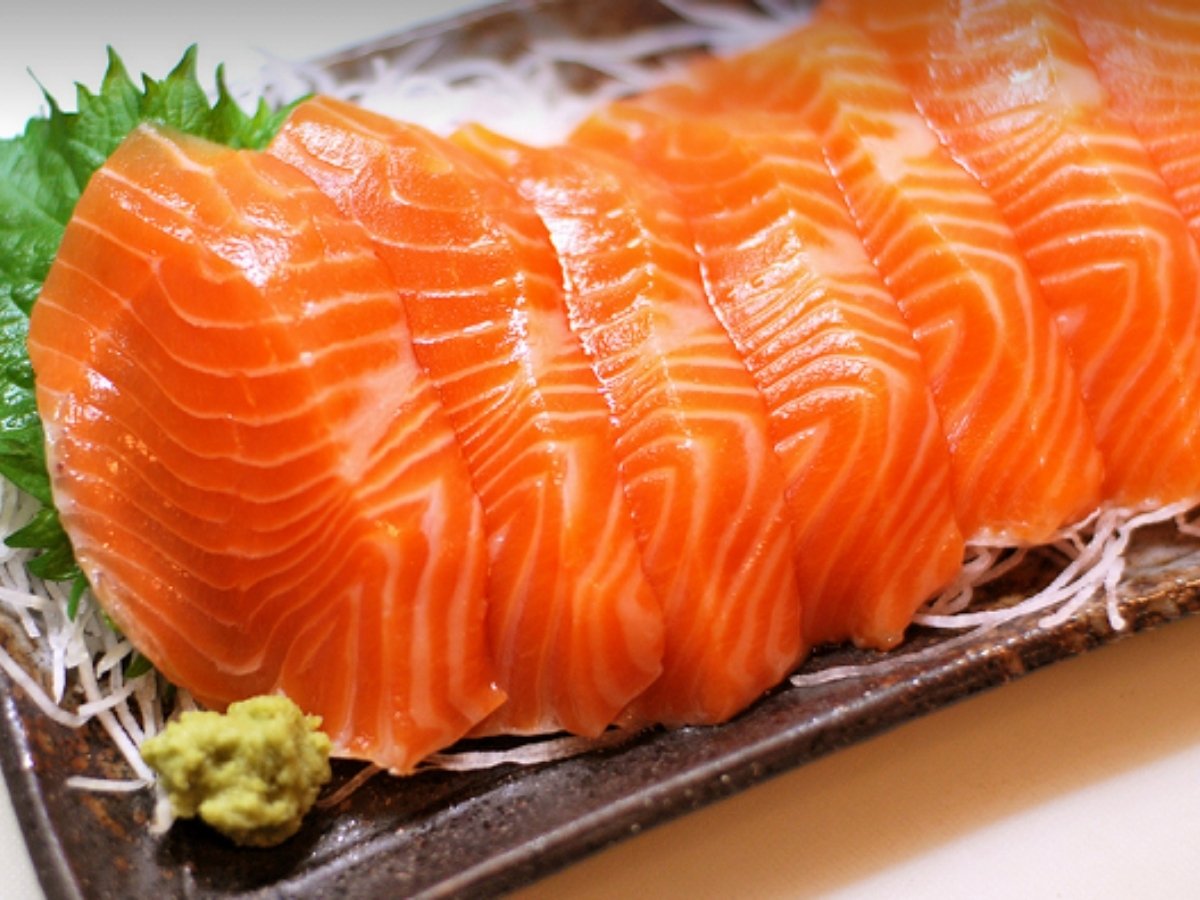
Sapa salmon is a Sapa specialty with a natural orange-pink color and a sweet taste (Image: Collected)
1.2. Thang Co - Traditional Hmong Hot Pot
Thang Co is a Sapa specialty that embodies the culinary soul of the Hmong people of Sapa. Originating from Yunnan Province (China) and brought to the Northwest mountains of Vietnam by the Hmong people, it is a dish that requires courage from first-time diners. The main ingredients include fresh horse meat, bone marrow, heart, liver, and various forest herbs such as bitter leaf, wild lemon leaves, and wild ginger.
Thang Co broth is dark brown, with a strong aroma and a characteristic spicy flavor. The tender, sweet pieces of horse meat combined with forest vegetables create an unforgettable flavor. The Hmong believe that Thang Co helps to nourish the body, especially good for those who do heavy work in harsh weather conditions.
1.3. Loin Cap Nách - A Specialty with a Strong Highland Identity
Sapa armpit pig is a local pig breed with small size, weighing only about 15-20kg when mature, with a compact body that can be carried under the armpit, hence its special name. They are free-range on the mountain slopes, eating wild vegetables and tubers, so the meat has a natural aroma and is not at all smelly.
Grilled armpit pig is the most common way to cook it. When grilled, the pig skin is crispy, the meat is soft and sweet with a moderate layer of fat. Armpit pig meat is also often used to make grilled nem or xiu mai, with a rich flavor quite different from ordinary pork.
1.4. Smoked buffalo meat - The soul of Northwest cuisine
Smoked buffalo meat is a traditional food preservation art of the highland ethnic groups. Fresh buffalo meat is sliced into long pieces, marinated with spices and then hung over a stove to be smoked for several months.
The smoking process makes the meat dark brown on the outside, dry on the surface but inside has an attractive bright red or pinkish red color, still soft and chewy, not dry or brittle. Smoked buffalo meat has a rich sweet taste, slightly salty and has a characteristic smoky flavor. The most common way to enjoy it is to cut it into thin slices, grill it over a fire and dip it in chili sauce or salt and lemon pepper.

Smoked buffalo meat has a dark brown exterior, and an attractive pinkish-red interior (Image: Collected)
1.5. Com lam - Mountain forest flavor in bamboo tubes
Sapa com lam is made from fragrant sticky rice cooked in young bamboo tubes, creating a unique flavor that only the mountains and forests can offer. After being washed, the sticky rice is put into bamboo or nứa tubes along with a little salt and mountain spring water, then sealed with banana leaves and grilled over charcoal.
When cooked, com lam has an ivory white color, is chewy and fragrant, and is soaked in the scent of fresh bamboo. The layer of rice close to the bamboo wall has a light yellow color and is more chewy. Com lam is often eaten with sesame salt or grilled meats such as armpit pig, creating a nutritious and attractive meal.
2. Special Dishes from Vegetables and Fruits
2.1. Mam Da - A Rare Vegetable Found Only in Sapa
Mam Da is a rare and famous wild vegetable from the Northwest highlands, especially Sapa. It grows in rock crevices at altitudes above 1200m and thrives in the cold season from November to March. The vegetable resembles mung bean sprouts but is larger, light green, and exceptionally crisp.
Mam Da has a naturally sweet and refreshing taste, unlike many other wild vegetables that are bitter or sour. The most common way to prepare it is to stir-fry it with garlic or boil it and dip it in fish sauce with lemon. This Sapa specialty is only available in spring and early summer, so when visiting Sapa during this time, you must try this precious vegetable. It is rich in nutrients such as vitamin C, vitamin E, digestive enzymes, fiber, and minerals. Therefore, Mam Da is good for the digestive system, strengthens bones and joints, boosts immunity, helps with alcohol detoxification, and improves skin.

Mam Da is a rustic Sapa specialty that resembles mung bean sprouts but is larger (Image: Collected)
2.2. Cai Meo Vegetable - Sweetness from the Northwest Mountains
Sapa Cai Meo vegetable has small, juicy leaves with a deep green color. Unlike regular cabbage, Sapa Cai Meo has a slightly bitter taste at first, but as you eat it, you will experience a sweet, crisp, and chewy flavor that is very palatable and appealing.
Stir-fried Cai Meo with garlic is a favorite choice for many tourists. The vegetable retains its crispness, sweetness, and blends well with the aroma of golden-fried garlic. Cai Meo can also be used in sour soup or salads, providing a refreshing feeling on hot days. This vegetable is rich in vitamins, minerals, and fiber, and it helps detoxify, cool the body, stimulate digestion, and boost the immune system.
2.3. Wild Chestnuts - A Gift from Nature
Sapa forest chestnuts are smaller than cultivated chestnuts, but they have a richer, sweeter, and more intense flavor, firmer texture, and a dark brown, glossy shell. They grow wild in the forest and are harvested mainly in the fall (October-November) by locals, when the fruits are ripe and fall to the ground.
Roasted chestnuts are a traditional preparation method, releasing an aroma that fills the air. When eaten, the chestnuts have a natural sweetness and melt slowly in the mouth, leaving a memorable aftertaste. Forest chestnuts are also used to make desserts or as fillings for cakes, creating delicious treats. Forest chestnuts are rich in vitamin B and minerals that promote blood circulation, fight inflammation, support the digestive system, and boost overall health.
3. Sapa Specialties: Cakes and Street Food
3.1. Corn Cakes - Rustic Flavors of the Mountains
Sapa corn cakes are made from freshly ground corn, mixed with a little flour and sugar, then grilled on a cast iron pan. The cakes have a beautiful yellow color, a crispy surface, and a soft, chewy interior.
The natural sweetness of the corn blends with a delicate aroma to create a rustic yet appealing cake. Corn cakes are often sold from street vendors in the early morning or evening, when the cool air enhances the aroma, for around 5,000-10,000 VND/piece.
Corn cakes can be stored for about 2-3 days while retaining their deliciousness and characteristic flavor. They are often sold more in the spring (March to May), when the corn is freshest.

Sapa corn cakes have a beautiful yellow color, a crispy surface, and a soft, chewy interior (Image: Collected)
3.2. Bitter Bamboo Shoot Nem - A Tay Ethnic Minority Specialty
Bitter bamboo shoot nem is a unique specialty of the Tay people, made from wild bamboo shoots with a natural bitter taste that can replace the traditional banh đa nem of the lowland people. The bamboo shoots are finely chopped, mixed with minced pork, wood ear mushrooms, and spices, then wrapped in banana leaves and fermented.
The slightly bitter taste of the bamboo shoots combined with the refreshing sourness from the fermentation process creates a unique flavor difficult to find elsewhere. Bitter bamboo shoot nem is usually eaten raw or grilled, served with herbs and rice paper.
3.3. Sapa Pho - A unique version of Vietnamese pho
Sapa pho has its own unique characteristics compared to pho from other regions. The broth is simmered from mountain cow bones, resulting in a sweeter and richer flavor. The pho noodles are translucent white, thicker, and chewier than regular pho.
Sapa beef pho often includes mountain vegetables such as wild water spinach, wild bean sprouts, creating a novel flavor. Enjoying a bowl of hot Sapa specialty pho in the cool weather brings a warm and satisfying feeling to tourists after a long day of exploration.
4. Characteristic hot pot dishes of the high mountains
4.1. Black chicken hot pot - Nourishing from hilltop fighting cocks
Sapa black chicken or fighting cock is a local chicken breed of the Hmong people, small in size, with an adult weighing only about 1.2 - 1.5kg. They are free-range on hills and mountains, eating insects and forest seeds, so the meat is particularly chewy and sweet. Black chicken hot pot is a nutritious dish, suitable for the cold weather of the highlands.
The hot pot broth is made from chicken bones, has a clear yellow color and a natural sweetness. The black chicken meat is black from skin to meat, firm but not tough. The hot pot is usually served with mountain vegetables such as green mustard greens, pickled vegetables, and wild mushrooms.

Black chicken hot pot is a nutritious Sapa specialty, suitable for the cold weather in the highlands (Image: Collected)
4.2. Sturgeon hot pot - The essence of highland cuisine
Sapa sturgeon is raised in a cool, clean water environment, so the meat is white, sweet and not fishy. Sturgeon hot pot is a high-class dish loved by many tourists when visiting Sapa. Sturgeon contains many nutrients such as protein, omega-3, ..., and sturgeon eggs are also a high-end product highly valued for its nutritional and economic value
Sturgeon hot pot broth has a rich sweet taste, often cooked sour with tamarind, tomato and pineapple. The soft, sweet sturgeon meat blends with the refreshing sourness of the broth to create an attractive flavor. The hot pot is usually served with pho, fresh vegetables and vermicelli.
5. Delicious dishes in Sapa
5.1. Grilled stream fish - Specialty from the clean stream
Sapa stream fish live in clear, cool streams all year round, so the fish meat is very sweet and not fishy. The fish are small in size, usually grilled whole over charcoal.
When grilled, the fish skin is crispy and golden, the fish meat is white and sweet with an attractive aroma. Grilled stream fish is often eaten with grilled rice paper, herbs and sweet and sour dipping sauce. This is an ideal Sapa specialty dish for chilly evenings in the Northwest mountains.

Sapa specialty - Grilled stream fish is often eaten with herbs and sweet and sour dipping sauce (Image: Collected)
5.2. Sapa Grilled Food - An Unforgettable Flavor in the Cold Night
Sapa grilled food includes various types of meat and vegetables grilled over glowing coals, creating an alluring aroma. Grilled pork belly, grilled mountain beef, and grilled mountain vegetables all have distinctive flavors.
The atmosphere for enjoying grilled food in Sapa is often in cozy little restaurants, with the smoke from the coals adding to the ambiance. Grilled food is served with grilled bread, fresh vegetables, and cold beer, creating a cozy little feast.
6. Reliable Addresses to Enjoy Sapa Specialties
6.1. Ca Tam Vua Restaurant
Located at 9 Fansipan, opposite Sun Plaza, Ca Tam Vua Restaurant is famous for its fresh and delicious sturgeon dishes. The restaurant has a cozy atmosphere with a fireplace, creating a comfortable feeling for diners on cold days.
The menu is diverse, with foil-wrapped grilled sturgeon, sweet and sour sturgeon hot pot, and ginger-steamed sturgeon. Prices are reasonable, ranging from 200,000-400,000 VND/kg depending on the preparation method. The restaurant is highly rated with a score of 4.7/5 on review platforms, attracting over 100 positive reviews, particularly praised for its delicious food and comfortable atmosphere.

Ca Tam Vua Restaurant serves fresh and delicious Sapa specialties (Image: Collected)
6.2. Thang Co A Phu Restaurant
Address number 15 Fansipan is a must-visit destination for those who want to try Sapa specialties - authentic thang co. The owner is a Hmong person, ensuring traditional flavors and standard processing methods.
Thang co here is cooked according to a family recipe, with rich broth and fresh ingredients. The price of a thang co serving for 2-3 people is about 300,000-500,000 VND. The restaurant is highly rated with a score of around 4.7/5 on review platforms, attracting a large number of tourists thanks to the quality of food, service, and cozy atmosphere.
6.3. Hoang Minh Restaurant
Hoang Minh Restaurant at Group 7A, Muong Hoa Street, Sapa town, Lao Cai (located in the bustling Sapa culinary area) specializes in ethnic dishes and mountain specialties. Spacious and airy space with a beautiful view of Muong Hoa valley.
The menu is rich with grilled suckling pig, dried beef, and forest vegetables. The restaurant also offers banquet services for tourist groups with a set menu. This restaurant has received many high ratings from tourists for its food quality, airy space, and professional service. Among them, salmon hot pot and dried beef are the two dishes most praised by diners.
6.4. Sapa Song Nhi Restaurant
Located in Group 2, O Quy Ho ward, Sapa town, Lao Cai, Song Nhi restaurant is famous for its hot pot dishes, Sapa specialties such as black chicken hot pot and salmon hot pot. Cozy atmosphere, suitable for family meals.
In particular, the restaurant has an outdoor BBQ area, allowing diners to grill their own meat and enjoy it in the fresh air of Sapa. Prices range from about 100,000 to 500,000 VND/person, suitable for many customer segments, from tourists to locals.
6.5. Gia Bao Restaurant
Gia Bao Restaurant at 092 Ngu Chi Son, Sapa town, Lao Cai (with a branch at 498 Dien Bien Phu, Sapa) specializes in traditional dishes with local ingredients. The space is designed in the style of a traditional stilt house, reflecting the strong cultural identity of the highlands.
The sticky rice and grilled dishes here are highly praised for their rich flavor and beautiful presentation. The prices are reasonable and suitable for many customer segments.
7. Suggestions for Sapa specialties to buy as gifts
Vacuum-packed sun-dried beef is the most ideal gift from Sapa. The product can be stored for a long time and retains its characteristic flavor. The price ranges from 400,000 to 600,000 VND/kg depending on the quality.
Apple wine is a traditional drink made from hawthorn and herbs. The wine has a moderate alcohol content, a sweet and refreshing taste, and a pleasant aroma. A 500ml bottle of wine costs around 150,000-200,000 VND.

Apple wine is a traditional drink made from wild apples and herbs (Image: Collected)
Dried forest chestnuts are also a good choice for gifts. The chestnuts are vacuum-packed, well-preserved, and can be eaten directly or processed into other dishes.
Pure Sapa forest honey is a valuable product with many health benefits. The honey has a dark yellow color, high viscosity, and a naturally sweet taste. The price of forest honey is around 300,000-500,000 VND/kg.
Besides the delicious Sapa specialties with the rich flavor of the mountains and forests, when visiting Sapa, tourists should not miss the attractive entertainment, sightseeing, and resort destinations such as Sun World Fansipan Legend in the majestic natural scenery on Fansipan peak or Ban May - a place that preserves the cultural space, the essence of beliefs, cuisine, handicrafts, and characteristic songs and dances,...
Sapa enchants not only with its natural beauty but also with its rich and unique culinary treasures. Each Sapa specialty holds a profound cultural story and unforgettable flavors. Take the time to explore and savor these culinary delights on your upcoming trip.


