




1. Overview of the 13-root banyan tree in Hai Phong
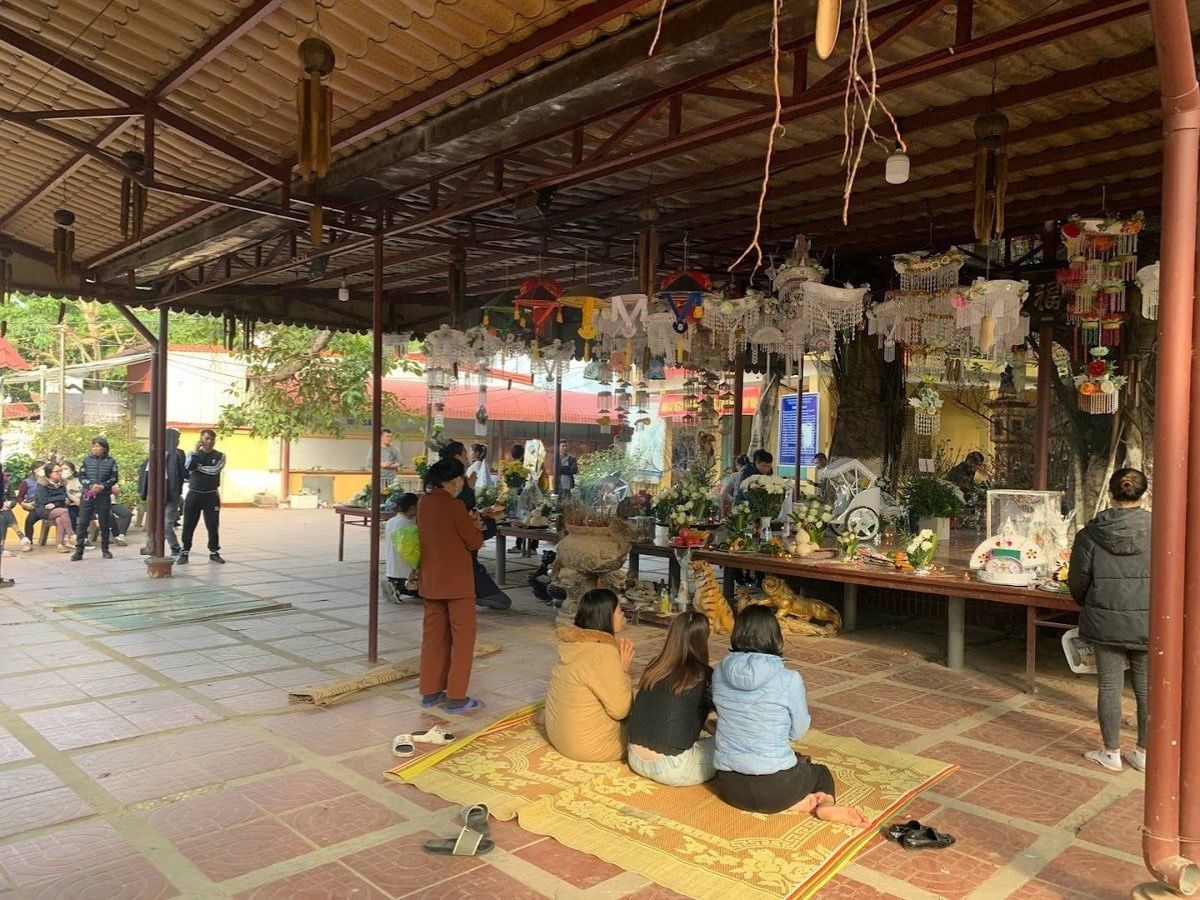
The 13-Root Banyan is a famous spiritual destination. (Source: Collected)
The 13-Root Banyan is located in Gia Vien ward, Hai Phong city, and is a prominent destination attracting a large number of tourists and locals each year. This place is not only a sightseeing and scenic spot, but also a spiritual destination, where many people come to pray for peace and luck when visiting Hai Phong.
According to the stories of the people in Xom Trai village, this banyan tree has existed for a long time, even before the village was built into a city. With its wide canopy, providing shade over a large area, the banyan tree has become a familiar symbol in the Northern Vietnamese countryside landscape, harmoniously combined with the village communal house and well, creating the characteristic image of "banyan tree, well, and communal house yard".
Local legends say that in the past, a general stopped here and tied his horse to the tree's root while going to fight enemies. This inadvertently broke the tree's top, but from then on, the banyan's canopy grew outwards in four directions, creating the unique shape it has today.
Additionally, there is a circulating story that during the battle against the Nam Han army, the Trung Sisters rode elephants through Xom Trai. Seeing the lush, shady banyan tree, the two sisters stopped to rest. While resting, the elephants used their trunks to break off the tree's top to eat, causing the tree to grow horizontally rather than vertically, resulting in the distinctive shape that tourists can admire to this day.
2. Who is worshipped at the 13-Root Banyan in Hai Phong? Figures worshipped
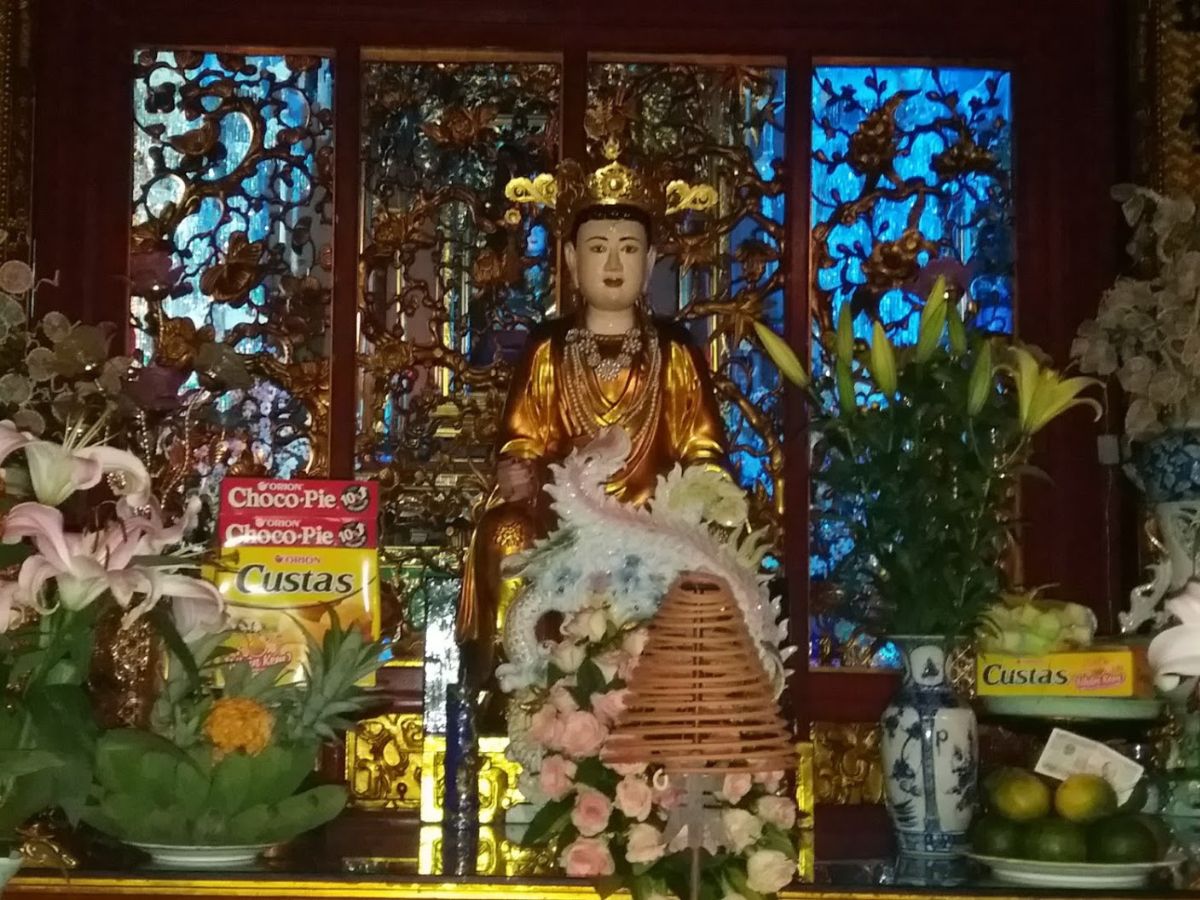
The Thirteen-Root Banyan Tree of Hai Phong worships the Goddess of the Five Directions. (Source: Collected)
The Thirteen-Root Banyan Tree of Hai Phong is not only a unique natural symbol but also a sacred place of worship, associated with many important figures in folk beliefs. Visitors coming here will learn about the Goddess of the Five Directions, Duc Tho Vuong, along with officials, spirits, and homeless souls, creating the distinctive cultural and spiritual value of the Hai Phong region.
2.1. Goddess of the Five Directions – The Sacred Goddess Ngu Phuong
The people of Hai Phong believe that the Thirteen-Root Banyan Tree is inhabited by the Goddess of the Five Directions. According to ancient custom, on every full moon, holidays, and Tet, local people often come here to offer incense and worship the Goddess of the Five Directions, praying for peace.
Legend has it that in the past, the Goddess of the Five Directions, along with two maids, traveled around the Hai Phong region by rickshaw, and the Thirteen-Root Banyan Tree was her final resting place. Therefore, this place has become a sacred spiritual destination, carefully cared for and honored by the locals. Many visitors also inquire about how to properly perform offerings and prayers at the Thirteen-Root Banyan Tree according to tradition.
2.2. Duc Tho Vuong
Right at the base of the banyan tree, there is an ancient shrine with a stone stele inscribed with Han-Nom characters. This shrine was built to worship Duc Tho Vuong, who contributed to helping the people reclaim land and establish settlements, bringing a stable life to the surrounding community. Additionally, locals mention that the shrine also serves as a place to worship officials, spirits, deities, and homeless souls, reflecting the unique folk beliefs of the Hai Phong region.
2.3. Worship of Officials, Spirits, and Homeless Souls
Below the roots of the Thirteen-Root Banyan Tree, there is also a long-standing shrine, inside which a stone stele with Han-Nom characters is clearly inscribed. The shrine not only worships Duc Tho Vuong but also serves as a place for officials, spirits, deities, and souls who have not yet found a resting place, demonstrating the unique folk beliefs and the integration of history, spirituality, and local culture that the people of Hai Phong have preserved through generations.
3. Spiritual Experiences and Cultural Values at the Thirteen-Root Banyan Tree of Hai Phong
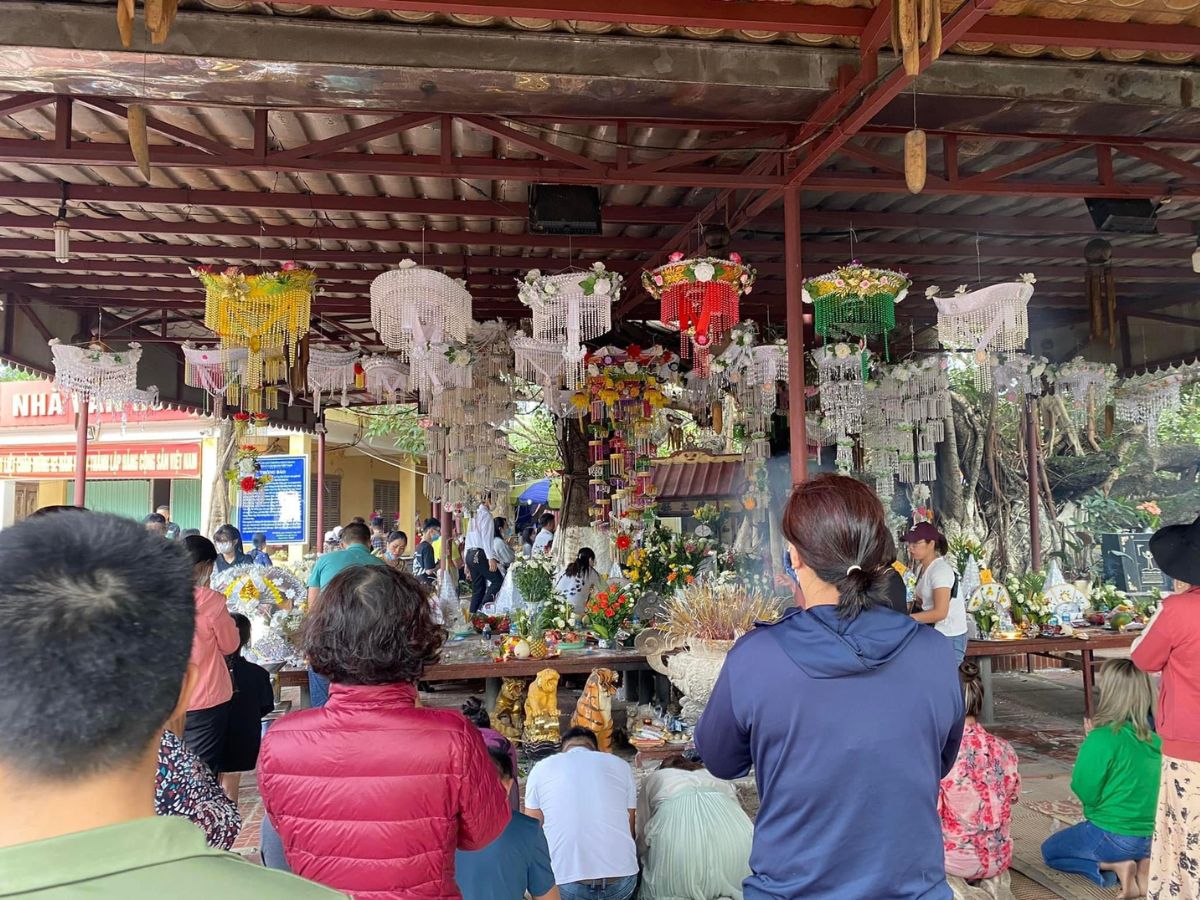
Offering rituals at the shrine under the 13-trunk banyan tree. (Source: Collected)
According to long-standing custom, each year on the first and fifteenth day of the lunar month, during holidays and Tet, people of Hai Phong often visit the shrine under the 13-trunk banyan tree, light incense, offer rituals, and pray to Ba Chua Nam Phuong (Goddess of the Five Directions) for peace and good fortune for their families and themselves.
Legend has it that in ancient times, Ba Chua Nam Phuong, along with two maids, made a tour of the entire Hai Phong region, and the 13-trunk banyan tree was her final resting place. Therefore, this place is considered a resting spot for deities, becoming a sacred spiritual site, deeply respected and worshipped by local people for generations.
For visitors, many wish to offer incense and pray to Ba Chua Nam Phuong. Thus, questions about how to prepare offerings, choose ritual items, the location for performing rituals, and what to pray for are always carefully considered to ensure the ceremony is performed according to custom and carries spiritual significance.
Annually, the main festival for Ba Chua Nam Phuong at the 13-trunk banyan tree is held on the 16th day of the 6th lunar month. To ensure the offering ceremony is performed correctly and without errors, visitors should seek information from local people or those with prior experience, both to respect tradition and to fully experience the spiritual cultural values of the place.
4. Important Notes When Visiting the 13-Trunk Banyan Tree in Hai Phong
The 13-trunk banyan tree in Hai Phong is a prominent destination, possessing both historical value and profound spiritual significance. When visiting, tourists should pay attention to preserving the landscape, adhering to regulations, and respecting local customs for a complete and safe experience.
The 13-trunk banyan tree in Hai Phong is not only a famous tourist spot but also holds long-standing historical and spiritual value. When visiting, tourists should refrain from breaking branches, picking leaves, or causing damage to the tree. Additionally, do not climb on the branches, roots, or surrounding statues and landscapes to ensure safety and respect for the monument.
Given its sacred spiritual significance, visitors should wear polite and neat attire, especially if intending to light incense or pray at the temple next to the banyan tree. On festival days, if you wish to prepare a complete offering, consult the experience of local people or those who have visited before to perform the ritual according to traditional customs.
Another important note is to maintain cleanliness in the surrounding area, avoid making excessive noise or playing boisterously, so that the visiting experience is both solemn and comfortable.
Besides visiting the 13-trunk banyan tree, when traveling to Hai Phong, you can explore other central city attractions such as the Opera House, Hai Phong Museum, or if you have more time, you can visit Cat Ba Island. From the mainland, you can quickly travel by Sun World cable car, while also experiencing exciting activities like kayaking, exploring the national park, and admiring the beautiful island and sea scenery, offering a complete trip combining cultural experiences and nature.

Take the Sun World cable car to Cat Ba Island, Hai Phong.
With its historical value, unique legends, and profound spiritual significance, the 13-root banyan tree in Hai Phong, who is worshipped is an unmissable destination when exploring local culture. Visitors can learn about its story, admire the ancient beauty of the tree, and feel the sacred atmosphere around it. Add the 13-root banyan tree in Hai Phong to your 2025 travel itinerary to fully experience its cultural and spiritual values and capture memorable moments.


